
 Chandra Hamzah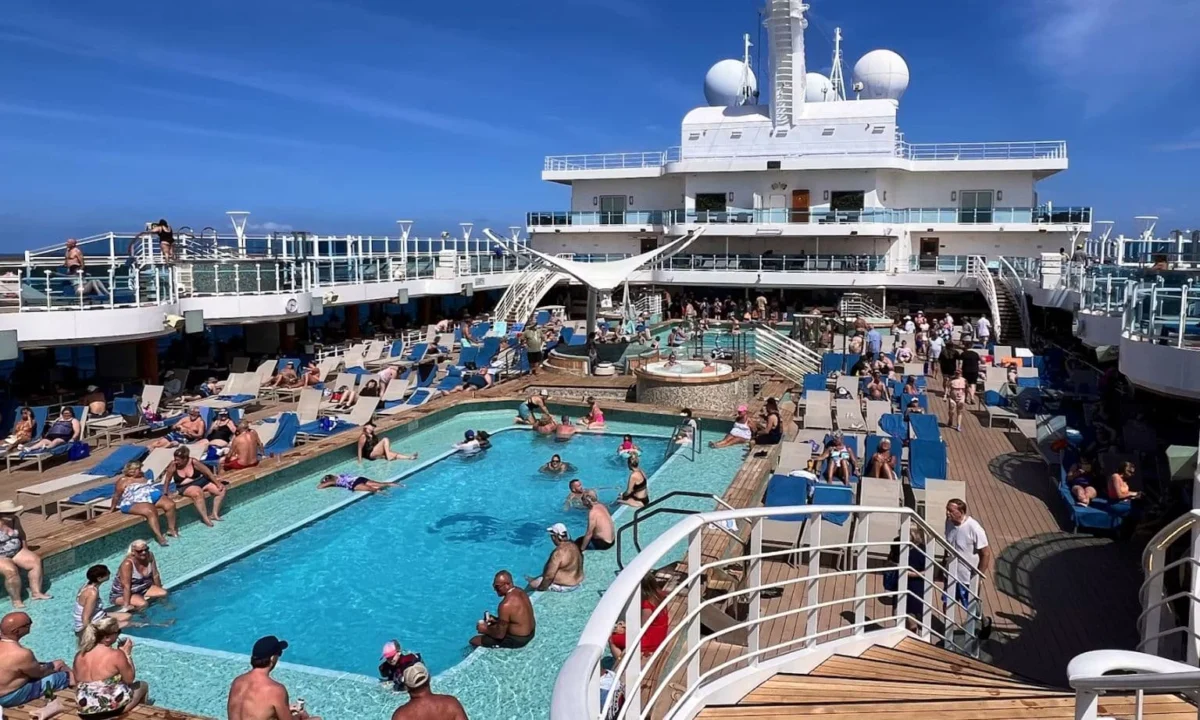
A German tourist’s successful lawsuit against a resort over the ubiquitous practice of "chair hogging" is sending ripples through the international cruise industry, potentially ushering in a new era of stricter enforcement of pool and deck space policies. The German national was awarded approximately $1600 in damages after a court ruled in his favor, finding that his family was consistently unable to access available pool loungers due to the practice of other guests reserving them with towels and personal belongings for extended periods, often without actual occupancy. This unprecedented legal victory, reported by the BBC, is prompting cruise lines worldwide to re-evaluate their own policies and the mechanisms for their enforcement, particularly given the significant German market within the global cruising sector.
The core of the legal challenge revolved around the resort’s stated policy against reserving loungers, a common rule across holiday destinations and cruise ships alike. The plaintiff successfully argued that while such policies existed, they were inadequately enforced, thereby depriving him and his family of the amenities for which they had paid. The court’s decision to grant a refund, equivalent to about 14 percent of the total trip cost, underscores a judicial recognition of the significant inconvenience and loss of value experienced by guests unable to utilize prime leisure spaces. This judgment, originating from Germany – a nation boasting over two million ocean cruise passengers annually – carries considerable weight and is expected to influence how similar disputes are handled internationally.
The Genesis of the Dispute: A Familiar Frustration
The incident, which occurred during the tourist’s 2024 resort holiday in Greece, highlights a long-standing and widespread complaint among vacationers: the early morning scramble for sun loungers. Guests often report arriving at pool areas to find a significant number of chairs already claimed by towels, books, or other personal items, even if they remain unoccupied for hours. This practice, commonly referred to as "chair hogging," creates a tangible loss of amenity for those who adhere to rules of fair usage or who arrive later in the day.
While the specific details of the Greek resort’s operational procedures and the exact timeline of the plaintiff’s experience are not fully elaborated in the initial reports, the legal outcome suggests a failure on the part of the resort to uphold its own stated regulations. The court’s finding implies that the policy, however well-intentioned, was not sufficiently implemented to prevent the disruptive behavior. This lack of enforcement, the plaintiff contended, directly impacted his ability to enjoy the resort’s facilities, leading to a quantifiable loss.
Cruise Lines’ Existing Policies: A Patchwork of Enforcement
The cruise industry, in particular, has long grappled with the "chair hogging" phenomenon. Given the enclosed environment of a ship and the high concentration of passengers seeking relaxation by the pool, the issue is amplified. Major cruise lines have, for years, implemented policies aimed at addressing this practice, typically involving time limits for unattended loungers.
For instance, Royal Caribbean has a widely communicated 30-minute rule. Under this policy, deck attendants are authorized to remove personal belongings from loungers that have been unattended for more than half an hour, thereby making them available for other guests. This policy is designed to ensure a more equitable distribution of limited deck space.
Similarly, Carnival Cruise Line operates with a slightly more lenient 40-minute window before unattended chairs can be reallocated. Princess Cruises, Celebrity Cruises, and many other operators adhere to a 30-minute timeframe, mirroring the approach taken by Royal Caribbean. These policies are often prominently displayed in cruise line literature, on cabin televisions, and through onboard announcements.
Despite these established rules, passenger experiences and complaints suggest a significant variance in how strictly they are enforced. The effectiveness of these policies hinges critically on the diligence and consistency of the crew tasked with monitoring and enforcing them. The German court’s ruling suggests that a mere existence of a policy is insufficient; active and demonstrable enforcement is paramount to avoid potential legal repercussions.
The Ripple Effect: Legal Implications for the Cruise Sector
The German court’s decision could have profound implications for the cruise industry. By establishing a legal precedent where guests can seek financial redress for the failure to enforce anti-chair hogging policies, cruise lines may face increased scrutiny and potential litigation. Passengers who feel their vacation experience has been diminished due to the persistent occupation of loungers could be emboldened to pursue similar legal avenues.
This ruling is particularly significant given the substantial number of German cruise passengers. Germany represents a key market for many major cruise operators, and a widespread understanding of this legal precedent within the German cruising community could lead to a surge in complaints and legal challenges targeting cruise lines that fail to adequately enforce their own policies.
The practical challenges of enforcing these rules on a large cruise ship are considerable. Crew members are often juggling numerous responsibilities, particularly in busy areas like the pool decks. Furthermore, confronting passengers or removing their personal items can create awkward and potentially confrontational situations for the staff. The legal victory in Germany may compel cruise lines to invest more resources into training, staffing, and technological solutions to ensure consistent and effective enforcement, even if it increases operational complexity and potential for guest-crew friction.
Norwegian Cruise Line: A Case Study in Strict Enforcement
In recent times, Norwegian Cruise Line (NCL) has garnered praise from passengers for its robust approach to enforcing chair-hogging regulations. Reports from onboard NCL ships indicate a proactive strategy that has been well-received by many guests who value the availability of loungers. NCL’s method involves crew members marking unoccupied chairs with stickers, often starting around 10 a.m. An hour later, if the chairs remain unattended, their contents are removed and stored, making the loungers available for general use.
This method, while potentially perceived as strict by some, demonstrates a clear commitment to the policy and a tangible effort to ensure fair access. The positive customer feedback suggests that a well-executed and visible enforcement strategy can be beneficial for overall guest satisfaction, even if it means a more assertive approach to managing deck space. NCL’s success in this area may serve as a model for other cruise lines seeking to proactively address the issue and mitigate potential legal risks.
Broader Impact and Future Considerations
The ramifications of this German lawsuit extend beyond the immediate financial award. It signals a potential shift in the balance of power between passengers and cruise lines regarding the management of onboard amenities. Cruise lines that have historically relied on a more lenient approach to enforcement may now feel compelled to adopt stricter protocols to avoid liability. This could involve:
- Enhanced Crew Training: Investing in more comprehensive training for deck and entertainment staff on policy enforcement, de-escalation techniques, and the legal implications of failing to act.
- Technological Solutions: Exploring the use of apps or digital systems that allow passengers to reserve loungers for limited periods or that flag unattended chairs for crew intervention.
- Clearer Communication: Ensuring that policies are communicated even more effectively and frequently to passengers, both before and during the cruise, emphasizing the consequences of non-compliance.
- Policy Review and Revision: Re-evaluating the time limits and other aspects of current policies to ensure they are practical, enforceable, and align with passenger expectations and legal standards.
The ruling also raises questions about the definition of "damage" in such cases. While the awarded sum was not astronomical, it represents a tangible financial loss that the court recognized. This could pave the way for larger claims if similar situations arise on a more significant scale or if passengers can demonstrate a more substantial impact on their overall vacation experience.
What to Do if There’s Chair Hogging on Your Cruise?
For passengers encountering persistent chair hogging on their cruise, several steps can be taken, though the effectiveness may vary depending on the cruise line and the crew’s responsiveness:
- Consult the Cruise Line Policy: Familiarize yourself with the specific policy regarding unattended loungers, usually found in the onboard guest services directory or through the cruise line’s app.
- Politely Inform Crew: If you observe a chair that has been unattended for a significant period (beyond the stated time limit), politely bring it to the attention of a nearby deck attendant or a member of the entertainment staff.
- Document the Situation: If possible and without being confrontational, discreetly take note of the time and duration a chair remains unoccupied. Photographic evidence might be useful if a formal complaint is lodged.
- Escalate to Guest Services: If the issue persists and crew members are unresponsive or unable to resolve it, consider lodging a formal complaint with the ship’s Guest Services desk. Clearly articulate the problem, referencing the cruise line’s policy and the impact on your ability to use the facilities.
- Consider Formal Feedback: After the cruise, provide detailed feedback through the cruise line’s official channels, highlighting your experience with chair hogging and the effectiveness of their policy enforcement. While this may not result in immediate compensation, it contributes to the overall feedback loop that can drive policy changes.
- Legal Recourse (as a last resort): In extreme or persistently unaddressed situations, and particularly in light of the recent German ruling, passengers may explore legal avenues. However, this is typically a complex and costly process, and its feasibility would depend on the jurisdiction and the specific circumstances of the case.
The German court’s decision serves as a potent reminder that policies, even those seemingly minor in scope, carry weight and that their enforcement is crucial for maintaining guest satisfaction and legal compliance. The cruise industry, a significant player in the global tourism market, will undoubtedly be watching closely to see how this landmark ruling shapes passenger expectations and operational practices in the years to come. The era of unchallenged "chair hogging" may be drawing to a close, ushering in a more regulated and potentially fairer approach to the coveted poolside lounger.




 Anjar Salim
 Tatiana Tantri Indah Sari
 Budi Mulyono
