
 Hendra Ismail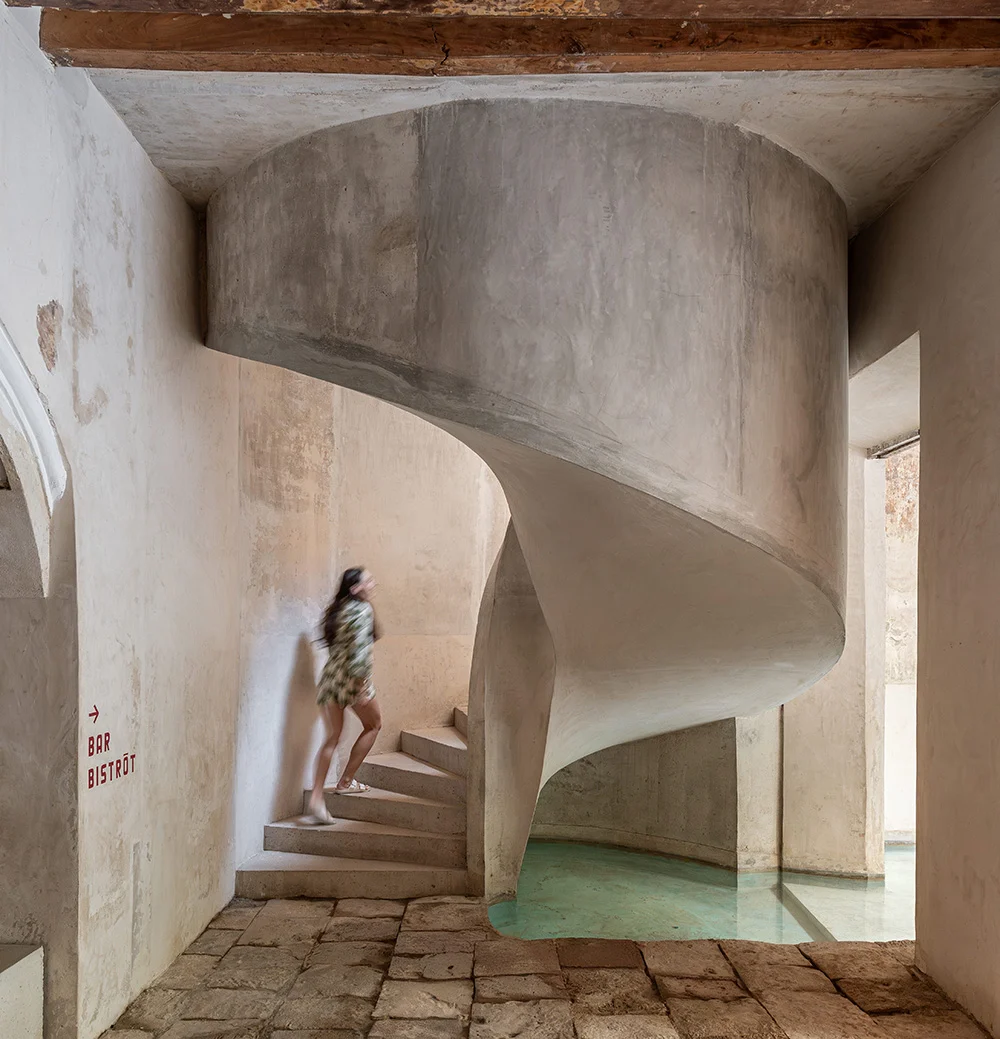
The interior design world is currently experiencing a peculiar yet captivating phenomenon: the ascendance of "noodle-core" aesthetics, a trend that playfully draws inspiration from the familiar and comforting shapes of pasta. This culinary-inspired design movement, characterized by sculptural forms and a sense of playful whimsy, is finding its way into furniture, tile patterns, and decorative elements. Simultaneously, the hospitality sector is grappling with significant financial challenges, as evidenced by the precarious situation of The LINE Austin hotel, which faces potential foreclosure. These developments occur against a backdrop of broader cultural anxieties, with the recent cinematic exploration of "liminal spaces" in the horror genre tapping into a collective unease about abandoned and transitional environments. This week’s roundup delves into these diverse yet interconnected narratives, offering insights into design trends, economic realities, and the psychological underpinnings of contemporary culture.
The Palatable Palette: Pasta Inspires a New Wave of Interior Design
In a surprising turn, the humble noodle has become the unlikely muse for a burgeoning trend in interior design, dubbed "noodle-core." This aesthetic embraces the inherent sculptural qualities of pasta, translating its familiar shapes into distinctive furniture, decorative objects, and even architectural details. Artistic Tile recently launched a macaroni-inspired pattern, showcasing how a common culinary element can be reimagined as a sophisticated design motif. Furthermore, a collaboration between Studio Yellowdot and Barilla’s Artista brand highlights the fusion of food heritage with contemporary design, presenting seating solutions that evoke the playful curves of pasta.
The appeal of this trend lies in its multifaceted nature. Pasta’s myriad shapes—from the elegant spirals of fusilli to the robust tubes of rigatoni—offer a rich vocabulary for designers. The rise of 3D printing technology has been instrumental in realizing these sinuous, organic forms, allowing for the precise replication of complex curves and textures. Beyond mere ornamentation, these pasta-inspired designs invite new dialogues within interior spaces, offering a sense of comfort, nostalgia, and a touch of playful irreverence. As explored in Architectural Digest, this trend moves beyond a fleeting fad, suggesting a deeper connection between food, form, and the spaces we inhabit. The enduring promise of pasta as a source of comfort and culinary delight now extends to its role as a compelling design inspiration, offering a visually engaging and conceptually rich avenue for decorating our homes and commercial spaces. The global pasta market, valued at over $130 billion annually, underscores the pervasive cultural significance of this foodstuff, making its translation into design a resonant and accessible concept for a wide audience.
The LINE Austin on the Brink: Foreclosure Looms for a Luxury Hotel
The hospitality industry is facing a period of considerable economic uncertainty, and the luxury hotel brand The LINE is no exception. Following the takeover of its properties in Los Angeles and Washington, D.C. by lenders, the future of The LINE Austin appears increasingly uncertain. The Real Deal reports that the Austin outpost, situated with prime views of Lady Bird Lake, is slated for a foreclosure auction in June. This drastic measure comes after the ownership entity defaulted on a substantial $172 million loan, which was issued by JP Morgan in 2023, just five years after the hotel’s grand opening.
The potential foreclosure of The LINE Austin, a hotel recently recognized by Condé Nast Traveler as one of the best in Texas and a personal favorite of many discerning travelers, signals a broader financial vulnerability within the brand’s portfolio. Parent company Soho House & Co has remained largely silent on the matter, offering no official statement regarding the fate of the Austin property or the brand’s overall strategy. This silence, coupled with the impending auction, fuels speculation and concern among industry observers and guests alike. The hotel’s financial distress is indicative of larger economic pressures impacting the hospitality sector, including rising operational costs, fluctuating occupancy rates, and the lingering effects of global economic shifts. The outcome of this situation could have significant implications for the local Austin market, potentially impacting tourism, employment, and the broader real estate landscape. The possibility of a last-minute ownership solution remains, but the specter of a foreclosure auction casts a long shadow over this prominent establishment.
The Unsettling Allure of Liminal Spaces: "Backrooms" Taps into Collective Anxiety
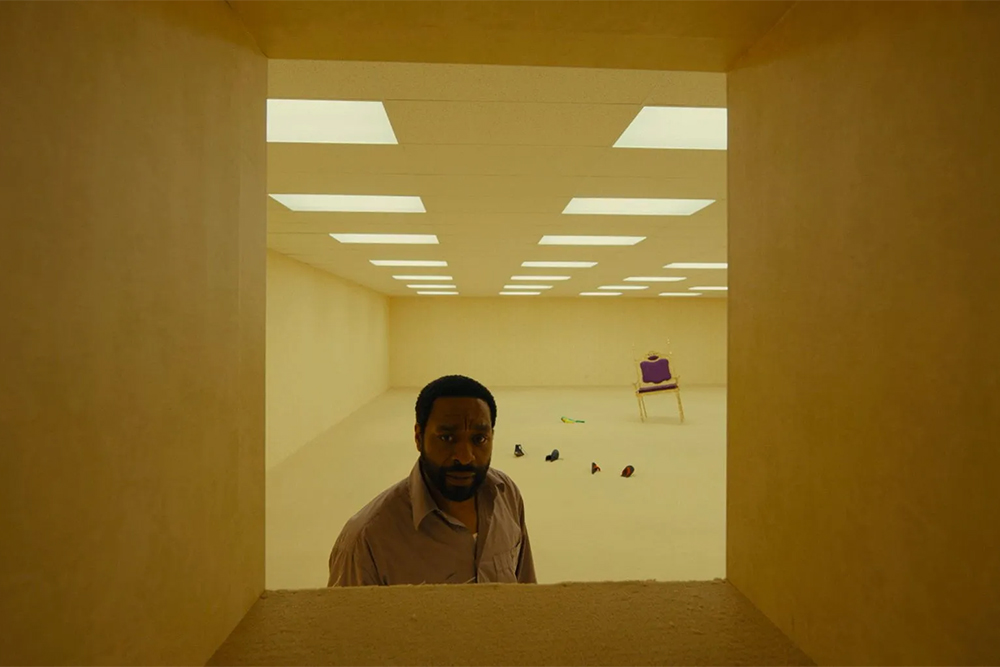
This summer’s cinematic landscape is marked by a particularly unsettling trend: the exploration of "liminal spaces" in the horror genre, most notably with the A24 film Backrooms. Derived from an internet phenomenon that originated on Reddit’s r/creepypasta over a decade ago, the concept of the "Backrooms" describes an infinite, abandoned ancillary space existing beyond our perceived reality. The film, a summer blockbuster, centers on a disillusioned architect turned furniture salesman who finds himself trapped in these unsettling, seemingly endless environments.
The film’s premise taps into a deep-seated, collective anxiety surrounding liminal spaces—those transitional, often deserted areas that evoke a sense of unease and disorientation. Malls, empty office buildings, and neglected parking garages, often seen as relics of past economic exuberance, have become potent symbols of this disquiet. The horror in Backrooms is not derived from a traditional antagonist but from the very nature of the environment itself. Production designer Danny Vermette meticulously crafted over 30,000 square feet of practical sets to embody the labyrinthine and monotonous architecture of late-20th-century design. His use of repetitive wallpaper and carpeting, punctuated by unnerving anomalies like raked floors and unreachable doors, amplifies the sense of dread. This deliberate design choice exploits the uncanny valley effect, where familiar yet empty spaces become sources of profound psychological discomfort. As Dezeen reports, the film’s success highlights a growing cultural fascination with the inherent creepiness of abandoned interiors. The concept of the void, presented as a symbol of dread, resonates with a broader societal apprehension about the unknown and the potential consequences of unchecked urban development and consumerism. The film’s narrative taps into a growing internet culture that finds unsettling beauty and terror in abandoned places, from forgotten retail centers to vacant office towers, reflecting a contemporary unease with the ghosts of American sprawl.
An Ode to the Staircase: Elevating Design and Narrative
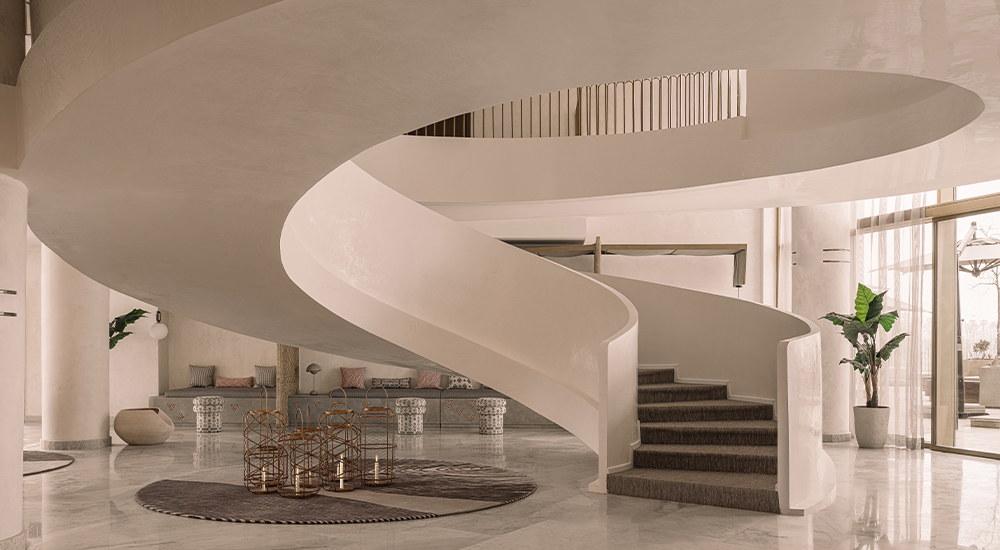
While the current cultural zeitgeist grapples with the unsettling nature of empty spaces, a counter-narrative emerges in the appreciation of architectural elements that actively engage and define a space. At Hospitality Design, there has always been a profound respect for the aesthetic and functional power of well-designed staircases. These architectural features, from elegant spiral designs to grand, sculptural flights, have often graced the covers and pages of the magazine, serving as potent embodiments of a project’s ethos and craftsmanship.
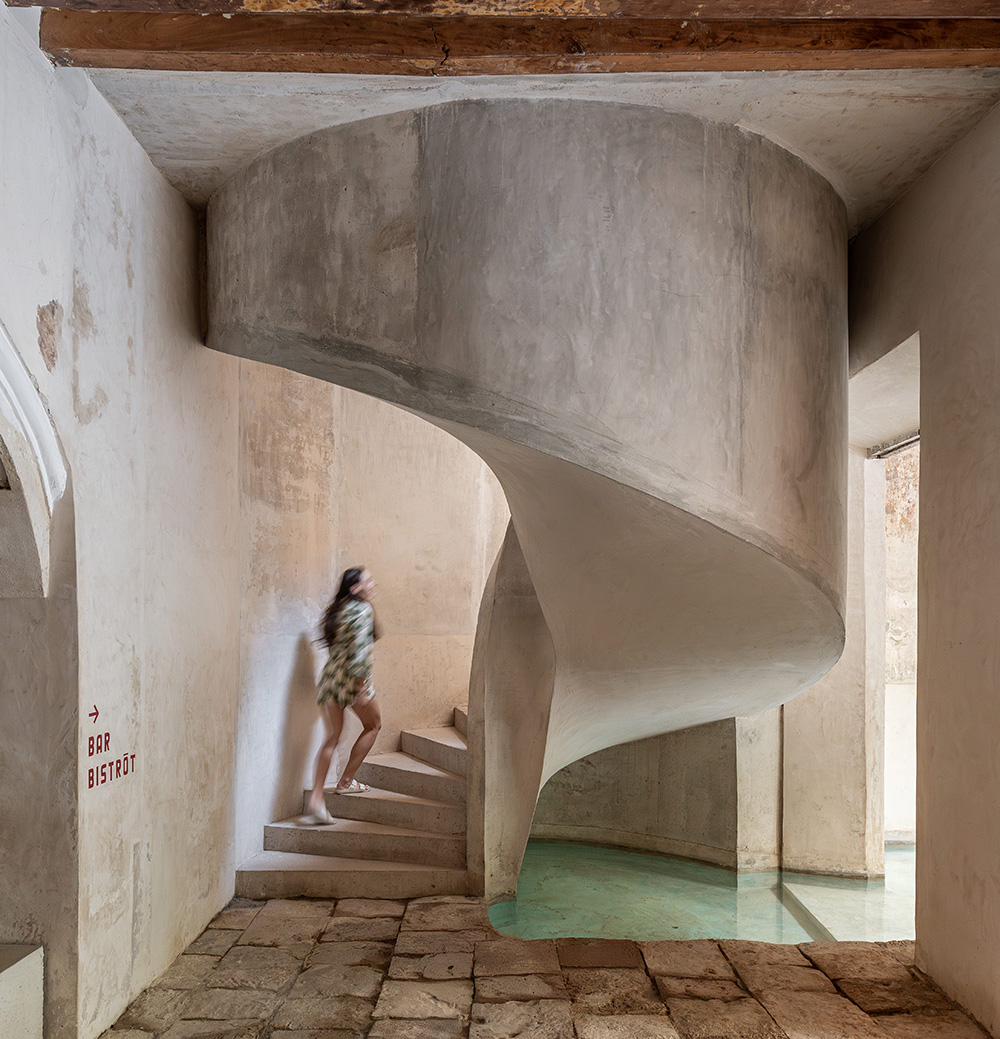
Adam Rolston, founding partner of INC Architecture & Design and author of "Joyspace," is another prominent advocate for the transformative potential of staircases. In an op-ed for Architect’s Newspaper, Rolston articulates how staircases can transcend their purely utilitarian purpose to become immersive experiences that connect users with their built environment. He argues that a thoughtfully designed staircase can imbue a space with narrative and dynamism, actively activating areas that might otherwise remain dormant or uninspired. This perspective reframes the staircase not merely as a means of vertical circulation but as a pivotal element capable of shaping the user’s journey and enhancing the overall spatial experience. By drawing attention to the inherent potential of staircases to create moments of architectural delight and engagement, Rolston’s insights offer a compelling counterpoint to the anxieties evoked by vacant and transitional spaces. The notion of a "joyspace"—a space that sparks joy—is powerfully exemplified by a staircase that not only facilitates movement but also inspires, delights, and adds a unique character to its surroundings. This appreciation for well-crafted architectural details underscores the enduring impact of intentional design on our perception and experience of place.
Celebrating Excellence: The 22nd Annual HD Awards Issue Arrives
As the summer season unfolds, Hospitality Design is thrilled to announce the imminent release of its 22nd annual HD Awards issue. This highly anticipated edition serves as a comprehensive celebration of the industry’s most exceptional talent, recognizing the outstanding achievements in both hospitality projects and product design. Culled from an impressive pool of over 1,200 submissions, the winners and nominees featured in this issue represent the pinnacle of innovation, creativity, and execution in the field.
The prestigious Best in Show award for projects was bestowed upon The Standard, Brussels, a testament to its groundbreaking design and execution. In the product category, Kevin Barry Art Advisory earned top honors, highlighting their significant contribution to the aesthetic and functional landscape of hospitality design. This issue provides an invaluable resource for design professionals, enthusiasts, and anyone seeking inspiration from cutting-edge hospitality environments. It offers an opportunity to explore a diverse range of award-winning projects and products, fostering appreciation for the artistry and dedication that define the industry. Whether seeking to ignite new creative ideas or simply to admire beautiful and impactful work, the 22nd annual HD Awards issue promises to be a captivating and illuminating read, perfectly complementing the reflective and appreciative spirit of a sunny afternoon. The meticulous judging process, involving esteemed panels of industry experts, ensures that the featured selections represent the very best of contemporary hospitality design, setting a benchmark for excellence and innovation.


 Anjar Salim
 Chandra Hamzah
 Tatiana Tantri Indah Sari
 Budi Mulyono
 Lukman Taruna Persada Ramadan
