
 Lukman Taruna Persada Ramadan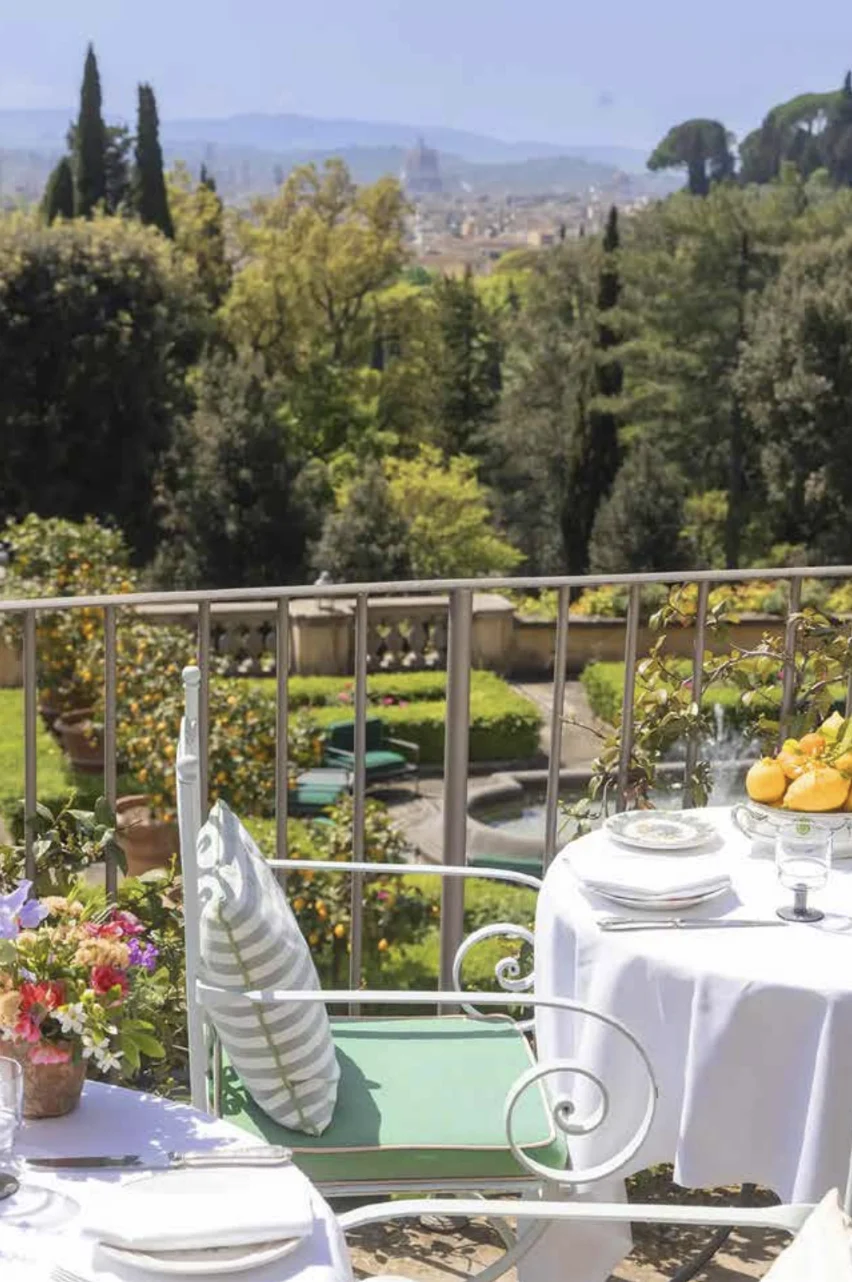
Tuscany, a region synonymous with the quintessential Italian dream, continues to captivate global audiences, drawing millions to its sun-drenched landscapes, historic cities, and unparalleled culinary traditions. The perception of Tuscany as a restorative sanctuary, particularly for those seeking a fresh start or a deeper connection to "la dolce vita," has been significantly amplified by popular culture, from Diane Lane’s cinematic journey in Cortona in the 2003 film Under the Tuscan Sun to Julia Roberts’ depiction of Elizabeth Gilbert’s transformative experiences in Montepulciano in Eat Pray Love. While these portrayals highlight a specific demographic’s aspirational retreat, the region’s appeal transcends such narratives, rooted in a rich tapestry of history, art, and an authentically preserved way of life.
Historical and Cultural Foundations of Tuscan Identity
The bedrock of Tuscany’s enduring charm lies in its profound historical and cultural legacy. Far from being a modern construct, the region has been a cradle of civilization since Etruscan times, later flourishing under Roman rule. However, it was during the Renaissance, beginning in the 14th century, that Tuscany, particularly Florence, emerged as the epicenter of European intellectual and artistic innovation. This period saw the birth of masterpieces by Leonardo da Vinci, Michelangelo, Botticelli, and Raphael, establishing Florence as the undisputed cultural capital of Europe. The architectural grandeur, philosophical advancements, and artistic movements of the Renaissance continue to define the region’s urban centers, making them living museums of unparalleled significance. Beyond Florence, cities like Siena, with its stunning Piazza del Campo and the historic Palio horse race, and Pisa, famous for its leaning tower, stand as testaments to medieval and Romanesque artistry. Lucca, encircled by intact Renaissance walls, offers a more tranquil, yet equally rich, historical experience.
The region’s agricultural heritage is equally foundational. Tuscany’s rolling hills, sculpted by centuries of viticulture and olive cultivation, are not merely picturesque; they are the backbone of a thriving agro-economy that produces world-renowned Chianti, Brunello di Montalcino, and Vino Nobile di Montepulciano wines, alongside exquisite olive oils, truffles, and artisanal cheeses. This deep connection to the land fosters a communal, earthy way of life that, despite global industrialization, Italians in Tuscany have largely managed to preserve.
The Landscape of Tranquility and Authenticity
While iconic landmarks like the Leaning Tower of Pisa can attract throngs of tourists and street vendors, much of Tuscany remains a haven of serenity. The characteristic narrow, winding roads, often less accommodating to large tour buses and nervous drivers, inadvertently safeguard vast stretches of the region, allowing many villages and landscapes to remain remarkably bucolic and blissfully undiscovered. This geographical feature contributes significantly to the feeling of stepping into an "unhurried universe" where daily rhythms are dictated by the sun and seasons, rather than the relentless pace of modern life.
This sense of preserved authenticity is a key differentiator. Visitors often note a palpable difference in the pace of life: lunches extend longer, wine is savored with greater deliberation, and sunsets transform into spectacular, communal events. The emphasis on homegrown, artisanal products – from food and wine to ceramics and leather goods – reinforces this connection to tradition and craftsmanship. As a character in the Tuscan-set film Jay Kelly, shot in the Renaissance town of Pienza, observes, "Italy. What is its fatal charm? I believe it is a certain permission to be human, which other places lost too long ago." This sentiment encapsulates the essence of Tuscany’s appeal: an invitation to embrace life’s simple pleasures, to connect with nature, and to rediscover a more fundamental sense of humanity.
Economic Impact and Tourism Trends

Tuscany is a cornerstone of Italy’s tourism industry, attracting millions of visitors annually and generating substantial revenue. Before the global pandemic, the region consistently welcomed over 40 million tourist arrivals each year, with Florence alone accounting for a significant proportion. While the immediate aftermath of the pandemic saw a dip in numbers, tourism has steadily rebounded, demonstrating the region’s resilient appeal. The economic contributions extend beyond direct hospitality spending, permeating various sectors including agriculture, artisan crafts, retail, and transportation. Small, family-run businesses, from agriturismi (farm stays) to local trattorias, form the vibrant fabric of the Tuscan economy, directly benefiting from visitor expenditure.
However, this popularity also presents challenges. Over-tourism in hotspots like Florence and certain areas of the Chianti region necessitates careful management to preserve the authenticity and quality of life for local residents. Tourism boards and regional authorities are increasingly focusing on sustainable tourism models, encouraging visitors to explore lesser-known areas, promoting off-season travel, and investing in infrastructure that supports both residents and tourists without compromising the environment or cultural heritage. This includes initiatives to spread visitor flow across the region, highlighting the coastal areas, the Maremma, and northern Tuscany as equally rewarding destinations.
Exploring Tuscany: Key Regions and Experiences
Tuscany offers a diverse array of experiences, catering to every traveler’s inclination, from urban cultural immersion to tranquil rural retreats and rugged coastal adventures.
-
Florence: The Cradle of the Renaissance
As Tuscany’s largest city and the birthplace of the Renaissance, Florence serves as an ideal starting point for any Tuscan journey. Its cobblestone streets teem with lively cafés and world-class shopping, but it is the city’s extraordinary artistic and architectural heritage that truly defines it. Visitors can explore iconic landmarks such as the Duomo with Brunelleschi’s magnificent dome, the Uffizi Gallery housing masterpieces by Botticelli and Leonardo, Michelangelo’s David at the Accademia Gallery, and the historic Ponte Vecchio. Beyond the major sights, Florence invites exploration of artisan workshops, vibrant food markets like Mercato Centrale, and serene gardens such as the Boboli Gardens, offering panoramic views of the city. -
The Rolling Hills and Vineyards of the Countryside
Beyond Florence, the heart of Tuscany reveals itself in its iconic rolling hills, sprawling vineyards, and medieval hilltop towns. The Chianti Classico region, nestled between Florence and Siena, is renowned for its wine production and offers countless opportunities for vineyard tours, wine tastings, and cooking classes focusing on traditional Tuscan cuisine. The Val d’Orcia, a UNESCO World Heritage site south of Siena, epitomizes the Tuscan landscape with its iconic cypress-lined avenues, golden wheat fields, and charming towns like Pienza, known for its Pecorino cheese, and Montalcino, home to Brunello wine. Agriturismi dot the countryside, offering authentic farm-stay experiences that immerse guests in rural life. -
Coastal Tuscany: The Argentario and Maremma
For those seeking a different facet of Tuscany, the rugged cliffs and white-sand beaches along the coast, particularly in the Maremma region and the Argentario peninsula, offer a refreshing alternative to the more crowded Italian seaside retreats like Capri or the Amalfi Coast. The Argentario, a former island now connected to the mainland by causeways, boasts sophisticated resorts, pristine coves, and charming fishing villages like Porto Ercole and Porto Santo Stefano. The Maremma to its north is characterized by wild landscapes, natural parks, and a less developed, more authentic coastal charm, perfect for nature lovers and those seeking tranquility by the Tyrrhenian Sea.
Gastronomy: The Art of Tuscan Dining
Tuscan cuisine is celebrated for its simplicity, quality of ingredients, and profound connection to the land. It emphasizes fresh, seasonal produce, hearty meats, and, of course, exceptional wine and olive oil. Staples include ribollita (a thick vegetable and bread soup), pappa al pomodoro (tomato and bread soup), and the legendary bistecca alla fiorentina (a thick-cut, rare T-bone steak). Truffles, particularly from areas like San Miniato, are a prized delicacy, often shaved over pasta or eggs.

The dining experience itself embodies "la dolce vita." Meals are often long, leisurely affairs, punctuated by robust local wines like Chianti, Vernaccia di San Gimignano, or Brunello. From rustic trattorias serving generations-old recipes to Michelin-starred establishments offering contemporary interpretations of Tuscan classics, the region offers a gastronomic journey as rich and varied as its landscape. The concept of kilometro zero (zero kilometer) or farm-to-table dining is not a trend in Tuscany but an ingrained way of life, with restaurants sourcing ingredients directly from local farms and gardens.
Travel Logistics and Infrastructure
Traveling to and within Tuscany is facilitated by two primary airports: Florence Airport (FLR) and Pisa International Airport (PSA). Florence Airport, while smaller, offers direct connections to major European hubs and some international gateways, making it convenient for direct access to the region’s capital. Pisa International Airport, though roughly 50 miles from Florence, boasts a higher volume of flights and a wider range of destinations, particularly serving low-cost European carriers like Ryanair and easyJet, making it a popular entry point for budget-conscious travelers.
Once in Tuscany, transportation options vary. While ride-sharing services like Uber exist, their availability is significantly limited, especially in rural areas. Travelers are generally advised to arrange for private car services or rely on local taxis for short distances. For exploring the countryside, renting a vehicle is highly recommended. The advice to opt for a smaller, more compact car is practical, given the often narrow and winding roads of the Tuscan countryside and the sometimes-challenging parking situations in medieval towns. An extensive network of regional trains connects major cities like Florence, Siena, Pisa, and Lucca, offering an efficient way to travel between urban centers, while local bus services fill in the gaps for smaller towns.
Accommodation and Dining Recommendations
Tuscany offers a spectrum of lodging, from ultra-luxury resorts to charming agriturismi, each promising a unique experience.
Lodging:
-
HOTEL IL PELLICANO: Situated along the Argentario coast in Porto Ercole, this ultra-chic 5-star hotel epitomizes coastal glamour. Guests can indulge in Michelin-starred dining, breathtaking views of the Tyrrhenian Sea, and impeccable service, embodying a sophisticated rendition of la dolce vita.
- Località Sbarcatello, Porto Ercole, Tuscany
- $$$$–$$$$$
-
RENAISSANCE TUSCANY IL CIOCCO RESORT & SPA: Overlooking the picturesque Serchio Valley in the Lucca countryside, this elegant 1,700-acre retreat offers a modern interpretation of classic Florentine charm. It provides a tranquil escape with extensive amenities, perfect for sipping an Aperol spritz by the pool amidst impossibly bucolic surroundings.

- Via Giovanni Pascoli, Castelvecchio Pascoli, Tuscany
- $$$–$$$$
-
IL SALVIATINO FIRENZE: A magnificent 15th-century villa nestled in the hills of Fiesole, just outside Florence, this hotel redefines Tuscan luxury. With opulent Florentine architecture, sumptuous interiors, and meticulously manicured gardens, it offers an aristocratic retreat. Guests can enjoy unique experiences like truffle hunting and witness spectacular sunsets over the rolling hills from its terraces.
- Via del Salviatino 21, Florence, Tuscany
- $$$$–$$$$$
Dining:
-
EMPORIO DEL CASTELLO: Located within the sprawling, ultra-chic farm estate of Castello di Casole, this terrace restaurant provides an idyllic setting for an early dinner. Guests can savor refined Tuscan dishes while watching the sunset paint the rolling hills of Siena in warm hues.
- Località Querceto, 53031 Casole d’Elsa, Tuscany
- $$–$$$
-
OSTERIA LA CANONICA: Part of the esteemed Castiglion del Bosco, A Rosewood Hotel, this osteria offers a quintessential Tuscan trattoria experience. From a shaded veranda overlooking the magnificent Orcia Valley, diners can enjoy wood-fired pizzas and seasonal produce harvested from the nearby organic garden, connecting directly to the region’s agricultural bounty.
- Castiglion del Bosco, Montalcino, Tuscany
- $$–$$$
-
RISTORANTE SCACCIAGUAI: Tucked away in Barga, this beloved restaurant lives up to its name, which means "to drive away your troubles." Known for its amazing focaccia and specialties like Champagne lamb, it offers a cozy and popular dining experience. Reservations are highly recommended due to its intimate size and widespread acclaim.
- Via di Mezzo 23, Barga, Tuscany
- $$
Tuscany remains an undisputed gem, a destination that consistently delivers on its promise of beauty, culture, and a deeply satisfying way of life. Its blend of historical grandeur, artistic mastery, breathtaking natural landscapes, and unparalleled gastronomy ensures its position as a top-tier global travel destination for generations to come. The region’s ongoing commitment to preserving its heritage while thoughtfully embracing modern tourism ensures that the dream of "la dolce vita" under the Tuscan sun will continue to be a tangible reality for all who visit.




 Budi Mulyono
 Anjar Salim
 Chandra Hamzah
 Tatiana Tantri Indah Sari
