
 Hendra Ismail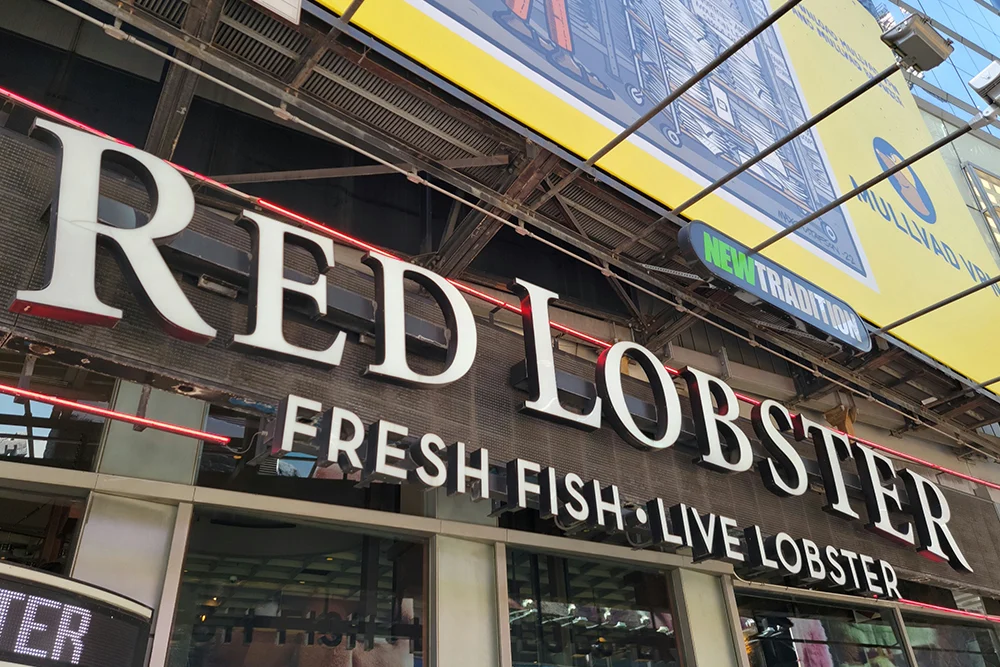
Barcelona’s most iconic architectural marvel, the Sagrada Família, is finally entering its concluding phase, marking the culmination of a nearly 150-year construction journey. Simultaneously, the vibrant culinary landscape of New York City is grappling with significant economic pressures, leading to a wave of restaurant closures. In Los Angeles, an abandoned hospital is being reimagined as a powerful canvas for healing and artistic expression. These diverse narratives, spanning iconic landmarks, economic realities, and community revitalization, form the core of this week’s significant developments.
Sagrada Família: A Century-and-a-Half in the Making
Antoni Gaudí’s unfinished masterpiece, the Sagrada Família basilica in Barcelona, stands as one of Europe’s most recognizable and architecturally ambitious structures. For over a century, its soaring spires and intricate facades have been a testament to unwavering dedication and evolving construction techniques. This week, reports from Architectural Digest confirm that the basilica is on the cusp of nearing completion, a milestone anticipated for generations.
The sheer scale and complexity of the Sagrada Família have necessitated a protracted construction period. Work commenced in 1882, with Gaudí taking over as chief architect in 1883 and transforming the project with his distinctive style. The basilica’s progress has been punctuated by periods of intense activity and slower phases, influenced by funding, historical events, and the intricate nature of Gaudí’s designs, which often required innovative engineering solutions. The Spanish Civil War, for instance, saw the destruction of some of Gaudí’s original models, necessitating reconstruction efforts.
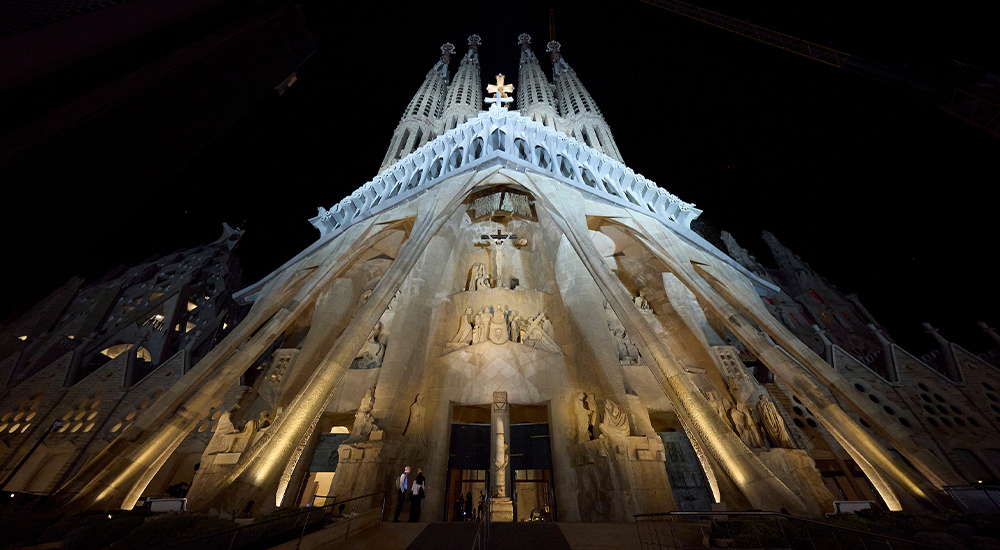
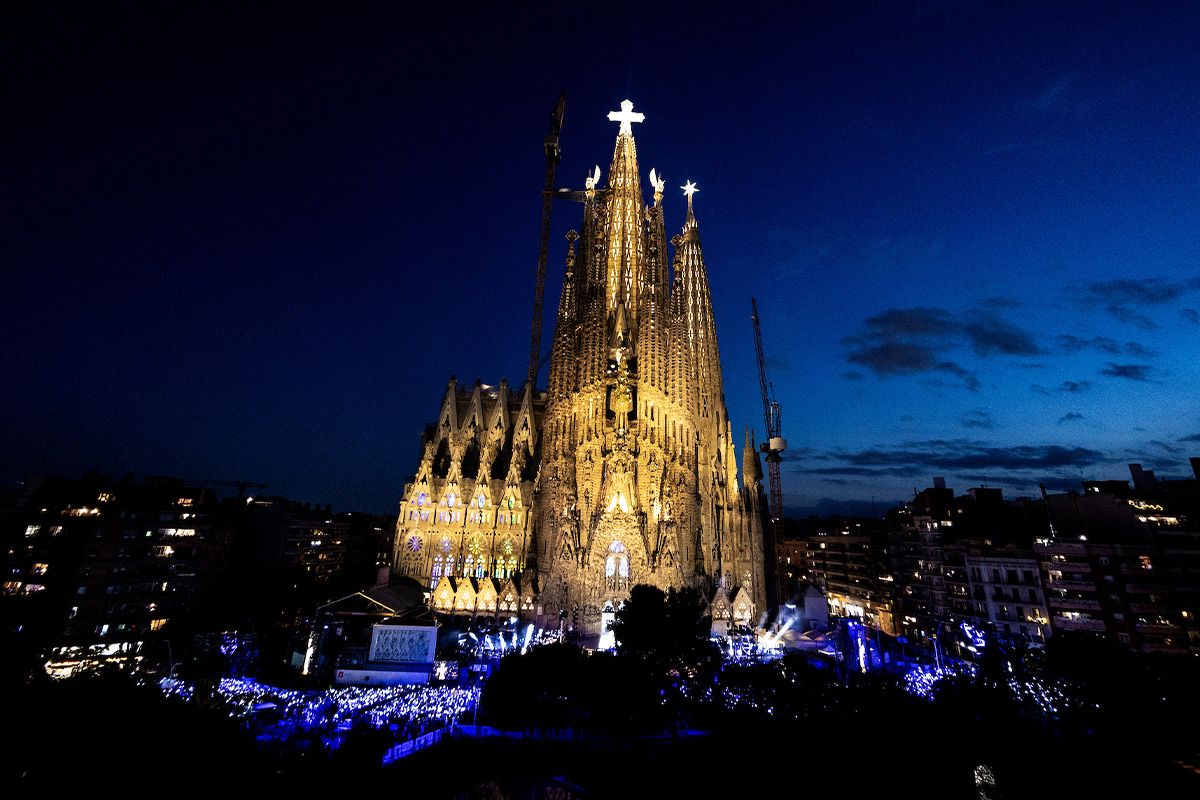
This year, a pivotal moment was reached as the basilica’s central tower, the Tower of Jesus Christ, attained its final planned height of 172.5 meters (566 feet), making it the tallest church structure in the world. This architectural feat signifies the near-completion of the basilica’s monumental form. Interior work is also advancing, with completion of the internal spaces anticipated by 2028. This ambitious timeline reflects the final push to realize Gaudí’s vision.
Adding to the sense of progress and anticipation, Pope Leo XIV recently presided over a mass and ceremonial blessing at the site. This significant event underscores the growing confidence in the project’s trajectory and its imminent inauguration. The presence of the Pope also highlights the spiritual and cultural importance of the Sagrada Família, not only to Barcelona and Spain but to the global Catholic community. The basilica is expected to attract millions of visitors annually upon its full opening, further cementing its status as a global pilgrimage destination.
The ongoing completion of the Sagrada Família represents more than just an architectural triumph; it is a cultural phenomenon, a symbol of perseverance, and a testament to the enduring power of artistic and spiritual ambition. Its eventual completion will mark the end of an era of continuous construction and the beginning of its full operational life as a place of worship and a monumental tourist attraction. The economic impact on Barcelona is projected to be substantial, with increased tourism revenue and job creation associated with its completed status.
New York City’s Culinary Scene Faces Economic Chill
Meanwhile, the bustling metropolis of New York City is experiencing a disheartening trend: a significant number of beloved restaurants are announcing their impending closures. As summer approaches, establishments ranging from trendy hotspots to established dining institutions are succumbing to mounting economic pressures. This wave of closures paints a concerning picture for the city’s vibrant and diverse culinary landscape.
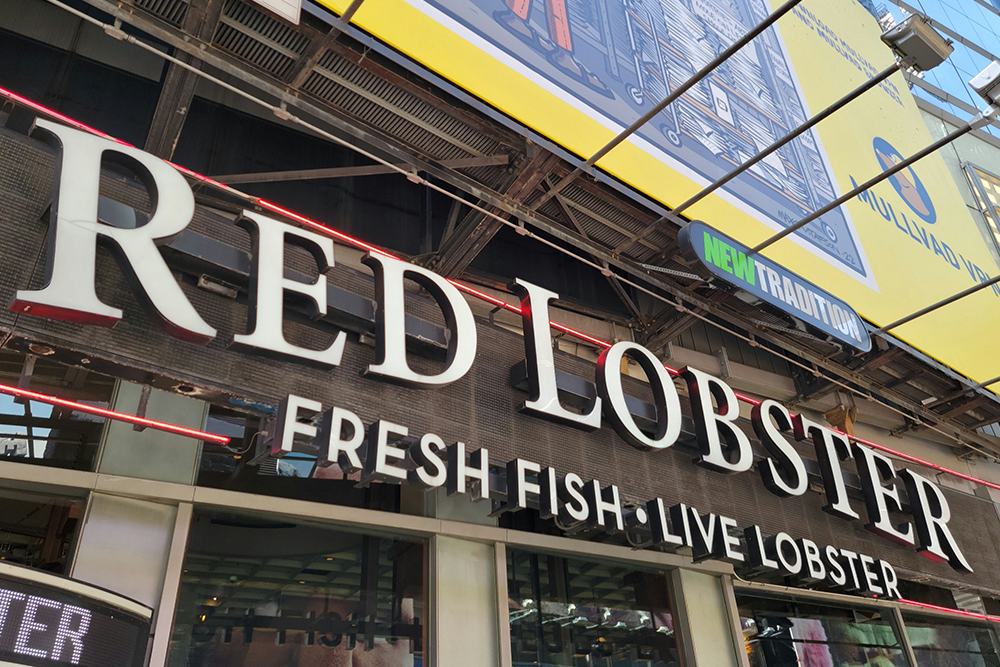
Notable establishments that have recently revealed plans to shutter include Atla, a popular Mexican restaurant; Libertine, known for its inventive cocktails and cuisine; and Loring Place, a farm-to-table favorite. Beyond these, long-standing pillars of the dining scene such as Tom Colicchio’s Craft and the Upper East Side’s Donohue’s are also on the list. Perhaps one of the most surprising announcements is the impending closure of the iconic Red Lobster in Times Square, a location that has served countless diners in one of the world’s busiest tourist hubs.
The reasons behind this widespread closure phenomenon are multifaceted, though a common thread of escalating operational costs appears to be the primary driver. Chef and owner Dan Kluger of Loring Place articulated the challenges faced by many restaurateurs in a recent interview with Grub Street. He highlighted a staggering 35 percent increase in Con Edison (utility) bills since the pre-COVID era. Compounding this, insurance premiums have nearly doubled, significantly impacting overheads.
These increased operational costs often necessitate menu price adjustments. However, for many establishments, especially those operating on thin margins, the ability to absorb these rising expenses or pass them on to consumers without alienating their customer base has become increasingly difficult. The current economic climate, marked by inflation and shifting consumer spending habits, exacerbates these challenges.
The implications of these closures extend beyond the loss of dining venues. They represent a loss of jobs for culinary professionals, a reduction in the city’s cultural richness, and a blow to the neighborhood economies that rely on these establishments. The resilience of New York City’s restaurant industry has been tested repeatedly, and this current wave of closures underscores the precarious balance required to thrive in one of the world’s most competitive markets. Industry analysts suggest that a combination of government support, innovative business models, and a renewed focus on customer value will be crucial for the survival and resurgence of many eateries. The ongoing dialogue about rent control, labor costs, and utility pricing is becoming increasingly critical for the long-term health of the sector.

St. Vincent Medical Center: An Artistic Sanctuary of Healing
In a contrasting narrative of transformation and renewal, the St. Vincent Medical Center in Los Angeles has been repurposed into an extraordinary exhibition space, demonstrating the profound connection between art and healing. The previously vacant hospital, slated for conversion into a full-service campus by 2028, is currently hosting "Hospital of Emotions," an immersive art installation featuring the work of 70 artists.
This unique exhibition, running until July 31st, invites visitors to explore the evocative power of art within the very walls that once served the sick and vulnerable. Spanning an impressive 80 rooms, the installation delves into themes of communal healing, introspection, and hope. The artists have transformed the hospital’s spaces into diverse artistic landscapes, showcasing a wide array of mediums and styles.
Visitors can experience the vibrant, explosive floral installations by Lisa Waud, which bring life and color to the sterile hospital environment. Greg Corbino’s contribution, a meticulously crafted cardboard forest, offers a surreal and contemplative experience. Other artists have created works that engage with the history of the hospital, the concept of well-being, and the collective human experience of vulnerability and recovery.
The opening weekend of "Hospital of Emotions" saw an overwhelming response, with nearly 10,000 Angelenos attending to support this innovative project. The turnout signifies a strong community desire to engage with art in unconventional spaces and to acknowledge the historical significance of the St. Vincent Medical Center. The exhibition not only offers a unique cultural experience but also serves as a poignant reminder of the ongoing need for healing and community support.
The transformation of an abandoned hospital into an art installation highlights the potential for repurposing underutilized urban spaces. This initiative offers a novel approach to art exhibition, providing a powerful backdrop that amplifies the emotional resonance of the artworks. For the city, it represents a moment of cultural engagement and a step towards realizing the future potential of the St. Vincent Medical Center campus as a vital community resource. The success of this exhibition could pave the way for similar creative reuses of historic buildings, fostering a deeper connection between art, community, and urban development.
The 2026 Gold Key Awards for Excellence in Hospitality Design: A Call for Submissions
In parallel with these unfolding narratives of cultural and urban development, the design community is being called to showcase its finest work. Boutique Design magazine has officially opened submissions for its 46th annual Gold Key Awards for Excellence in Hospitality Design. This prestigious program is a cornerstone of the hospitality design industry, recognizing outstanding achievements across a global spectrum of projects.
The Gold Key Awards celebrate innovation, creativity, and the transformative power of design in shaping the guest experience. Entries are accepted across 24 distinct categories, encompassing a wide range of hospitality sectors, from cutting-edge hotels and immersive entertainment venues to innovative residential concepts and groundbreaking sustainable design initiatives. This year’s categories include, but are not limited to, Design at Sea, Next-Gen Housing, Boutique Hotels, Upscale Hotels, Mid-Range Hotels, Eco Conscious/Socially Conscious Hotels, Restaurants, Lounges, and Spa/Fitness Facilities.
The deadline for submissions is July 31st, providing ample opportunity for designers, architects, and hospitality professionals to present their most compelling projects. The adjudication process is rigorous, with a panel of esteemed industry experts evaluating entries based on criteria such as originality, functionality, aesthetic appeal, and overall impact.
The culmination of the awards program will be the highly anticipated Gold Key Awards gala, scheduled for Monday, November 9th, at the iconic Cipriani 42nd Street in New York City. This celebratory event brings together leading figures in the hospitality and design world to honor the year’s most exceptional achievements and to foster networking and collaboration within the industry. The gala serves as a platform to not only recognize excellence but also to inspire future endeavors in hospitality design.
Past winners, such as Populus Denver, recognized in the Eco Conscious/Socially Conscious Hotel category in 2025, exemplify the caliber of design celebrated by the Gold Key Awards. Submitting to these awards offers designers a significant opportunity for industry recognition, peer acknowledgment, and enhanced professional visibility. It is a chance to contribute to the ongoing conversation about the future of hospitality design and to set new benchmarks for the industry. The awards play a vital role in elevating the standards of design and in shaping the environments where people live, work, and play.


 Anjar Salim
 Dwi Wanna
 Budi Mulyono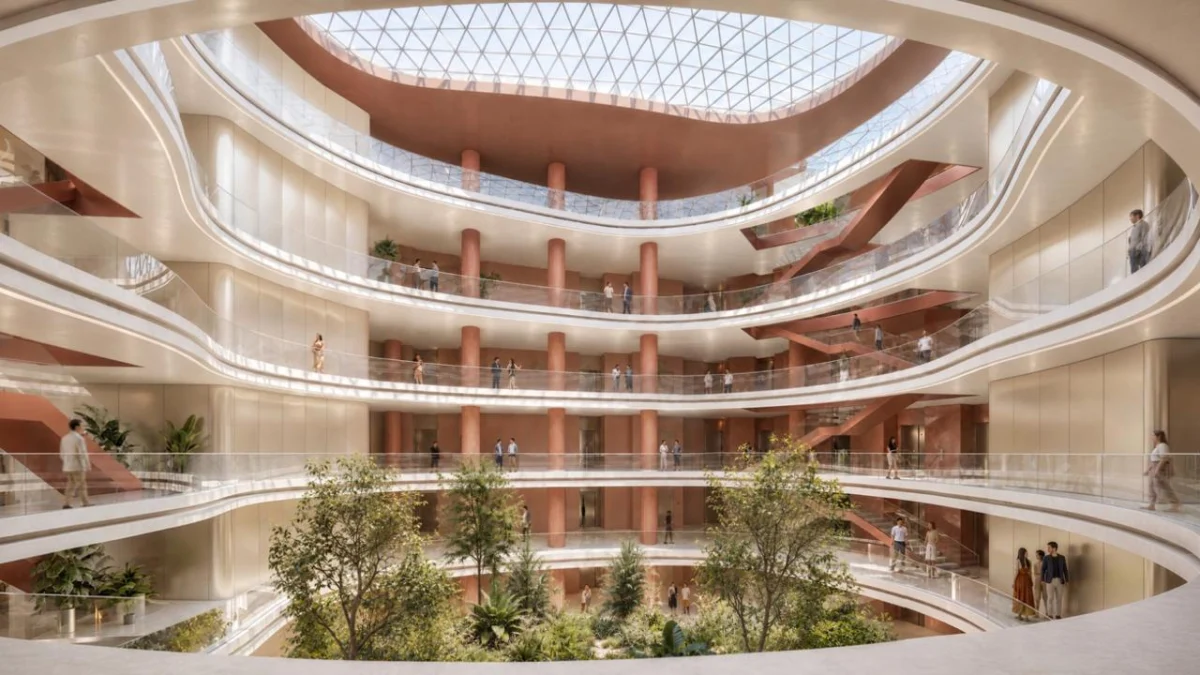
 Lukman Taruna Persada Ramadan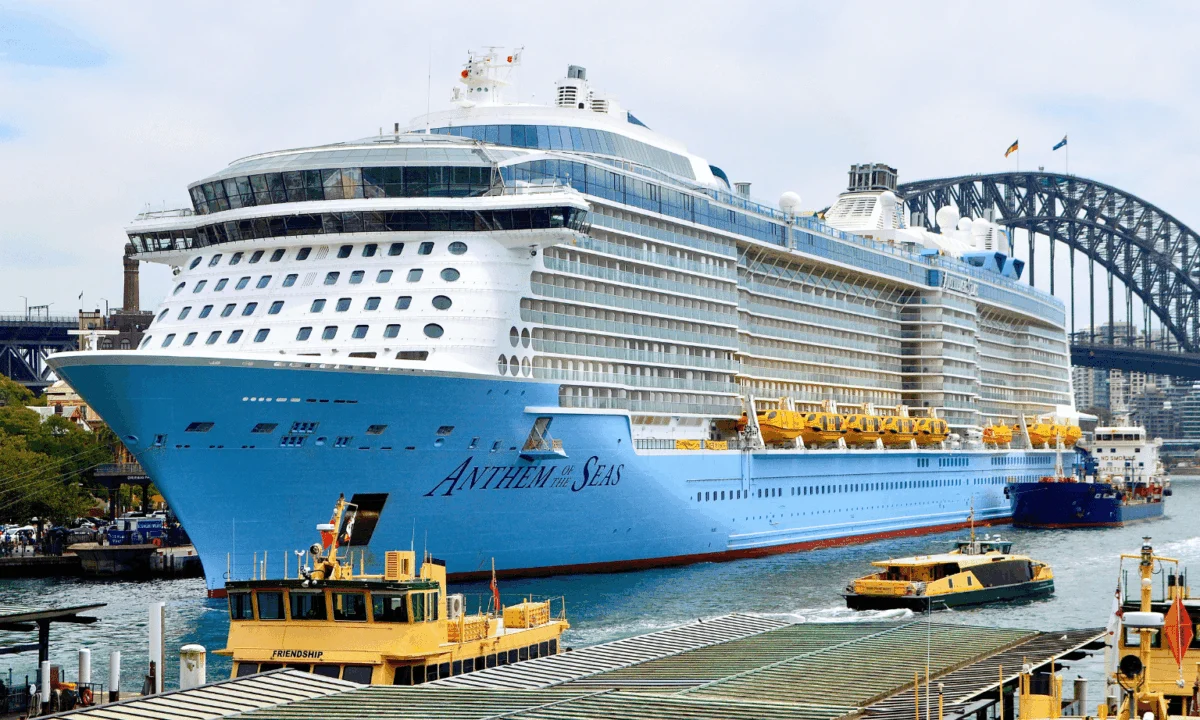
 Chandra Hamzah
 Gabriela Annisa