Tatiana Tantri Indah Sari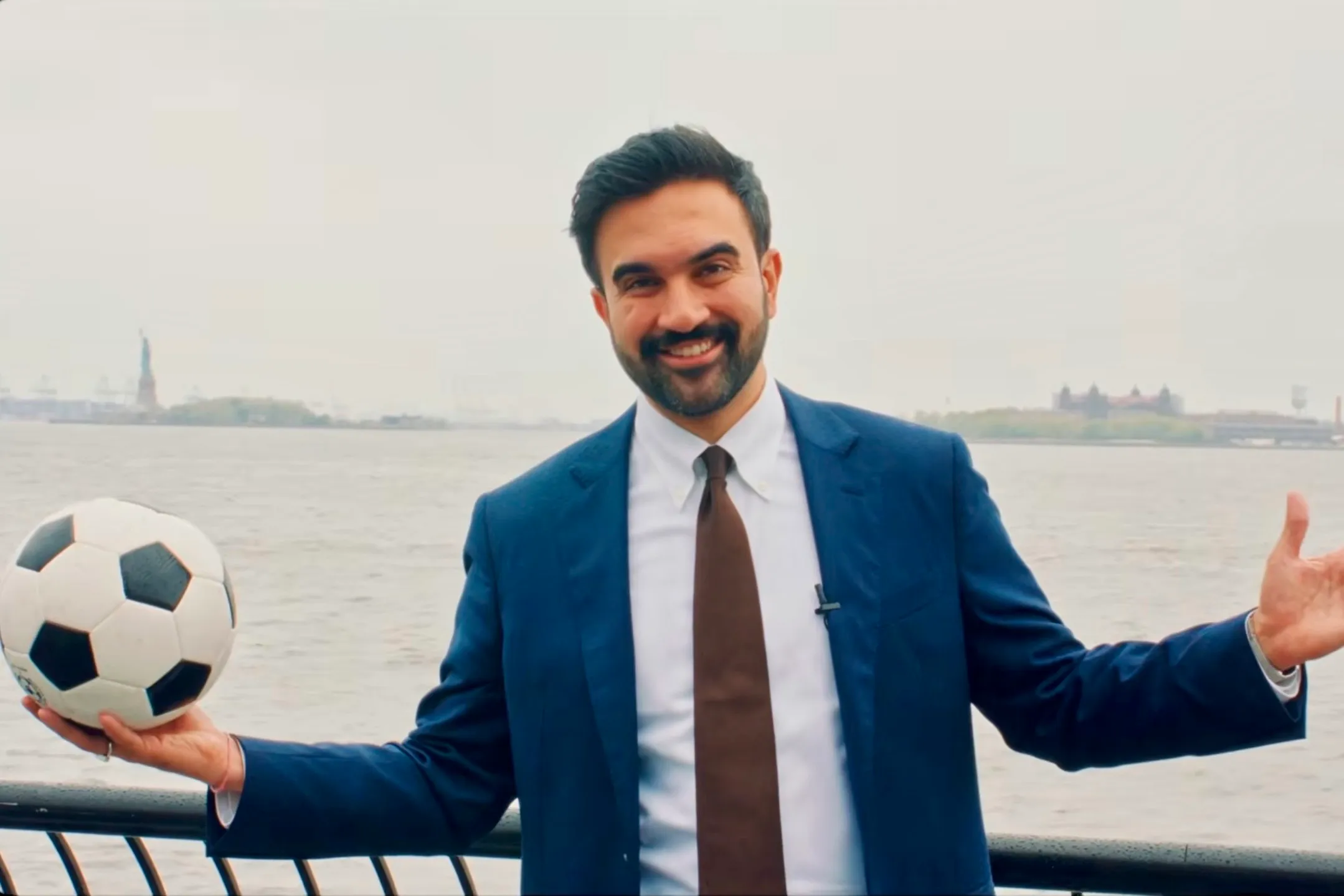
For American destination marketers, the upcoming FIFA World Cup represents a critical juncture, a chance to not only reverse a protracted slide in international visits but also to emphatically broadcast a message of openness and hospitality. The campaigns currently underway across major U.S. cities uniformly echo a singular, powerful word: "welcome." This concerted effort comes as international tourism boards leverage the tournament to inspire travel, particularly for smaller nations making their World Cup debut, while for U.S. marketers, it offers a crucial opportunity to bolster traveler confidence, which has been significantly eroded by a complex interplay of evolving immigration policies, stringent entry requirements, and often contentious political rhetoric that contributed to a marked slowdown in inbound travel over recent years.
The Strategic Imperative: Rebuilding Trust and Enthusiasm
The U.S. travel industry, a cornerstone of the national economy, has faced formidable headwinds. While domestic travel has largely rebounded from the depths of the pandemic, international inbound travel continues to lag, presenting a persistent challenge for destinations reliant on global visitors. The World Cup, particularly the 2026 edition which the U.S. will co-host with Canada and Mexico, provides an unparalleled platform to re-engage with the world. Marketing videos are meticulously crafted to convey a clear message: host cities are not just prepared, but eager, to embrace soccer fans with open arms and authentic enthusiasm. New York City Mayor Zohran Mamdani, for instance, released a high-profile welcome video earlier this week, directly addressing prospective visitors and underscoring the city’s readiness. Similarly, Meet Boston has launched its expansive "Welcome World" campaign, complete with a dedicated video, while Visit Philadelphia has independently rolled out its "Philly Welcomes the World" initiative, each designed to project an image of warmth and accessibility.
"With everything going on in the world, we sat down at the end of March to strategize how we could cut through the noise and remind the global community of America’s enduring spirit of hospitality," stated a spokesperson for one of the participating destination marketing organizations, emphasizing the deliberate and urgent nature of these outreach efforts. This sentiment encapsulates a broader industry consensus: the time to actively court international travelers is now, leveraging the global spotlight of the World Cup to mend perceptions and stimulate economic recovery.
A Look Back: The Trajectory of U.S. Inbound Tourism
The journey of U.S. inbound tourism over the past decade provides essential context for the current marketing blitz. Pre-pandemic, the United States consistently ranked among the top global destinations for international travelers. In 2019, the country welcomed approximately 79.4 million international visitors, contributing an estimated $239.4 billion to the U.S. economy and supporting millions of jobs. This robust performance was, however, already showing signs of stagnation in the years leading up to 2020, with some analysts pointing to shifts in visa policies and a perceived change in the national welcome as contributing factors.
The onset of the COVID-19 pandemic in early 2020 delivered an unprecedented blow. International arrivals plummeted by an staggering 76% in 2020, dropping to just 19.1 million visitors. While a gradual recovery began in 2021 and continued into 2022, the pace has been slower than many other major travel markets. By the end of 2022, international visits had recovered to approximately 65% of 2019 levels, a significant improvement but still far from a full rebound. Data from the U.S. National Travel and Tourism Office (NTTO) indicates that while Western European and Canadian markets have shown resilience, long-haul travel from Asia and South America has been slower to return, impacted by continued economic uncertainties, lingering travel restrictions in some regions, and the higher cost of international airfare.
Beyond the immediate health crisis, industry leaders and government reports have frequently cited the cumulative effect of certain U.S. immigration policies, evolving entry requirements (such as changes to the Electronic System for Travel Authorization – ESTA, and visa processing delays), and a broader narrative of political rhetoric that, at times, was perceived as unwelcoming or exclusionary by international audiences. These factors, while individually minor, collectively contributed to a perception among potential visitors that the U.S. might be less accessible or less hospitable than competing destinations.
The 2026 FIFA World Cup: An Unprecedented Opportunity
The decision by FIFA to award the 2026 World Cup to the unified bid of the United States, Canada, and Mexico marked a historic moment. This will be the first World Cup hosted across three nations and the largest tournament ever, featuring 48 teams and 104 matches spread across 16 host cities. Of these, 11 are located in the United States: Atlanta, Boston, Dallas, Houston, Kansas City, Los Angeles, Miami, New York/New Jersey, Philadelphia, San Francisco Bay Area, and Seattle.
This scale presents an unparalleled logistical challenge but also an immense opportunity. The World Cup is not merely a sporting event; it is a global cultural phenomenon that transcends borders, languages, and politics. It draws billions of television viewers worldwide and attracts millions of dedicated fans who travel internationally to follow their teams. For the U.S., co-hosting means not just an influx of visitors during the tournament itself, but also sustained media attention leading up to and during the event, offering a prolonged window to showcase American diversity, innovation, and, critically, its hospitality.
Orchestrating a Unified Welcome: Campaigns and Collaborations
The "welcome" campaigns being rolled out by major U.S. cities are a direct response to this opportunity and the lingering challenges. These are not isolated efforts but part of a broader, often coordinated, strategy involving local DMOs, city governments, and potentially national tourism bodies like Brand USA.
- New York City: Mayor Zohran Mamdani’s initiative underscores the city’s commitment to being a global gateway. The video, widely circulated online, features diverse New Yorkers speaking various languages, emphasizing the city’s multicultural fabric and its readiness to host fans from every corner of the globe. The message is clear: New York, a perennial top destination, is open for business and eager to share its vibrant culture.
- Meet Boston’s "Welcome World": Boston, with its rich history and passionate sports culture, has framed its campaign around its unique blend of tradition and modernity. The "Welcome World" video showcases iconic landmarks, diverse neighborhoods, and the city’s thriving arts and culinary scenes, aiming to appeal to a broad spectrum of international travelers beyond just soccer enthusiasts. The campaign also highlights accessibility and the city’s commitment to providing a seamless visitor experience.
- Visit Philadelphia’s "Philly Welcomes the World": Philadelphia’s campaign taps into its revolutionary spirit and its reputation as a city of firsts. By emphasizing its historical significance, vibrant food scene, and robust arts community, Philly aims to position itself as an accessible, authentic American experience. The "Philly Welcomes the World" tagline is a direct nod to its role as a potential host city and its historical tradition of welcoming immigrants and diverse populations.
These local efforts are crucial, but their impact will be amplified by broader national initiatives. Organizations like the U.S. Travel Association and Brand USA are likely working to harmonize these messages, creating a cohesive narrative that the entire nation is ready to embrace global visitors. While the snippet mentions "unrelated" for Philly’s campaign, the overarching theme of welcome suggests a natural alignment, even if not centrally mandated.
Supporting Data and Economic Projections
The economic implications of successfully leveraging the World Cup are substantial. Previous host nations have experienced significant boosts in tourism revenue, job creation, and infrastructure development. For example, the 2014 World Cup in Brazil generated an estimated $13.5 billion in economic activity, and the 2018 tournament in Russia attracted over 3 million foreign visitors, contributing significantly to its tourism sector.
For the 2026 World Cup, economists project billions of dollars in economic impact for the host regions. A study by the Boston Consulting Group estimated that the 2026 World Cup could generate more than $5 billion in short-term economic activity for North America, creating over 40,000 jobs and contributing $1 billion in incremental worker earnings across the three host countries. The U.S. alone could see billions in revenue from direct spending by visitors on accommodation, food, transportation, and entertainment, not to mention the indirect benefits to local businesses and the long-term legacy of enhanced international recognition.
Official Responses and Industry Outlook
Industry leaders are cautiously optimistic about the World Cup’s potential. "This isn’t just about the four weeks of the tournament; it’s about setting a new standard for inbound tourism for the decade to come," remarked a representative from the U.S. Travel Association. "The World Cup offers us a golden opportunity to reset perceptions, showcase our diverse attractions, and prove that America is truly open for business and for friendship."
FIFA officials, while focused on the operational aspects of the tournament, have also expressed enthusiasm for the U.S. as a host. "The U.S. market offers incredible potential for football’s growth," stated a FIFA spokesperson. "The infrastructure, the passion for sports, and the diversity of the cities involved promise a truly spectacular and welcoming World Cup experience for fans worldwide."
This enthusiasm is tempered by the recognition of the challenges ahead. Ensuring seamless travel logistics, robust security measures, and managing the expectations of millions of fans will require unprecedented coordination among federal, state, and local agencies. However, the collective will of the destination marketers, city officials, and the broader tourism industry indicates a strong commitment to overcoming these hurdles.
Broader Impact and Long-Term Implications
The impact of the World Cup extends far beyond immediate economic gains. It is a powerful tool for public diplomacy and cultural exchange. By hosting such a globally significant event, the U.S. can project an image of inclusivity, cultural vibrancy, and global leadership. This "soft power" can help to counter negative narratives, foster goodwill, and strengthen international relationships.
The long-term legacy of the 2026 World Cup could include:
- Sustained Tourism Growth: A successful tournament could establish a foundation for continued growth in international arrivals for years to come, as visitors who experience the U.S. firsthand become advocates and repeat travelers.
- Infrastructure Improvements: Investments in transportation, hospitality, and public spaces made for the World Cup will benefit residents and visitors long after the final whistle.
- Enhanced Global Image: The positive exposure from hosting an event of this magnitude can significantly improve the U.S.’s international brand perception, making it more attractive for tourism, investment, and talent.
- Community Engagement: The World Cup can foster a sense of national pride and unity, bringing diverse communities together in celebration.
In conclusion, the FIFA World Cup represents more than just a series of soccer matches for the United States. It is a strategic inflection point for its tourism industry, a chance to not only recoup lost ground but to redefine its global image as a truly welcoming and accessible destination. The "welcome" campaigns emanating from cities like New York, Boston, and Philadelphia are not mere marketing ploys; they are a sincere and urgent invitation to the world, aimed at forging lasting connections and ensuring that the legacy of 2026 is one of unparalleled hospitality and renewed global engagement.

 Chandra Hamzah
 Gabriela Annisa
 Budi Mulyono
 Anjar Salim