Chandra Hamzah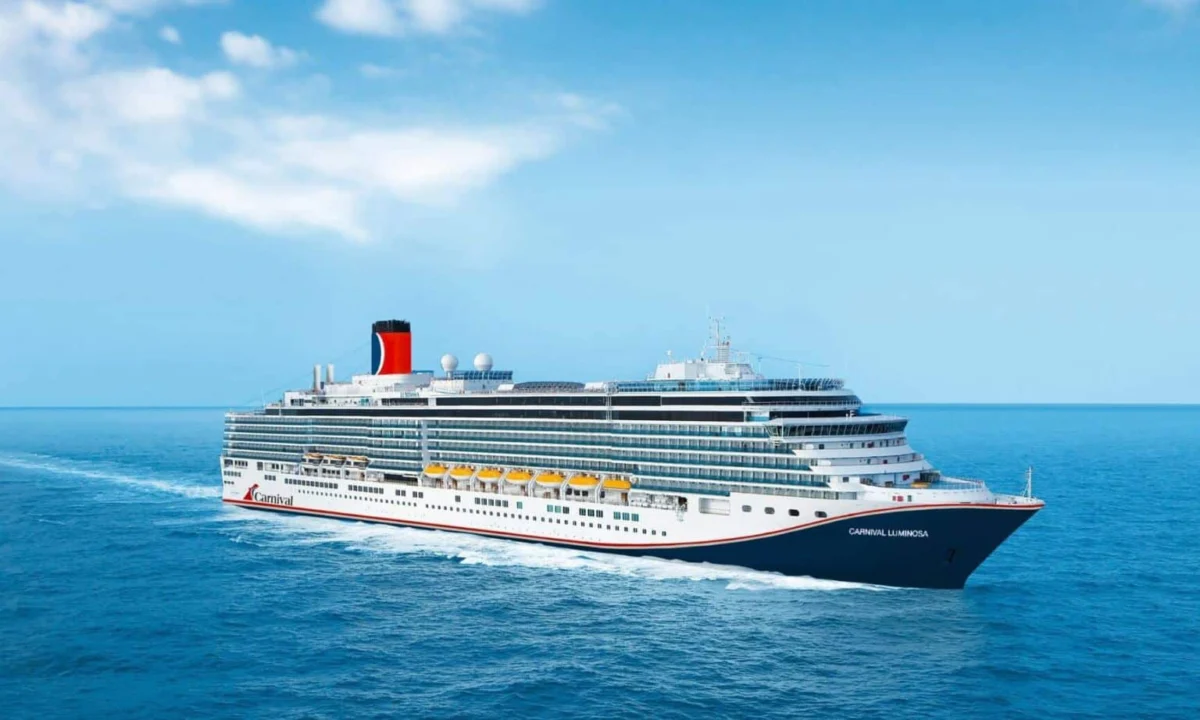
More than 100 days have elapsed since the commencement of escalating geopolitical tensions, often described as a war, involving the United States and Iran, a conflict that has profoundly impacted the travel industry and the habits of Australian travellers. The ripple effects, initially perceived as transient, are now exhibiting characteristics of permanence, forcing a recalibration of how Australians approach their holiday plans. As diplomatic efforts to broker peace continue to be a source of weekend anticipation, experts observe a discernible shift towards greater caution and a pronounced inclination for domestic or regional travel.
The financial ramifications of the extended conflict are starkly evident in the travel sector. The price of jet fuel has reportedly doubled, a significant factor contributing to the substantial increase in airfare costs. This escalation has eroded the spontaneity of travel, compelling Australians to view holiday planning not merely as leisure but as a considerable financial investment. The era of last-minute, affordable getaways appears to be waning, replaced by a more calculated approach to booking.
This heightened sense of uncertainty has not gone unnoticed by major players in the tourism industry. Cruise lines, including industry giants like Norwegian Cruise Line and Carnival Cruise Line, have publicly acknowledged the impact of "heightened geopolitical uncertainty" on booking trends. While specific figures for the Australian market are not always disaggregated, the general sentiment indicates a softening of demand for long-haul international travel, with a noticeable uptick in interest for destinations closer to home. Data from European summer bookings, for instance, reveals a seven per cent decline compared to the previous year, underscoring the broader trend of hesitancy. Airlines, in turn, are grappling with the dual challenge of elevated operational costs and a more risk-averse customer base.
The emergent "new normal" for Australian travellers is characterized by a multi-faceted approach to planning. This includes the proactive consideration of backup flight routes to mitigate the risk of cancellations, a greater emphasis on booking holidays well in advance, and a budget allocation where airfare now constitutes a significantly larger portion of overall holiday expenditure. Furthermore, the diligent checking of travel advisories and alerts has transitioned from an occasional necessity to a routine aspect of holiday preparation.
The Meticulous Planner: Australian Travellers Re-evaluate Priorities
Gladis Mahfoud, founder of Investing in Memories, an independent hybrid travel agency, highlights a significant evolution in the mindset of Australian travellers. "We’ve observed a pronounced increase in travellers seeking reassurance and security in their holiday plans," Mahfoud states. "This translates into a greater focus on flexibility in bookings, comprehensive travel insurance, and a more thorough understanding of airline routing before committing to a reservation."
This heightened awareness is fostering a more precise and deliberate planning process. "Some travellers are booking further in advance to secure preferred itineraries and pricing," Mahfoud explains. "Others are dedicating more time to researching their options before making decisions. We’ve also seen a greater reliance on expert advice to navigate an increasingly complex travel environment." The underlying sentiment, Mahfoud emphasizes, is that while the desire to travel remains robust, the decision-making process is now more informed and necessitates greater confidence.
Sharon Summerhayes, owner of Deluxe Travel and Cruise, offers a nuanced perspective, observing a dichotomy in traveller behaviour. "We’re seeing a mixed response," Summerhayes notes. "Some travellers are opting for domestic or nearby regional destinations, while others appear unfazed by the current global climate. Many Australians have become accustomed to navigating uncertainty over the past few years and are choosing to book their desired experiences, with an optimistic outlook."
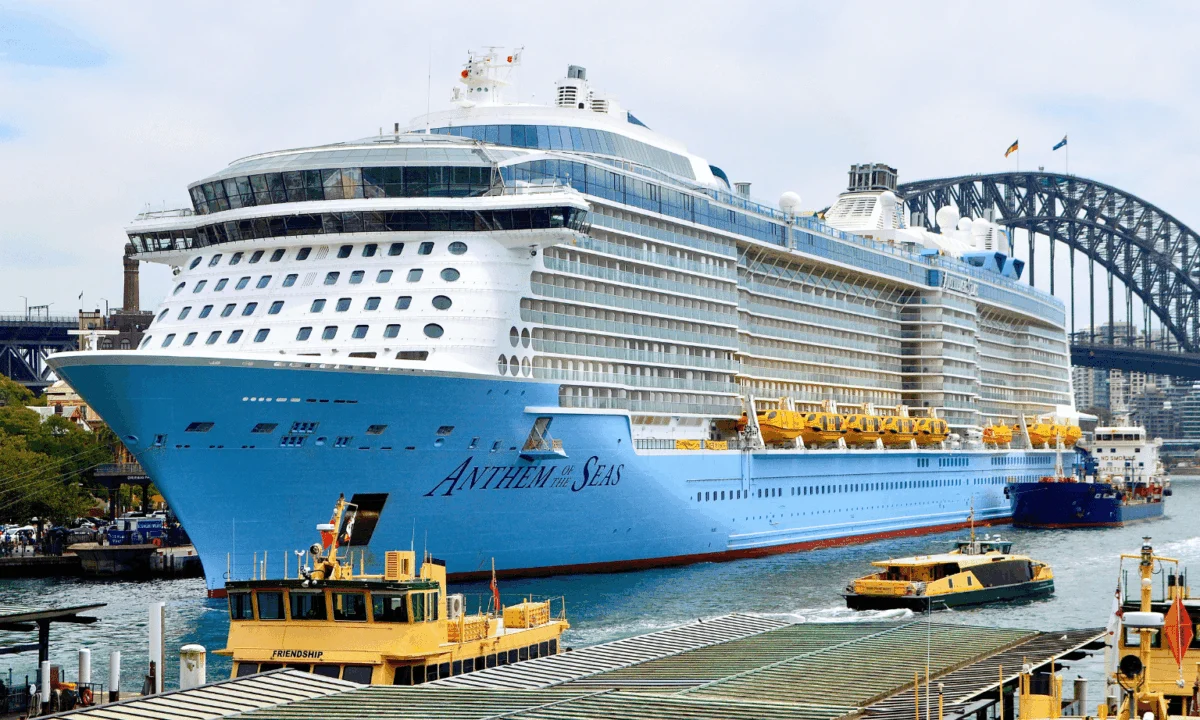
This trend towards domestic and regional travel is reflected in increased interest in destinations such as Asia, the South Pacific, and domestic cruising. Major cruise lines like Royal Caribbean, MSC, Princess, Hapag-Lloyd, and Disney are reportedly experiencing heightened demand in these areas. Concurrently, destinations across the Americas continue to show strong appeal.
Navigating Airspace: Middle Eastern Hubs and Evolving Routes
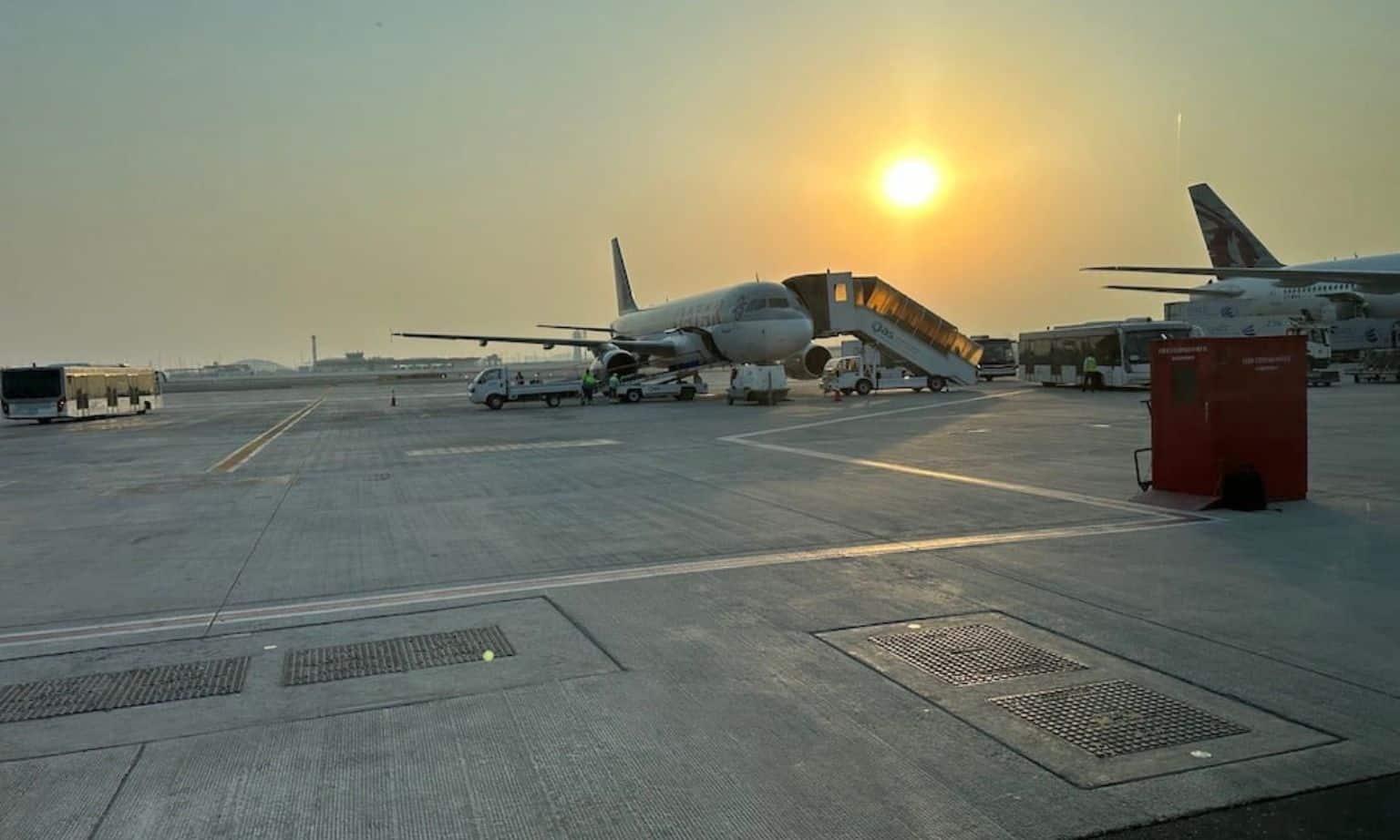
The ongoing conflict has placed a spotlight on travel routes, particularly those traversing the Middle East. Despite persistent "Do Not Travel" advisories issued by some government bodies, the travel industry has been actively advocating for a reclassification of the region, citing improved safety measures and the operational resumption of many airlines. Agents report a bifurcated response from Australian travellers: while a significant number are actively seeking alternative flight paths, many continue to utilize Middle Eastern hubs due to their established connectivity and competitive pricing.
For those opting for alternative routes, this often translates to longer journeys with multiple stopovers. Mahfoud elaborates on this shift: "Many travellers continue to fly through major Middle Eastern hubs because they often provide convenient connections and competitive fares. However, we are also seeing increased interest in alternative routings through Asia, particularly via Singapore, Hong Kong, and China." She further suggests exploring routes via the "Silk Way" through China, noting that extended transit times can, in some instances, become an integral part of the travel experience, with some Chinese airlines offering complimentary transit tours.
Summerhayes corroborates the evolving landscape of flight choices. "There is growing confidence in flying through the Middle East, with airlines consistently adding flights and largely returning to pre-conflict timetables," she observes. "However, a segment of our passengers are opting for Asian carriers out of an abundance of caution." This indicates a dual strategy of assessing risk versus convenience, with a discernible segment prioritizing perceived safety.
The Evolving Traveller Toolkit: Advice for Navigating Uncertainty
In light of these evolving travel dynamics, travel experts are offering guidance to help Australians plan and undertake their journeys with greater confidence. Key recommendations include:
- Prioritizing Flexibility: Opting for booking options that allow for free cancellations or changes, where possible, can mitigate financial losses in the event of unforeseen disruptions.
- Comprehensive Travel Insurance: Ensuring that travel insurance policies offer robust coverage for trip cancellations, interruptions, medical emergencies, and geopolitical events is paramount.
- Diligent Research: Thoroughly investigating destination advisories, airline policies, and the political stability of transit points is crucial for informed decision-making.
- Advance Planning: Booking flights and accommodation well in advance can often secure better pricing and ensure availability, particularly for popular destinations or during peak travel seasons.
- Leveraging Expert Advice: Consulting with experienced travel agents can provide invaluable insights, access to a wider range of options, and support in navigating complex itineraries.
Mahfoud reiterates the enduring appeal of travel: "Travel remains one of life’s most rewarding experiences. While global events can sometimes create uncertainty, most holidays proceed as planned, and with good preparation, travellers can minimize risks and travel with confidence."
Travel Agents: Navigators in Times of Disruption
The current geopolitical climate has placed an unprecedented demand on the expertise and resilience of travel agents. Mahfoud underscores the critical role they play: "Travel advisors have had to remain extremely proactive. In recent years, we’ve become accustomed to monitoring changing travel conditions, airline schedules, and destination requirements, and that continues today."
She references insights from an International Air Transport Association (IATA) webinar, which highlighted the indispensable role of professional travel advisors in assisting both travellers and the industry during periods of uncertainty. This sentiment echoes experiences from previous global disruptions, including the COVID-19 pandemic, the September 11th attacks, and the Gulf War.
"While these situations can create additional work when itineraries need adjusting, they also reinforce the value of working with a trusted travel advisor," Mahfoud explains. "Travel advisors act as advocates for their clients, helping them understand their options, monitor developments, and find solutions when plans need to change."
Summerhayes echoes this sentiment, acknowledging the challenging nature of such disruptions. "Any disruption is difficult, but it’s something we’ve become accustomed to (unfortunately)," she states. "We are glad to be there for our clients, to advise and facilitate changes. To have a real person on the other end of the phone to provide support would be invaluable in uncertain times, and I know my clients are very grateful to have me in their corner." The ongoing commitment and adaptability of travel professionals are proving to be a cornerstone for travellers seeking to maintain their holiday aspirations amidst a dynamic global landscape.



 Gabriela Annisa
 Tatiana Tantri Indah Sari
 Budi Mulyono
 Anjar Salim