Susilo Edi Turonggo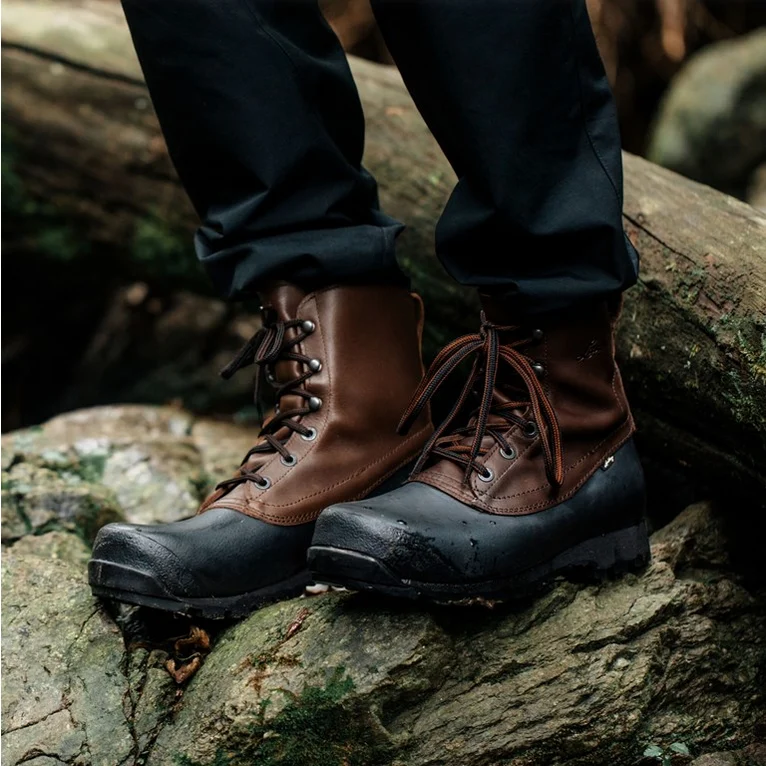
As winter approaches and consumers prepare for snow and slush, the demand for durable, weather-resistant footwear increasingly intersects with a critical environmental and public health concern: the presence of per- and polyfluoroalkyl substances (PFAS). These "forever chemicals," widely used for their water- and stain-repellent properties, have raised alarms among scientists, regulators, and environmental advocates due to their persistence in the environment and documented health risks. The outdoor apparel and footwear industry, a significant historical user of PFAS in Durable Water Repellent (DWR) finishes, is now facing mounting pressure to transition to safer, sustainable alternatives. This shift underscores a broader movement towards holistic sustainability in product design, encompassing material safety, ethical production, and product longevity.
The Pervasive Threat of "Forever Chemicals" in Outdoor Gear
Per- and polyfluoroalkyl substances (PFAS) represent a vast family of synthetic chemicals, numbering in the thousands, which have been manufactured and used globally since the 1940s. Their unique chemical structure, characterized by extremely strong carbon-fluorine bonds, grants them exceptional resistance to water, oil, heat, and chemical degradation. These properties made them highly attractive for a wide array of industrial and consumer applications, including non-stick cookware, firefighting foams, food packaging, and crucially, in textiles and footwear for imparting water and stain repellency. In the context of outdoor gear, PFAS have historically been the backbone of Durable Water Repellent (DWR) finishes, providing the performance required to keep adventurers dry in challenging conditions without compromising breathability. Winter boots, designed to withstand harsh snow and slush, have been a particularly prevalent application for these waterproofing agents.
The core issue with PFAS lies in their designation as "forever chemicals." Unlike many other compounds, PFAS do not naturally break down in the environment. Once released, whether through manufacturing processes, product use (e.g., flaking off boots), or disposal, they persist indefinitely. This persistence leads to widespread environmental contamination, affecting soil, water bodies, and ultimately, drinking water sources globally. Studies by the U.S. Geological Survey (USGS) have revealed PFAS contamination in tap water across the United States, highlighting the pervasive nature of this issue.
Beyond environmental contamination, PFAS exposure has been linked to a range of adverse human health effects. The Agency for Toxic Substances and Disease Registry (ATSDR) and the Environmental Protection Agency (EPA) have identified associations between PFAS exposure and serious health concerns, including increased cholesterol levels, decreased vaccine response in children, changes in liver enzymes, increased risk of kidney and testicular cancers, decreased fertility, and developmental effects in children. These health risks underscore the urgency for industries to adopt PFAS-free alternatives and for consumers to make informed choices.
The Industry’s Evolution: A Chronology of Change
The awareness and subsequent shift away from PFAS in the outdoor industry has been a gradual but accelerating process. Initial scientific concerns about PFAS toxicity and environmental persistence began to surface in the early 2000s, primarily focusing on long-chain PFAS compounds like PFOA and PFOS. By the mid-2000s, regulatory bodies started implementing restrictions, leading to a voluntary phase-out of these specific long-chain PFAS by major manufacturers. However, many companies transitioned to shorter-chain PFAS, which were initially believed to be safer but have since been found to share similar persistence and toxicity concerns.
A pivotal moment arrived in the 2010s, as environmental advocacy groups intensified campaigns against "forever chemicals," pushing for a complete phase-out of all PFAS. This advocacy, combined with growing consumer demand for more sustainable and safer products, spurred a more comprehensive industry response. Brands like Keen emerged as pioneers, publicly committing to eliminate all PFAS from their products and transparently sharing their journey and technical challenges with the wider industry. This collaborative approach helped accelerate the development and adoption of high-performance PFAS-free DWR technologies.
Today, a significant number of outdoor brands are either fully PFAS-free or are actively working towards this goal, driven by a combination of evolving scientific understanding, consumer pressure, and anticipated regulatory actions. The European Union, for instance, has been at the forefront of proposing broad restrictions on PFAS, signaling a global trend towards tighter controls on these chemicals. This industry-wide transition represents a complex undertaking, requiring significant investment in research and development to identify and scale alternatives that can match the performance standards previously set by PFAS.
Establishing Criteria for Truly Sustainable Winter Boots
For consumers seeking winter boots that are both functional and environmentally responsible, navigating the market requires a comprehensive understanding of sustainability criteria that extend beyond merely being PFAS-free. A truly sustainable pair of winter boots embodies a commitment to material safety, ethical production, and product longevity.
-
Safe & Sustainable Materials:
- PFAS-Free Assurance: The primary criterion remains the explicit absence of PFAS, PFCs, or other fluorinated chemicals in waterproofing finishes. Brands must clearly state this on their product descriptions or sustainability reports.
- Leather Working Group (LWG) Certification: For boots utilizing natural leather, LWG certification is crucial. The LWG is a multi-stakeholder group that assesses the environmental performance of tanneries. Certification ensures that leather is sourced and processed in a way that minimizes environmental impact, addressing key areas such as water usage, chemical management (including avoiding hazardous substances), energy consumption, and waste management. This mitigates the environmental footprint often associated with conventional leather production.
- Recycled Materials Certifications (GRS): The Global Recycled Standard (GRS) is a product standard that verifies recycled content, tracks it through the supply chain, and addresses social, environmental, and chemical practices. For boots incorporating recycled polyester, rubber, or other materials, GRS certification provides assurance that these materials are genuinely recycled and processed responsibly.
- Bluesign® Certification and Restricted Substances Lists (RSLs): Bluesign® is a holistic system that provides solutions for sustainable textile production. It ensures that products are made with responsible use of resources, minimal impact on people and the environment, and maximum consumer safety. Brands adhering to bluesign® standards or maintaining stringent RSLs demonstrate a serious commitment to comprehensive chemical management, ensuring that hazardous chemicals are eliminated from their supply chain at every stage.
- Bio-based and Innovative Vegan Materials: While some "vegan leathers" are still largely plastic-based, the industry is seeing growth in innovative bio-based alternatives derived from corn, mushrooms, or pineapple leaves. Consumers should investigate the composition of vegan materials to understand their environmental footprint.
-
Transparent Supply Chain & Ethical Production:
- Fair Wear Foundation (FWF) Partnership: The FWF is an independent, non-profit organization that works with brands and factories to improve labor conditions in the garment industry. Brands that partner with FWF undergo rigorous audits and are committed to upholding a code of labor practices, ensuring fair wages, safe working conditions, and respect for workers’ rights.
- Factory Disclosure and Audits: Brands that openly share their factory locations and conduct regular, independent audits of their Tier 1 (final assembly) and Tier 2 (component suppliers) manufacturers demonstrate a commitment to ethical oversight. This transparency allows for accountability and helps ensure that labor and environmental standards are met throughout the production process.
- Code of Conduct: A comprehensive code of conduct for suppliers, outlining expectations regarding labor rights, environmental practices, and ethical business conduct, is a foundational element of a responsible supply chain.
-
After-Market Repair & Longevity:
- Design for Durability: Sustainable boots are inherently designed to last for years, reducing the need for frequent replacements and minimizing waste. This includes robust construction, high-quality materials, and timeless design.
- Repair Services and Replacement Parts: Brands dedicated to extending product lifespans often offer in-house repair services, provide replacement parts (e.g., laces, insoles, outsoles), or offer detailed guides and resources for DIY repairs. This commitment to circularity significantly reduces a product’s environmental impact over its lifetime.
- Take-Back Programs and Second-Hand Markets: Some brands facilitate take-back programs for end-of-life products, and the growth of platforms like REI Used Gear provides a vital avenue for extending the life cycle of outdoor equipment, promoting a circular economy model.
Leading the Charge: Brands Embracing PFAS-Free and Holistic Sustainability
Several brands are at the forefront of offering PFAS-free winter boots, integrating this crucial environmental step with broader sustainability commitments.
-
Keen: A trailblazer in the outdoor industry, Keen was among the first major brands to publicly commit to and achieve a complete phase-out of PFAS from its entire product line. Their "Detox the Planet" initiative not only drove their internal innovation but also involved sharing their findings and processes with competitors, fostering an industry-wide shift. Keen’s winter boots feature PFAS-free DWR and often utilize LWG-certified leather. The brand’s commitment extends to its manufacturing, with at least one in three pairs made in its own factories, allowing for greater control over labor and environmental standards. Regular audits of Tier 1 and 2 suppliers ensure adherence to their robust code of conduct, making them a benchmark for responsible footwear production.
-
Jack Wolfskin: This German outdoor brand is recognized for its comprehensive PFAS-free approach across its product range. Their winter boots utilize custom Texapore technology, a proprietary membrane system designed to be water and wind-proof without the use of fluorinated chemicals. Texapore’s performance is achieved through alternative polymer structures that repel water while maintaining breathability. Jack Wolfskin maintains exceptional supply chain transparency, listing all its partners, the majority of whom are bluesign-approved or operate under strict hazardous substance restrictions. The brand further reinforces its ethical commitments through regular independent inspections to ensure safe and fair working conditions across its manufacturing network.
-
Lundhags: A heritage Swedish outdoor brand established in 1932, Lundhags exemplifies durability and repairability. Their leather boots, crafted in Europe with materials sourced from a German tannery, benefit from a shortened supply chain, reducing transportation emissions and allowing for closer oversight of material processing. Lundhags specializes in shell, one-layer, and three-layer boot constructions, all built for longevity. A cornerstone of their sustainability strategy is their after-market repair shop, actively encouraging customers to extend the life of their gear through professional repairs. The brand operates under the Brav code of conduct, ensuring ethical working conditions in its factories.
-
Vaude: Another German brand renowned for its strong environmental ethos, Vaude integrates a PFAS-free recycled polyester membrane into its winter boots, providing robust water and wind protection. Their commitment to local sourcing is evident in their use of leather uppers from a local German tannery, minimizing the environmental impact of material acquisition. Vaude offers impressive supply chain transparency, allowing customers to trace the production origin of each boot via product pages. Furthermore, the brand is a strong advocate for product longevity, providing readily available and affordable replacement parts and comprehensive full-service repair options to ensure boots can be kept in use for many seasons.
-
Forsake: Forsake offers LWG-certified waterproof boots in a variety of stylish designs, blending sneaker comfort with hiking boot functionality. Their commitment to ethical manufacturing is supported by their parent group’s comprehensive code of conduct for all suppliers, backed by regular audits. While the brand is clear about its PFAS-free waterproofing and certified leather, continuous improvement in transparency regarding all component sourcing, such as memory foam insoles, represents an opportunity for even greater sustainability reporting.
-
EcoAlf: As a certified B-Corp, EcoAlf aligns its business practices with stringent social and environmental performance standards. Their vegan PFAS-free boots are a testament to their innovative approach, utilizing GRS-certified recycled polyester and a combination of new and recycled rubber. The brand’s "Because there is no Planet B" philosophy drives its focus on transforming waste into high-quality products. EcoAlf tracks its supply chain meticulously up to Tier 3, a significant step in ensuring responsible sourcing and manufacturing, although comprehensive raw material traceability (Tier 4) remains an ongoing challenge for many brands in the industry.
-
Will’s Vegan Store: This brand specializes in vegan footwear, with production based in Italy and Portugal. Their winter boots feature bio-based leathers and recycled polyester insulation, demonstrating a commitment to animal-free and environmentally conscious materials. Will’s Vegan Store emphasizes traceability throughout its production process to ensure ethical and sustainable practices. While many of their waterproof shoes are PFAS-free, consumers are advised to verify this detail in the product description, as the term "vegan leather" can encompass a spectrum of materials, some of which may still contain a high percentage of petroleum-derived plastics.
-
Poppy Barley: Known for its commitment to ethical production and high-quality craftsmanship, Poppy Barley offers LWG-certified water-resistant ankle and calf-length boots. The brand’s audited factories are strategically located in Europe and Mexico, reflecting a focus on responsible manufacturing regions. As with any multi-product brand, consumers are encouraged to check individual product pages to confirm LWG certification for specific materials, ensuring that their chosen boots meet the highest sustainable sourcing standards.
-
REI Used Gear: Representing a crucial component of the circular economy, REI Used Gear provides a platform for consumers to buy, sell, and trade in pre-owned outdoor equipment, including winter boots. This initiative significantly reduces the environmental impact associated with new production and waste. While REI itself is actively working to eliminate PFAS from its proprietary products, the platform offers items from various brands. Therefore, individuals purchasing used gear should diligently review product details to confirm the PFAS-free status of the specific items, ensuring their commitment to sustainable choices extends to second-hand purchases.
Broader Implications and the Path Forward
The shift towards PFAS-free winter boots is more than just an industry trend; it reflects a fundamental re-evaluation of product design, chemical management, and corporate responsibility. This movement has several broader implications:
- Consumer Empowerment: Informed consumers are driving change, demonstrating that demand for safer, more sustainable products can compel industries to innovate and adapt.
- Innovation in Material Science: The pressure to eliminate PFAS has spurred significant investment in research and development, leading to the creation of new, high-performance DWR alternatives that are both effective and environmentally benign. This innovation extends beyond waterproofing to other sustainable materials.
- Strengthened Regulatory Frameworks: The growing body of scientific evidence and public awareness is likely to lead to stricter regulations on PFAS globally, further solidifying the industry’s transition away from these chemicals.
- Holistic Sustainability: The focus on PFAS-free has broadened the conversation around sustainability to encompass the entire product lifecycle—from raw material sourcing and ethical manufacturing to product durability and end-of-life solutions like repair and recycling.
Ultimately, choosing a pair of sustainable, PFAS-free winter boots is an act of informed consumption that supports environmental health and worker safety. It signals a preference for products that protect not only the wearer from the elements but also the planet from persistent chemical contamination. As the industry continues its journey towards greater sustainability, consumer vigilance and support for pioneering brands will remain essential in shaping a more responsible future for outdoor footwear.




 Anjar Salim
 Chandra Hamzah
 Tatiana Tantri Indah Sari
 Budi Mulyono
 Lukman Taruna Persada Ramadan