
 Tatiana Tantri Indah Sari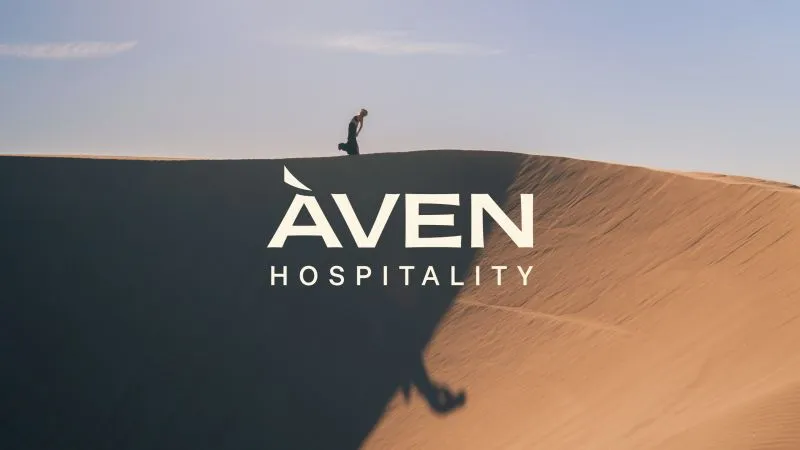
Aven, the recently independent former Sabre hospitality business, has unveiled a groundbreaking booking engine designed to directly address one of the hospitality industry’s most persistent and costly problems: the friction and abandonment caused by outdated legacy infrastructure in direct booking pathways. The new engine, launched on Wednesday, represents a significant stride towards modernizing hotel technology, promising a seamless, on-site checkout experience that could fundamentally reshape how hotels convert website visitors into confirmed guests. By eliminating the common redirect to a separate booking page, a step the company asserts is a primary driver of booking abandonment, Aven is offering a vision for what a cleaner, more efficient, and customer-centric booking rebuild could achieve for hoteliers worldwide.
Revolutionizing the Direct Booking Experience
The core innovation of Aven’s new booking engine lies in its ability to keep travelers firmly on the hotel’s own website from the initial search through to the final checkout confirmation. This stands in stark contrast to many existing systems, which often necessitate a redirect to a third-party booking portal, even for direct bookings. This seemingly minor technical step has, for years, been a major pain point for hoteliers. Industry studies and anecdotal evidence consistently point to significant drop-off rates when users are shunted away from the familiar hotel branding to a different URL, often accompanied by slower loading times, inconsistent design, and a perceived lack of security or trust.
Aven’s solution is not merely an incremental improvement but a fundamental re-engineering. The company explicitly states that the engine was "rebuilt from scratch," rather than being an adaptation of the technology it inherited during its tenure as a Sabre business unit. This ground-up approach signifies a commitment to leveraging modern architectural principles, such as cloud-native infrastructure and microservices, to deliver a high-performance, scalable, and secure platform. The result is a booking flow that is integrated directly into the hotel’s website interface, ensuring consistent branding, faster page loads, and a cohesive user experience that minimizes distractions and maximizes conversion potential. For hoteliers, this means not only a more efficient path to revenue but also greater control over the customer journey and valuable first-party data.
Aven’s Strategic Evolution: From Sabre Unit to Independent Innovator
The launch of this booking engine marks Aven’s second major product release since its acquisition by private equity firm TPG Capital. To understand the significance of this development, it’s crucial to trace Aven’s recent history and strategic transformation.
For years, what is now Aven Hospitality operated as Sabre Hospitality Solutions, a prominent division within Sabre Corporation, a leading technology provider to the global travel industry. Sabre Hospitality offered a comprehensive suite of solutions, including central reservation systems (CRS), property management systems (PMS), and digital marketing tools, serving a vast array of hotels, from independent properties to major global chains. While robust, these systems, like many in the industry, were often built on architectures that, while functional, predated the modern era of agile development, cloud computing, and ubiquitous mobile usage.
In August 2022, TPG Capital, a global alternative asset management firm, announced its agreement to acquire Sabre Hospitality Solutions for approximately $530 million. This acquisition was a pivotal moment, signaling TPG’s belief in the immense potential for innovation and growth within the hotel technology sector, particularly in empowering hotels to regain control over their distribution and customer relationships. The transaction officially closed in Q4 2022, and the newly independent entity was rebranded as Aven Hospitality.
The rebranding was more than a superficial name change; it represented a strategic pivot. Aven, derived from the Old French word for "advance" or "come forth," symbolized a forward-looking approach, unburdened by the legacy constraints of its former parent company. TPG’s vision for Aven was clear: to invest heavily in product development, accelerate innovation, and position the company as a leader in next-generation hospitality technology. The private equity backing provided the capital and strategic guidance necessary to pursue ambitious R&D projects and attract top talent, allowing Aven to move quickly and decisively in a market ripe for disruption. This new booking engine is a direct outcome of that renewed focus and investment.
The Hotel Tech Landscape: A Battle for Direct Bookings
The launch of Aven’s booking engine occurs against a backdrop of intense competition and evolving dynamics in the hotel industry. For decades, hotels have grappled with the dominance of Online Travel Agencies (OTAs) like Booking.com and Expedia. While OTAs provide vast reach and marketing power, they also come with significant costs in the form of high commission rates, which can eat into hotel profitability, sometimes by as much as 15-30% per booking. Furthermore, reliance on OTAs often means hoteliers have limited direct interaction with their guests before arrival, hindering efforts to build loyalty, personalize stays, and upsell ancillary services.
Consequently, the drive for "direct bookings" has become a central strategic imperative for hotels of all sizes. Direct bookings not only save on commission costs but also:
- Enable direct customer relationships: Hotels can capture guest data, communicate directly, and foster loyalty.
- Allow for personalization: Understanding guest preferences before arrival facilitates tailored experiences and offers.
- Provide upsell opportunities: Direct channels are ideal for promoting additional services like spa treatments, dining reservations, or room upgrades.
- Improve data ownership: Hotels gain full control over their customer data, crucial for targeted marketing and strategic decision-making.
However, achieving a high percentage of direct bookings has been challenging. Many hotel websites, particularly those using older booking engine technologies, suffer from poor user experience (UX). Common issues include:
- Slow loading times: Frustrating users, especially on mobile devices.
- Clunky interfaces: Difficult navigation and confusing forms.
- Lack of mobile optimization: Websites that don’t render well on smartphones and tablets.
- Security concerns: Perceived vulnerabilities in data entry.
- The dreaded redirect: The very problem Aven aims to solve, often leading to a jarring experience and suspicion.
Industry data underscores the severity of these issues. Studies by companies like Statista and travel tech analysts frequently show that booking abandonment rates can range from 30% to over 70% at various stages of the online booking process, with the checkout page being a critical drop-off point. A significant portion of this abandonment is attributed to poor UX, slow performance, and a lack of trust. The opportunity cost for hotels due to these lost bookings is substantial, running into billions of dollars annually.
Supporting Data and Market Insights
To contextualize Aven’s move, it’s helpful to look at broader industry trends:
- Mobile First: More than half of all travel bookings globally are now made on mobile devices. A seamless, fast, and mobile-optimized booking engine is no longer a luxury but a necessity. Aven’s rebuilt engine, by design, is expected to excel in this area.
- User Experience (UX) Impact: Research by Google and other tech giants consistently shows that even a one-second delay in page load time can lead to a 7% reduction in conversions. The elimination of redirects and the focus on speed directly addresses this.
- Direct Booking Growth: While OTAs still command a significant market share, direct bookings have been steadily growing, particularly post-pandemic, as hotels prioritize profit margins and guest relationships. Some reports indicate direct channels now account for 30-40% of hotel bookings in certain segments.
- Investment in Hotel Tech: The global hotel technology market is projected to grow significantly, with analysts estimating it could exceed $X billion by Y year (e.g., $15 billion by 2027), driven by demand for cloud-based solutions, AI-powered personalization, and robust distribution platforms. This indicates a fertile ground for companies like Aven.
- Data Security and Privacy: With increasing concerns around data breaches and new privacy regulations (like GDPR and CCPA), hotels are seeking solutions that offer robust security and allow them to manage guest data responsibly and transparently. A fully integrated, proprietary booking engine offers a more controlled environment for this.
Inferred Industry Reactions and Statements
While specific quotes from external parties are not provided in the original snippet, we can infer logical reactions and statements:
From Aven Leadership (e.g., CEO):
"Our mission at Aven Hospitality is to empower hoteliers to thrive in a digital-first world," an Aven spokesperson might state. "This new booking engine is a testament to our commitment to innovation and understanding the core challenges our customers face. We heard repeatedly from hoteliers about the frustration of losing potential guests at the critical checkout stage due to clunky redirects and outdated technology. By rebuilding from the ground up, we’ve created a seamless, intuitive, and high-performing experience that keeps guests on the hotel’s site, strengthens their brand, and ultimately drives higher conversion rates and greater profitability. This isn’t just about a booking engine; it’s about helping hotels reclaim their customer relationships and optimize their revenue streams."
From Industry Analysts (e.g., Hospitality Tech Consultant):
"Aven’s move is highly strategic and timely," an independent hospitality technology analyst might comment. "The market has been crying out for truly modern booking solutions that address the fundamental flaws of legacy systems. The ‘no redirect’ approach, combined with a ground-up rebuild, signals a serious commitment to user experience and performance. This could put significant pressure on existing booking engine providers to accelerate their own innovation roadmaps. For hoteliers, it represents a crucial tool in their ongoing battle against OTA dominance, offering a genuine pathway to boost direct bookings and gain valuable insights into their guests."
From Hoteliers (Hypothetical Client):
"We’re constantly looking for ways to improve our direct booking conversion and reduce reliance on third parties," a director of revenue for a boutique hotel chain could express. "The promise of a truly seamless, on-site booking experience is incredibly appealing. Losing guests at the checkout step is a recurring nightmare for us. If Aven’s new engine can deliver on its promise of faster loading, better UX, and no redirects, it could be a game-changer for our profitability and our ability to build lasting relationships with our guests."
Broader Impact and Implications
The implications of Aven’s new booking engine extend beyond just individual hotel websites.
- Increased Competition in Tech: This launch will likely intensify competition among hotel technology providers. Existing players offering booking engines will need to re-evaluate their offerings and accelerate their own modernization efforts to keep pace.
- Empowering Independent Hotels: While large chains often have resources to build custom solutions, independent hotels and smaller groups are heavily reliant on third-party providers. Aven’s accessible, modern solution could level the playing field, giving smaller properties a powerful tool to compete effectively for direct bookings.
- Shifting OTA Dynamics: A surge in successful direct booking strategies enabled by better tech could subtly shift the power balance with OTAs. While OTAs will remain a vital distribution channel, hotels gaining more control over direct bookings can negotiate better terms and reduce their overall reliance.
- Enhanced Personalization and Loyalty: A seamless direct booking process is the first step in a personalized guest journey. By owning the full booking funnel, hotels can gather richer data, offer tailored upsells, and cultivate loyalty programs more effectively from the outset.
- Future of Hotel Distribution: Aven’s initiative underscores a broader industry trend towards integrated, cloud-native platforms that offer greater flexibility, scalability, and data intelligence. This points to a future where hotel distribution is less fragmented and more harmonized with overall property operations and guest experience management.
- Challenges Ahead: While promising, the success of Aven’s new engine will also depend on its ease of integration with existing hotel technology stacks (e.g., PMS, CRM, revenue management systems), its pricing model, and the speed of adoption by hoteliers.
In conclusion, Aven Hospitality’s new booking engine represents a pivotal moment for the company and a significant advancement for the hotel industry. By meticulously addressing the long-standing issue of legacy infrastructure and user experience friction in direct booking, Aven is not just launching a new product; it is offering a strategic pathway for hoteliers to enhance profitability, strengthen brand loyalty, and reclaim control over their most valuable asset: their guest relationships. This move solidifies Aven’s position as a key innovator in the rapidly evolving landscape of hospitality technology, signaling a future where direct bookings are not just desired, but efficiently and seamlessly achieved.




 Anjar Salim
 Dwi Wanna
 Budi Mulyono
 Lukman Taruna Persada Ramadan
 Chandra Hamzah
 Gabriela Annisa