Susilo Edi Turonggo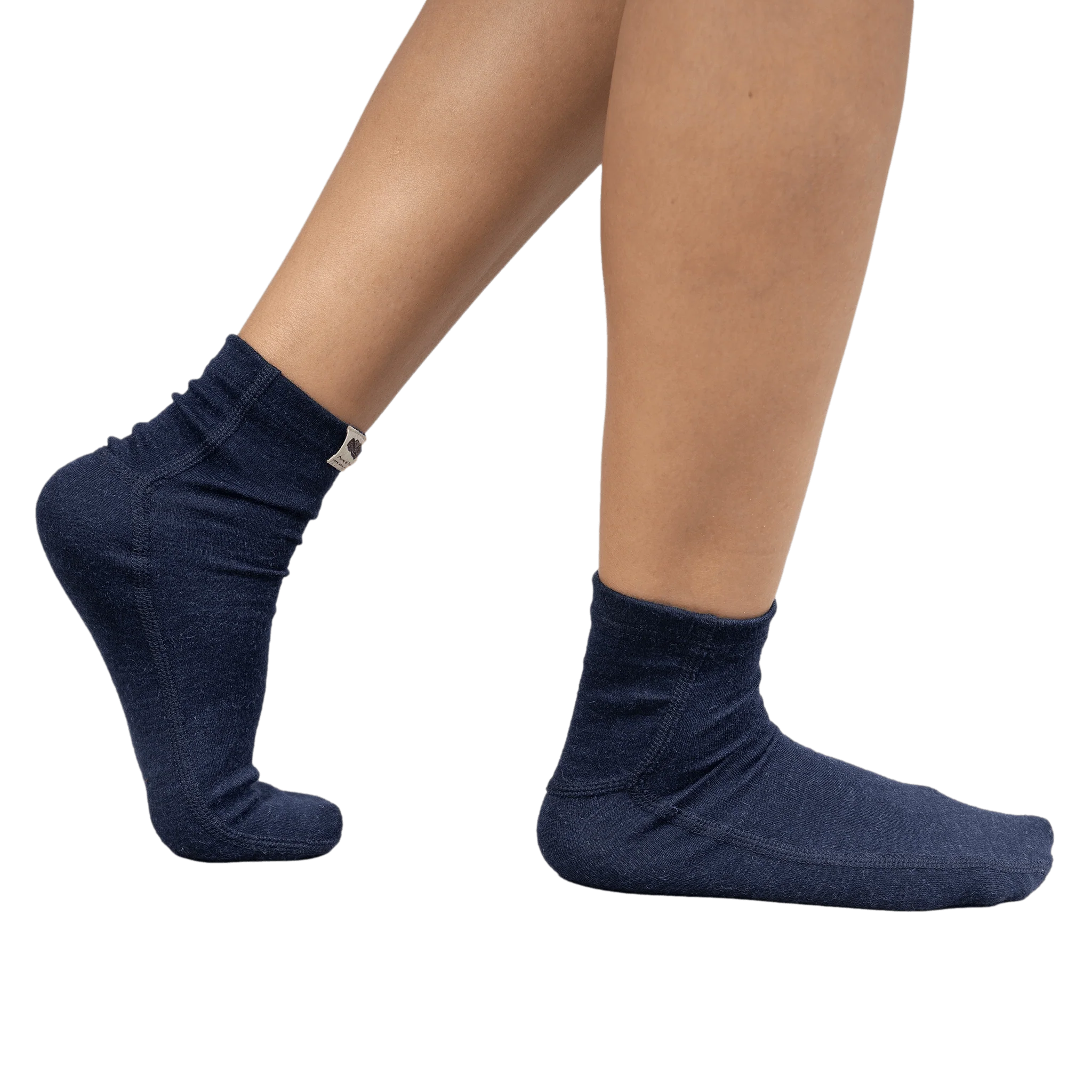
The seemingly innocuous choice of socks, often relegated to the periphery of wardrobe considerations, holds significant implications for personal comfort, skin health, and environmental sustainability. Far from a mere accessory, the composition and manufacturing processes of socks can profoundly impact daily well-being and contribute to broader ecological challenges. A growing awareness among consumers and industry stakeholders is spotlighting the need to transition from conventional synthetic options to those crafted from natural fibers and utilizing skin-safe, environmentally responsible dyes. This shift addresses issues ranging from common skin sensitivities to the hidden environmental footprint of textile production.
The Hidden Hazards of Conventional Socks
For decades, the textile industry has relied heavily on synthetic fibers like polyester and nylon, often lauded for their durability, stretch, and cost-effectiveness. However, these materials come with inherent drawbacks. Many individuals experience discomfort, itching, or even allergic reactions when wearing colorful synthetic socks. This discomfort is often linked to the plastic-based nature of the fibers and the chemical dyes used in their production. Polyester, a ubiquitous synthetic, is frequently colored with azo-benzene disperse dyes. These compounds are recognized as potent skin sensitizers, capable of triggering contact dermatitis, a common allergic reaction characterized by redness, itching, and inflammation. More concerning, scientific research indicates that certain azo dyes can be carcinogenic when absorbed through the skin, a risk amplified in environments where the skin is warm and moist, such as within a sock during physical activity. The presence of sweat facilitates the migration of these chemicals from the fabric to the skin, increasing potential exposure. Beyond immediate health concerns, synthetic materials also trap odors more readily than natural fibers, leading to unpleasant foot conditions.
Furthermore, the environmental impact of synthetic textiles is substantial. The production of polyester, derived from petroleum, is energy-intensive and contributes to greenhouse gas emissions. Crucially, synthetic socks shed microplastic fibers with every wash, which then enter waterways and eventually the global food chain, posing long-term ecological threats. The chemical dyeing processes also generate significant wastewater pollution, often laden with toxic substances that harm aquatic ecosystems and human health in surrounding communities.
The Rise of Conscious Consumerism and Sustainable Alternatives
In response to these concerns, a discernible shift towards conscious consumerism has emerged. Consumers are increasingly scrutinizing the origins and composition of their clothing, demanding transparency and accountability from brands. This demand has spurred innovation within the textile industry, leading to the development and wider availability of non-toxic and sustainable sock options. The focus has moved towards natural fibers, non-toxic dyes, ethical manufacturing practices, and sustainable packaging.
Key Criteria for Non-Toxic and Sustainable Socks
Selecting socks that prioritize both personal health and environmental well-being involves evaluating several critical factors:
-
Natural Materials: The cornerstone of non-toxic socks lies in their material composition. For individuals with sensitivities to synthetics or existing skin conditions, socks made from 100% natural fibers are paramount. While most socks incorporate a small percentage of elastane for stretch and shape retention, brands like Cottonique and Arms of Andes have successfully innovated to offer entirely synthetic-free options. For others, a high percentage of natural fibers with minimal synthetics (ideally less than 20%) is often sufficient to prevent irritation.
- Merino and Alpaca Wool: These natural powerhouses are highly prized for socks due to their inherent properties. They are naturally odor-resistant, moisture-wicking, and possess excellent thermoregulatory capabilities, keeping feet warm in cold conditions and cool in warm ones. The Responsible Wool Standard (RWS) certification ensures that wool is sourced from sheep treated ethically, prohibiting painful practices like mulesing.
- Organic Cotton: A widely recognized natural fiber, organic cotton offers breathability and softness. Its cultivation avoids synthetic pesticides and fertilizers, reducing environmental pollution and farmer exposure to harmful chemicals. Certifications like the Global Organic Textile Standard (GOTS) provide assurance of organic status throughout the supply chain.
- Tencel (Lyocell): A regenerated cellulosic fiber derived from sustainably sourced wood pulp, Tencel is known for its exceptional softness, strength, and moisture-wicking properties. Its closed-loop production process minimizes water and chemical use.
- Linen: Derived from the flax plant, linen is celebrated for its strength, breathability, and natural resistance to bacteria. It is a highly sustainable fiber, requiring minimal water and pesticides.
- Bamboo Viscose: While bamboo itself is a sustainable plant, its processing into viscose can be chemically intensive. However, when produced responsibly, bamboo viscose offers a soft, breathable, and moisture-wicking fabric. Consumers should look for certifications that attest to environmentally sound processing.
- Recycled Blends: For those less sensitive to synthetics, blends containing recycled materials like nylon and polyester can be a more sustainable choice, diverting waste from landfills. However, the majority of the blend should still consist of natural fibers to maximize comfort and breathability and minimize microplastic shedding.
-
Non-Toxic Dyes & Finishes: The dyeing process is a major source of chemical pollution in the textile industry. Non-toxic socks employ safer alternatives. Many brands offer undyed options, celebrating the natural hues of the fibers. For colored socks, certifications such as Oeko-Tex Standard 100 and bluesign guarantee that dyes and finishes are free from harmful substances, including heavy metals, formaldehyde, and allergenic disperse dyes. Brands with a publicly available Restricted Substances List (RSL) demonstrate a proactive approach to chemical management.
-
Traceable & Ethical Supply Chain: Ethical manufacturing ensures fair labor practices, safe working conditions, and living wages for workers throughout the supply chain. Transparency is key; brands that openly share the locations of their manufacturing partners enable consumers to make informed choices. Certifications like Fair Trade, WRAP (Worldwide Responsible Accredited Production), and B Corp (Benefit Corporation) provide independent verification of ethical labor and environmental standards.
-
Sustainable Packaging: The commitment to sustainability extends to packaging. Given the relatively small size of socks, excessive plastic packaging is an unnecessary waste. Brands employing compostable, biodegradable, or recycled and recyclable materials for packaging demonstrate a holistic approach to environmental responsibility. Certifications from the Forest Stewardship Council (FSC) ensure that paper and cardboard packaging are sourced from responsibly managed forests.
Pioneering Brands in Non-Toxic Sock Production
Several brands are leading the charge in offering socks that meet stringent criteria for health, ethics, and environmental responsibility. Their approaches vary, but all share a commitment to providing superior alternatives to conventional options.
1. Harvest & Mill
Harvest & Mill stands out for its dedication to an entirely domestic, dye-free supply chain. Their organic cotton socks are grown, spun, and knit in the U.S., significantly reducing transportation emissions and supporting local agriculture. The brand’s commitment to natural colors means no harmful dyes are used, making their socks exceptionally safe for sensitive skin. A key aspect is their robust waste management, repurposing or recycling all fabric scraps and utilizing compostable packaging. User reviews consistently highlight the coziness, breathability, and non-irritating nature of these dye-free crew-style socks, noting their comfortable fit and lightweight feel despite their thickness. Prices range from $11-$12 for single pairs, with packs available from $33-$66, accessible in most countries.
2. Subset (formerly Knickey)
Brooklyn-based Subset, known for its PFAS-free apparel, extends its commitment to organic cotton socks. The brand boasts Fair Trade and Oeko-Tex certifications, ensuring both ethical labor practices and the absence of harmful chemicals. Their organic cotton is meticulously sourced from an Indian farm, where ginning, spinning, dyeing, and sewing also occur, fostering a localized supply chain. While praised for their suitability with tight-fitting shoes and a "dressier" feel, a common observation is their thinner profile compared to some alternatives. The elastic in the cuff is well-embedded, minimizing skin contact and potential irritation. It is important to note that Subset’s socks contain 24% synthetics. Single pairs are priced at $12 and are available in the U.S., Australia, Canada, and most European countries.
3. Paka
Paka, a certified B Corp, specializes in durable, lightweight socks predominantly made from alpaca wool and Tencel. These socks are celebrated for their moisture-wicking and odor-resistant properties, critical for active wear. The brand collaborates with Peruvian artisans for spinning, ensuring traditional craftsmanship and fair compensation. Oeko-Tex-certified dyes and biodegradable, compostable packaging further underscore their environmental commitment. User experience often highlights their exceptional warmth, making them ideal for cold climates and winter hiking, though some sensitivity to the physical texture of alpaca wool has been noted. Paka’s socks incorporate up to 50% recycled synthetics. Prices range from $20-$24 for single pairs, with bundles from $48-$96, available worldwide.
4. Arms of Andes
Distinguished as one of the few brands offering socks entirely free of synthetics, Arms of Andes crafts 100% alpaca fiber slipper socks. The alpaca wool is sourced from free-range animals, aligning with high animal welfare standards. These Oeko-Tex-certified socks are lightweight yet well-insulated, soft, and effectively wick moisture. The brand’s close collaboration with co-op farmers in the Andes, from sourcing to sewing, exemplifies a deeply ethical and transparent supply chain. Orders are shipped in compostable packaging. Prices are $20-$25 for single pairs, and $65 for packs, available in the U.S., EU, and UK.
5. Cottonique
Cottonique specializes in 100% cotton, allergy-free apparel, making it a crucial option for individuals with severe sensitivities. Their socks are rigorously free of Latex, bleach, and other common irritants, featuring covered seams to prevent rubbing. The brand actively collaborates with dermatologists to validate the safety and hypoallergenic nature of their products. Organic cotton is sourced from India, manufacturing occurs in the Philippines, and compostable packaging is used. Thigh-high single pairs are $16, with packs ranging from $16-$21, available in most countries.
6. Boody
Based in Sydney, Boody offers a versatile range of socks, from relaxed to performance-oriented. They utilize Oeko-Tex-certified organic bamboo viscose from India, complemented by organic cotton and recycled nylon. Boody maintains a strict code of conduct and partners with WRAP-certified facilities in China, Vietnam, and India, ensuring ethical labor practices. Prices range from $9.95-$17.95 for singles, and $54 for bundles, available in the U.S. and Canada.
7. Kotn
Kotn, a certified B Corp, is known for its deep engagement with local Egyptian cotton farmers, establishing direct trade relationships that ensure fair prices. Their socks are made with organic cotton and Oeko-Tex-certified dyes, providing both comfort and peace of mind regarding chemical safety. The brand boasts a fully traceable supply chain and uses recycled and recyclable packaging. User reviews commend the professional appearance and comfortable feel of their socks. Some pairs contain up to 20% synthetics. Single pairs are priced at $10-$18, available in most countries.
8. Quinn
Designed specifically for individuals with eczema, Quinn’s garments emphasize durability and skin-friendliness. Their selection of organic cotton non-toxic socks includes dye-free, lightweight, and mid-weight options. Designed in Canada and ethically produced in Oeko-Tex-certified factories in Portugal and Sri Lanka, Quinn ensures high standards. While their cotton is GOTS-certified, the specific sourcing location remains unclear. Some pairs incorporate up to 20% synthetics. User experience highlights extreme comfort and breathability, with merino wool options offering enhanced warmth and coziness. Prices range from $15 for singles to $75 for packs, available worldwide.
9. Cariloha
Cariloha, a certified B Corp, specializes in hypoallergenic socks made from bamboo viscose and organic cotton. Their Oeko-Tex and Fair Trade certifications reflect a commitment to both environmental and social responsibility. Bamboo is sourced from China, and FSC-certified paper packaging is used. The manufacturing location, however, is not explicitly disclosed. Prices range from $10-$15 for singles, and $30-$45 for bundles, available in the U.S., Australia, and Canada.
10. Dedicated
Dedicated offers Fair Trade organic cotton socks characterized by bold and fun patterns. Their cotton suppliers are WRAP-certified, and supply chain transparency allows consumers to view manufacturing locations directly on product pages. It is important to note that their socks contain up to 25% elastane. Prices range from $9-$59, with worldwide availability.
11. Darn Tough
Manufactured in family-owned mills in Vermont, Darn Tough socks are renowned for their comfort and exceptional durability, backed by a lifetime guarantee. They utilize RWS-certified merino wool in vibrant, colorful styles. The brand employs Oeko-Tex-certified materials and adheres to a strict Restricted Substances List, regularly testing for hazardous substances. Their packaging uses FSC-certified recycled paper, compostable bags, and vegetable-based inks. Darn Tough socks contain up to 50% synthetics. Prices range from $15-$35 for singles, up to $84 for packs, available in the U.S., UK, and EU.
12. Nisolo
Nisolo, a certified B Corp known for its ethical leather shoes, also offers a line of comfortable socks. These are produced in a family-owned mill in North Carolina using upcycled cotton, linen, wool, and recycled polyester. Nisolo is committed to a traceable supply chain and aims to pay living wages across its operations. Packaging is made from recycled materials. It should be noted that their socks contain up to 70% synthetics. Single pairs are priced at $15-$20, available in the U.S., Australia, Canada, and most European countries.
13. Swedish Stockings
Swedish Stockings focuses on knee-highs and ankle socks, offering classic, supportive, colorful, and patterned options. Their products are made in Italy with Oeko-Tex-certified materials, including bamboo viscose, organic cotton, organic wool, recycled polyester, and both virgin and recycled elastane. While offering many sustainable options, some of their socks are fully synthetic. Prices range from $19 for ankle sock bundles, $22-$45 for single knee-highs, and $50-$90 for knee-high bundles, available in most countries.
The Broader Impact: Health, Environment, and Industry Trends
The movement towards non-toxic and sustainable socks represents a micro-level reflection of a larger macro-level shift in the global textile industry. By choosing such products, consumers are not only safeguarding their personal health from potential allergens and carcinogens but are also contributing to a more sustainable future. This includes reducing reliance on fossil fuels, minimizing chemical pollution in water systems, decreasing microplastic contamination, and promoting ethical labor practices.
Industry analysts predict continued growth in the sustainable fashion sector as consumer awareness increases and regulatory pressures for environmental responsibility mount. Brands that proactively adopt transparent, ethical, and eco-friendly practices are likely to gain market share and build stronger consumer loyalty. The innovations seen in the non-toxic sock market, from entirely synthetic-free options to advanced material blends and closed-loop manufacturing, demonstrate the viability and desirability of a more responsible approach to clothing production. As scientific understanding of chemical impacts evolves, and as environmental challenges intensify, the imperative to make informed choices, even for an item as seemingly simple as a sock, becomes increasingly clear.


 Chandra Hamzah
 Gabriela Annisa
 Tatiana Tantri Indah Sari
 Budi Mulyono
 Anjar Salim