
 Chandra Hamzah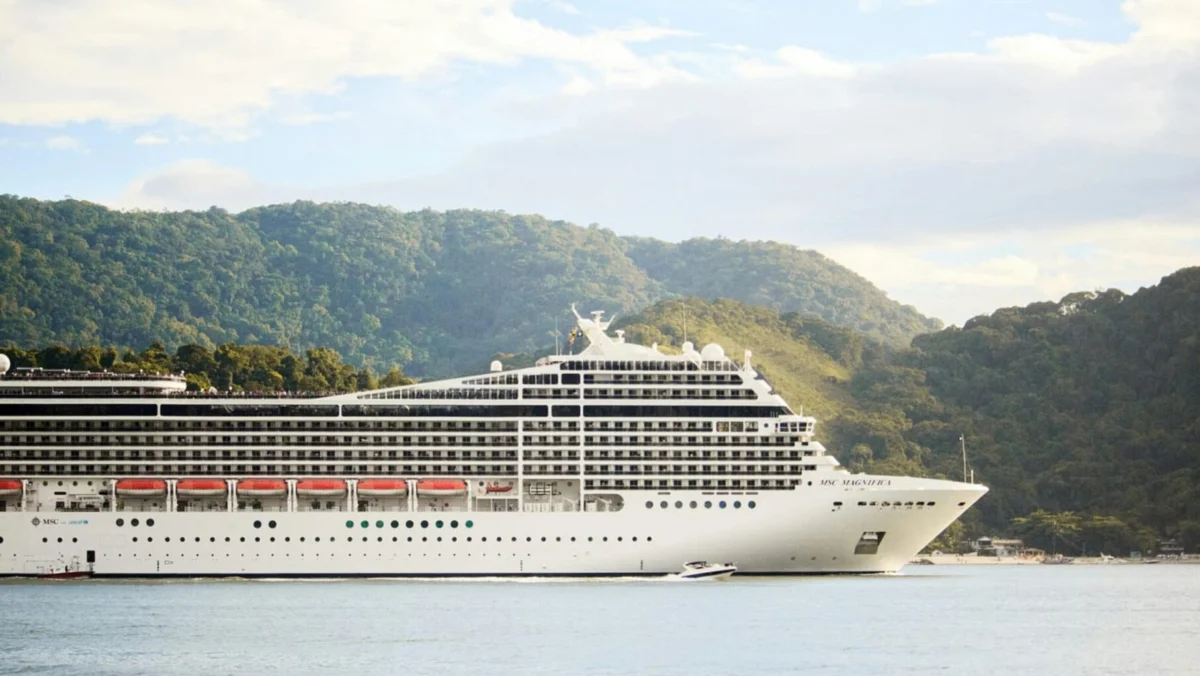
The United States and Iran have reached a preliminary agreement on a peace accord that aims to de-escalate military activities and foster a period of stability. Sources close to the negotiations confirm that the framework for the accord has been agreed upon in principle, with a formal signing ceremony anticipated for Friday. US President Donald Trump has publicly expressed optimism about the deal’s potential, stating, "oil will flow," a comment that has already contributed to a notable dip in global oil prices in anticipation of restored supply lines and reduced geopolitical risk. This development has been met with a palpable sense of relief across various sectors, most notably the travel industry, which has been significantly impacted by regional tensions.
Travel Industry Anticipates Rebound as Peace Prospects Emerge
The global travel industry is cautiously optimistic following the news of a potential peace accord. Graham Turner, CEO of Flight Centre Travel Group, conveyed his expectation of a swift rebound in travel, including routes through the Middle East, in a recent interview with Travel Daily. "The average seasoned traveller is reasonably comfortable already with flying through the Middle East, but obviously there are still people who will be nervous. So, assuming this [peace deal] does hold, I think it will make a major difference over the next few weeks," Turner stated. He further emphasized the critical role Middle Eastern carriers play in connecting Australia to Europe and the UK. "The Middle Eastern carriers are really important to Australia—pre-war they accounted for about 35% of traffic to Europe and the UK—which is a huge number," he added.
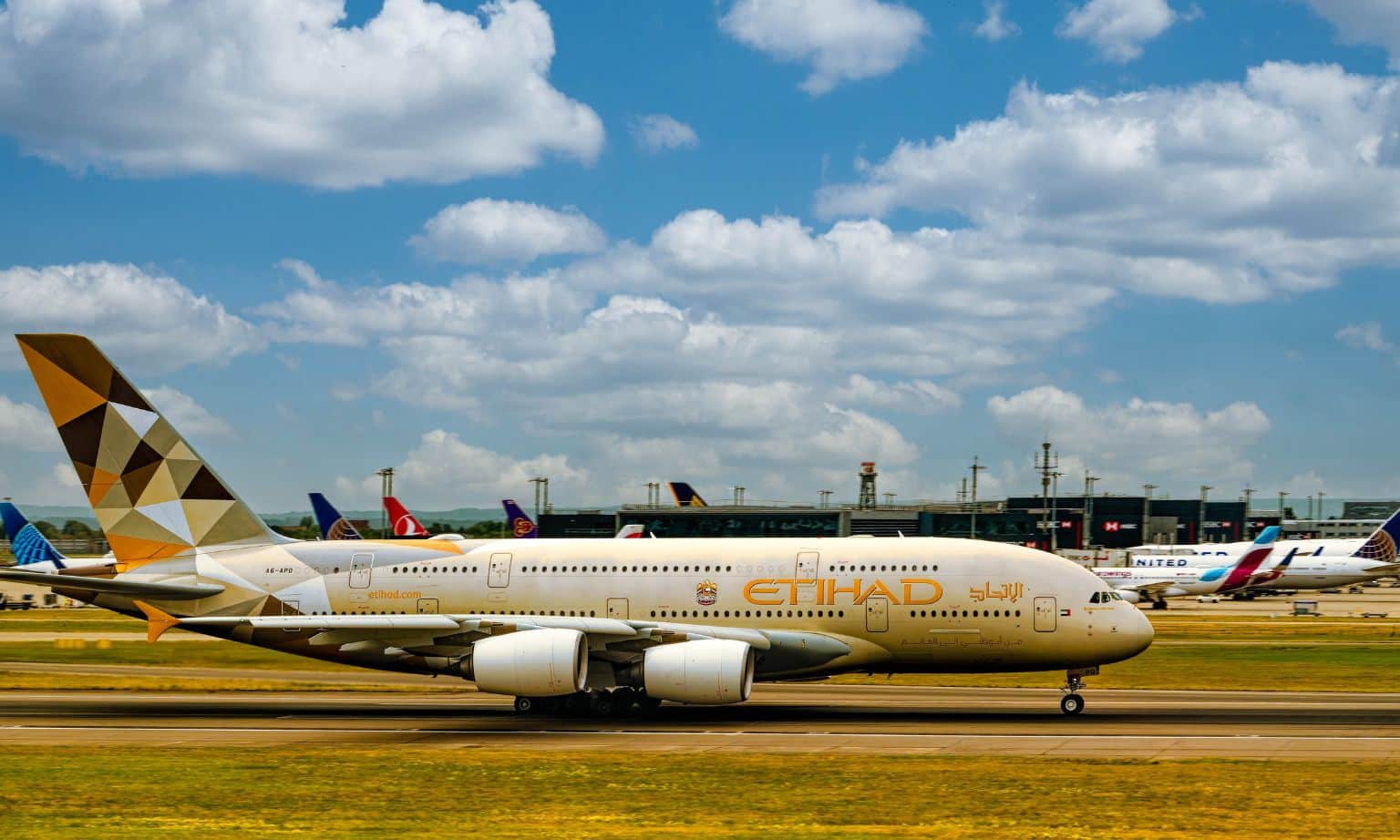
The disruption to air travel through the Middle East had a pronounced effect on Australian travelers. Before the recent escalation of tensions, Emirates, Qatar Airways, and Etihad collectively facilitated approximately 35% of the air traffic between Australia and Europe. Their strategic hubs in Dubai, Doha, and Abu Dhabi offered convenient one-stop connections, making them the preferred choice for many. The closure or rerouting of flights through Gulf airspace significantly diminished this vital travel artery, forcing many to seek alternative, often more costly and time-consuming, routes.
Australian Travelers’ Response: Pragmatism Over Politics
The prevailing sentiment among Australian travelers is largely pragmatic, focusing on the restoration of reliable and affordable travel options. Travel advisors have reported a consistent concern among clients regarding transit through Dubai, Doha, and Abu Dhabi, leading to a noticeable shift towards Asian routings where feasible. Airfare pricing has emerged as a particularly sensitive issue, with many hoping that the de-escalation of conflict will translate into more competitive ticket prices.
Prior to the recent geopolitical challenges, alternative travel paths via hubs such as Singapore, Hong Kong, Tokyo, and North America were utilized. However, these routes were often associated with higher costs and extended journey times. The prospect of a stable peace agreement between the US and Iran has ignited hopes for a downward pressure on Australia-Europe airfares, offering a much-needed respite for budget-conscious travelers.
Despite the positive news, a degree of caution persists in online travel forums and discussions. The Australian government’s Smartraveller service continues to advise caution for travel and transit through certain parts of the region, citing the potential for airports, infrastructure, and airspace to be affected with little notice. This has led many travelers to adopt a "wait and see" approach before fully committing to Middle Eastern routes.
Resumption of Key Air Services and Industry Advocacy
Reflecting the importance of these connections, Melbourne Airport has already highlighted the return and expansion of services by Qatar Airways and Etihad, signaling a swift response from carriers keen to re-establish their routes.
The Australian travel industry, represented by organizations like the Australian Travel Industry Association (ATIA), has been actively advocating for a reassessment of travel advisories. A spokesperson for ATIA emphasized the significance of the reported peace deal, stating, "The reported peace deal between the United States and Iran is great news for Australian travellers, including the many who have faced disruption to cruise and air bookings as a result of the conflict."
The ATIA spokesperson further highlighted the strategic importance of the Strait of Hormuz, a critical shipping and fuel corridor. "The commitment to reopen the Strait of Hormuz is significant. It is a critical shipping and fuel corridor and its closure has had real flow-on effects for cruise itineraries, travel and costs worldwide. Restoring it and fully re-opening the key Middle East Air Corridors are important steps toward stability," they noted.
Crucially, the ATIA is urging the Australian Government to relax or remove its Level 4 SmartTraveller advisory for transit passengers through Middle Eastern hubs. "This development also strengthens ATIA’s ongoing call on the Australian Government to reduce the Level 4 SmartTraveller advisory for transit passengers through Middle Eastern hubs. More than 150,000 Australians transited Dubai, Abu Dhabi, and Doha safely in the past six weeks alone," the spokesperson asserted. They added, "A peace deal between the US and Iran makes the case for a commonsense, proportionate advisory even stronger. We will continue to work constructively with Government to ensure Australia’s travel advice reflects the reality on the ground."
The impact of Smartraveller warnings extends beyond influencing traveler decisions; the highest-level warning, "Do Not Travel," also precludes Australian companies from offering travel insurance for affected destinations. The UAE and Qatar are currently under this Level 4 classification. A downgrading of this advice, particularly for transit-only travel, following the official signing of a peace deal, would significantly boost traveler confidence and encourage a return to Middle Eastern transit routes. While the timeline for such a governmental review remains speculative, the travel industry is expected to press for swift action once the accord is formally ratified.
Economic Ripples: Oil Prices and Airfare Projections
The immediate impact of the peace announcement was felt in global oil markets, with prices experiencing a decline as the perceived risk of supply disruptions eased. President Trump’s "oil will flow" statement underscored this expectation, as a more stable Middle East is intrinsically linked to the consistent flow of oil. This has broader implications for the global economy, potentially leading to lower energy costs for businesses and consumers alike.
The travel industry, however, anticipates a more gradual adjustment in airfares. Flight Centre’s Graham Turner cautioned that a significant drop in prices is unlikely to be immediate. "Fares will not come down overnight; it will take a bit of time for the capacity to really come back and for the confidence of people flying via the Middle East," he explained.
The war’s impact on supply chains and infrastructure has been substantial, and a full return to pre-conflict airfare levels may take considerable time, if it occurs at all. Experts suggest a more probable scenario involves a noticeable, albeit gradual, decrease in fares over the coming months. Middle Eastern airlines are expected to be particularly proactive in offering competitive deals to attract travelers and recoup losses incurred during the period of heightened tension. Many Australians, hesitant due to travel warnings, have already been foregoing Middle Eastern routes, creating an opportunity for carriers to re-engage with this market. Travelers seeking the best deals are advised to remain vigilant, monitor travel advisories closely, and be prepared to act quickly when warnings are lifted, as capacity is likely to be restored rapidly.
Cruise Industry Outlook: Navigating Itinerary Changes and Future Prospects
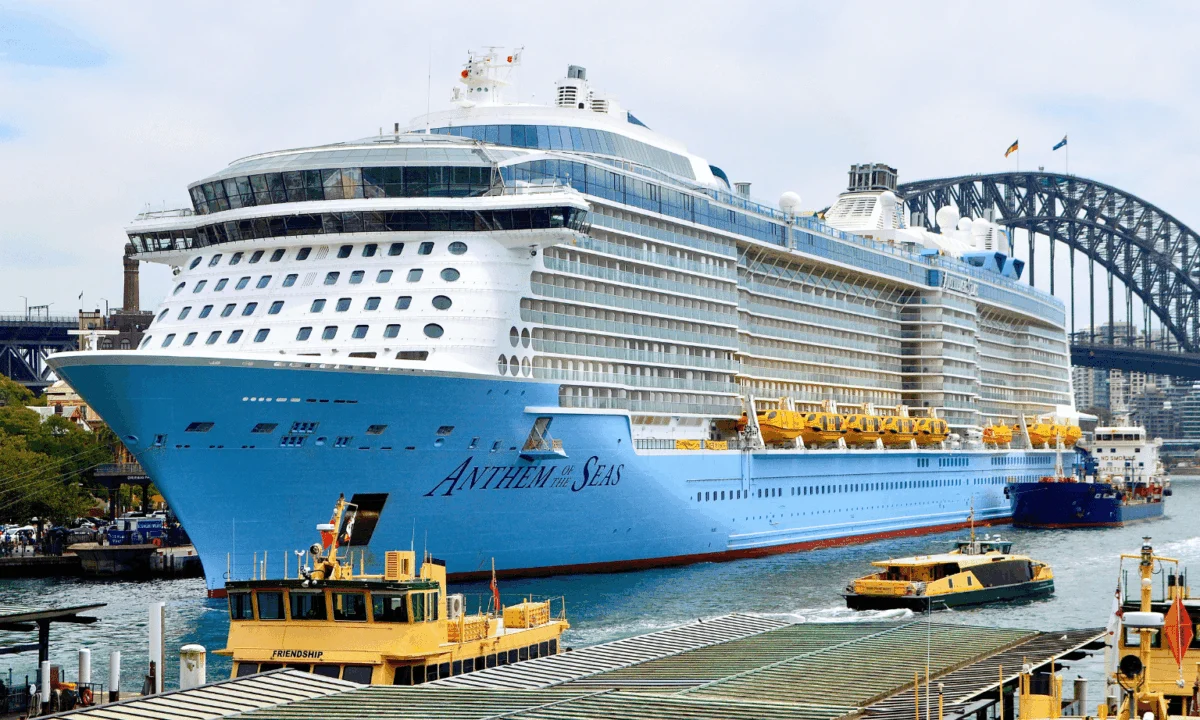
The cruise sector has also felt the repercussions of the regional conflict, with many travelers opting for cruises closer to home due to concerns about transiting through the Middle East. Cruise agents have reported a surge in demand for domestic and regional itineraries.

A peace agreement could present an opportunity for European cruise lines to fill last-minute cabins as travelers reconsider European summer trips. Historically, last-minute European cruises have been a premium option, but the current climate may see cruise lines offering more attractive pricing to ensure ship occupancy. Furthermore, travel agencies such as Flight Centre and TripADeal may collaborate with airlines to offer package deals, combining potentially cheaper Middle Eastern flights with cruise promotions.
Eastern Mediterranean itineraries, including destinations like Greece and Croatia, as well as Northern European routes to Scandinavia, were particularly affected by cancellations. These regions are likely to be prime areas for seeking discounted cruise deals. Savvy travelers might consider booking a cruise deal promptly while simultaneously arranging a flexible, cancellable flight option through Asia as a contingency.
World Cruising and Itinerary Adjustments: A Long-Term Perspective
The conflict necessitated significant adjustments to cruise itineraries, with many voyages rerouting to avoid Middle Eastern ports. This was a direct consequence of the initial escalation of tensions, which left some cruises stranded in the region. Cruise lines generally avoid altering itineraries once passengers have booked and paid for a specific route, as such changes incur additional costs and can lead to customer dissatisfaction. Consequently, it is unlikely that previously altered world cruise itineraries, which bypassed the Middle East, will be reinstated.
However, for cruises scheduled further into the future that have not yet undergone itinerary modifications, the prospect of a stable peace accord could see a return to Middle Eastern ports. Cruise lines will likely reassess their routes based on sustained regional stability and the lifting of travel advisories.
Managing Contingencies: Backup Flights and Booking Flexibility
Many travel advisors have recommended that clients book flexible backup flights to Europe, typically routing through Asia, as a safeguard against potential travel disruptions. For those who have adopted this strategy, the decision to cancel the backup flight hinges on a careful assessment of booking terms and conditions.
Travelers should meticulously review their airline’s cancellation and refund policies, as some offer flexibility only within a specific window before departure (e.g., seven or 14 days), while others allow cancellations right up to the flight date. Holding onto these backup flights for as long as possible, while remaining aware of cancellation deadlines, is advisable. This allows travelers to monitor evolving travel warnings and government advisories before making a final decision. By understanding their policy details and setting calendar reminders, travelers can maximize their options and adapt to changing circumstances, ensuring they are well-positioned to capitalize on the return of more conventional travel routes.



 Anjar Salim
 Dwi Wanna
 Budi Mulyono
 Lukman Taruna Persada Ramadan
 Gabriela Annisa