Tatiana Tantri Indah Sari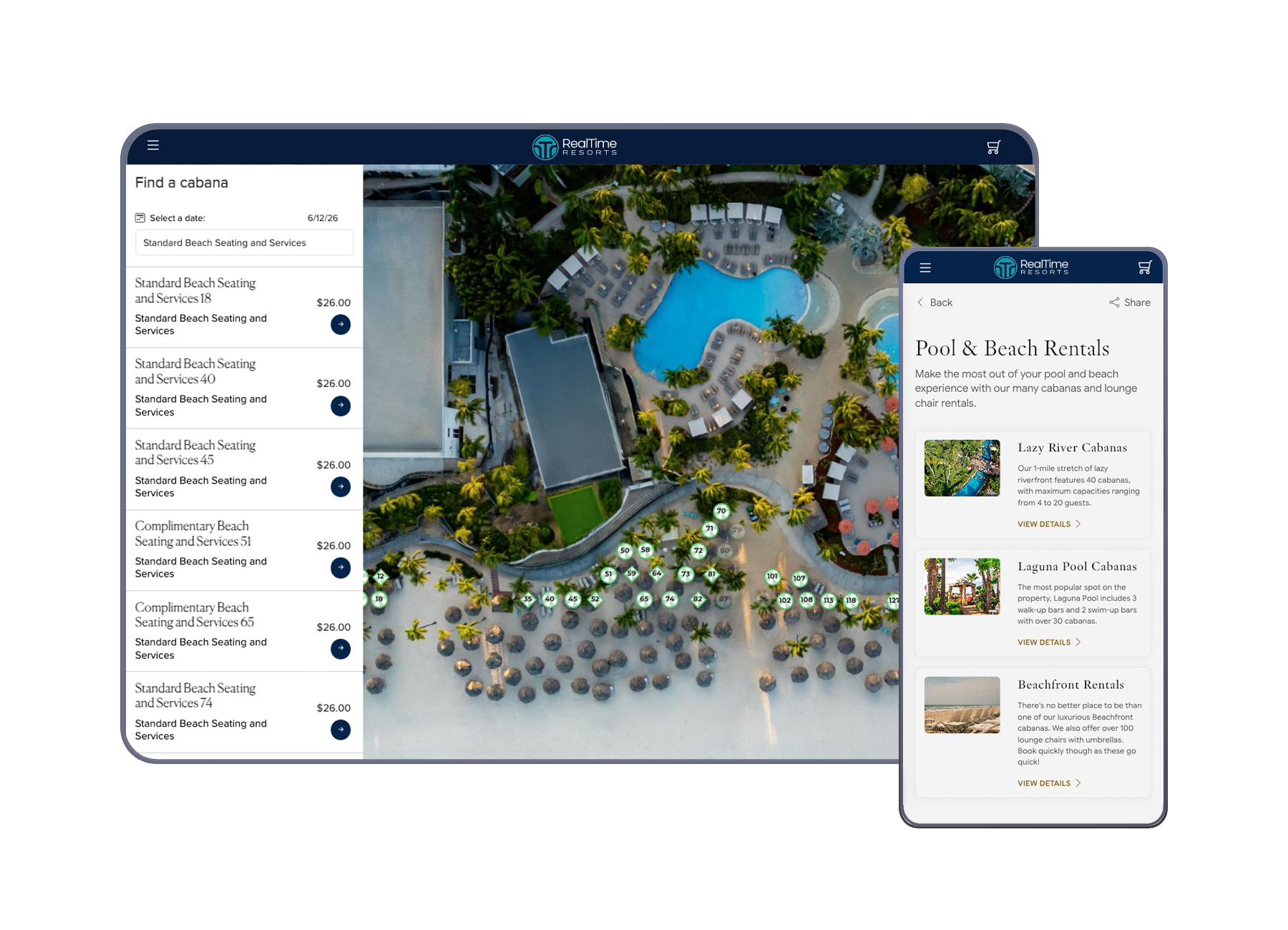
RealTime Reservation (RTR), a leading provider of ancillary booking platforms for the hospitality sector, has officially announced its acquisition of STAY, a comprehensive guest experience platform catering to hotels and resorts. The strategic move, unveiled publicly on Tuesday at the prestigious HITEC hospitality conference, aims to merge RTR’s robust ancillary booking capabilities with STAY’s advanced tools for mobile ordering, digital menus, guest requests, and feedback management. While the specific financial terms of the deal were not disclosed, industry analysts are already highlighting the acquisition as a significant step towards addressing a long-standing and critical infrastructure gap within the hotel industry: the pervasive fragmentation of technology systems managing non-room revenue streams.
For years, hotels have grappled with the operational complexities arising from ancillary services—such as spa treatments, restaurant reservations, cabana rentals, golf tee times, and activity bookings—typically running on disparate vendor systems, each often equipped with its own unique payment setup. This technological balkanization has created considerable hurdles for hoteliers, making it exceedingly difficult to bundle diverse services into a single, seamless guest transaction or to accurately measure and analyze total non-room revenue across an entire portfolio of properties. The unified platform resulting from the RTR-STAY merger promises to provide a singular "shopping cart" experience and a consolidated data foundation, effectively streamlining operations and enhancing the guest journey from initial booking to post-stay feedback.
The Pervasive Challenge of Fragmented Hotel Technology
The modern hotel landscape is a testament to technological evolution, yet it simultaneously reveals a patchwork of systems that have grown organically over decades. Historically, specialized software solutions emerged to manage specific facets of hotel operations: Property Management Systems (PMS) for front-desk operations, Central Reservation Systems (CRS) for room bookings, Point-of-Sale (POS) systems for food and beverage, and numerous niche solutions for spa management, golf courses, loyalty programs, and more. While each system brought efficiency to its specific domain, the lack of seamless integration between them has been a persistent pain point.
This fragmentation stems from several factors. Legacy systems, often deeply embedded in hotel operations, are costly and complex to replace or overhaul. Furthermore, the specialized nature of certain services has historically necessitated bespoke software, leading to a proliferation of vendors. The absence of universal integration standards has compounded the issue, forcing hotels to invest heavily in custom integrations or to endure manual data entry, both of which are prone to errors and inefficiencies. The net result is a disjointed guest experience where booking a room might be smooth, but adding a spa treatment, ordering poolside drinks, or requesting extra towels often involves navigating multiple interfaces, payment gateways, or even direct phone calls.
The Growing Imperative of Non-Room Revenue
In recent years, the strategic importance of non-room revenue has escalated dramatically for hotels. While room bookings remain the bedrock of profitability, ancillary services have emerged as crucial differentiators and significant drivers of overall revenue and guest satisfaction. Industry reports consistently underscore this trend; pre-pandemic, non-room revenue often constituted 20-30% of a hotel’s total income, with projections for this figure to grow significantly as hotels seek to diversify their income streams and enhance guest value. Post-pandemic recovery efforts have further amplified this focus, as hotels look for every opportunity to maximize revenue per guest and offer unique, memorable experiences that encourage repeat business.
The shift is also driven by evolving consumer expectations. Today’s travelers, accustomed to the frictionless digital experiences offered by e-commerce giants and ride-sharing apps, expect similar levels of convenience and personalization from their hotel stays. They seek mobile-first solutions for everything from check-in and room service to booking activities and communicating with staff. A hotel’s ability to seamlessly offer and fulfill these non-room services directly impacts guest satisfaction scores, online reviews, and ultimately, its competitive standing.
RealTime Reservation and STAY: A Synergistic Combination
RealTime Reservation has carved out a niche by providing a robust platform specifically designed for booking and managing a wide array of ancillary services. Its strength lies in its ability to centralize reservations for diverse offerings like spa appointments, restaurant tables, fitness classes, and local tours, allowing hotels to present these options to guests in a more organized fashion. However, RTR primarily focused on the booking aspect.
STAY, on the other hand, excels in the in-stay guest experience. Its platform empowers guests to interact with the hotel via their mobile devices for tasks such as ordering food and beverages from digital menus, requesting housekeeping services, reporting maintenance issues, and providing real-time feedback. This focus on immediate, on-property engagement complements RTR’s pre-arrival and booking capabilities perfectly.
The synergy of this acquisition is profound. By combining RTR’s pre-stay and booking platform with STAY’s on-property engagement tools, the merged entity can offer a truly end-to-end guest journey solution. Imagine a guest booking a room, then seamlessly adding a dinner reservation, a spa treatment, and reserving a poolside cabana through a single, unified interface before arrival. Upon arrival, that same interface transforms into a digital concierge, allowing mobile ordering from the restaurant, requesting fresh towels, or providing feedback on a recent experience. This unification eliminates the need for guests to download multiple apps or navigate disparate websites, significantly enhancing convenience and personalization.
A Brief Chronology of Innovation and Consolidation
The journey towards consolidated hotel technology has been incremental. For decades, the industry saw the rise of specialized vendors, each addressing a specific operational pain point. The late 1990s and early 2000s brought the first wave of integration efforts, often through complex and costly point-to-point interfaces. The past decade has witnessed an acceleration of this trend, driven by cloud computing, APIs (Application Programming Interfaces), and a recognition of the strategic value of unified guest data.
Companies like RealTime Reservation and STAY represent the cutting edge of this evolution, each developing best-in-class solutions for their respective domains. The decision to merge is a direct response to market demand for more comprehensive solutions that reduce vendor sprawl and data silos. The announcement at HITEC, the world’s largest hospitality technology exposition and conference, underscores the industry’s readiness for such integrated offerings. HITEC has historically served as a critical platform for unveiling transformative technologies, making it the ideal venue for this strategic disclosure. The post-acquisition integration roadmap will likely involve combining engineering teams, harmonizing data models, and rolling out the unified platform in phases, with an emphasis on seamless transitions for existing clients of both companies.
Inferred Statements and Industry Reactions
While specific executive quotes were not provided in the initial announcement, the strategic rationale points to clear statements from leadership. Executives from RealTime Reservation are likely to emphasize the acquisition’s role in delivering an unparalleled, integrated guest experience and providing hoteliers with a single source of truth for all ancillary revenue. A hypothetical statement might include: "This acquisition marks a pivotal moment for RealTime Reservation. By integrating STAY’s exceptional in-stay engagement capabilities, we are not just expanding our product offering; we are fundamentally reshaping how hotels manage and optimize non-room revenue while simultaneously elevating the guest journey to new heights of convenience and personalization. Our shared vision is to empower hoteliers with a truly unified platform that drives both operational efficiency and significant revenue growth."
Similarly, leaders from STAY would likely express enthusiasm for the expanded reach and enhanced capabilities that come with joining a larger entity. An inferred statement from STAY’s leadership might be: "Joining forces with RealTime Reservation is a natural progression for STAY. Our commitment to crafting intuitive, guest-centric experiences aligns perfectly with RTR’s vision for seamless ancillary booking. Together, we can accelerate innovation, offer a more comprehensive solution to our hotel partners, and ultimately deliver a superior digital experience that guests now expect and demand."
Industry analysts are expected to view this acquisition favorably, characterizing it as a smart strategic move in a consolidating market. "The hotel technology landscape is ripe for consolidation, especially in areas that directly impact guest experience and revenue optimization," noted one industry observer. "The RTR-STAY merger directly addresses the long-standing challenge of fragmented ancillary services, offering hotels a powerful tool to streamline operations, enhance guest satisfaction, and unlock new revenue potential. This move could set a new benchmark for integrated solutions in the segment."
Broader Implications and Future Outlook
The acquisition of STAY by RealTime Reservation carries significant implications for the broader hospitality technology ecosystem. First, it accelerates the trend towards "platformization" in hotel tech, where vendors aim to offer comprehensive, integrated solutions rather than standalone point products. This pressure will likely encourage other specialized vendors to seek partnerships or consolidate to remain competitive.
Second, the unified data foundation created by this merger is a game-changer. By centralizing guest interactions and spending across both pre-arrival bookings and in-stay services, hotels will gain unprecedented insights into guest preferences and behaviors. This single view of the guest enables hyper-personalization, allowing hotels to deliver targeted offers, anticipate needs, and build stronger loyalty. For instance, if a guest frequently orders a specific item from room service or books a particular spa treatment, the system can proactively offer tailored recommendations for future stays or even pre-emptively stock their room with preferred items.
Third, the operational efficiencies gained cannot be overstated. By automating manual processes, reducing staff workload related to disparate systems, and providing real-time analytics, hotels can allocate resources more effectively. This translates into improved service delivery, reduced operational costs, and ultimately, a more profitable business model.
Looking ahead, the combined entity is likely to focus on several key areas. Further integration with Property Management Systems (PMS) and Customer Relationship Management (CRM) platforms will be crucial to truly embed the new capabilities into the hotel’s core operational fabric. The incorporation of advanced analytics and artificial intelligence (AI) will also be a priority, moving beyond mere data aggregation to predictive insights—forecasting demand for specific services, optimizing staffing levels, and personalizing guest communications at scale. Expansion into new geographic markets and tailoring solutions for different hotel segments (e.g., luxury, boutique, resorts, extended stay) will also be on the agenda.
While the path to full integration and widespread adoption will present its own challenges, including ensuring seamless data migration for existing clients and continuous innovation in a rapidly evolving tech landscape, the RealTime Reservation acquisition of STAY represents a clear strategic move to future-proof hotel operations and meet the escalating demands of the modern traveler. It signals a strong commitment to simplifying complexity, unifying the guest journey, and ultimately, empowering hotels to thrive in an increasingly digital world by leveraging the full potential of their non-room revenue streams.



 Chandra Hamzah
 Gabriela Annisa
 Budi Mulyono
 Anjar Salim