
 Tatiana Tantri Indah Sari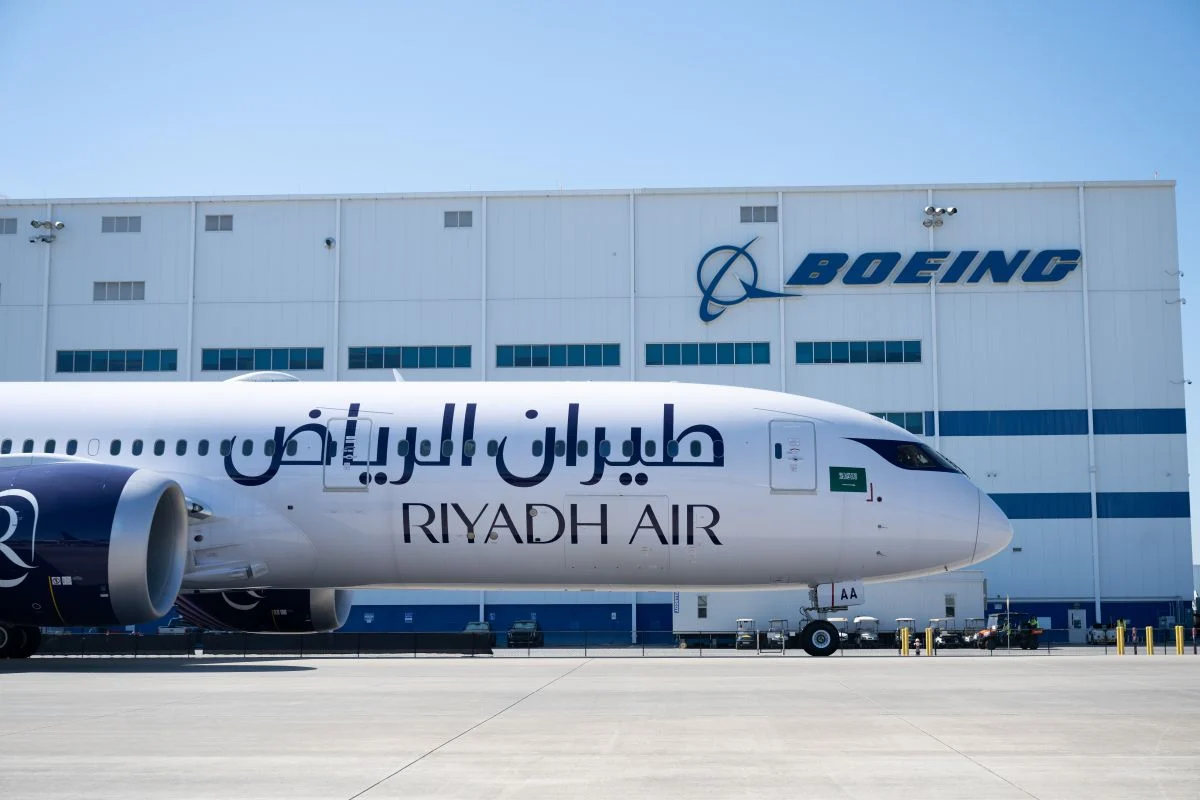
Riyadh Air, Saudi Arabia’s ambitious new national carrier, has received crucial approval from the U.S. Department of Transportation (DOT) to operate flights to and from the United States, marking a significant milestone in its rapid ascent within the global aviation landscape. This decision, announced by the agency on a recent Tuesday, clears the path for the airline to begin serving one of the world’s most lucrative and competitive aviation markets, aligning with the carrier’s stated intent to establish a robust presence on the U.S. Eastern Seaboard. The DOT’s order explicitly stated, "We tentatively find and conclude that the public interest warrants granting the applicant a foreign air carrier permit," underscoring the perceived benefits of increased competition and connectivity for American consumers and the broader U.S. economy.
The approval follows Riyadh Air’s formal application to the DOT on May 5, seeking authorization to operate scheduled and charter foreign air transportation of persons, property, and mail between points in Saudi Arabia and points in the U.S. The speed with which the approval has been granted reflects both the DOT’s assessment of the airline’s qualifications and the strategic importance of strengthening bilateral air services between the two nations. For Riyadh Air, a nascent carrier backed by the immense financial power of Saudi Arabia’s Public Investment Fund (PIF), this permit is not merely a procedural step but a foundational element in its strategy to become a leading global airline by the end of the decade.
A New Challenger Emerges: Riyadh Air’s Genesis and Ambitions
Riyadh Air was officially unveiled in March 2023 by His Royal Highness Crown Prince Mohammed bin Salman bin Abdulaziz, Chairman of the Public Investment Fund (PIF), as part of Saudi Arabia’s sweeping Vision 2030 economic diversification plan. The airline is wholly owned by the PIF, one of the world’s largest sovereign wealth funds, with assets under management exceeding $700 billion. Its mandate is clear: to connect the Kingdom’s capital, Riyadh, to over 100 destinations worldwide by 2030, transforming the city into a global hub for aviation, tourism, and commerce. This ambitious target is a cornerstone of the broader national strategy to attract 100 million tourists annually by 2030 and significantly boost the non-oil sector’s contribution to the national GDP.
At the helm of Riyadh Air is CEO Tony Douglas, an industry veteran with a distinguished career, including leadership roles at Etihad Airways and Abu Dhabi Airports. Douglas has been vocal about the airline’s intentions, particularly regarding the U.S. market. His previous statements have consistently highlighted the Eastern Seaboard as a priority, signaling potential routes to major metropolitan areas such as New York, Washington D.C., Boston, and Miami. These cities represent key economic and cultural gateways, offering significant passenger traffic for both business and leisure travelers, as well as a substantial Saudi diaspora and a growing number of American expatriates working in Saudi Arabia.
The airline’s fleet strategy is equally ambitious. Shortly after its launch, Riyadh Air announced a monumental order for up to 72 Boeing 787-9 Dreamliner aircraft, including 39 firm orders and 33 optional orders. This initial commitment, valued in the tens of billions of dollars, positions Riyadh Air with a state-of-the-art, fuel-efficient wide-body fleet capable of long-haul international operations. Further wide-body aircraft orders are widely anticipated as the airline scales up its operations towards its projected launch in early 2025. This significant investment in modern aircraft underscores the airline’s commitment to offering a premium passenger experience and achieving operational efficiency, critical factors for success in competitive long-haul markets.
The Significance of U.S. Market Entry
Gaining access to the U.S. market is a strategic imperative for any airline aspiring to global prominence. The U.S. represents the largest aviation market in the world, characterized by high demand for international travel, robust business ties, and a significant diaspora. For Riyadh Air, operating flights to the U.S. will not only facilitate direct connections between Saudi Arabia and North America but also serve to enhance Riyadh’s stature as an emerging global transit point. Passengers from various parts of Asia, Africa, and the Middle East could potentially connect through Riyadh to U.S. destinations, offering a new alternative to existing hubs in Europe and the Gulf.
The DOT’s finding that granting the permit is in the "public interest" typically considers several factors. These include the promotion of competition, which often leads to lower fares and more choices for consumers; the potential for increased tourism and trade between the U.S. and Saudi Arabia; and the broader benefits of fostering strong bilateral aviation relationships. For American travelers, the entry of Riyadh Air could translate into new direct routes, potentially more competitive pricing, and a fresh option for reaching Saudi Arabia and onward connections. For U.S. businesses, improved air connectivity can facilitate trade, investment, and cultural exchange.
Saudi Arabia’s Vision 2030: Aviation as an Economic Engine
Riyadh Air’s establishment and its aggressive expansion strategy are inextricably linked to Saudi Arabia’s Vision 2030. This transformative blueprint aims to diversify the Kingdom’s economy away from oil dependence by developing new sectors, including tourism, logistics, and technology. Aviation is viewed as a critical enabler for this transformation. The overarching goal is to position Saudi Arabia as a global logistics hub, connecting three continents – Asia, Africa, and Europe – and becoming a top-tier tourist destination.
To support this ambition, Saudi Arabia is undertaking massive infrastructure projects. Central to this is the development of King Salman International Airport in Riyadh, which is set to become one of the world’s largest airports, capable of handling 120 million passengers annually by 2030 and 185 million by 2050. This new mega-airport, alongside expansions at other international airports across the Kingdom, will provide the necessary capacity for Riyadh Air and the existing national carrier, Saudia, to significantly increase their flight operations.
Saudia, which operates primarily from Jeddah, is also undergoing its own modernization and expansion, focusing on Hajj and Umrah pilgrims, and growing its network. Riyadh Air is positioned to complement Saudia, operating as a distinct brand with a focus on premium international long-haul routes from Riyadh, targeting a different segment of the market and minimizing direct competition within the Kingdom’s borders. This dual-hub strategy, with Riyadh and Jeddah serving as major international gateways, aims to maximize the Kingdom’s aviation footprint and cater to diverse passenger needs.
Competitive Landscape and Potential Impact
The entry of Riyadh Air into the U.S. market will intensify competition, particularly on routes connecting North America with the Middle East and beyond. Currently, the market is dominated by established U.S. carriers like United, Delta, and American Airlines, as well as the formidable Gulf carriers: Emirates, Qatar Airways, and Etihad Airways. These airlines have spent decades building extensive networks and strong brand loyalties.
Riyadh Air will need to differentiate itself through service quality, state-of-the-art aircraft, and potentially competitive pricing strategies to attract passengers. The airline has emphasized a commitment to digital innovation and personalized customer experience, aiming to leverage technology to streamline travel and enhance passenger comfort. Its brand identity, featuring a striking indigo livery, is designed to evoke a sense of modern luxury and Saudi hospitality.
Analysts anticipate that Riyadh Air’s entry could exert downward pressure on fares on certain routes, benefiting consumers. It could also lead to increased capacity and more direct flight options, particularly for those traveling to or through Riyadh. For the established Gulf carriers, Riyadh Air represents a new regional competitor vying for transit traffic, while U.S. carriers will face another strong foreign airline connecting passengers to a key region. The geopolitical backdrop, including the strengthening U.S.-Saudi relations and regional dynamics, will also play a role in shaping the competitive environment.
Timeline and Future Outlook
The chronology of Riyadh Air’s development underscores its rapid pace:
- March 2023: Official launch of Riyadh Air by the Public Investment Fund.
- March 2023: Announcement of a significant order for up to 72 Boeing 787-9 Dreamliner aircraft.
- May 5: Riyadh Air submits its application to the U.S. Department of Transportation for a foreign air carrier permit.
- Recent Tuesday: U.S. DOT grants tentative approval for Riyadh Air to operate flights to the U.S.
- Early 2025 (Projected): Riyadh Air is expected to commence commercial operations, with initial routes likely to include key international destinations.
- By 2030: Riyadh Air aims to serve over 100 destinations globally, significantly contributing to Saudi Arabia’s Vision 2030 targets for tourism and economic diversification.
Looking ahead, Riyadh Air will now proceed with the final stages of operational certification and securing necessary slots and gates at U.S. airports. While specific routes have not yet been announced, the emphasis on the Eastern Seaboard suggests major hubs like John F. Kennedy International Airport (JFK) in New York, Washington Dulles International Airport (IAD), and Miami International Airport (MIA) are strong contenders. The airline will also need to engage in extensive marketing and brand-building efforts to establish its presence in the highly competitive U.S. market.
The approval from the U.S. DOT is more than just a regulatory nod; it is a powerful endorsement of Riyadh Air’s operational readiness and strategic vision. It signifies a tangible step towards realizing Saudi Arabia’s ambition to become a global aviation powerhouse and a key player in international air travel. As the airline prepares for its inaugural flights, the world will be watching how this well-funded and strategically positioned carrier navigates the complexities of global aviation and carves out its niche in an increasingly crowded sky.



 Budi Mulyono
 Anjar Salim

 Lukman Taruna Persada Ramadan

 Chandra Hamzah