
 Tatiana Tantri Indah Sari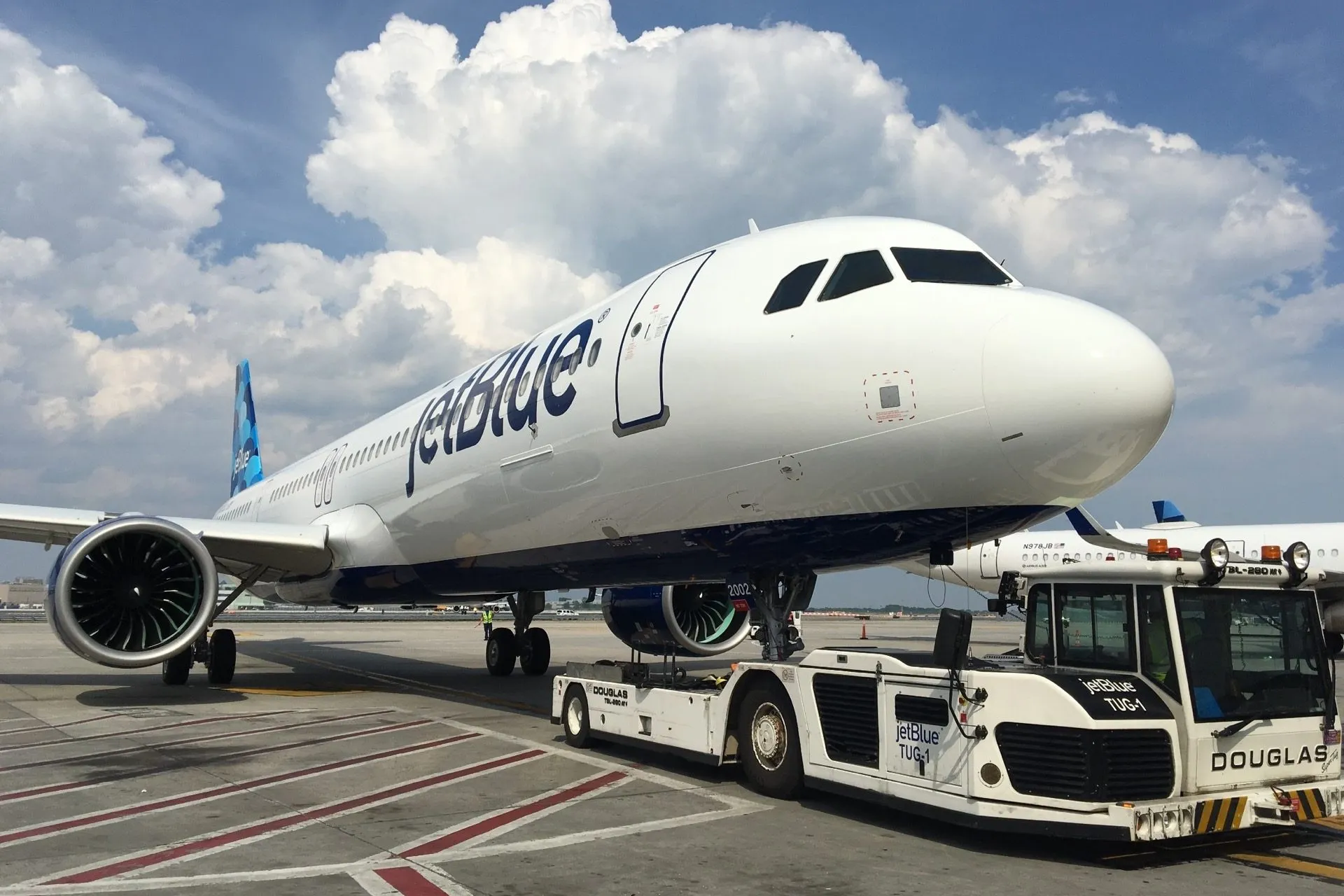
JetBlue Airways is undergoing a significant strategic realignment, progressively reducing its footprint in the highly competitive New York metropolitan area to concentrate resources on Fort Lauderdale, Florida. This pivotal shift is driven by the perceived greater opportunity in the Sunbelt region, particularly in the wake of Spirit Airlines’ financial distress and eventual collapse, which left a substantial void in the Fort Lauderdale market. The airline is aggressively expanding its premium transcontinental services from Fort Lauderdale-Hollywood International Airport (FLL), introducing more daily business class flights to key West Coast destinations such as San Diego, Los Angeles, and San Francisco. This move signals a deliberate effort by JetBlue to establish Fort Lauderdale as a critical third base, complementing its existing strongholds and redefining its competitive posture in the post-pandemic aviation landscape.
The Strategic Pivot to Fort Lauderdale
The core of JetBlue’s revised strategy centers on transforming Fort Lauderdale into a major operational hub. This expansion is not merely about adding flights but about enhancing the quality and competitiveness of its offerings, particularly in the lucrative premium segment. The airline has confirmed plans to increase its Mint service – JetBlue’s award-winning business class product – on routes connecting FLL with major California cities. This includes augmenting daily frequencies or deploying larger aircraft configured with more Mint suites on routes to San Diego (SAN), Los Angeles (LAX), and San Francisco (SFO). This premium expansion is a calculated move to capture a share of both the business and high-end leisure travel markets that have traditionally been underserved or dominated by legacy carriers on transcontinental routes from South Florida.
The rationale behind this aggressive expansion in Fort Lauderdale is multifaceted. Following Spirit Airlines’ bankruptcy and the subsequent grounding of its fleet, a significant capacity vacuum emerged at FLL, where Spirit had been a dominant low-cost carrier, holding a substantial market share. JetBlue has swiftly moved to capitalize on this, adding dozens of new routes out of the Florida city. Many of these new services directly overlap with Spirit’s former network, allowing JetBlue to absorb displaced demand and expand its influence in a market that has seen consistent growth in leisure travel and population influx. This strategic opportunism enables JetBlue to grow in a less slot-constrained and potentially more profitable environment compared to the saturated Northeast.
Background: The Spirit Airlines Factor and Failed Merger
The current strategic shift cannot be fully understood without acknowledging the profound impact of the failed merger attempt between JetBlue and Spirit Airlines. In July 2022, JetBlue announced its intention to acquire Spirit for $3.8 billion, aiming to create the fifth-largest airline in the United States. The proposed merger faced immediate scrutiny from the U.S. Department of Justice (DOJ), which filed an antitrust lawsuit in March 2023, arguing that the merger would lead to higher fares and reduced choices for consumers. After a protracted legal battle, a federal judge blocked the merger in January 2024, citing antitrust concerns.
The collapse of the merger left both airlines in precarious positions. Spirit, already facing significant financial headwinds, struggled to maintain operations and eventually declared bankruptcy, leading to its eventual grounding and dissolution. For JetBlue, the failed acquisition meant a sudden pivot was necessary. The airline had invested considerable time, resources, and strategic planning into the merger, and its post-merger network strategy had been largely predicated on integrating Spirit’s assets, particularly its extensive presence in leisure markets like Florida. With the merger off the table, JetBlue needed a new growth trajectory, and the available market share in Fort Lauderdale, vacated by Spirit, presented a compelling and immediate opportunity. This unexpected turn of events forced JetBlue to recalibrate its long-term vision, shifting from an acquisition-driven growth model to an organic expansion strategy focused on specific, high-potential markets.
JetBlue’s Network Realignment and Northeast Impact
To accommodate the substantial growth out of Fort Lauderdale, JetBlue is concurrently making targeted adjustments to its network, which includes scaling back operations in certain Northeast markets. The carrier has confirmed the termination of seasonal service for its routes between Newark Liberty International Airport (EWR) and Los Angeles International Airport (LAX), as well as Newark and Harry Reid International Airport (LAS) in Las Vegas. These adjustments are part of a broader "targeted schedule adjustment" aimed at optimizing aircraft utilization and aligning capacity with strategic priorities.
While Newark is a significant gateway in the New York metropolitan area, JetBlue’s presence there has always been secondary to its operations at John F. Kennedy International Airport (JFK) and LaGuardia Airport (LGA). The decision to pull back from certain Newark transcontinental routes, particularly those offering Mint service, reflects a reallocation of premium capacity to the more strategically vital Fort Lauderdale expansion. This move underscores the challenges of operating in slot-constrained and highly competitive Northeast airports, where operational costs can be higher, and competition from legacy carriers like United Airlines (a major EWR hub carrier) is intense.
For passengers in the New York area, this realignment means fewer direct premium options from Newark on JetBlue. However, the airline maintains a robust presence at JFK and LGA, offering extensive domestic and international routes, including its core Mint service from JFK to the West Coast. The changes highlight JetBlue’s disciplined approach to network planning, ensuring that its resources are deployed where they can generate the highest returns and best support its long-term strategic objectives.
Executive Insights and Rationale
While specific executive quotes regarding the recent, detailed changes were not immediately released beyond the statement to Skift confirming adjustments, the overarching sentiment from JetBlue’s leadership has consistently pointed towards a focus on profitable growth and disciplined capital allocation. Industry analysts infer that JetBlue executives likely view Fort Lauderdale as a market with significant untapped potential for premium growth, especially given the demographic shifts and increased demand for leisure and business travel to and from Florida.
An inferred statement from a JetBlue executive, perhaps its Chief Commercial Officer, might emphasize: "Fort Lauderdale presents an unparalleled opportunity for strategic growth, particularly in the premium leisure and business segments. Our decision to enhance Mint service and expand our network from FLL is a direct response to evolving customer demand and the unique market dynamics following recent industry changes. This allows us to optimize our fleet and deliver our distinctive JetBlue experience where it can have the greatest impact."
Similarly, an inferred statement from the CEO could reiterate the airline’s commitment to strategic efficiency: "Our network adjustments, including the recalibration of some Northeast routes, reflect a disciplined approach to optimizing our resources and delivering superior value to our customers in key markets. We are confident that strengthening our presence in Fort Lauderdale will position JetBlue for sustainable growth and enhanced profitability." Such statements would align with JetBlue’s post-merger strategy to demonstrate agility and adaptability in a dynamic industry.
Competitive Landscape and Market Dynamics
The shift towards Fort Lauderdale will undoubtedly reshape the competitive landscape in both South Florida and the Northeast. In Fort Lauderdale, JetBlue’s enhanced presence will challenge other carriers that operate significant routes from FLL, including Southwest Airlines, American Airlines, and Delta Air Lines. JetBlue’s Mint product, with its lie-flat seats and elevated service, positions it as a strong competitor in the premium transcontinental market, directly vying with legacy carriers that typically offer similar products. The airline’s ability to quickly fill the void left by Spirit gives it a first-mover advantage in capturing market share from price-sensitive travelers, while its Mint offering attracts higher-yield passengers.
In the New York area, the withdrawal of some transcontinental routes from Newark will primarily benefit United Airlines, which maintains a dominant hub at EWR. United’s extensive network and premium products on transcontinental routes from Newark will face slightly less competition from JetBlue in these specific segments. However, JetBlue’s overall presence in the broader New York market through JFK and LGA remains substantial, particularly with its strong focus on international routes and its unique Mint service from JFK. The move underscores the intense competition and the challenges of sustaining profitability in the highly saturated Northeast corridor.
Financial and Operational Implications
From a financial perspective, JetBlue’s strategic shift aims to improve its overall profitability and operational efficiency. Operating in less congested airports like FLL can lead to lower operating costs, including gate fees, landing fees, and less ground delay time, compared to the notoriously expensive and delay-prone New York airports. By concentrating premium assets in a high-growth leisure and business market, JetBlue can potentially achieve higher load factors and better yields on its Mint routes, thereby boosting revenue. The airline has been under pressure to improve its financial performance, particularly after the significant costs associated with the failed Spirit acquisition attempt. This network optimization is a critical step towards achieving those financial goals.
Operationally, consolidating a third major base in Fort Lauderdale allows JetBlue to enhance its network connectivity, crew base efficiency, and maintenance operations in the region. A stronger hub presence typically leads to better schedule reliability and reduced operational disruptions. This focused growth strategy is a more controlled and potentially less risky approach than an ambitious merger, allowing JetBlue to organically build market share and customer loyalty in a region with clear growth potential.
The Future of JetBlue’s Network Strategy
JetBlue’s pivot to Fort Lauderdale represents a significant re-evaluation of its long-term network strategy. Having historically built its brand on challenging legacy carriers from its New York base, the airline is now demonstrating a willingness to diversify its core geographic focus. This move acknowledges the broader industry trends of shifting passenger demand towards Sunbelt states and the increasing importance of premium leisure travel.
Looking ahead, JetBlue’s success in Fort Lauderdale will serve as a blueprint for potential future expansions in other strategic markets. The airline’s ability to effectively compete against both low-cost carriers and legacy airlines in a diverse market like FLL will be closely watched by industry observers. This strategy, born out of necessity following the Spirit merger collapse, could ultimately define JetBlue’s trajectory for the next decade, transforming it from a New York-centric challenger into a more broadly diversified national carrier with strong bases across key regions. The focus on premium experiences, coupled with strategic market expansion, positions JetBlue to navigate the evolving demands of the modern air travel industry and solidify its place as a distinct player in the competitive U.S. aviation landscape.




 Budi Mulyono
 Anjar Salim

 Lukman Taruna Persada Ramadan

 Chandra Hamzah