
 Tatiana Tantri Indah Sari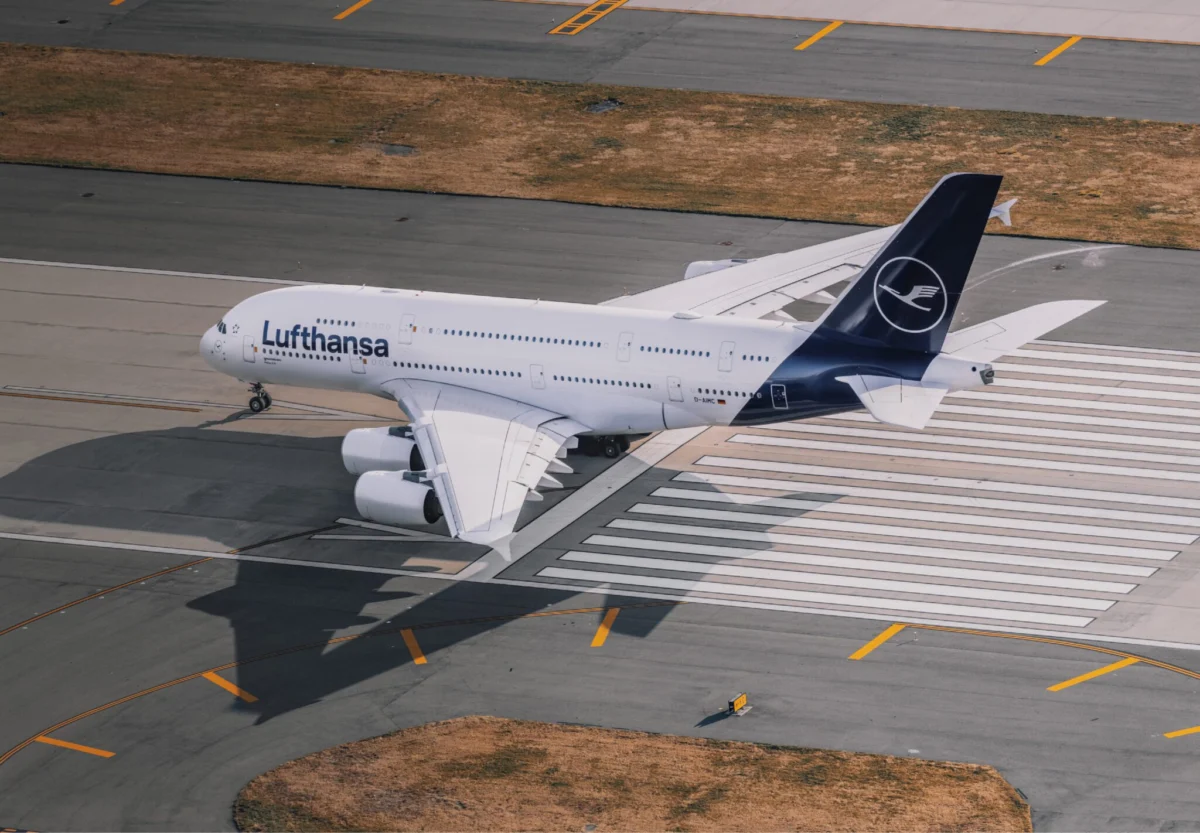
After more than a decade of intense lobbying, complex legal challenges, and protracted political negotiations, Europe’s airlines have finally received a definitive answer regarding the future of air passenger rights within the European Union. The outcome, confirmed this week, largely maintains the established framework of passenger protection, falling short of the significant concessions sought by the aviation industry. The European Union has agreed to the first major overhaul of its foundational EU261 regulations since their introduction over two decades ago, yet despite considerable pressure from carriers and other industry stakeholders, policymakers have largely held firm on the core principles safeguarding travelers.
A Decade of Deliberation: The Road to Revision
The journey to this regulatory milestone has been fraught with contention, stretching back to the early 2010s. Regulation (EC) No 261/2004, commonly known as EU261, was enacted on February 11, 2004, establishing common rules on compensation and assistance to passengers in the event of denied boarding, flight cancellations, or long delays. Its primary objective was to ensure a high level of protection for air passengers, requiring airlines to provide financial compensation and assistance (such as meals, accommodation, and alternative transport) when disruptions occur, unless these are caused by "extraordinary circumstances" beyond the airline’s control.
Almost immediately after its implementation, the regulation became a point of contention. Airlines argued that its provisions, particularly the compensation thresholds and the narrow definition of "extraordinary circumstances," placed an undue financial and operational burden on them. They contended that the regulation failed to account for the complexities of modern air travel and global operational disruptions. This dissatisfaction began to coalesce into a concerted lobbying effort around 2013, when the European Commission itself initiated a review and subsequently proposed revisions to EU261. The Commission’s initial proposal aimed to clarify ambiguities, strengthen enforcement, and potentially introduce some flexibility for airlines, while still upholding passenger rights.
However, these proposed revisions quickly became entangled in the EU’s complex legislative process, involving the European Parliament and the Council of the European Union in what is known as trilogue negotiations. Progress stalled repeatedly due to divergent interests among member states, with some prioritizing robust consumer protection (often those with high tourism traffic) and others more aligned with the aviation industry’s concerns (often those hosting major airline hubs). The sheer volume of competing priorities, coupled with changes in European Commission and Parliament mandates over successive electoral cycles, contributed to the decade-long legislative paralysis. Each new presidency of the Council of the EU often listed the EU261 revision as a priority, only to see it pushed back by more pressing issues or continued disagreement. This protracted stalemate effectively meant that, despite the clear need for modernization and clarification, the core tenets of EU261 remained untouched for an extended period, creating uncertainty for both airlines and passengers. The recent breakthrough is largely attributed to renewed political will and a series of compromises on ancillary points, allowing the overall package to finally gain consensus.
Maintaining the Core: What the New Rules Entail
The central tenet of EU261, which mandates compensation for passengers delayed by more than three hours, remains firmly in place. Depending on the flight distance, passengers will still be entitled to compensation ranging from €250 to €600 (approximately $290-$696 at current exchange rates). This specific provision was a primary target for airlines, who had vigorously pushed for an extension of the delay threshold, suggesting a four-hour or even five-hour minimum before compensation obligations would activate. Their argument centered on the idea that longer thresholds would provide them with greater operational flexibility to recover disrupted schedules, re-route aircraft, and get passengers moving without the immediate financial penalty. They argued that such flexibility could, paradoxically, lead to fewer overall cancellations and a better passenger experience by allowing for more efficient management of unforeseen events.
While the core compensation thresholds were preserved, the "overhaul" does introduce some refinements and clarifications, although these fall short of the industry’s ambitions for fundamental change. The revised regulations are expected to provide clearer definitions of "extraordinary circumstances," aiming to reduce ambiguity and potential legal challenges. For instance, clearer guidelines on what constitutes a "technical fault" that is truly unavoidable versus one that is part of routine maintenance might be included. There are also expected to be enhanced provisions regarding the right to re-routing, particularly in cases of insolvency of the operating carrier, and potentially clearer rules for connecting flights, especially those booked under separate tickets. Furthermore, the updated framework is anticipated to strengthen the enforcement mechanisms, ensuring that national authorities are better equipped to handle complaints and penalize non-compliant airlines. Specific attention may also be given to vulnerable passengers, such as those with reduced mobility or requiring medical assistance, ensuring their needs are adequately met during disruptions. Despite these valuable clarifications and enhancements, the foundational principle of robust passenger compensation, fiercely defended by consumer advocacy groups, has ultimately prevailed.
The Financial Stakes: Data and Economic Implications
The financial implications of EU261 have been a cornerstone of the airline industry’s argument for revision. Each year, millions of passengers across Europe are affected by flight delays, cancellations, and denied boarding. While precise cumulative figures are difficult to obtain due to varying reporting methods, industry estimates suggest that the annual cost to European airlines in compensation payouts alone runs into hundreds of millions of euros. For example, in a typical pre-pandemic year, various sources estimated total EU261 payouts by airlines to be in the range of €500 million to over €1 billion, depending on the severity of disruption events. During peak travel seasons or periods of widespread air traffic control strikes, these figures can surge dramatically.
Airlines have consistently argued that these significant costs are ultimately passed on to consumers through higher ticket prices, making European air travel less competitive compared to regions with less stringent passenger protection regimes. They also highlight the administrative burden of processing claims, which has led to the proliferation of claims management companies that take a percentage of passenger compensation. From the airlines’ perspective, this entire ecosystem represents a substantial, often unrecoverable, cost. The industry has also pointed to the unique challenges of operating in Europe’s dense airspace, which is prone to strikes, adverse weather, and air traffic control capacity issues, all of which can trigger EU261 obligations. The revised regulation’s decision to maintain the current compensation thresholds means that these financial pressures will persist for carriers, prompting continued scrutiny of operational efficiencies and potential investment in disruption prevention technologies.
Industry and Consumer Reactions
The immediate reactions to the EU’s decision reflect the deep divide that has characterized the debate for over a decade.
Airlines and their representative bodies, such as Airlines for Europe (A4E) and the International Air Transport Association (IATA), expressed profound disappointment. A spokesperson for a major airline association, speaking anonymously due to ongoing internal discussions, stated, "After 13 years of discussion, the opportunity to improve Europe’s competitiveness and the passenger experience by addressing the flaws of EU261 was lost. We pushed hard for reasonable adjustments that would have given airlines greater flexibility to manage disruptions effectively, ultimately benefiting passengers by getting them to their destinations faster, even if slightly delayed. Instead, we are left with a regulation that continues to impose an unlevel playing field and significant financial burdens on European carriers." They further reiterated concerns that the continued high cost of compensation would inevitably influence operational decisions, potentially leading to fewer routes, particularly in less profitable segments, or continued upward pressure on airfares.
Conversely, consumer rights organizations and passenger advocacy groups lauded the decision as a victory for travelers. The European Consumer Organisation (BEUC) and various national consumer bodies welcomed the maintenance of the core compensation principles. A representative from a leading consumer advocacy group commented, "This outcome is a crucial reaffirmation of the EU’s commitment to strong consumer protection. Passengers deserve to be compensated when airlines fail to deliver the service they promise, and these rights are fundamental to building trust in air travel. While we acknowledge the operational challenges faced by airlines, these cannot come at the expense of passengers’ basic entitlements. The clarifications introduced in this overhaul should also help streamline the claims process and improve overall enforcement, which is a positive step forward." They emphasized that the regulation serves as a vital deterrent against lax operational planning and encourages airlines to invest in resilience.
Officials from the European Commission and Parliament, while acknowledging the lengthy negotiations, framed the outcome as a balanced and pragmatic resolution. A statement from a relevant EU Commissioner highlighted, "After extensive and robust negotiations, we have delivered a modernised and robust framework that safeguards passenger rights while providing greater clarity for the aviation sector. This agreement strikes a fair balance, ensuring that European citizens continue to enjoy some of the strongest air passenger protections in the world, while also offering improved tools for consistent application across the Union."
Looking Ahead: Broader Implications and Future Challenges
The implications of this regulatory continuity extend across various facets of the aviation ecosystem. For airlines, the immediate impact will be the sustained financial pressure from compensation payouts. This will likely drive further investment in operational resilience, including sophisticated predictive analytics for maintenance, enhanced crew scheduling algorithms, and more robust contingency planning for disruptions. Carriers may also continue to explore legal avenues to challenge specific interpretations of "extraordinary circumstances" or focus their lobbying efforts on the implementation guidelines rather than the core text itself. The absence of a major shift in compensation thresholds may also lead to a renewed focus on proactive delay prevention rather than merely managing the consequences.
For passengers, the outcome ensures predictability and strong protection against disruptions. They can continue to rely on the robust framework of EU261, knowing that their rights to compensation and assistance are largely unchanged. This certainty is crucial for consumer confidence in air travel within the EU. However, it is also plausible that the ongoing costs incurred by airlines could contribute to marginally higher ticket prices over time, as carriers seek to absorb these expenses.
From a broader perspective, the EU’s decision reinforces its position as a global leader in consumer protection. EU261 has often been considered a benchmark for passenger rights regulations worldwide, and by upholding its core tenets, the EU sends a clear signal about the importance it places on consumer welfare. This might encourage other jurisdictions to consider similar strong protections or, conversely, highlight a divergence in regulatory philosophies globally.
Looking to the future, the aviation industry remains dynamic, facing challenges from climate change, technological advancements, and evolving passenger expectations. Enforcement of the revised EU261 will be paramount, requiring effective collaboration between national authorities and the European Commission. The regulation will also need to adapt to emerging issues, such as the increasing use of artificial intelligence in airline operations, the rise of multimodal travel, and potential future pandemics. While the latest overhaul provides a long-awaited update, the continuous evolution of air travel will undoubtedly necessitate ongoing vigilance and potential future adjustments to ensure the regulatory framework remains fit for purpose.


 Chandra Hamzah
 Gabriela Annisa
 Hendra Ismail
 Walid Sujud Trenggono
 Budi Mulyono