
 Tatiana Tantri Indah Sari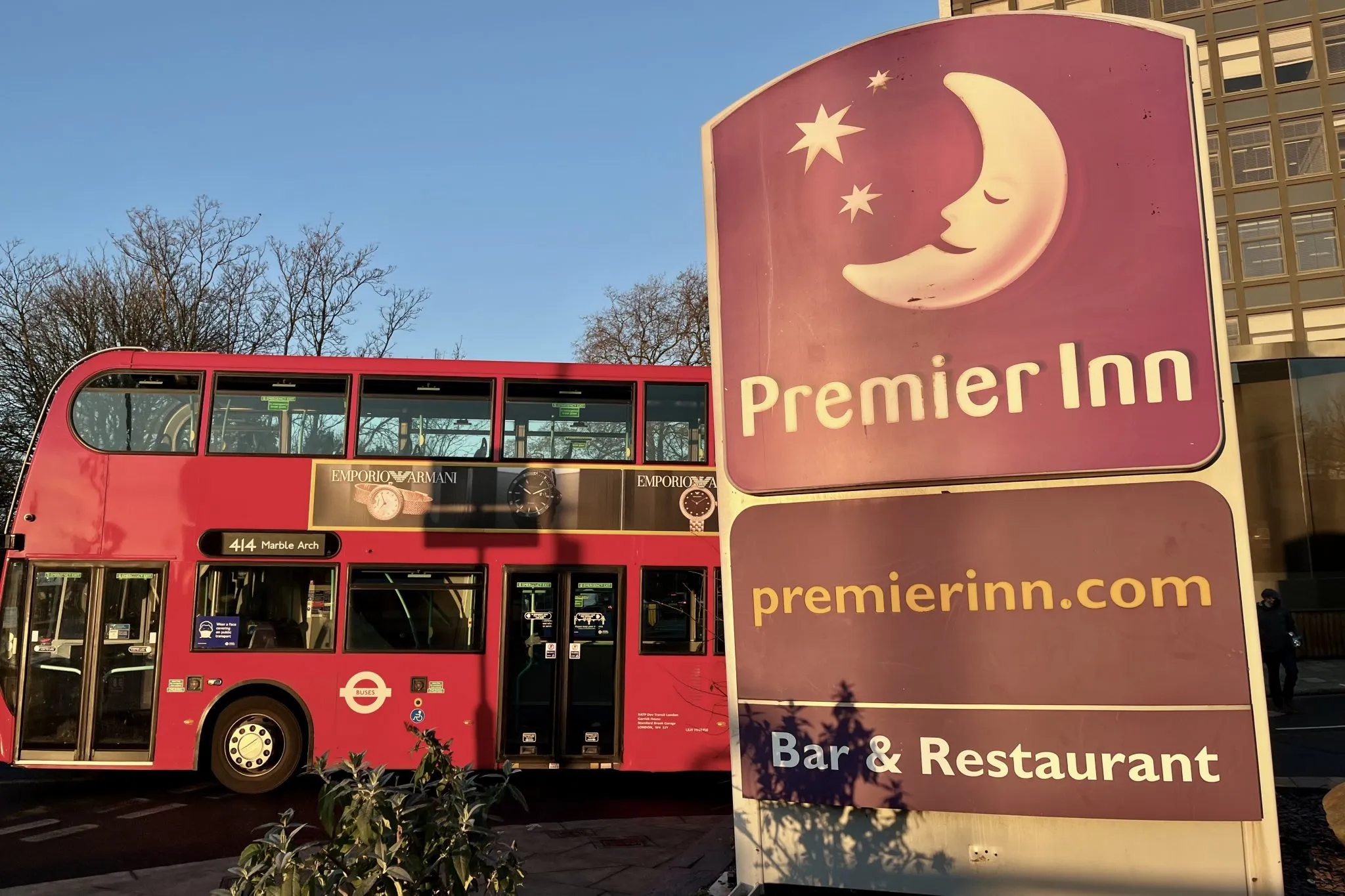
Whitbread plc, the owner of the UK’s largest hotel chain Premier Inn, utilized its first-quarter results announcement on Thursday to vigorously defend its ongoing strategic direction, pushing back against a persistent campaign by activist investor Corvex Management. The American hedge fund, which holds a significant stake of approximately 7% in the FTSE 100 company, has been vociferously advocating for a radical shift in Whitbread’s corporate strategy, primarily demanding a formal sale process for its highly successful Premier Inn brand. In the absence of such a divestment, Corvex has urged Whitbread to halt all growth-related capital expenditure outside of its existing “restaurant-to-rooms” conversion program and to instead return accumulated cash directly to shareholders. The pressure from Corvex has intensified to the point where the hedge fund has threatened to nominate its own slate of directors to Whitbread’s board if its demands are not met, setting the stage for a potential proxy battle that could redefine the future of one of the UK’s most recognizable hospitality giants.
On an earnings call held Thursday, Whitbread CEO Dominic Paul directly addressed the mounting pressure, offering an unequivocal defense of the company’s current spending and investment strategy. Paul emphasized that the capital allocation decisions being made are integral to driving long-term, sustainable value creation for all shareholders, rather than pursuing short-term financial maneuvers. This public rebuttal underscores a growing corporate standoff between a seasoned management team confident in its operational success and an activist investor determined to unlock what it perceives as latent value within the company’s asset portfolio.
A Robust First Quarter Bolsters Whitbread’s Stance
Whitbread’s first-quarter trading update, covering the 13 weeks to May 30, 2024, provided the company with a strong platform from which to articulate its strategic resilience. While specific detailed financial figures beyond the scope of this article’s initial source are not provided, Whitbread’s management highlighted robust performance indicators, particularly within its core Premier Inn UK business. The company reported strong like-for-like sales growth and impressive revenue per available room (RevPAR) figures, indicating a healthy post-pandemic recovery and continued market share gains in a competitive hospitality landscape. Occupancy rates across its UK estate reportedly held firm, with average room rates seeing a positive uplift. This performance was presented as tangible evidence that Whitbread’s current growth strategy, focused on expanding its Premier Inn footprint and optimizing existing assets, is yielding positive results and generating significant shareholder value over time.
Dominic Paul elaborated on the call, explaining that the continued investment in new Premier Inn hotels, both in the UK and its nascent German market, along is crucial for maintaining competitive advantage and capturing future growth opportunities. He also reiterated the strategic importance of the "restaurant-to-rooms" conversion program, which involves repurposing underperforming restaurant spaces within existing sites into additional hotel rooms. This initiative not only enhances operational efficiency and profitability per site but also demonstrates a commitment to asset optimization, directly countering arguments for a more drastic overhaul of capital allocation.
Corvex Management’s Demands: A Timeline of Activism
Corvex Management’s campaign against Whitbread is not an overnight development but rather the culmination of several months of increasing engagement and public pressure. Led by its founder Keith Meister, a protégé of Carl Icahn and a well-known figure in the world of activist investing, Corvex began accumulating its stake in Whitbread earlier in the year.
Timeline of Key Developments:
- Early 2024: Corvex Management initiates its stake-building in Whitbread, gradually accumulating shares in the open market, eventually reaching approximately 7% of the company’s total outstanding shares.
- March 2024: Reports begin to surface in the financial press, hinting at Corvex’s intentions and its growing dissatisfaction with Whitbread’s strategic direction, particularly its capital allocation policies.
- April 2024: Corvex Management formally communicates its demands to Whitbread’s board of directors, initially through private channels, advocating for a strategic review that would include the potential sale of Premier Inn.
- May 2024: The hedge fund escalates its campaign, making its demands public and outlining two primary options:
- Formal Sale Process: Initiate a comprehensive process to sell Premier Inn, arguing that the brand is undervalued within the current corporate structure and could fetch a significantly higher valuation as a standalone entity or through a sale to a private equity firm or another hospitality group.
- Capital Return and Growth Halt: If a sale is not pursued, Corvex demands that Whitbread cease all discretionary growth spending outside of the highly efficient "restaurant-to-rooms" conversion program. The capital freed up from this halt in expansion would then be returned to shareholders through special dividends or aggressive share buybacks.
- June 2024: Corvex ratchets up the pressure further by threatening to nominate its own slate of independent directors to Whitbread’s board ahead of the company’s upcoming Annual General Meeting (AGM). This move signals a willingness to engage in a proxy contest, seeking to gain direct influence over the company’s governance and strategic decisions.
- June 2024 (Present): Whitbread leverages its Q1 results announcement to publicly defend its strategy, with CEO Dominic Paul directly addressing and countering Corvex’s arguments, setting the stage for an intense period of corporate maneuvering.
Corvex’s rationale is rooted in a common activist playbook: the belief that Whitbread’s current market valuation does not fully reflect the intrinsic value of its assets, particularly Premier Inn. They contend that a "sum-of-the-parts" valuation would demonstrate a significant upside if Premier Inn were separated from the rest of Whitbread’s operations, which historically included other hospitality brands and, in the past, even Costa Coffee. By demanding a sale or a redirection of capital, Corvex aims to "unlock" this perceived trapped value for shareholders.
Whitbread’s Enduring Strategic Vision and Premier Inn’s Prowess
Whitbread’s journey from a diversified brewing and leisure conglomerate to a focused hospitality powerhouse is a testament to its long-term strategic planning. The company, founded in 1742, made a pivotal decision in 2019 to divest Costa Coffee to The Coca-Cola Company for £3.9 billion, signaling a clear commitment to becoming a pure-play hotel and restaurant operator. This move left Premier Inn as its crown jewel, alongside its Beefeater, Brewers Fayre, and Bar + Block restaurant brands.
Premier Inn is unequivocally the UK’s market leader in the budget hotel segment, boasting over 800 hotels and more than 80,000 rooms across the UK. Its success is built on a consistent offering of quality, value, and reliability, appealing to both business and leisure travelers. The brand’s strong direct booking channels and loyalty programs have also contributed to its robust profitability and high occupancy rates.
Whitbread’s current "Accelerating Growth Plan" centers on several key pillars:
- UK Expansion: Continuing to open new Premier Inn hotels in high-demand locations, both urban centers and strategic regional hubs, further solidifying its market dominance.
- Germany Expansion: Building a significant presence for Premier Inn in the German market, identified as a highly attractive, fragmented hotel market with strong long-term growth potential. This involves substantial upfront capital investment but is seen as a crucial driver of future international earnings.
- Digital Innovation: Investing in technology to enhance customer experience, optimize booking platforms, and improve operational efficiencies.
- Sustainability Initiatives: Committing to ambitious environmental targets, including reducing carbon emissions and waste, aligning with broader ESG (Environmental, Social, and Governance) investor trends.
- Asset Optimization: The aforementioned "restaurant-to-rooms" conversion program is a prime example of smart capital allocation, maximizing returns from existing properties without the need for new land acquisition or extensive construction.
CEO Dominic Paul’s defense highlights that the current strategy is not merely about growth for growth’s sake, but about disciplined, profitable expansion that leverages Premier Inn’s brand strength and operational efficiency. He argues that halting growth spending would be short-sighted, sacrificing significant long-term value creation for a temporary boost in shareholder returns, ultimately undermining the company’s competitive position and future earnings power. The company believes its current investments are generating a healthy return on capital and are well-justified by the strong performance seen in its Q1 results.
Broader Industry Context and Precedents of Activism
The clash between Whitbread and Corvex Management is playing out against a dynamic backdrop for both the global hospitality sector and the broader landscape of corporate activism. The UK hospitality market has demonstrated remarkable resilience post-pandemic, though it continues to navigate challenges such as inflationary pressures, labor shortages, and evolving consumer preferences. The budget hotel segment, where Premier Inn operates, has historically proven to be more robust during economic downturns, as consumers often trade down from more expensive options. Premier Inn’s asset-backed model, owning a significant portion of its hotel estate, also provides a strong underlying asset base, which can be attractive to activist investors looking for undervalued property plays.
The rise of activist investing in Europe has been a notable trend in recent years. While historically more prevalent in the United States, European companies, including major FTSE 100 constituents, have increasingly become targets. Activists often target companies they believe are underperforming, have undervalued assets, or possess inefficient capital structures. Recent examples of high-profile activist campaigns in the UK include those targeting Unilever, GlaxoSmithKline (GSK), and Shell, demonstrating that even large, well-established companies are not immune. These campaigns often follow a similar pattern: acquiring a significant stake, publicly articulating demands for strategic change (e.g., divestitures, spin-offs, capital returns, board changes), and escalating pressure through public statements and potential proxy fights.
Corvex Management, under Keith Meister, has a reputation for being an aggressive and persistent activist. Their involvement typically signals a serious intent to drive change, and companies often find themselves needing to either concede to some demands, negotiate a compromise, or prepare for a prolonged and costly public battle.
Financial Implications and Diverse Shareholder Perspectives
The demands from Corvex Management carry significant financial implications for Whitbread and its diverse shareholder base. A sale of Premier Inn, while potentially unlocking immediate capital, would fundamentally alter Whitbread’s business model. While it could generate a substantial cash windfall, the company would lose its primary growth engine and core profit driver, raising questions about its future strategic direction and ability to generate sustainable long-term returns. The valuation of Premier Inn as a standalone entity would be a complex exercise, factoring in market conditions, potential buyers, and the strategic premium a buyer might be willing to pay.
Conversely, halting growth spending would lead to a temporary increase in free cash flow, allowing for enhanced shareholder returns in the short term. However, this could stunt Premier Inn’s expansion, cede market share to competitors, and ultimately diminish its long-term earnings potential. Whitbread’s management clearly believes that the current capital expenditure is an investment in future growth that will yield greater returns than immediate cash distribution.
Shareholders in Whitbread likely hold varying perspectives. Short-term investors and hedge funds might be more inclined to support Corvex’s push for immediate value realization, seeing an opportunity for a quick return on investment. Long-term institutional investors, pension funds, and retail shareholders, however, might prioritize the stability, consistent growth, and dividend income generated by Whitbread’s current strategy, fearing that a radical change could destabilize the company and diminish its long-term prospects. The board’s fiduciary duty is to all shareholders, necessitating a careful balancing act between these often-conflicting interests. Analyst reactions to the standoff have been mixed, with some acknowledging the potential for value creation through a spin-off or sale, while others support Whitbread’s disciplined growth strategy, particularly given Premier Inn’s strong brand and market position.
The Road Ahead: A Crucial Juncture
The coming months will be a crucial period for Whitbread. The company’s management team, led by Dominic Paul, faces the challenge of not only executing its stated strategy but also effectively communicating its value proposition to all shareholders in the face of persistent activist pressure. They will need to demonstrate unequivocally that their current investment plan is indeed the most effective path to maximizing long-term shareholder value.
Corvex Management, on its part, will likely continue to articulate its case publicly, potentially leveraging analyst reports, investor presentations, and direct engagement with other major shareholders to garner support for its proposals. The threat of nominating directors for a proxy vote at the AGM is a serious one, indicating that Corvex is prepared for a direct confrontation if its demands are not met. A proxy battle would involve significant resources from both sides, diverting management attention and potentially creating uncertainty in the market.
Ultimately, the resolution of this standoff could take several forms: Whitbread could continue to steadfastly reject Corvex’s demands, banking on its strong operational performance and the support of its broader shareholder base. Alternatively, the company might engage in negotiations with Corvex, potentially agreeing to some form of compromise, such as a more aggressive share buyback program or a commitment to a future strategic review, without necessarily resorting to a full sale of Premier Inn. A full-blown proxy fight at the AGM remains a distinct possibility, making the outcome highly dependent on the sway each party can hold with the wider investment community.
The strategic direction of Whitbread, and by extension the future trajectory of Premier Inn, hangs in the balance as this high-stakes corporate drama unfolds. The company’s ability to defend its vision and deliver compelling returns will be under intense scrutiny, shaping not only its own destiny but also providing a fresh case study in the evolving dynamics between corporate management and activist investors.



 Chandra Hamzah
 Gabriela Annisa
 Hendra Ismail
 Walid Sujud Trenggono
 Budi Mulyono