
 Tatiana Tantri Indah Sari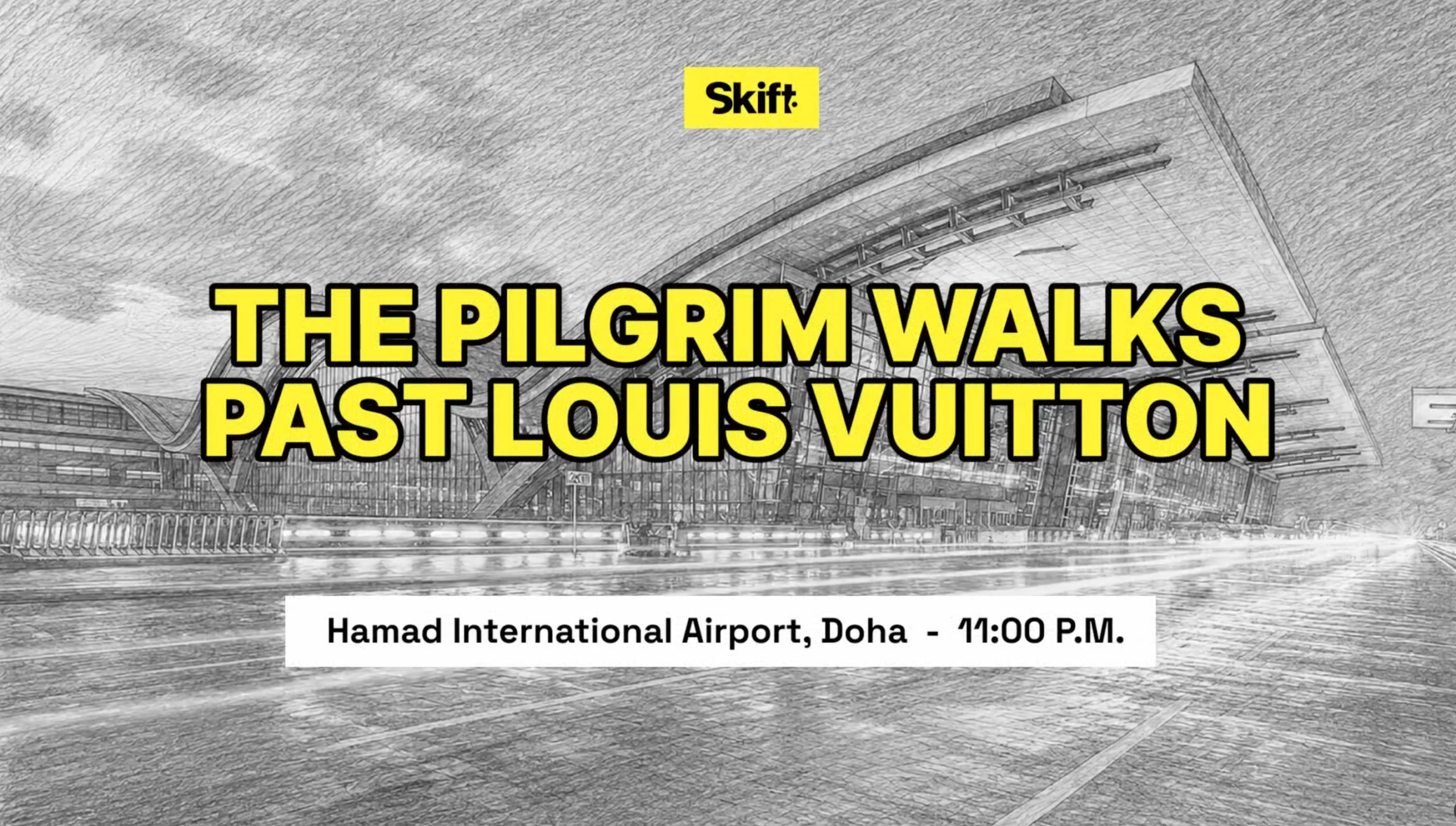
The largest purpose-driven travel flow on earth passes through the most commercially aspirational spaces on earth, and the dissonance is jarring if one observes closely the diverse tapestry of humanity walking past the glittering Hermes store and other luxury showcases within the world’s leading transit hubs. This phenomenon, particularly pronounced in the rapidly expanding airport ecosystems of the Gulf region, presents a compelling study in global economics, national ambition, and the multifaceted realities of modern air travel. It encapsulates a profound juxtaposition between the often-stark necessities driving millions of travelers and the opulent commercial environments designed to project wealth and prestige, underscoring the competing theories of national relevance playing out across these vital gateways.
Contextualizing the Phenomenon: The Gulf’s Strategic Imperative
The rise of Gulf hub airports—such as Dubai International (DXB), Hamad International (DOH) in Doha, and King Fahd International (DMM) in Dammam, among others—is not merely an outcome of geographical good fortune. It is the result of decades of strategic planning and monumental investment aimed at diversifying economies away from hydrocarbon reliance and establishing these nations as indispensable nodes in global trade, tourism, and logistics. Situated at the crossroads of East and West, these airports have leveraged their location to become critical transit points connecting Asia, Africa, Europe, and the Americas.
This strategic pivot began in earnest in the late 20th and early 21st centuries. Emirates Airline, established in 1985, and Qatar Airways, founded in 1993, along with their respective state-of-the-art airports, became the physical manifestations of these ambitions. Early expansions focused on capacity and efficiency, handling the burgeoning demand for international air travel. By the 2010s, the vision expanded significantly, incorporating not just transit efficiency but also a robust commercial ecosystem designed to maximize non-aeronautical revenues and enhance national branding. The goal was to transform mere layover points into destinations in themselves, offering world-class retail, dining, and leisure experiences.
The Dual Demography of Travelers: Purpose vs. Aspiration
At the heart of the "jarring dissonance" lies the stark contrast in the motivations and socioeconomic profiles of the travelers flowing through these hubs. On one hand, there is the colossal "purpose-driven travel flow." This segment largely comprises:
- Migrant Workers: Millions of individuals, primarily from South Asia, Southeast Asia, and parts of Africa, transit through these airports en route to employment opportunities in the Gulf states, Europe, or other parts of Asia. Their journeys are often driven by economic necessity, supporting families back home. Their luggage typically contains practical items, gifts for relatives, or tools of their trade. For them, the airport is a functional conduit, a means to an end.
- Religious Pilgrims: A significant proportion of passengers are Muslims undertaking the Hajj or Umrah pilgrimages to Mecca and Medina in Saudi Arabia. These journeys are deeply spiritual, often representing years of saving and sacrifice. Their focus is spiritual fulfillment, not luxury consumption.
- Families and Students: Many travel to visit relatives, return home for holidays, or pursue educational opportunities abroad. These trips are often budget-conscious, with an emphasis on affordability and efficiency.
- Business Travelers: While some business travelers represent the high-end, many are on corporate assignments, focused on productivity and timely connections rather than leisure shopping.
These travelers, though diverse in origin and destination, share a common thread: their travel is often non-discretionary, driven by obligations, work, or faith. Their interaction with the airport’s commercial offerings is typically limited to essential purchases, quick meals, or perhaps a small souvenir.
On the other hand, the "commercially aspirational spaces" are meticulously curated to cater to a different demographic: high-net-worth individuals, luxury tourists, and affluent business travelers. These spaces are characterized by:
- Luxury Retail Outlets: Stores featuring iconic brands like Hermes, Chanel, Louis Vuitton, Rolex, and other high-end fashion, jewelry, and watchmakers. These establishments are designed to exude exclusivity and offer premium shopping experiences, often leveraging the duty-free advantage.
- Gourmet Dining and Exclusive Lounges: High-end restaurants, champagne bars, and luxurious airline lounges cater to those seeking refined culinary experiences and unparalleled comfort.
- Architectural Grandeur and Art Installations: The terminals themselves are often architectural marvels, adorned with impressive art, water features, and spacious, aesthetically pleasing designs, intended to create an atmosphere of luxury and sophistication.
This strategic bifurcation aims to capture spending from all segments, but the visual and experiential contrast between the two is undeniable.
The Commercial Imperative: Driving Non-Aeronautical Revenue
The investment in these opulent retail and hospitality spaces is not purely for aesthetics; it is a critical component of the airports’ financial models and the nations’ economic diversification strategies. Non-aeronautical revenues, derived from retail, food and beverage, advertising, car parking, and property rentals, are increasingly vital for airport profitability and sustainability. In many major global airports, these revenues can account for 40-60% of total income, offsetting the often-tight margins on aeronautical services.
For Gulf hubs, with their enormous passenger throughput, the potential for commercial revenue is immense. While the majority of passengers might not engage with luxury retail, the sheer volume ensures that even a small percentage of high-spending travelers can generate significant income. Furthermore, the aspirational environment itself serves as a branding tool, reinforcing the image of the Gulf nations as sophisticated, modern, and globally connected.
Data supports this emphasis. According to industry reports, global airport retail sales reached tens of billions of dollars annually pre-pandemic, with a significant portion attributed to luxury goods. The Middle East, in particular, has seen a robust growth in its luxury market, driven by both local demand and the influx of international tourists and transit passengers. Airport duty-free zones become critical points of sale, leveraging the allure of tax-free shopping.
National Branding and Soft Power: Beyond the Balance Sheet
Beyond immediate financial returns, the development of these grandiose airport environments serves broader national objectives, contributing to soft power projection and nation branding.
- Global Image: The airports act as the primary gateway and first impression for millions. A luxurious, efficient, and technologically advanced airport signals a nation’s modernity, ambition, and capability on the global stage. It aligns with visions such as UAE Vision 2071 and Saudi Vision 2030, which emphasize becoming leading global economies and attractive tourist destinations.
- Tourism Promotion: By offering an unparalleled travel experience, airports aim to encourage transit passengers to extend their stays or plan future visits to the country itself. The retail offerings, while catering to an international clientele, also subtly showcase local culture and luxury offerings.
- Economic Diversification: The airport ecosystem supports a vast network of businesses, from construction and logistics to hospitality and retail, creating jobs and fostering economic growth in non-oil sectors. This is a core pillar of the Gulf nations’ long-term economic strategies.
- Logistics Hubs: The airports are integral components of larger logistics networks, including seaports and free zones, positioning these nations as central nodes for global trade and distribution.
The Chronology of Expansion and Evolution
The evolution of Gulf airports reflects a deliberate, phased strategy:
- 1980s-1990s: Foundational Growth: Initial investment in infrastructure to support nascent national carriers and capture early transit traffic. Focus on basic efficiency and capacity.
- 2000s: Rapid Expansion & Hub Development: Significant investments in new terminals, runways, and expanded fleets. Emirates, Qatar Airways, and Etihad establish themselves as major global players. Passenger numbers surge, necessitating larger, more modern facilities.
- 2010s: Commercialization & Luxury Integration: Conscious shift towards maximizing non-aeronautical revenues. Introduction of high-end retail, gourmet dining, and enhanced passenger experiences. Architectural ambition becomes a hallmark, with projects like Dubai International’s Concourse A (A380 specific) and Hamad International’s iconic design.
- 2020s and Beyond: Hyper-Connectivity & Mega-Projects: Continued expansion plans, including new mega-airports like Dubai World Central (Al Maktoum International) and the planned expansion of King Salman International Airport in Riyadh, Saudi Arabia. These projects aim for unprecedented scale, integrating smart technologies, sustainable practices, and even more elaborate commercial and leisure offerings, further cementing their status as global hubs.
Navigating the Dissonance: Challenges and Opportunities
The "jarring dissonance" is not without its challenges. For airport operators and national strategists, the key lies in effectively serving both the purpose-driven traveler and the aspirational consumer without alienating either.
- Traveler Experience: Ensuring that the practical needs of transit passengers (affordable food, comfortable seating, clear signage, efficient connections) are met, even amidst the luxury offerings, is paramount. Long layovers for budget-conscious travelers can become arduous if basic amenities are overshadowed by high-end retail.
- Branding Authenticity: While luxury projects an image of sophistication, there’s a need to ensure that the national brand remains authentic and inclusive. The contrast could inadvertently highlight socioeconomic disparities if not managed carefully.
- Retail Strategy: Optimizing the mix of retail offerings to cater to a broad spectrum of spending power is crucial. This means balancing high-end boutiques with accessible duty-free shops, convenience stores, and varied dining options. Data analytics on passenger flows and purchasing patterns become invaluable here.
However, this dissonance also presents unique opportunities:
- Integrated Experiences: Future airport designs could explore more seamlessly integrated zones that cater to different needs, perhaps with distinct "villages" or precincts within terminals—one for essential services and transit efficiency, another for luxury retail and leisure.
- Cultural Immersion: The airports can become showcases not just for global luxury brands but also for local culture, art, and heritage, offering experiences that resonate with all travelers and provide a deeper sense of place.
- Digital Innovation: Leveraging technology to personalize the airport experience, from pre-ordered duty-free items to targeted information about services relevant to a traveler’s journey, can enhance satisfaction across all demographics.
Implications for Global Travel and National Development
The ongoing evolution of Gulf hub airports and their unique commercial strategies carry significant implications:
- Shifting Power Dynamics in Aviation: The sustained investment and growth of these hubs continue to challenge traditional aviation powerhouses in Europe and North America, reshaping global flight patterns and competitive landscapes.
- Economic Impact: The airports serve as powerful engines for economic growth, fostering job creation, attracting foreign investment, and supporting the diversification goals of their respective nations.
- Social Cohesion (or lack thereof): The visual and experiential divide within these spaces can subtly reflect broader global socioeconomic inequalities. How these nations choose to address this in future designs and operational strategies will be telling.
- Future of Airport Design: These hubs are laboratories for innovation in airport management, retail strategy, and passenger experience. Their successes and challenges will inform the design of future airports worldwide, particularly in rapidly developing regions.
In conclusion, the Gulf’s leading airports stand as colossal monuments to national ambition, global connectivity, and economic diversification. The "jarring dissonance" observed within their glittering halls is not merely an architectural or commercial quirk; it is a profound reflection of the complex interplay between human necessity and aspirational commerce, a microcosm of globalization itself. As these hubs continue to expand and evolve, their ability to harmoniously integrate the diverse needs and desires of the world’s most extensive purpose-driven travel flow with their commercially aspirational environments will be a testament to their long-term vision and success.


 Chandra Hamzah
 Gabriela Annisa
 Hendra Ismail
 Walid Sujud Trenggono
 Budi Mulyono