
 Chandra Hamzah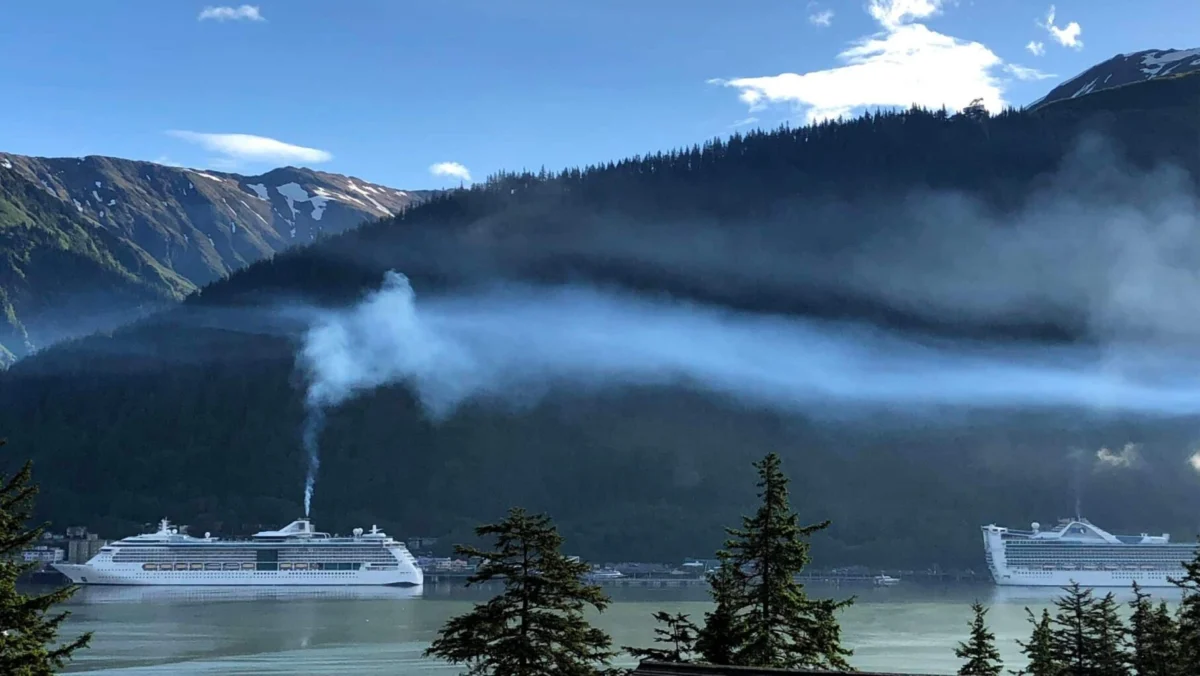
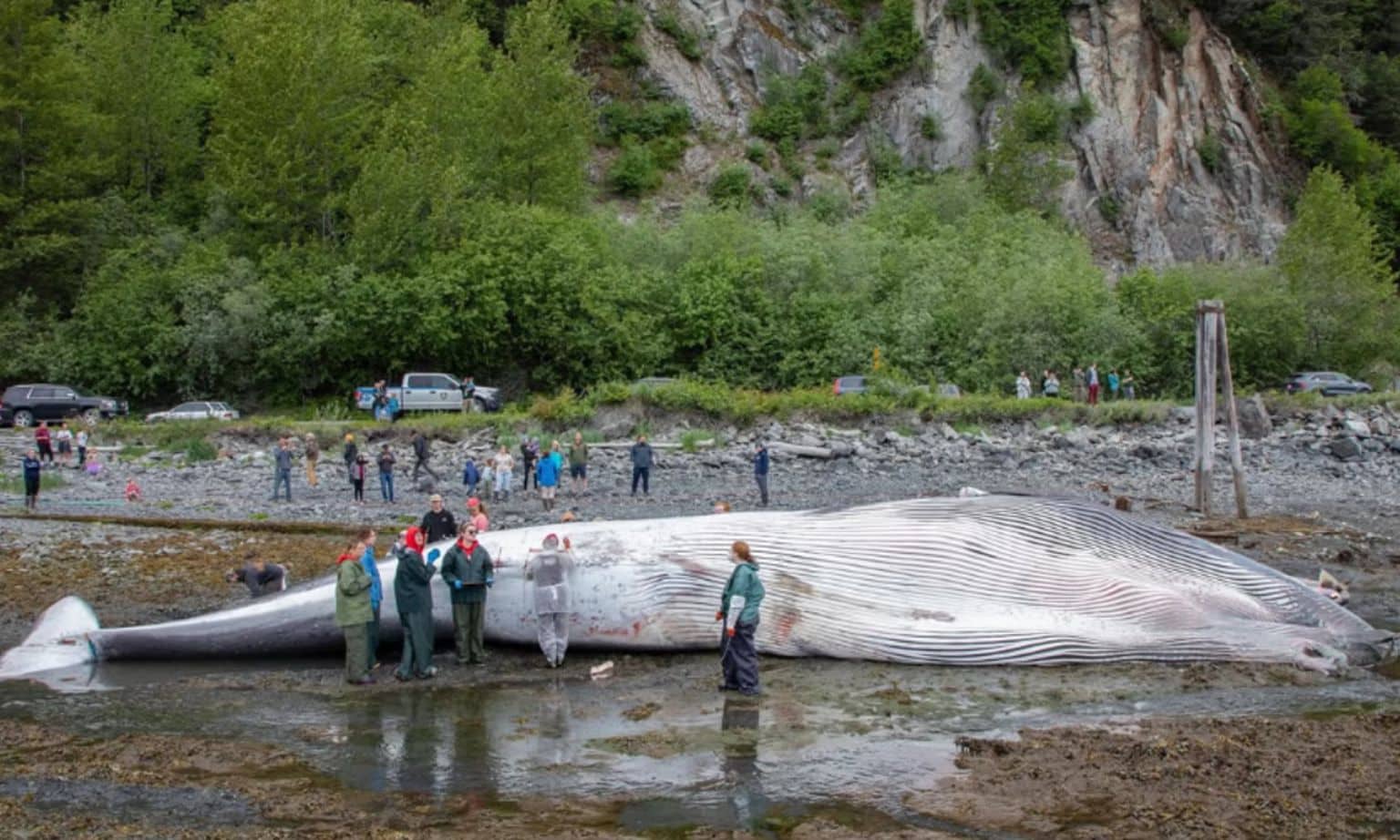
The serene waters of Alaska, a sanctuary for some of the planet’s most magnificent marine life, have become the scene of a tragic collision, igniting a fierce debate over the impact of burgeoning cruise tourism on endangered whale populations. The arrival of Royal Caribbean’s behemoth vessel, Ovation of the Seas, at the port of Seward with a deceased fin whale impaled on its bow has amplified long-standing concerns among environmental advocates, pushing for immediate and decisive action to curb what they deem an escalating threat to marine mammals.
The grim discovery aboard the Ovation of the Seas has galvanized environmental organizations, particularly the Centre for Biological Diversity, which has been at the forefront of advocating for stricter regulations on maritime traffic in Alaskan waters. Cooper Freeman, the Alaska director for the Centre, did not mince words in a strongly worded open letter addressed to Royal Caribbean. "I’m infuriated that this supersized cruise ship hit an endangered whale in such a horrific way," Freeman stated, his message underscoring the profound emotional and ecological distress caused by the incident. He further emphasized the need for accountability, asserting, "Royal Caribbean must be held accountable for this gruesome death and take immediate action to avoid this happening again."
At the heart of the environmentalists’ plea is a call for the implementation of mandatory speed limits for all cruise ships navigating Alaskan waters. Specifically, the Centre for Biological Diversity is advocating for a maximum speed of 10 knots, a figure they contend is supported by scientific consensus. "The best available science establishes that vessel speed is the single most important factor affecting both the probability of a whale strike and the lethality of that strike," Freeman elaborated in his letter. "Adopting 10 knots as a mandatory speed limit for your cruise ships will therefore better protect large whales from suffering deadly ship strikes."
The Growing Threat of Ship Strikes in Alaskan Waters
This incident is far from an isolated event. The Centre for Biological Diversity has a history of campaigning for reduced speeds in these vital marine corridors, even resorting to legal action. The organization previously filed a lawsuit against the U.S. Coast Guard, alleging a failure to adequately protect whales within established shipping lanes. Their persistent argument is that ship strikes have become the leading cause of mortality for whales in the region, a particularly alarming statistic given that many of these species are already classified as endangered.
The tragic fate of the fin whale aboard the Ovation of the Seas was further detailed by an investigation conducted by the National Oceanic and Atmospheric Administration (NOAA). Preliminary findings revealed that the whale was not only deceased upon arrival but was also pregnant. The cause of death was determined to be blunt force trauma, with injuries sustained across multiple parts of its body, including its spine, ribs, and jaw, painting a devastating picture of the impact.
Alaska’s rich marine ecosystem is a crucial habitat for a diverse array of whale species, including humpbacks, orcas, grey whales, beluga whales, fin whales, and blue whales. Alarmingly, several of these, such as sperm whales, North Pacific right whales, blue whales, and fin whales, are listed as endangered, making any preventable mortality event a significant ecological blow.
The Cruise Industry’s Significant Presence in Alaska
The timing of the cruise season, which spans the northern hemisphere’s summer months, unfortunately coincides directly with Alaska’s vibrant whale watching season. This convergence makes Alaska an immensely popular destination for cruise-goers eager to witness these majestic creatures in their natural habitat. Whales typically migrate to Alaskan waters during these months to feed, having spent their winter in warmer climes in regions such as Hawaii, Mexico, and Central America.
The sheer scale of the cruise industry in Alaska presents a significant challenge. In 2023, Alaska saw a substantial increase in cruise ship passenger numbers, with projections indicating continued growth. While these numbers contribute significantly to the state’s economy, they also translate to increased maritime traffic. For instance, in 2023, major Alaskan ports like Juneau, Skagway, and Ketchikan hosted millions of cruise passengers, with hundreds of ship calls throughout the season. This surge in vessels, many of which are among the largest passenger ships in the world, inevitably raises concerns about their interaction with marine life.
A Pattern of Tragic Collisions
The incident involving the Ovation of the Seas is not an anomaly within the cruise industry. Earlier this year, a similar distressing event occurred when an endangered Sei whale was discovered dead on the bow of the MSC Meraviglia upon its arrival in Brooklyn. Such recurring incidents highlight a systemic issue that environmentalists argue requires more than just individual company action; it demands regulatory intervention.
Scientific Basis for Speed Reductions
The scientific rationale behind advocating for slower vessel speeds is robust. Studies consistently demonstrate a direct correlation between a ship’s speed and the likelihood of a collision with a whale, as well as the severity of the resulting injury. A 2017 report by the National Marine Fisheries Service highlighted that reducing vessel speeds to 10 knots or less could significantly decrease the risk of fatal whale strikes, potentially by as much as 50-70% for certain species. The physics are straightforward: at lower speeds, vessels have a greater chance of detecting whales and altering course, and if a collision is unavoidable, the impact force is substantially reduced, offering a better chance of survival for the animal.
The whale migration patterns in Alaska are well-documented. Fin whales, for instance, are known to frequent the waters off the Alaskan coast during the summer months, foraging for food. Their presence in areas with significant shipping lanes, coupled with their size and migratory nature, makes them particularly vulnerable to ship strikes. The fact that the deceased whale was pregnant adds another layer of tragedy, representing not just the loss of an individual but also the loss of future generations.
Potential Economic and Environmental Implications
The debate over cruise ship speed limits in Alaska presents a complex interplay between economic interests and environmental stewardship. The cruise industry is a vital economic engine for many Alaskan communities, providing jobs and revenue. However, environmental groups argue that the long-term health of Alaska’s ecosystems, which are a primary draw for tourism, is being jeopardized.
A continued pattern of whale strikes could lead to increased public pressure for stricter regulations, potentially impacting the cruise industry’s operational freedom and profitability. Conversely, proactive measures such as mandatory speed limits could be framed as a commitment to sustainable tourism, potentially enhancing Alaska’s reputation as an environmentally responsible destination.
The Path Forward: Regulation and Responsibility
Environmental organizations are urging state and federal authorities to take a more active role in protecting marine life. Cooper Freeman’s letter to Royal Caribbean is a clear call for corporate responsibility, but the broader sentiment is that voluntary measures are insufficient. The Centre for Biological Diversity’s legal actions underscore a belief that regulatory frameworks are necessary to ensure compliance and achieve meaningful change.
The U.S. Coast Guard and NOAA, as the primary federal agencies involved in maritime safety and marine mammal protection, face increasing scrutiny. Their role in setting and enforcing speed limits, managing shipping lanes, and collaborating with the industry will be critical in determining the future of whale conservation in Alaska.
As Alaska continues to grapple with the impacts of its popular cruise tourism industry, the tragic collision involving the Ovation of the Seas serves as a stark reminder of the delicate balance between human activity and the natural world. The coming months will likely see intensified discussions and potentially new policy initiatives aimed at preventing further such devastating encounters and safeguarding Alaska’s iconic marine inhabitants for generations to come. The science is clear, the stakes are high, and the demand for action is growing louder with each unfortunate incident.



 Anjar Salim
 Tatiana Tantri Indah Sari
 Budi Mulyono
 Lukman Taruna Persada Ramadan
