
 Susilo Edi Turonggo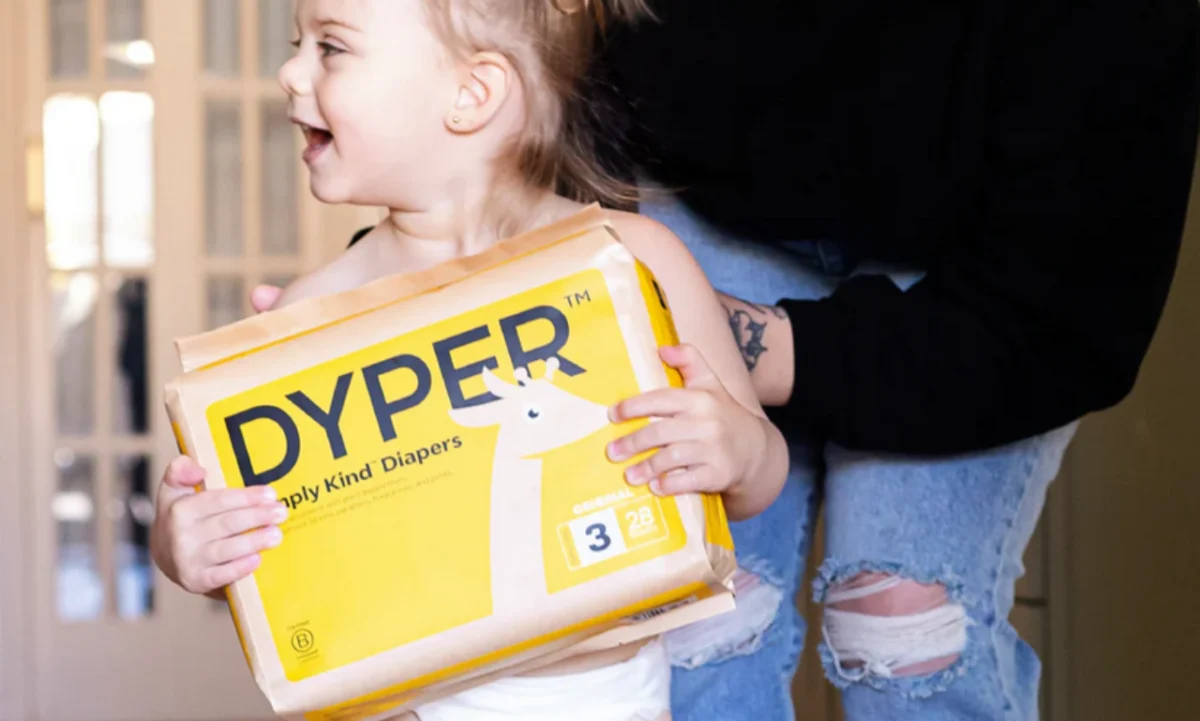
The pervasive issue of infant waste presents a significant challenge for both environmental sustainability and public health. Babies, from birth through their early toddler years, generate an astonishing volume of waste, primarily in the form of disposable diapers. Conservative estimates suggest that an average baby will use approximately 6,000 diapers within their first two years of life. This staggering figure underscores a pressing need for innovative solutions beyond the traditional binary choice between conventional disposable diapers and often impractical reusable cloth options.
Traditional single-use disposable diapers are not merely a waste management conundrum; they represent a complex problem with far-reaching environmental and health implications. Composed predominantly of plastics, super-absorbent polymers, and cellulose pulp, these diapers are designed for convenience but typically take centuries to decompose in landfills. The plastic components, such as polyethylene and polypropylene, contribute to microplastic pollution, while the decomposition of organic waste within landfills generates methane, a potent greenhouse gas significantly more impactful than carbon dioxide over a short timeframe. Beyond the environmental footprint, the chemical cocktail often found in conventional disposable diapers raises serious health concerns for infants. From the plasticizers and dyes to the fragrances and chlorine used in their manufacturing, these components have been linked to a spectrum of adverse health outcomes, including endocrine and reproductive disorders, acute skin rashes, and even potential long-term risks such as testicular cancer.
The regulatory landscape governing baby diapers in many regions, including the United States, offers limited consumer protection. For instance, the Consumer Product Safety Commission (CPSC) in the U.S. primarily mandates testing for lead content, leaving a vast array of other potentially harmful chemicals—including carcinogens, endocrine-disrupting chemicals, and volatile organic compounds (VOCs)—largely unregulated and undisclosed. This regulatory gap leaves parents largely unaware of the full chemical exposure their infants may experience from a product in constant contact with their delicate skin.
The genesis of Dyper, a company dedicated to plant-based, compostable single-use diapers, emerged from a personal observation by its co-founder, Tony Patron. Confronted weekly by overflowing trash bins brimming with conventional plastic diapers, Patron and his business partner recognized an urgent need for systemic change. This realization marked the beginning of their journey to develop a high-performance, non-toxic, and environmentally responsible diapering solution, culminating in the creation of Dyper and its groundbreaking REDYPER™ program.
The Mounting Crisis of Diaper Waste: A Deeper Dive
The global scale of diaper waste is immense. Annually, billions of disposable diapers are discarded worldwide, contributing significantly to municipal solid waste streams. In the United States alone, disposable diapers account for an estimated 3.4 million tons of waste each year, making them one of the largest contributors to landfill volume. Unlike other common household waste items, disposable diapers are particularly problematic due to their composite nature, which hinders effective recycling, and their slow degradation rates. A single conventional disposable diaper can take up to 500 years to break down, meaning that every disposable diaper ever used still largely exists in some form today. This perpetual presence in landfills not only consumes vast amounts of space but also poses ongoing environmental threats, including the potential for leachate contamination of groundwater and the continuous release of greenhouse gases from anaerobic decomposition.
The alternative of reusable cloth diapers, while environmentally preferable in many aspects, often presents practical hurdles for contemporary parents. The demands of washing, sanitizing, and managing cloth diapers can be time-consuming and labor-intensive, particularly for dual-income households, single parents, or those with limited access to laundry facilities. While cloth diapers have seen a resurgence among eco-conscious families, their widespread adoption is constrained by these logistical challenges, creating a persistent market demand for convenient, single-use options.
Unmasking the Hidden Dangers: Chemicals in Traditional Diapers
The health concerns associated with conventional disposable diapers extend beyond the general notion of "chemicals." Specific compounds frequently detected in these products include:

- Dioxins: By-products of the chlorine bleaching process used to whiten diaper pulp. Dioxins are highly toxic environmental pollutants known carcinogens and endocrine disruptors.
- Phthalates: Plasticizers used to make plastics more flexible. They have been linked to reproductive issues, hormonal imbalances, and developmental problems, particularly in boys.
- Volatile Organic Compounds (VOCs): Chemicals like toluene, xylene, and ethylbenzene, which can off-gas from diaper materials. These can contribute to respiratory irritation, headaches, and other symptoms.
- Fragrances: Often contain hundreds of undisclosed chemicals, many of which are known allergens or irritants. These can cause skin rashes, asthma, and other respiratory problems.
- Super-absorbent Polymers (SAPs): While generally considered safe, some early formulations of SAPs were linked to toxic shock syndrome, and their long-term effects on infant skin are still a subject of ongoing study.
The consistent exposure of an infant’s highly permeable skin to these chemicals, particularly in a warm, moist environment like a diaper, amplifies the potential for absorption and adverse health effects. The lack of stringent regulation and transparency in ingredient disclosure means that parents are often purchasing products without full knowledge of their chemical composition, making informed choices exceedingly difficult.
Dyper’s Genesis: An Engineer’s Solution to a Parental Problem
Tony Patron’s background as an engineer, coupled with his new experience as a father, positioned him uniquely to tackle the systemic issues within the diaper industry. His initial efforts involved exploring partnerships with existing companies manufacturing compostable diapers. However, the vision soon evolved into the formation of Dyper, a company committed to not just biodegradable materials, but a holistic approach encompassing non-toxic components, high performance, and a practical end-of-life solution.
The core mission of Dyper was articulated as "plants over plastic for happy babies." This philosophy guided the product development team in their diligent pursuit of materials that were both effective and environmentally benign. While some technological components, such as Velcro fasteners, are not yet available in fully biodegradable form, Dyper’s commitment is to maximize the use of plant-based and compostable elements. Patron emphasized the brand’s dedication to performance, stating, “Our goal is to provide a diaper that performs equally to any other diaper on the market in terms of absorbency, fit, and comfort, and ensuring that we don’t have any skin irritation.” This commitment ensures that parents do not have to compromise on functionality when choosing a sustainable option.
Innovating with Nature: Dyper’s Material Science and Certifications
Dyper distinguishes itself through its meticulous selection of materials and rigorous third-party certifications. The brand primarily utilizes fast-growing, sustainably sourced plant-based materials, including US-grown FSC-certified bamboo and eucalyptus fibers. The Forest Stewardship Council (FSC) certification ensures that the wood pulp used comes from responsibly managed forests, promoting environmental conservation and social benefits. The viscose bamboo used by Dyper is sourced from an Oeko-Tex certified supplier, a standard that guarantees textiles are free from harmful substances and are safe for human use.
Transparency is a cornerstone of Dyper’s approach. The brand meticulously labels each layer of its diapers with its specific components, providing conscious parents with complete clarity regarding what touches their baby’s skin. This level of disclosure stands in stark contrast to the often opaque ingredient lists of conventional diapers. Further validation of Dyper’s commitment to sustainability and safety comes from its product certifications:
- USDA BioPreferred 55% Product (Diapers): This certification signifies that the diapers are composed of at least 55% biobased materials, highlighting their plant-derived content.
- USDA BioPreferred 95% Product (Wipes): Similarly, the wipes demonstrate an even higher percentage of biobased materials, underscoring their natural composition.
- Oeko-Tex Standard 100: This certification, applied to the diaper products themselves, ensures that every component, from the fabric to the thread, has been tested for harmful substances and is therefore harmless for human health.
- DermaTest 5-Star Certification: A highly regarded dermatological testing seal, this certification guarantees that Dyper diapers will not cause any skin reactions, providing peace of mind for parents concerned about sensitive skin, eczema, and rashes.
Beyond these external validations, Dyper conducts its own extensive testing through third-party laboratories to verify the non-toxic nature and compostability of its products. This multi-layered approach to material sourcing, manufacturing, and certification reinforces Dyper’s claim of offering a truly safer and more sustainable diapering solution.
Plants Over Plastic: Performance Meets Planetary Responsibility
The philosophy of "plants over plastic" encapsulates Dyper’s holistic approach to diaper design. By eschewing harmful chemical additives and relying on natural fibers, Dyper has engineered diapers that are entirely free from phthalates, latex, parabens, chlorine, and synthetic fragrances—common irritants found in many supermarket brands. The inherent qualities of bamboo and eucalyptus fibers make them exceptionally soft, breathable, and gentle on an infant’s delicate skin, significantly reducing the likelihood of rashes and discomfort.
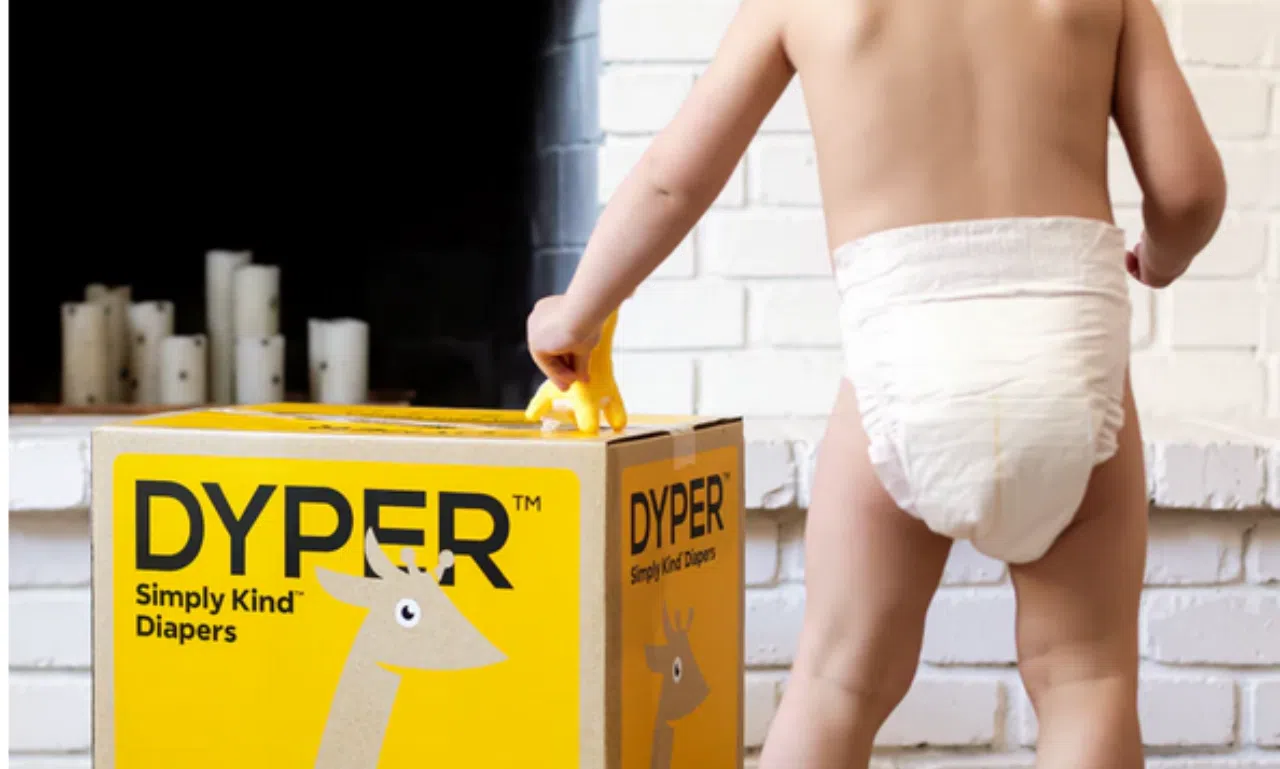
Crucially, Dyper’s commitment to sustainability does not come at the expense of performance. The diapers are engineered to be highly absorbent and leak-proof, rivaling the efficacy of conventional options. This ensures that babies remain dry and comfortable, while parents benefit from the peace of mind that comes with reliable protection. The brand’s dedication to sustainability extends beyond the product itself to its packaging, which also utilizes sustainable materials wherever feasible to minimize environmental impact.
The REDYPER™ Program: Closing the Loop on Diaper Waste
Perhaps the most innovative aspect of Dyper’s offering is its optional REDYPER™ program, a unique compostable diaper disposal service. This program addresses the critical challenge of post-consumer waste by providing a practical pathway for the proper disposal of used plant-based diapers. The mechanics of REDYPER™ are straightforward: parents enrolled in the program collect used Dyper diapers and wipes, which are then picked up weekly or bi-weekly (depending on state availability) or shipped back to Dyper. These collected materials are subsequently transported to partner commercial composting facilities.
At these specialized facilities, the plant-based components of the diapers undergo a controlled composting process, breaking down within 14 to 16 weeks into nutrient-rich soil amendments. Non-compostable elements, such as the small Velcro tabs, are carefully separated and disposed of responsibly. This program represents a significant departure from traditional waste management, where all diapers, regardless of their material composition, are sent to landfills. As of today, the REDYPER™ program has successfully diverted over 14 million pounds of waste from landfills, demonstrating a tangible and measurable impact on environmental preservation. This initiative is particularly vital given the limited access to industrial composting facilities for individual consumers, effectively closing the loop on a product traditionally destined for centuries of decomposition.
Broader Implications: Shifting the Paradigm of Baby Care
Dyper’s emergence and the success of its model signal a broader shift in the consumer landscape and the baby care industry. Parents are increasingly prioritizing not only the safety and comfort of their children but also the environmental impact of their purchasing decisions. This growing demand for eco-friendly and non-toxic products is compelling manufacturers to innovate and adopt more sustainable practices.
The implications of companies like Dyper gaining traction are multifaceted:
- Environmental Impact: A significant reduction in landfill waste, greenhouse gas emissions, and plastic pollution.
- Public Health: Minimized exposure of infants to potentially harmful chemicals, contributing to better long-term health outcomes.
- Consumer Empowerment: Greater transparency and availability of informed choices for parents who wish to align their values with their consumption.
- Industry Innovation: Encourages other manufacturers to invest in research and development for sustainable materials and circular economy models.
- Infrastructure Development: Highlights the need for expanded composting infrastructure to support the scaling of such programs, potentially driving investment in this critical area of waste management.
While the REDYPER™ program is not universally available across all states due to varying composting infrastructure and regulations, its success in existing markets demonstrates the viability and demand for such services. The challenges for sustainable diaper companies include the often higher production costs associated with plant-based materials and advanced certifications, which can translate into a higher retail price compared to conventional diapers. However, as consumer awareness grows and economies of scale are achieved, these costs may become more competitive.
Dyper offers flexible purchasing options, including subscriptions and one-time purchases, making their products accessible to a wide range of parents. With Dyper, parents are not merely choosing a high-performing diaper; they are investing in a commitment to sustainability, transparency, and superior baby care, actively participating in a movement towards a healthier planet for future generations. The company stands as a testament to the idea that convenience and environmental responsibility can, and must, coexist in the modern marketplace.




 Anjar Salim
 Chandra Hamzah
 Tatiana Tantri Indah Sari
 Budi Mulyono
 Lukman Taruna Persada Ramadan
