Susilo Edi Turonggo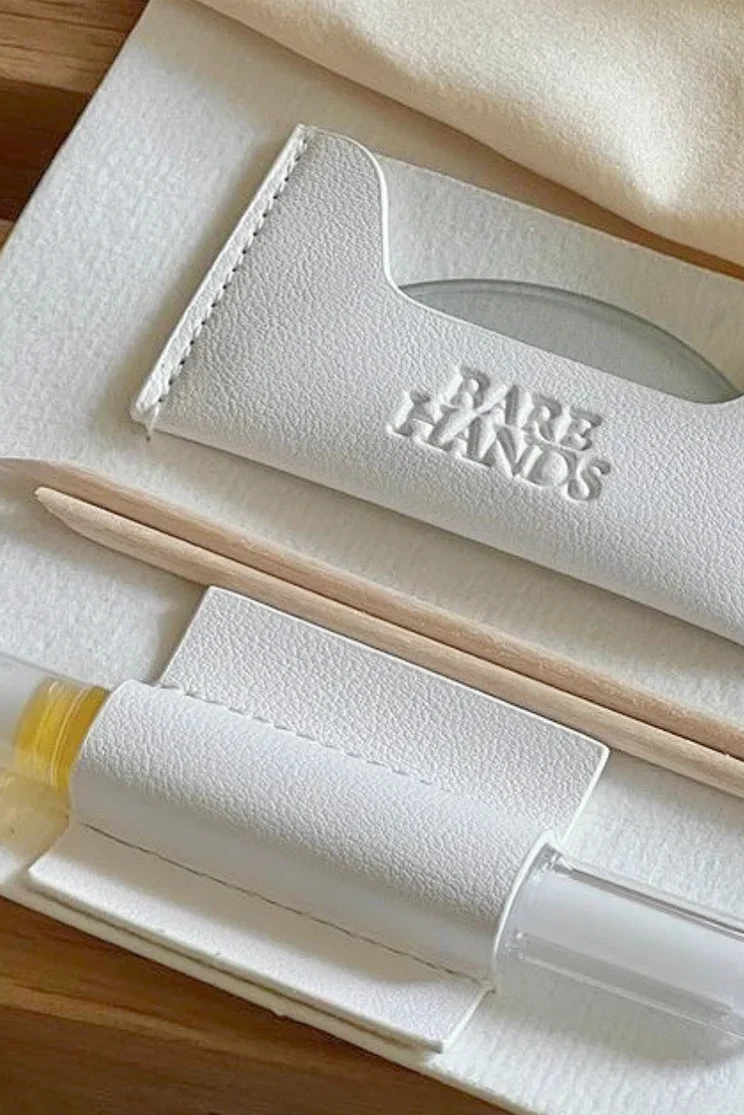
In an era marked by persistent economic pressures and a heightened collective awareness of well-being, the concept of the at-home spa day has evolved from a simple luxury to a strategic component of personal health management. This shift is particularly pronounced as consumers grapple with inflationary pressures on discretionary spending, coupled with the seasonal challenges of colder weather impacting skin health. Concurrently, a robust movement towards non-toxic and sustainably sourced beauty products is reshaping consumer choices, driving demand for brands that align with both ethical and health-conscious values. This confluence of factors underscores a broader trend: a pivot towards accessible, effective, and environmentally responsible self-care rituals performed within the sanctuary of one’s home.
Economic Undercurrents and Shifting Consumer Behavior
The global economic landscape has seen significant shifts in recent years, with inflation becoming a prominent concern across major economies. Data from organizations like the International Monetary Fund (IMF) and national statistical agencies consistently report elevated inflation rates, impacting everything from groceries to energy costs. For instance, the U.S. Consumer Price Index (CPI) has shown sustained increases, particularly in categories like personal care services, which saw a notable rise in average costs over the past two years. This economic backdrop directly influences consumer spending habits, compelling individuals to seek value and efficiency in their routines. A visit to a professional spa, once a regular indulgence for many, is increasingly becoming an infrequent treat due to escalating service prices. According to a 2023 report by market research firm Mintel, nearly 45% of consumers indicated they were cutting back on professional beauty services due to cost, with a significant portion redirecting those funds towards at-home alternatives. This economic recalibration has catalyzed a surge in demand for DIY beauty solutions and high-quality, at-home self-care kits that offer a comparable experience at a fraction of the price. The cold weather, a recurring seasonal factor, further exacerbates the need for skin and hair care, as harsh conditions deplete natural moisture barriers, leading to dryness, irritation, and dullness, thus amplifying the perceived value of an effective at-home regimen.
The Evolution of Self-Care and Wellness
The concept of self-care has undergone a profound transformation, moving beyond mere pampering to encompass a holistic approach to mental, physical, and emotional well-being. Historically, self-care was often viewed as an indulgence, a luxury reserved for special occasions. However, the stresses of modern life, coupled with global events like the recent pandemic, have underscored its importance as a foundational practice for resilience. The early 2010s saw the nascent stages of the wellness movement, largely popularized by social media and lifestyle influencers who advocated for mindfulness, healthy eating, and fitness. By the mid-2010s, this evolved to include a focus on "clean living," which extended to personal care products. The period from 2018 to 2022 witnessed a significant acceleration, as individuals spent more time at home, prompting a re-evaluation of personal routines and an increased investment in creating a comfortable, nurturing domestic environment. This shift is supported by data from research firm Statista, which noted a steady increase in the global wellness market, projected to reach over $7 trillion by 2025, with personal care, beauty, and anti-aging forming a substantial segment of this growth. The at-home spa day, therefore, is not merely a cost-saving measure but a conscious decision to reclaim personal time, manage stress, and invest in one’s long-term health, aligning with a broader societal push towards preventative wellness.
The Clean Beauty Imperative: A Movement Towards Transparency
Parallel to the self-care renaissance, the clean beauty movement has emerged as a dominant force within the cosmetics industry. Born from growing consumer skepticism regarding the safety of conventional beauty product ingredients, this movement champions transparency, ethical sourcing, and the exclusion of potentially harmful chemicals. Concerns about parabens, phthalates, sulfates, synthetic fragrances, and various other petrochemicals have driven consumers to seek alternatives. These substances have been linked in various studies to endocrine disruption, allergic reactions, and environmental contamination, prompting a demand for products free from such compounds.
The timeline of the clean beauty movement can be traced back to the early 2000s, with pioneering brands beginning to highlight natural and organic ingredients. By the 2010s, organizations like the Environmental Working Group (EWG) and various non-profits gained traction, raising public awareness about ingredient safety through databases and consumer guides. This era saw the popularization of "free-from" lists, where brands explicitly stated ingredients they omitted. Today, clean beauty encompasses not just ingredient safety but also sustainability—considering the environmental impact of packaging, sourcing, and manufacturing processes. The global clean beauty market, valued at approximately $11 billion in 2022, is projected to grow at a compound annual growth rate (CAGR) of over 10% through 2030, according to Grand View Research, indicating its enduring relevance and expanding consumer base. Consumers are increasingly scrutinizing labels, seeking certifications, and prioritizing brands that demonstrate a genuine commitment to both personal and planetary health.
Pioneering Brands in the At-Home Self-Care Space
The market has responded robustly to these evolving consumer demands, with numerous brands offering innovative, non-toxic, and sustainable solutions for at-home self-care. These companies are not only providing alternatives to professional services but are also setting new benchmarks for ethical production and ingredient integrity.
For Facial and Body Rejuvenation:
Leading the charge in comprehensive skincare, Grown Alchemist offers an array of kits and gift sets spanning skincare, hand care, and body care. Their commitment to sustainability is evident in their rigorous vetting of supply chain partners and their extensive use of recycled and refillable packaging. This approach addresses both product efficacy and environmental responsibility, resonating with eco-conscious consumers. Similarly, OSEA Malibu distinguishes itself with its 3-step At-Home Spa Set, featuring sustainably harvested seaweed as a signature ingredient. The brand’s transparent "no-list" of harmful ingredients underscores its dedication to non-toxic, vegan formulations, providing a luxurious yet safe experience.
For those seeking effective yet affordable options, MyChelle’s Exfoliators and Masks stand out. The brand’s unwavering commitment to vegetarian, cruelty-free, and GMO-free products, devoid of phthalates, parabens, sulfates, and artificial additives, makes high-quality clean beauty accessible. This demonstrates that ethical and effective skincare need not always come with a premium price tag.
The trend of holistic beauty extends to tools and rituals, exemplified by Wildling’s Gua Sha Empress Collection. Gua sha, an ancient Chinese healing technique, has gained modern popularity for its benefits in lymphatic drainage, wrinkle prevention, and skin brightening. Wildling’s founders emphasize a connection to nature, sourcing ingredients for their Empress Oil and Tonic from local farms and fair-trade communities, ensuring peak potency and sustainable wild foraging. This approach blends traditional wisdom with contemporary clean beauty principles.

High-end brands like Tata Harper also cater to the at-home spa experience with an extensive collection of tools and facial sets. Their commitment to sourcing over 300 high-quality ingredients from 68 countries, entirely free from GMOs, synthetic chemicals, and other toxins, positions them as a leader in farm-to-face luxury. From facial cupping to detox kits, Tata Harper offers a sophisticated, comprehensive approach to in-home treatments.
Innovative and inclusive brands are also making their mark. Surreal Skincare, a trans-owned business, leverages natural tree resin extracts known for their healing compounds. Their "Advanced Guide to Cheating Death" offers an intense, resurfacing mask experience, highlighting the brand’s unique formulations and commitment to powerful, natural results. The brand’s offer of a discount code ("ECOCULT" for 25% off) further demonstrates its engagement with the conscious consumer community. For specialized needs, Naturally London Gift Sets & Kits focus on foot care, acknowledging that comprehensive self-care extends to often-neglected areas, providing targeted relief for tired feet with natural ingredients.
Hair Care Innovations Beyond Conventional Dyes:
The clean beauty movement has profoundly influenced hair care, particularly in the realm of hair coloring. Hairprint Color Restorer offers a groundbreaking alternative to traditional dyes by replenishing the natural pigment in brown and black hair that has grayed. More than just a color treatment, it functions as a protein treatment, enhancing body, strength, and sheen without harsh chemicals. This innovation caters to consumers seeking to reverse graying naturally and improve overall hair health.
Similarly, Desert Shadow Organic Hair Dyes provide certified organic, vegan, and palm-oil-free at-home hair-dye kits. Their commitment to sustainability extends beyond ingredients to comprehensive community and environmental pledges. Offering a range of natural colors at an affordable price point, they democratize access to clean hair coloring. Surya Brasil’s Hemp Hair Dye further exemplifies this trend, utilizing henna for a safer, natural way to cover grays or change hair color while simultaneously protecting the scalp. These brands collectively represent a significant departure from conventional chemical-laden hair dyes, offering healthier alternatives that prioritize both user safety and environmental integrity.
Nail Care: Health and Aesthetics Combined:
The focus on non-toxic beauty extends to nail care, where consumers are increasingly wary of harsh chemicals found in traditional polishes and treatments. Bare Hands Dry Gloss Manicure Kit offers a revolutionary approach to nail health. By allowing natural nails to become glossy and healthy without chemicals, it addresses concerns about gel damage and chipping. This kit champions natural beauty and long-term nail health. Lauren B. Beauty’s Nail Growth Serum and Cuticle Oil provide targeted care with simple, non-toxic ingredients. Their serum, a blend of amino acids, antioxidants, vitamins, peptides, and biotin, is designed to boost natural nail growth and strength, catering to individuals with brittle or slow-growing nails. This segment highlights the demand for products that enhance natural beauty without compromise.
Holistic Wellness: Cultivating Inner Peace:
Beyond topical applications, the at-home spa experience increasingly integrates products designed to foster mental and emotional tranquility. This reflects a growing understanding that true self-care encompasses inner peace. BLK + GRN’s Total Tranquility Set is a prime example, offering a holistic collection including a chakra soy candle, white sage smudge stick, herbal tea, and essential oils. This set creates a calming environment, helping to ease anxiety and promote overall well-being. BLK + GRN, as an all-Black artisan marketplace, also champions diversity and supports Black women entrepreneurs, adding an important social dimension to their offerings.
The integration of CBD into wellness routines is another significant trend. Prima’s Organic CBD Supplements, made from organically grown and tested whole hemp extract, are optimized for absorption with natural enhancers like clove bud and curcumin oils. Positioned as aids for focus during the day and relaxation in the evening, they address the pervasive issue of stress management, a cornerstone of modern self-care.
Finally, the timeless ritual of a warm bath is elevated with clean beauty formulations. Herbivore Botanicals Bath Salts & Soak are crafted with high-quality, food-grade vitamins, minerals, and botanicals, chosen for their therapeutic benefits. They offer a moment of indulgence while nurturing and restoring the skin. 100% Pure’s Therapy Bath Salts provide similar benefits, with options like seaweed detox, relaxing lavender, and refreshing eucalyptus, replenishing essential minerals and offering an aromatherapy experience. Unplugged Essentials’ Hemp-Infused Soaks, inspired by flotation therapy, combine Epsom salt, hemp, charcoal, and essential oils for a detoxifying and nourishing soak, further illustrating the innovative fusion of ancient remedies and modern wellness science.
Implications and Future Outlook
The sustained growth of the at-home self-care and non-toxic beauty movements carries significant implications for both consumers and the industry. For consumers, it signifies greater empowerment through informed choices, enabling them to prioritize personal health and environmental responsibility without sacrificing efficacy or luxury. The accessibility and affordability of these at-home solutions also democratize self-care, making well-being practices attainable for a broader demographic.
From an industry perspective, this trend fosters innovation and drives a deeper commitment to ethical practices. Brands are compelled to invest in sustainable sourcing, transparent ingredient disclosure, and eco-friendly packaging, setting new industry standards. The rise of small, sustainable businesses, often with strong community ties and unique product philosophies, enriches the market landscape, offering diverse choices that cater to specific needs and values. This shift also encourages research into natural compounds and traditional remedies, blending ancient wisdom with modern scientific understanding.
Looking ahead, the momentum for at-home self-care and clean beauty is expected to continue. Future developments may include greater personalization through AI-driven recommendations for at-home treatments, advancements in biotech ingredients that mimic natural compounds sustainably, and even more sophisticated, user-friendly at-home devices. Regulatory frameworks may also evolve to provide clearer guidelines for "clean" or "non-toxic" claims, further instilling consumer confidence. The economic realities, coupled with an unwavering commitment to health and sustainability, firmly establish the at-home spa day, powered by non-toxic beauty, as a permanent fixture in the modern wellness repertoire.



 Chandra Hamzah
 Gabriela Annisa
 Tatiana Tantri Indah Sari
 Budi Mulyono
 Anjar Salim