Susilo Edi Turonggo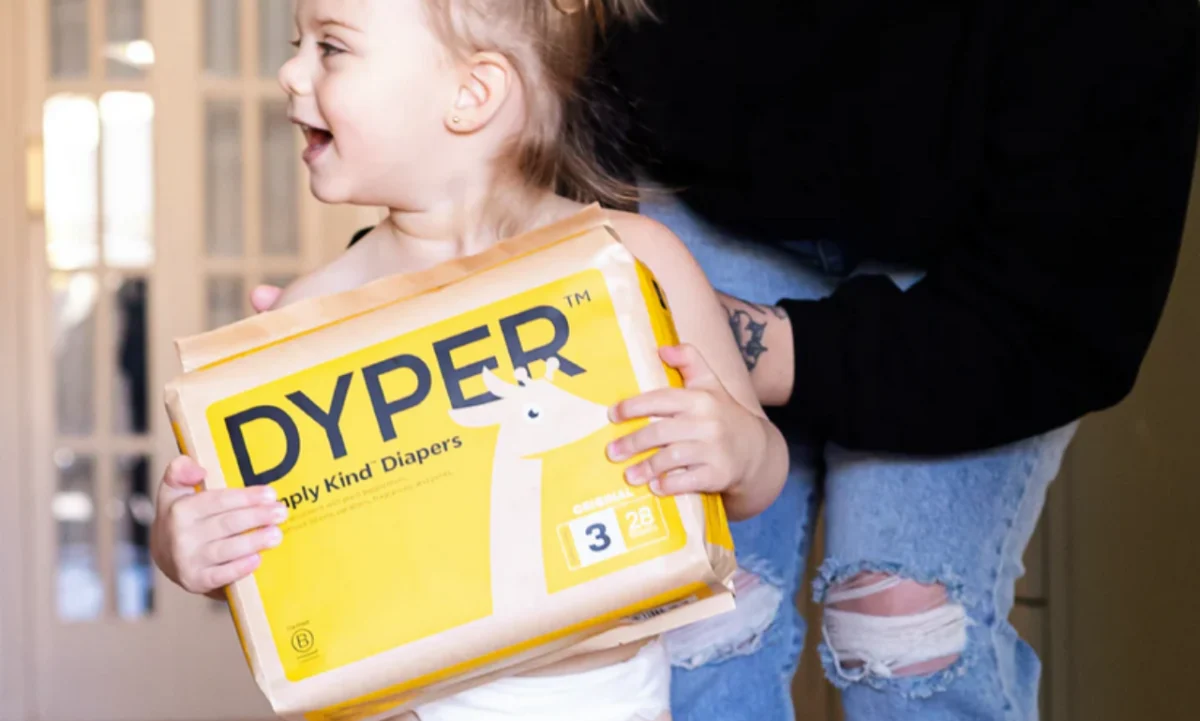
The pervasive issue of infant waste presents a significant challenge for modern society, with babies producing an astonishing volume of discarded materials. This article, generously sponsored by Dyper, a pioneering maker of plant-based, compostable single-use diapers, delves into the multifaceted problems posed by conventional diapering and examines the innovative solutions being introduced to mitigate their environmental and health impacts.
Globally, the scale of diaper waste is immense. An average baby will utilize approximately 6,000 disposable diapers within their first two years of life, contributing significantly to household refuse. When extrapolated across populations, this figure escalates to an estimated 20 to 30 billion disposable diapers discarded annually worldwide. These items, predominantly composed of plastics and synthetic materials, represent a substantial and persistent burden on landfill sites. Conventional disposable diapers are not merely a volume problem; they are also an environmental time bomb, taking an estimated 200 to 500 years to decompose due to their complex, multi-layered construction that includes super-absorbent polymers, polyethylene films, and polypropylene non-wovens. This slow degradation process means that every disposable diaper ever used remains largely intact in landfills, contributing to plastic pollution and potentially leaching harmful chemicals into the soil and groundwater. The manufacturing process itself also carries a heavy environmental footprint, demanding significant energy and water resources, often derived from fossil fuels, and releasing greenhouse gas emissions.
While reusable cloth diapers have long been offered as an eco-conscious alternative, their adoption faces practical barriers for many contemporary families. The demands of washing, drying, and managing soiled cloth diapers can be time-consuming and labor-intensive, often clashing with the busy schedules of modern parents. Furthermore, the environmental impact of cloth diapers, while different, is not negligible, involving considerable water and energy for laundering, along with the ecological footprint of cotton cultivation or synthetic fabric production. This creates a dilemma for parents seeking both convenience and sustainability, a gap that companies like Dyper aim to bridge.
Beyond the visible issue of waste accumulation, traditional single-use disposable diapers also pose a less obvious but equally concerning problem: potential health risks for infants. A closer examination of their composition reveals a troubling array of chemicals and materials. Components such as phthalates, parabens, chlorine-bleached pulp, fragrances, dyes, and latex are frequently found in conventional disposable diapers. These substances, while designed for absorbency, fit, or aesthetic appeal, have raised red flags among health advocates and researchers. For instance, the practice of adding fragrances to diapers, ostensibly for odor control, introduces a cocktail of chemicals that can be irritating to sensitive skin.
Scientific research has begun to link these ubiquitous components to a range of adverse health outcomes. Studies suggest connections between certain chemicals found in diapers and endocrine and reproductive disorders, acute skin rashes, and even, in some cases, a potential predisposition to conditions like testicular cancer later in life. The alarming aspect of this situation is the minimal regulatory oversight. In the United States, for example, the Consumer Product Safety Commission (CPSC) mandates that baby diapers only be tested for lead content. Unlike many other consumer products, such as menstrual hygiene products, there are no federal requirements for testing diapers for a broader spectrum of chemicals, including known carcinogens, endocrine-disrupting chemicals, or common allergens. This regulatory gap leaves consumers largely uninformed about the chemical exposure their infants may face daily, highlighting a critical need for greater transparency and more stringent safety standards within the industry.
The daily ritual of disposing of soiled diapers is a stark reminder of this problem for millions of parents. For Tony Patron, founder of REDYPER™ (Dyper’s composting program) and Dyper, this daily reality became a catalyst for change. The overflowing bins of plastic diapers he observed each week, both as a new father and an engineer, spurred a recognition that a fundamental shift was needed. This personal experience, coupled with his technical background, laid the groundwork for what would become Dyper, a company committed to developing safe, high-performance, and non-toxic diapers that address both environmental and health concerns.
Pushing for Change in a Landfill-Bound Industry: Dyper’s Founding Vision
Tony Patron’s journey from an engineer grappling with personal waste to a visionary entrepreneur began with a simple observation that resonated deeply with his professional inclinations. His unique position as a new father who was simultaneously an engineer gave him both the motivation and the analytical tools to tackle the problem of diaper waste head-on. Initially exploring partnerships with existing companies manufacturing compostable diapers, Patron’s efforts eventually led to a merger, culminating in the establishment of Dyper. The company was founded on the principle of creating a new generation of diapers that were not only non-toxic and biodegradable but also effectively reduced both household and broader environmental waste.

The core mission of Dyper’s product team revolves around ensuring that the vast majority of its product components are biodegradable. This commitment drives continuous innovation, even while acknowledging current technological limitations—for example, certain functional elements like velcro closures are not yet available in a fully biodegradable form. Patron articulates Dyper’s ambitious goal: "Our goal is to provide a diaper that performs equally to any other diaper on the market in terms of absorbency, fit, and comfort, and ensuring that we don’t have any skin irritation." This statement underscores a critical understanding that for sustainable products to gain widespread acceptance, they must not compromise on the performance and convenience that consumers expect from conventional options.
Dyper achieves its environmental and health objectives through a meticulous selection of materials. The company primarily utilizes plant-based resources, including US-grown, FSC-certified bamboo and eucalyptus fibers. The Forest Stewardship Council (FSC) certification ensures that the wood pulp used comes from responsibly managed forests, promoting ecological health and social benefits. Furthermore, Dyper’s viscose bamboo is sourced from an Oeko-Tex certified supplier, a global standard that guarantees textiles are free from harmful substances. This commitment to transparency is further exemplified by the brand’s practice of labeling each layer of its diapers with specific component information, providing conscious parents with full disclosure about what touches their baby’s skin.
The brand’s dedication to bio-based content is officially recognized: its diapers are Certified USDA BioPreferred 55% Product, indicating that at least 55% of the materials are derived from renewable biological resources. Its wipes achieve an even higher standard, being a Certified USDA BioPreferred 95% Product. These certifications are vital in assuring consumers of the product’s environmental credentials. Beyond material sourcing, Dyper’s diaper products meet stringent Oeko-Tex standards for chemical safety. The company recently obtained the prestigious DermaTest 5-Star Certification, a rigorous dermatological testing program that guarantees the diapers will not cause any skin reactions, providing an extra layer of reassurance for parents concerned about sensitive skin or allergies. In a further commitment to integrity, Dyper also employs third-party laboratories to conduct independent testing, verifying the non-toxic nature and compostability of its products.
"Plants Over Plastic": A Holistic Approach to Baby Care and Sustainability
At the heart of Dyper’s operational philosophy lies the powerful mantra, "plants over plastic for happy babies." This guiding principle informs every aspect of product development and sourcing, driving the creation of diapers that are superior not only for the environment but also for the delicate skin of infants. By consciously choosing plant-based materials and rigorously excluding harmful chemical additives, Dyper delivers diapers that are entirely free from the phthalates, latex, parabens, chlorine, fragrances, and other irritants commonly found in mass-market supermarket diapers.
The advantages of this plant-based approach are multifaceted. The natural fibers, such as bamboo and eucalyptus, are inherently softer and gentler on a baby’s skin, significantly reducing the likelihood of irritation, rashes, and discomfort. This is a critical factor for parents, as diaper rash is a common and distressing issue for infants. Furthermore, the commitment to "plants over plastic" extends to ensuring that these materials are responsibly sourced, adhering to sustainable forestry practices and ethical supply chain management. This gives parents confidence that their choice supports not only their baby’s health but also global ecological well-being.
Dyper diapers are engineered to challenge the conventional trade-off between sustainability and performance. While comprising more than 50% plant-based materials, these diapers are meticulously designed to be high-performing, offering excellent absorbency, a secure fit, and robust leak protection. This dual focus ensures that parents do not have to compromise on functionality to make an environmentally conscious choice. The efficacy in preventing leaks and rashes directly contributes to a baby’s comfort and happiness, simplifying daily care routines for parents.
A truly groundbreaking aspect of Dyper’s offering is its optional REDYPER program, which facilitates the composting of used diapers. This innovative service, subject to availability in specific states, represents a significant step towards closing the loop on diaper waste. The brand’s "plants over plastic" philosophy also extends to its packaging, where sustainable materials are prioritized wherever feasible to further minimize environmental impact. This comprehensive approach demonstrates that it is indeed possible to develop functional, high-quality diapers that are simultaneously sustainable and beneficial for both babies and the planet. Dyper ensures that parents no longer face the difficult choice between effective diapering and responsible environmental stewardship.
Closing the Loop: The REDYPER Composting Program and its Impact
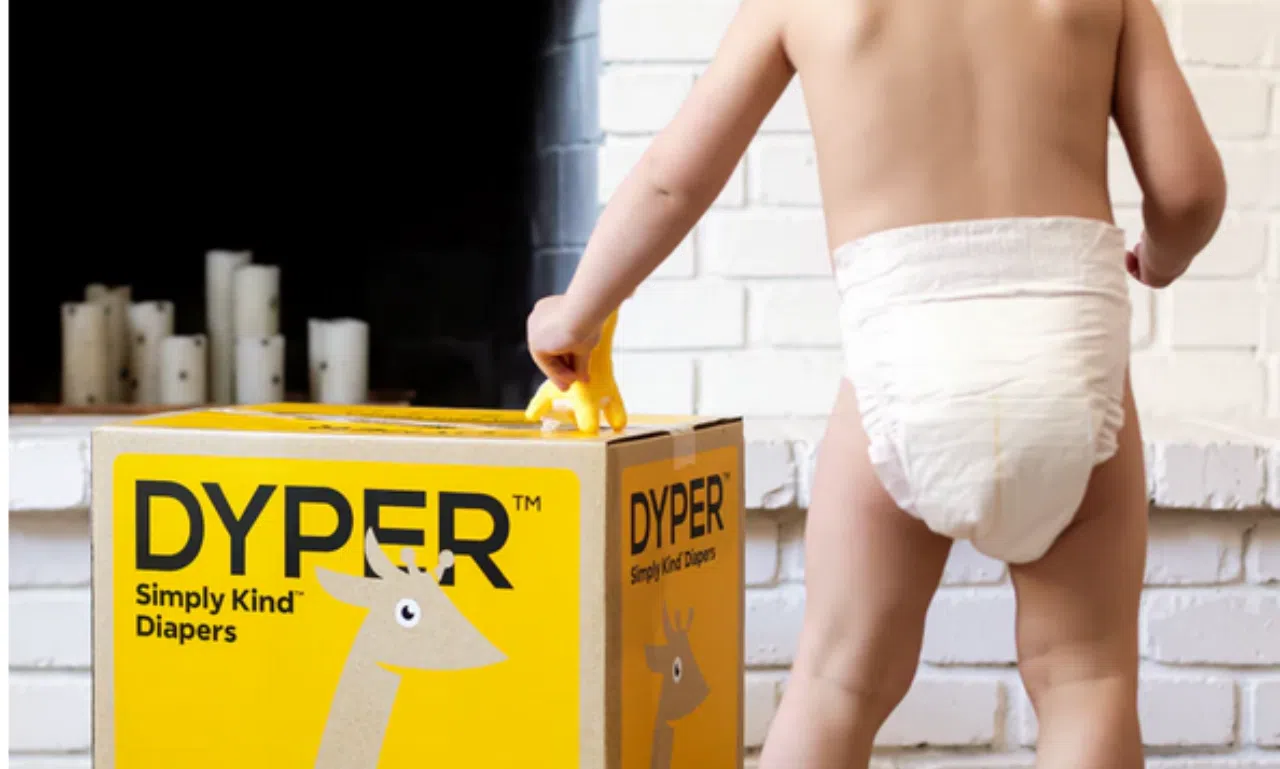
One of Dyper’s most ambitious and impactful initiatives is the REDYPER program, a testament to the company’s commitment to truly sustainable product lifecycles. This program offers an unparalleled solution to the problem of used diaper disposal, moving beyond simply offering biodegradable products to actively facilitating their composting. Dyper provides flexible purchasing options, including subscriptions and one-time purchases, available in a comprehensive range of sizes to cater to all infant stages. The innovative REDYPER service takes convenience a step further by offering a weekly or biweekly pickup service for used diapers and wipes in certain geographical areas. For those outside pickup zones, Dyper also provides specially designed bags for mail-back composting, expanding the reach of the program.
Upon collection, these used diapers are transported to regional composting facilities with which Dyper partners. These industrial-scale facilities are equipped to handle the unique challenges of composting hygiene products. The biodegradable components of the diapers and wipes are broken down through a controlled process, typically within 14 to 16 weeks. While Dyper strives for maximum biodegradability, some components, such as the aforementioned velcro, are not yet compostable. These non-compostable elements are carefully removed from the compost stream and disposed of responsibly, ensuring the integrity of the final compost product. This meticulous process underscores Dyper’s transparency and dedication to genuine waste diversion.
The quantitative impact of the REDYPER program is significant and growing. As of today, the program has successfully diverted over 14 million pounds of waste from landfills. This achievement is not merely a number; it represents a tangible reduction in the accumulation of non-biodegradable waste that would otherwise persist in the environment for centuries. This diversion translates into saved landfill space, reduced methane emissions (a potent greenhouse gas often produced by anaerobic decomposition in landfills), and the creation of nutrient-rich compost that can be used to enrich soil, contributing to agricultural sustainability. The program showcases a viable model for extended producer responsibility and demonstrates how innovative logistics can transform waste into a resource.
Broader Implications and the Future of Diapering
Dyper’s emergence and the success of its plant-based, compostable diapers, coupled with the REDYPER program, signify a pivotal moment in the hygiene product industry. The company is acting as a significant disruptor in a sector that has historically been dominated by conventional, plastic-heavy products with minimal innovation in sustainability. This disruption is largely fueled by a growing demographic of environmentally conscious parents who are actively seeking healthier and more sustainable options for their children. Consumer demand for eco-friendly and safe products is no longer a niche market but a burgeoning mainstream trend, influencing purchasing decisions across various product categories.
The success of companies like Dyper could prompt a broader industry response. Larger, established diaper manufacturers may be compelled to invest more heavily in research and development for sustainable materials and composting solutions, or risk losing market share to agile, innovative brands. This competitive pressure could accelerate the transition towards a more sustainable diapering landscape globally. Furthermore, the demonstrable efficacy and positive environmental impact of Dyper’s model could influence policy makers. Success stories in waste diversion and responsible product design might lead to calls for stricter regulations on diaper ingredients, mandatory biodegradability standards, or incentives for composting infrastructure, mirroring regulatory trends seen in other consumer goods sectors.
From a public health perspective, the widespread adoption of non-toxic, plant-based diapers could lead to a reduction in infant exposure to potentially harmful chemicals, contributing to better long-term health outcomes. The focus on materials like bamboo and eucalyptus, known for their softness and breathability, also inherently reduces skin irritation, enhancing infant comfort and well-being.
Economically, while sustainable products sometimes carry a higher initial cost due to specialized materials and complex logistics, the long-term benefits of reduced waste management costs for municipalities and the potential for a circular economy offer compelling arguments. Dyper’s subscription model, combined with the convenience of its pickup service, aims to make sustainable choices as accessible and seamless as possible for busy families, thereby removing practical barriers to adoption.
In essence, Dyper is not just offering an alternative product; it is pioneering a comprehensive solution that addresses the environmental footprint, health implications, and logistical challenges of modern diapering. The company’s commitment to sustainability, transparency, and superior baby care positions it as a leading choice for conscious parents. By choosing Dyper, consumers are investing not only in a high-performing diaper but also in a future where infant care aligns seamlessly with ecological responsibility and personal well-being, pushing the entire industry towards a more sustainable and healthier paradigm.



 Chandra Hamzah
 Gabriela Annisa
 Tatiana Tantri Indah Sari
 Budi Mulyono
 Anjar Salim