
 Anjar Salim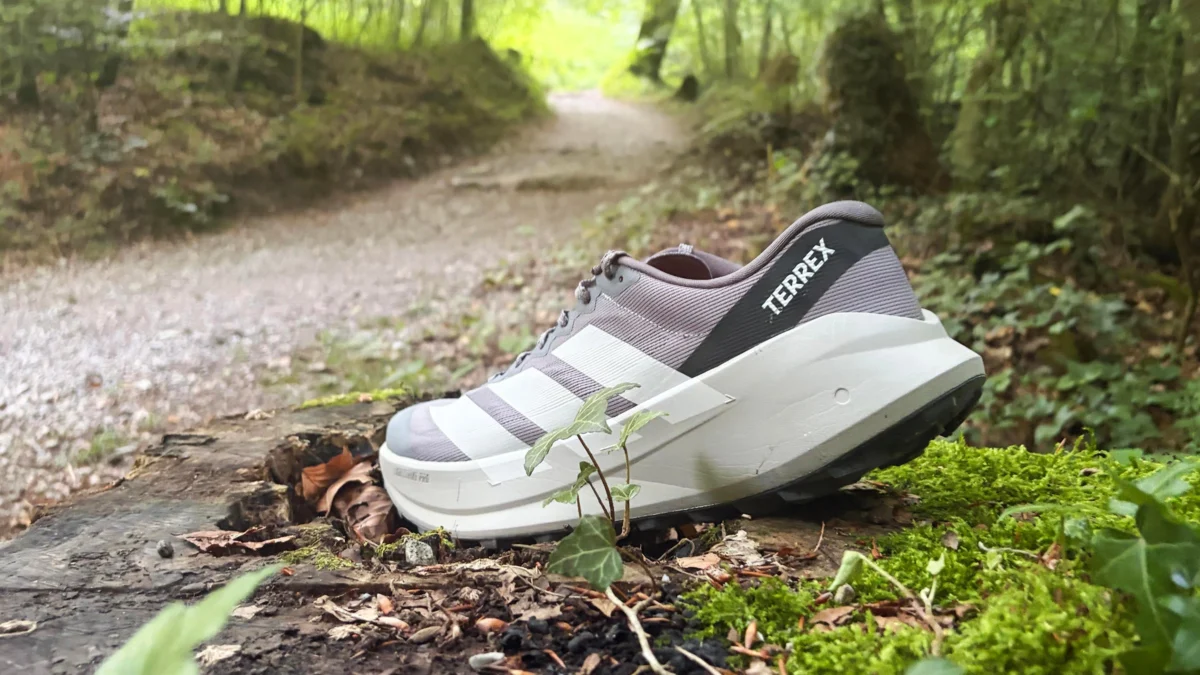
The global running community has witnessed a significant shift in footwear preferences over the last decade, moving from the minimalist trends of the early 2010s to the current era of "super foams" and high-stack geometry. In this evolving landscape, Adidas has maintained a dominant position, particularly with the recent success of its Adizero line. The latest development in this trajectory is the release of the Adidas Terrex Agravic SL, a trail running shoe designed to bridge the gap between high-performance road trainers and the rugged demands of off-road terrain. This release comes at a pivotal time for the brand, as internal sales data suggests that the Agravic SL’s road-going predecessor, the EVO SL, has surpassed 10 million pairs in global sales, marking it as one of the most commercially successful performance models since the introduction of Boost technology in 2013.
For runners transitioning from metropolitan environments—such as the concrete-dense grid of New York City—to the forest-fringed outskirts of European hubs like Zurich, the need for a versatile hybrid shoe has never been greater. Zurich, characterized by its immediate proximity to the Glarus Alps and dense swathes of woodland, serves as the ideal testing ground for a shoe that promises to translate the "snappy" road experience to the singletrack. The Terrex Agravic SL is specifically engineered to retain the lightweight, energetic characteristics of the EVO SL while incorporating the structural reinforcements necessary for survival in the wild.
Technical Specifications and Material Science
The Adidas Terrex Agravic SL enters the market with a technical profile that places it firmly in the category of modern "super trainers" for the trail. Weighing in at 9.84 ounces for a standard men’s size, the shoe balances protection with agility. The stack height is substantial, measuring 39 mm in the heel and 33 mm in the forefoot, resulting in a 6 mm drop. This geometry is designed to provide ample cushioning for long-distance efforts while maintaining a stable enough platform to prevent ankle rolls on uneven surfaces.
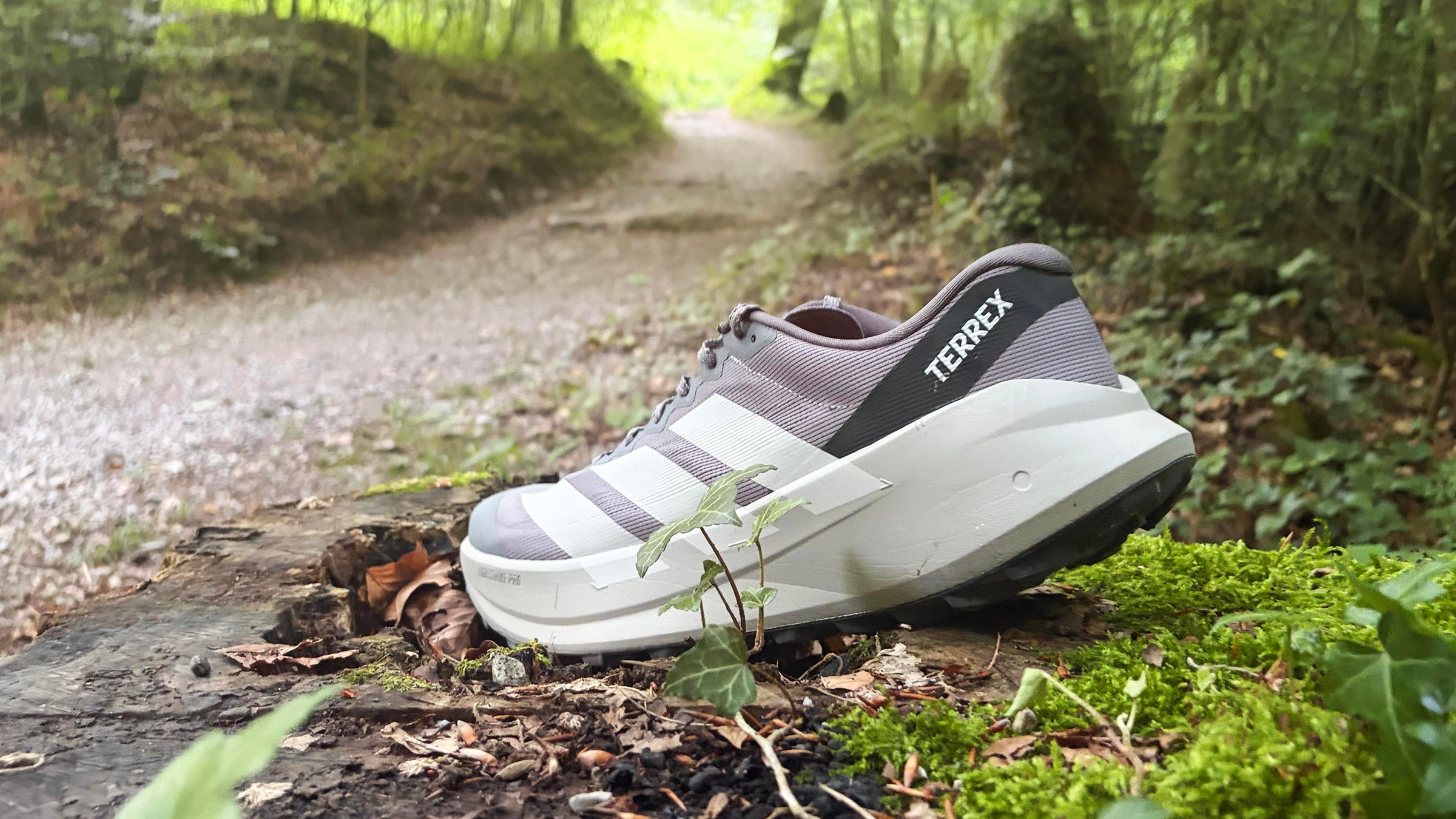
At the heart of the Agravic SL is the Lightstrike Pro midsole. This is the same proprietary TPEE (Thermoplastic Polyester Elastomer) foam found in Adidas’s elite racing models, including the Adizero Adios Pro 3 and the Agravic Speed Ultra 2. However, unlike the "super shoes" designed for podium finishes, the Agravic SL omits the rigid carbon or fiberglass Energy Rods. This omission is a calculated design choice intended to make the shoe more accessible for daily training and more forgiving over technical terrain where extreme stiffness can lead to instability.
A Chronological Evolution: From Road to Trail
The development of the Agravic SL follows a clear chronological path within Adidas’s product lifecycle. To understand the Agravic SL, one must look at the timeline of its core components:
- 2013: The launch of Boost technology sets a new standard for energy return in the industry.
- 2020-2022: The introduction of Lightstrike Pro and the Adizero Adios Pro series revolutionizes road racing with high-stack, high-rebound foams.
- 2023: The release of the Agravic Speed Ultra signals Adidas’s intent to dominate the trail ultramarathon scene, utilizing the same foams and rocker shapes as their road racers.
- 2024-2025: The EVO SL becomes a mass-market phenomenon, offering the Lightstrike Pro experience to daily road runners without the harshness of carbon plates.
- 2026: The Terrex Agravic SL is unveiled, completing the circle by taking the EVO SL’s successful formula and "feralizing" it for the trail.
This progression indicates a strategic move by Adidas to democratize elite technology. By moving Lightstrike Pro from the $250+ racing tier into the daily trainer category, the brand has successfully captured a broader demographic of runners who prioritize feel and comfort over competitive edge.
Structural Reinforcements: The "Feral" Transformation
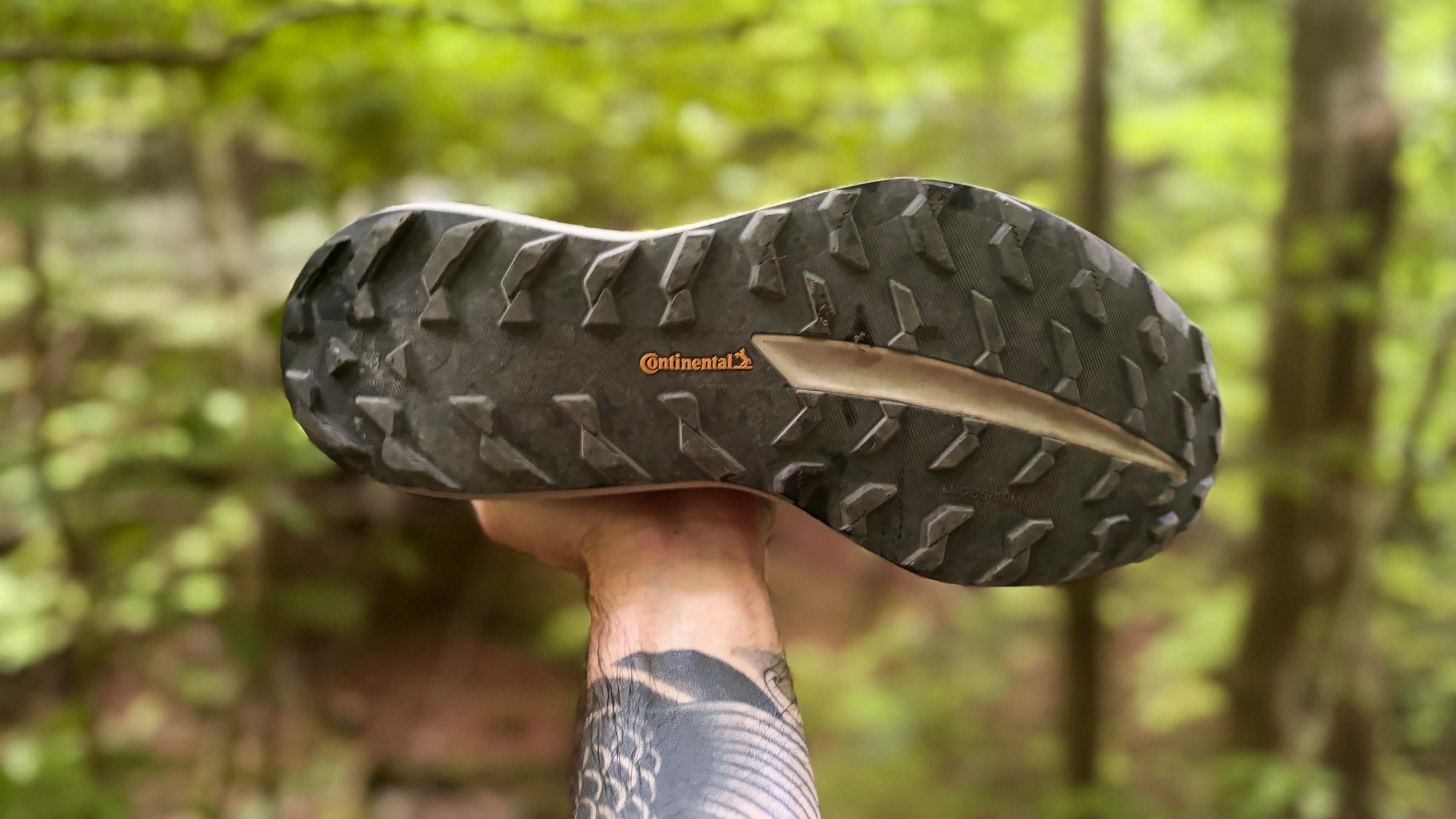
While the Agravic SL shares its "soul" with the road-focused EVO SL, the exterior has undergone significant hardening. The most critical update is the outsole. Where the road version utilizes a thin layer of Continental rubber with minimal texture, the Agravic SL features a full-coverage, toothy outsole. This component is borrowed directly from the flagship Agravic Speed Ultra 2, featuring a dual-wielding lug configuration of 3.5 mm and 4 mm. This depth is considered the "sweet spot" for trail versatility, providing enough bite for mud and loose dirt without feeling clunky or unstable on hard-packed gravel or occasional pavement stretches.
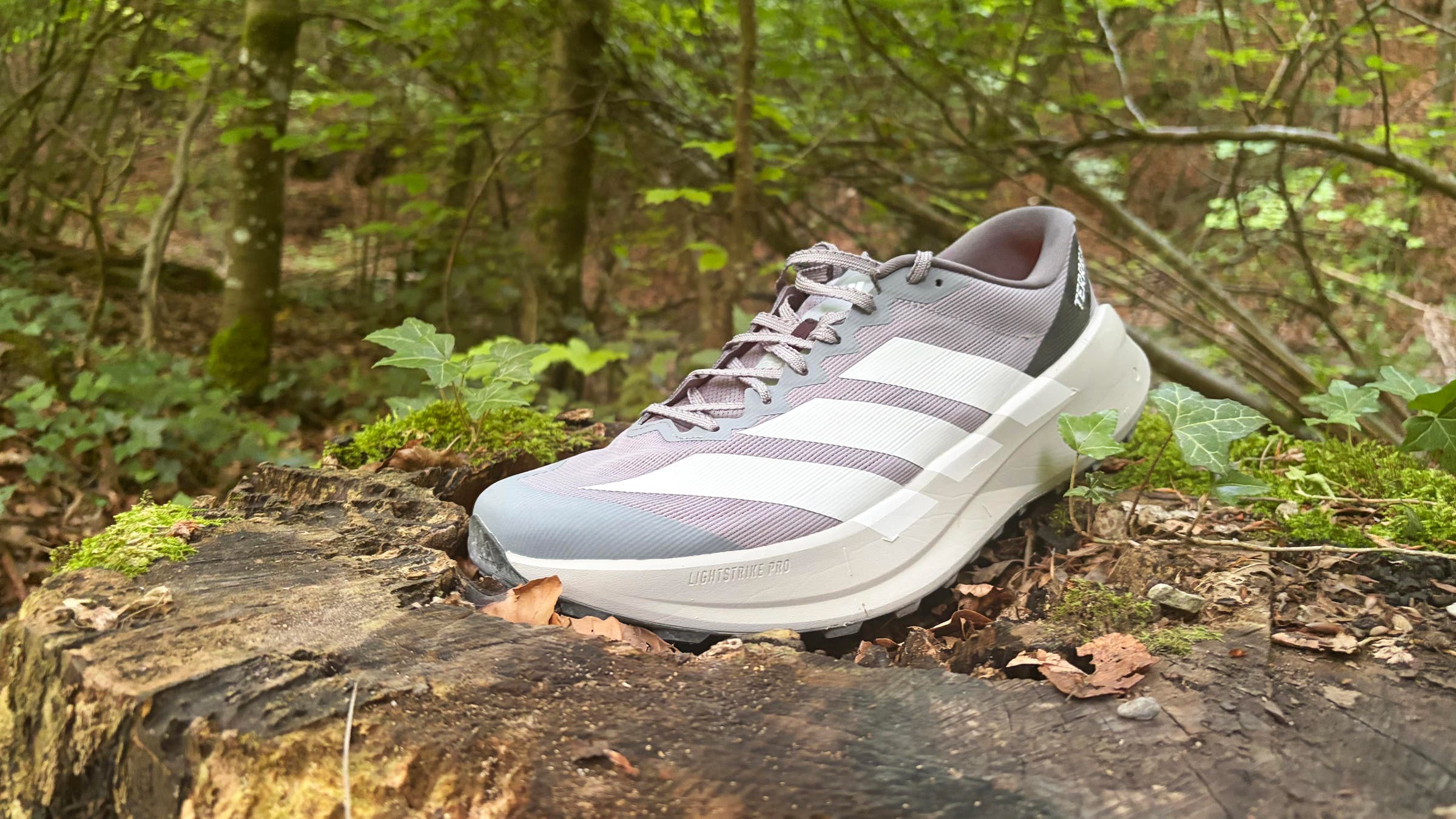
The upper has also been reimagined for durability. The engineered mesh of the EVO SL, while breathable, lacks the abrasion resistance required for trail hazards like sharp rocks and thick brush. The Agravic SL addresses this with TPU (Thermoplastic Polyurethane) overlays strategically placed around the toe box, the lacing system, and the heel. These overlays act as a "roll cage" for the foot, preventing the mesh from tearing while providing additional lateral support.
Performance Analysis and Field Feedback
Early feedback from run clubs in Alpine regions highlights the shoe’s "purpose-built" feel. One of the subtle but impactful changes is the shaping of the Lightstrike Pro midsole. In the Agravic SL, the rocker geometry is more exaggerated and extends further through the heel than in the road version. This adjustment ensures a fluid transition on descents and ascents where the foot strike often deviates from the standard midfoot landing of a flat road.
Furthermore, the foam base has been widened in both the forefoot and the heel. This increased surface area is a standard requirement for trail shoes, as it provides a more stable "footprint" on unpredictable terrain. To complement this wider base, Adidas introduced a new winged tongue and braided laces. These elements work in tandem to provide a superior "lock-down" feel, preventing the foot from sliding inside the shoe during steep traverses.
Industry analysts note that the Agravic SL’s success lies in its restraint. "It updates the EVO SL just enough to be able to tackle the trails, but not a stitch more," noted one gear reviewer. This philosophy prevents the shoe from becoming overly heavy or specialized, maintaining the "snappy and nimble" experience that made the original road version a fan favorite.
Broader Market Impact and Implications
The release of the Terrex Agravic SL reflects a broader trend in the outdoor industry: the "road-to-trail" movement. As urban populations increasingly seek recreation in nature, the demand for gear that can handle both environments has surged. Market data from the first half of 2026 suggests that the trail running category is growing at a faster rate than traditional road running, driven largely by new participants who value versatility.
By aligning the Agravic SL so closely with the EVO SL, Adidas is leveraging brand loyalty in a way that few other manufacturers can. A runner who has already logged 500 miles in the EVO SL on the streets of London or Tokyo is highly likely to choose the Agravic SL for their first trail race because the "underfoot feel" remains consistent. This reduces the "barrier to entry" for the sport of trail running, which has historically been seen as requiring highly specialized, often stiff and heavy, equipment.
However, the Agravic SL is not without its critics. Traditionalists in the trail community argue that the high stack of Lightstrike Pro foam can feel "disconnected" from the ground. For highly technical, rocky terrain—such as the skyrunning routes in the Pyrenees or the rugged Appalachian Trail—runners often prefer a firmer, lower-profile shoe that allows for better proprioception. Adidas seems to acknowledge this, positioning the Agravic SL as a versatile daily trainer rather than a technical mountain tool.
Conclusion: The New Standard for Daily Trail Miles
The Adidas Terrex Agravic SL represents a sophisticated evolution of the modern running shoe. It successfully translates the propulsive, joyous ride of a top-tier road shoe into a package that can withstand the rigors of the forest and the mountains. For the millions of runners who have already embraced the EVO SL, the Agravic SL offers a seamless transition to the dirt.
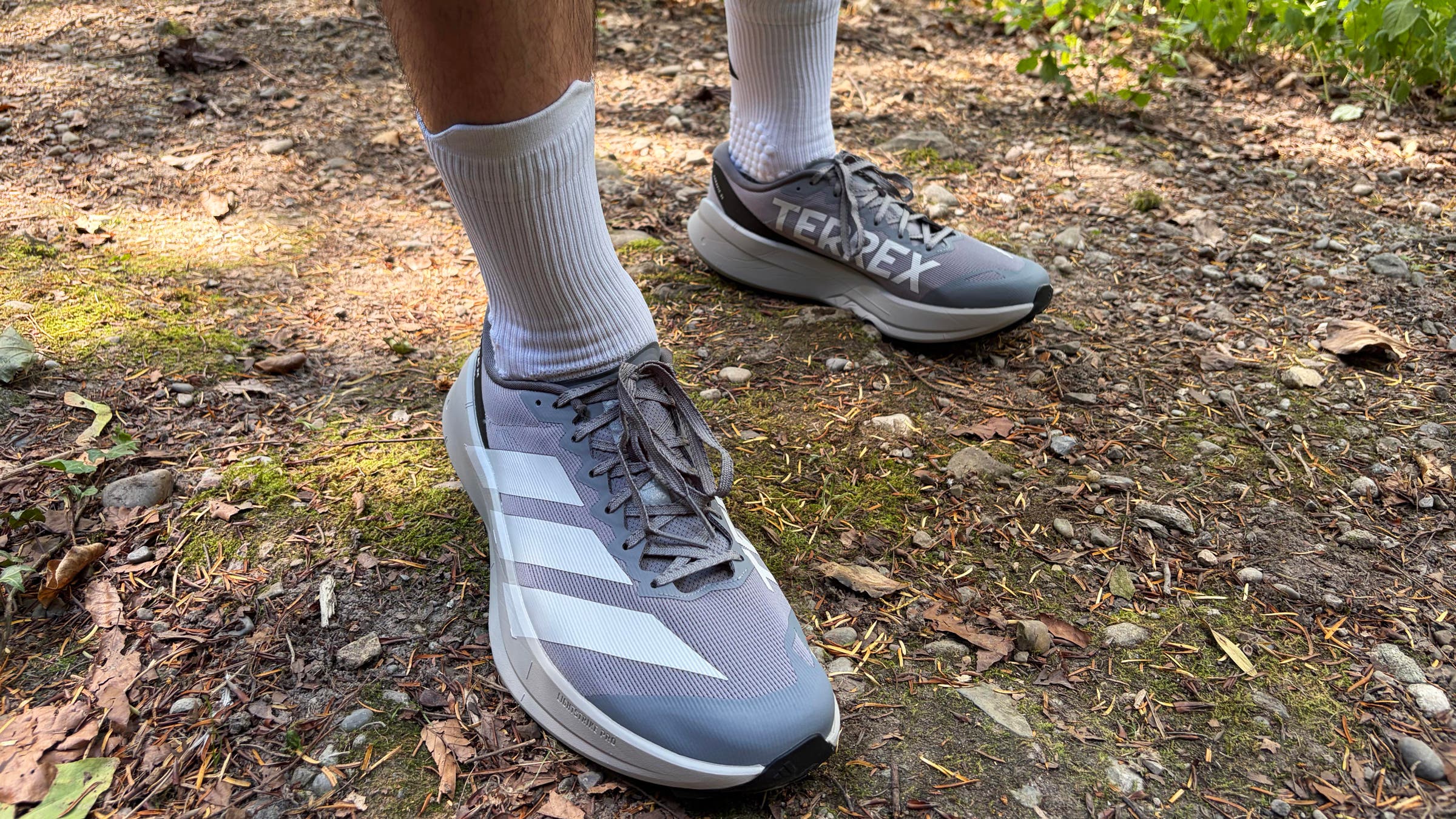
As Adidas continues to refine its Terrex line, the Agravic SL stands as a testament to the power of material consistency across a brand’s portfolio. By utilizing the same premium foams and outsole rubber across its elite and daily models, Adidas has created an ecosystem where every runner—regardless of their pace or terrain—can experience the cutting edge of footwear technology. Whether navigating the paved paths of a city park or the switchbacks of a Swiss mountainside, the Agravic SL provides a reliable, energetic, and uncomplicated partner for the miles ahead.




 Chandra Hamzah
 Tatiana Tantri Indah Sari
 Budi Mulyono
