
 Gabriela Annisa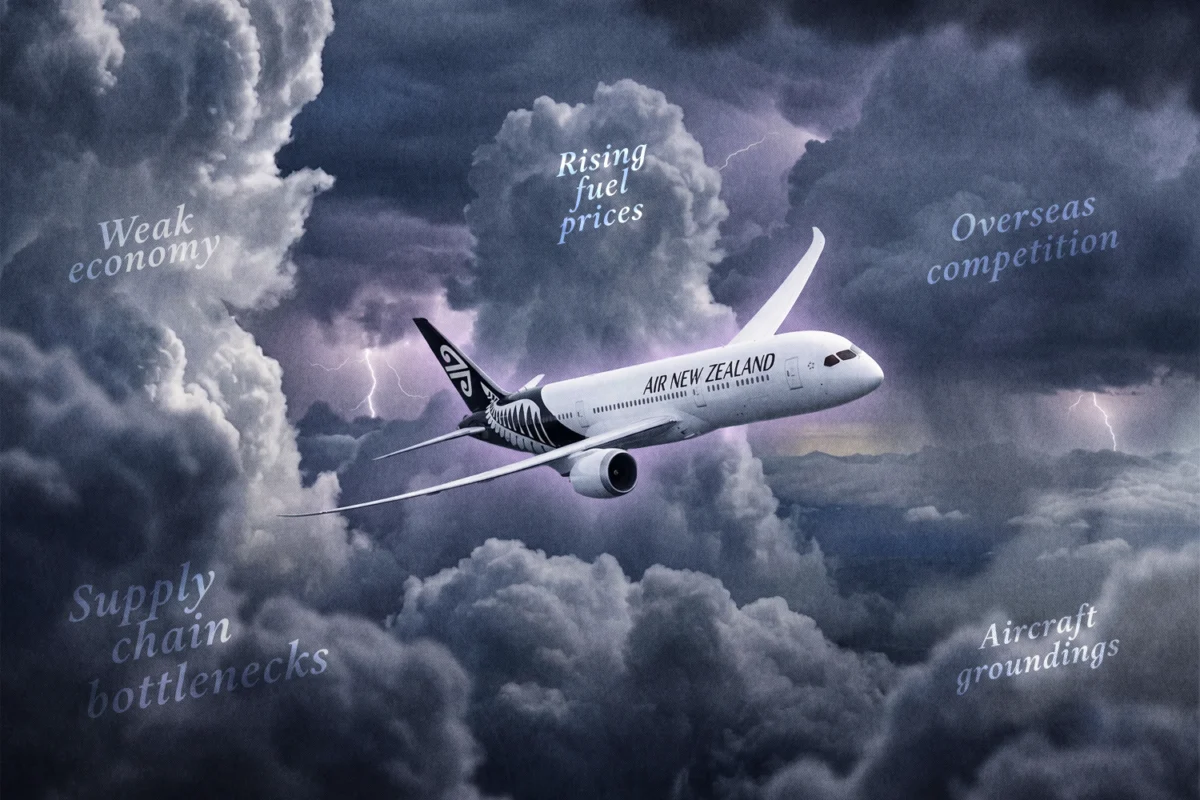
A Challenging Ascent: The Preceding Period of Turbulence
The period leading up to Nikhil Ravishankar’s appointment and the subsequent unveiling of his strategic reset was characterized by an unprecedented confluence of challenges for Air New Zealand. The airline, like many global carriers, was navigating the complex and uneven recovery from the global pandemic, but it also grappled with specific operational setbacks that disproportionately impacted its performance.
Chief among these was a series of widespread engine groundings. Beginning in late 2022 and extending through much of 2023, a significant portion of the airline’s long-haul fleet, particularly those equipped with specific engine models requiring mandatory maintenance and inspections, were taken out of service. This was not unique to Air New Zealand, as several airlines globally faced similar issues with particular engine manufacturers due to unforeseen technical defects and extended maintenance lead times exacerbated by global supply chain disruptions. For Air New Zealand, this translated into dozens of flight cancellations weekly, particularly on lucrative international routes, leading to substantial revenue losses, increased operational costs due to wet-leasing aircraft, and significant reputational damage among frustrated passengers. Industry estimates suggested these groundings alone cost the airline tens of millions in lost revenue and additional expenses over a twelve-month period, reducing available seat kilometers (ASKs) by an estimated 8-10% on key routes.
Compounding these operational difficulties were soaring global fuel costs. The geopolitical landscape, particularly the conflict in Eastern Europe, sent crude oil prices spiraling upwards throughout 2022 and into early 2023. Jet fuel, representing one of an airline’s largest variable costs, saw its price per barrel surge by over 60% compared to pre-pandemic levels at its peak. Despite Air New Zealand’s robust hedging strategies, the sheer magnitude of the increase placed immense pressure on its operating margins, forcing difficult decisions regarding fare adjustments and route profitability. While many airlines passed on these costs directly to consumers, Air New Zealand faced the delicate balance of maintaining competitiveness in a price-sensitive market while absorbing a significant portion of the increased expenditure. This period saw the airline’s fuel bill increase by an estimated 45% year-over-year, impacting overall profitability despite a rebound in passenger numbers.
Finally, the broader economic environment contributed to softer demand in certain segments. While leisure travel saw a robust resurgence in some markets, corporate and business travel recovery remained sluggish. Furthermore, inflationary pressures in key international markets, coupled with rising interest rates, began to temper discretionary spending, including international travel. Air New Zealand observed a noticeable softening in demand on specific long-haul routes towards the end of 2023, particularly from North America and parts of Asia, where economic uncertainties led consumers to reconsider or defer travel plans. Load factors, while generally healthy, showed signs of plateauing, and yields faced downward pressure from aggressive competition.
A New Leader at the Helm: Nikhil Ravishankar Takes Charge
Against this challenging backdrop, the Board of Directors initiated a leadership transition, culminating in the appointment of Nikhil Ravishankar as the new Chief Executive Officer in early 2024. Ravishankar, an experienced executive with a background spanning strategic operations and digital transformation, was tasked with not only navigating the immediate crises but also charting a sustainable course for Air New Zealand’s future. His mandate was clear: stabilize operations, restore financial health, and reposition the airline for long-term growth and resilience.
Upon assuming his role, Ravishankar spent an intensive period conducting a comprehensive review of the airline’s operations, financials, and strategic direction. This internal assessment, which reportedly involved deep dives into every facet of the business from fleet management to customer service protocols, confirmed the need for a decisive and holistic strategic overhaul. The insights gleaned from this period directly informed the development of his new plan, which he formally introduced to the market and stakeholders in mid-2024.
The Three Pillars of Transformation: Ravishankar’s Strategic Reset
Ravishankar’s strategy, often referred to as a "three-pillar reset," is designed to be comprehensive, addressing both internal efficiencies and external market opportunities. It pivots on a sharper customer focus, rigorous cost management, leveraging technology, and a renewed emphasis on strategic growth.
1. Elevating the Customer Experience: A Sharper Focus
The first pillar underscores a commitment to placing the customer at the absolute centre of Air New Zealand’s operations. Recognizing that the recent operational disruptions had strained customer loyalty, Ravishankar has emphasized the need to rebuild trust and enhance the overall travel experience. This pillar encompasses several key initiatives:
- Service Reliability and Punctuality: A primary focus is on improving on-time performance and reducing flight cancellations. This involves optimizing scheduling, enhancing maintenance turnaround times, and investing in robust contingency planning. Early data suggests a gradual improvement, with on-time performance figures for domestic routes increasing by 5 percentage points to approximately 83% in the quarter following the strategy’s implementation.
- Digital Transformation of Customer Touchpoints: Air New Zealand is investing heavily in its digital platforms, from website and mobile app enhancements to AI-powered customer service chatbots. The goal is to streamline the booking process, provide real-time flight information, and offer personalized services. A refreshed loyalty program, potentially incorporating new benefits and partnerships, is also under review to better reward frequent flyers and attract new members.
- Inflight Product Innovation: While the airline already boasts a strong reputation for its unique Kiwi hospitality, the strategy calls for continuous innovation in inflight entertainment, catering options, and cabin comfort. This includes exploring new seating configurations for long-haul flights and introducing locally sourced, sustainable menu options to enhance the passenger experience and differentiate the airline.
2. Driving Efficiency: Lowering Costs and Optimizing Operations
The second pillar targets structural cost reductions and operational efficiencies across the entire organization. This is not merely about cutting corners but about fostering a culture of continuous improvement and smart spending.
- Supply Chain Optimization: Reviewing and renegotiating contracts with suppliers, from aircraft parts to catering services, is a critical component. By leveraging its purchasing power and exploring new vendor relationships, the airline aims to secure more favorable terms and reduce input costs.
- Fuel Efficiency Initiatives: Beyond market price fluctuations, Air New Zealand is doubling down on operational measures to reduce fuel burn. This includes optimizing flight paths, reducing aircraft weight where feasible, and investing in more fuel-efficient aircraft as part of its ongoing fleet modernization plan. The airline aims for a further 2-3% reduction in fuel consumption per ASK through these initiatives over the next fiscal year.
- Workforce Productivity and Training: Investing in advanced training for flight crews and ground staff, alongside optimizing staffing levels through data analytics, is expected to enhance productivity. The airline is also exploring automation for routine tasks to free up personnel for more customer-facing or complex operational roles.
- Head Office and Administrative Efficiencies: A comprehensive review of administrative overheads and non-essential expenditures is underway, aiming to streamline back-office functions and leverage digital tools to reduce manual processes and associated costs.
3. Leveraging Technology and Renewed Growth: Charting the Future
The third pillar is forward-looking, focusing on strategic growth opportunities and embedding technology as a core enabler across the enterprise.
- Strategic Route Expansion: With capacity returning and demand stabilizing, Air New Zealand is cautiously evaluating opportunities for route expansion. This includes enhancing connectivity on key domestic routes, expanding regional services within the Pacific, and selectively re-establishing or launching new international long-haul routes that offer strong profitability potential. The airline recently announced plans to increase frequency on its Auckland-Houston route and explore new direct services to Southeast Asia, reflecting this ambition.
- Fleet Modernization: The ongoing replacement of older aircraft with newer, more fuel-efficient models remains a priority. This not only contributes to cost savings and reduced emissions but also enhances passenger comfort and operational reliability. The delivery of new generation aircraft types is expected to significantly bolster the airline’s capacity and efficiency in the coming years.
- Data Analytics and AI Integration: Technology is seen as a crucial enabler for every aspect of the strategy. Air New Zealand is investing in advanced data analytics to better understand customer preferences, optimize pricing strategies, and predict maintenance needs. Artificial intelligence (AI) is being explored for dynamic scheduling, personalized marketing, and enhancing operational decision-making, aiming to create a more agile and responsive airline.
- Sustainability Leadership: While not explicitly a "pillar" in the original context, sustainability is an overarching theme integrated into this growth strategy. Air New Zealand aims to solidify its position as a leader in sustainable aviation, exploring sustainable aviation fuels (SAF), investing in carbon reduction initiatives, and engaging in environmental partnerships. This commitment is viewed as crucial for long-term brand value and meeting evolving regulatory and consumer expectations.
Industry Reactions and Future Implications
The unveiling of Nikhil Ravishankar’s strategy has been met with a mix of cautious optimism and intense scrutiny from industry analysts and stakeholders. Many commend the comprehensive nature of the plan, particularly its emphasis on operational reliability and customer experience, which are critical for rebuilding trust after a challenging period.
"Ravishankar has articulated a clear and actionable roadmap," stated Sarah Jenkins, a prominent aviation analyst based in Sydney. "The focus on core fundamentals – customer service, cost discipline, and smart growth – is precisely what Air New Zealand needs. The external environment, with easing fuel prices and resolving engine issues, provides a much-needed tailwind. However, the execution will be key. The airline operates in a highly competitive region, and delivering on these ambitious targets will require sustained effort and disciplined management."
Investors, while acknowledging the airline’s past struggles, are keenly watching for tangible improvements in financial performance. The airline’s share price, which saw fluctuations during the period of operational uncertainty, has shown some stabilization since the strategy announcement. Market sentiment suggests that a consistent return to profitability, coupled with strong cash flow generation, will be essential to underpin long-term investor confidence. The airline reported a net loss of NZD$25 million for the previous fiscal year, a stark contrast to pre-pandemic profits, underscoring the urgency of the new strategy’s success. Analysts project a return to modest profitability within the next 18-24 months if the strategy gains traction and external conditions remain favorable.
For customers, the implications are largely positive. Improved reliability, better digital tools, and enhanced inflight offerings are expected to elevate the travel experience, potentially restoring Air New Zealand’s reputation for premium service. However, the balance between cost reduction and maintaining service quality will be a delicate one, and customers will be quick to react to any perceived compromises.
Competitors in the Asia-Pacific region, including major players like Qantas, Virgin Australia, and various Asian carriers, are undoubtedly monitoring Air New Zealand’s moves closely. A revitalized Air New Zealand, with improved efficiency and a clearer growth strategy, could intensify competition on key routes, particularly in the lucrative trans-Tasman and Pacific markets. The airline’s strategic partnerships, such as its joint ventures with other international carriers, will also play a crucial role in expanding its network reach and competitive posture.
Conclusion: A New Chapter with High Stakes
Air New Zealand stands at a pivotal moment. The challenges of engine groundings, escalating fuel costs, and fluctuating demand served as a harsh crucible, testing the airline’s resilience. Under Nikhil Ravishankar’s leadership, the airline has articulated a clear, multi-faceted strategy designed to navigate these complexities and forge a path towards renewed success. With the external excuses diminishing, the spotlight is now firmly on the execution of this three-pillar reset. The success of this ambitious plan will not only determine Air New Zealand’s financial health but also its standing as a premier global carrier, a vital economic contributor to New Zealand, and a beacon of Kiwi ingenuity in the highly competitive world of international aviation. The journey ahead promises to be demanding, but the foundations for a transformative period appear to be firmly in place.




 Budi Mulyono
 Anjar Salim
 Chandra Hamzah
 Tatiana Tantri Indah Sari

 Lukman Taruna Persada Ramadan