
 Chandra Hamzah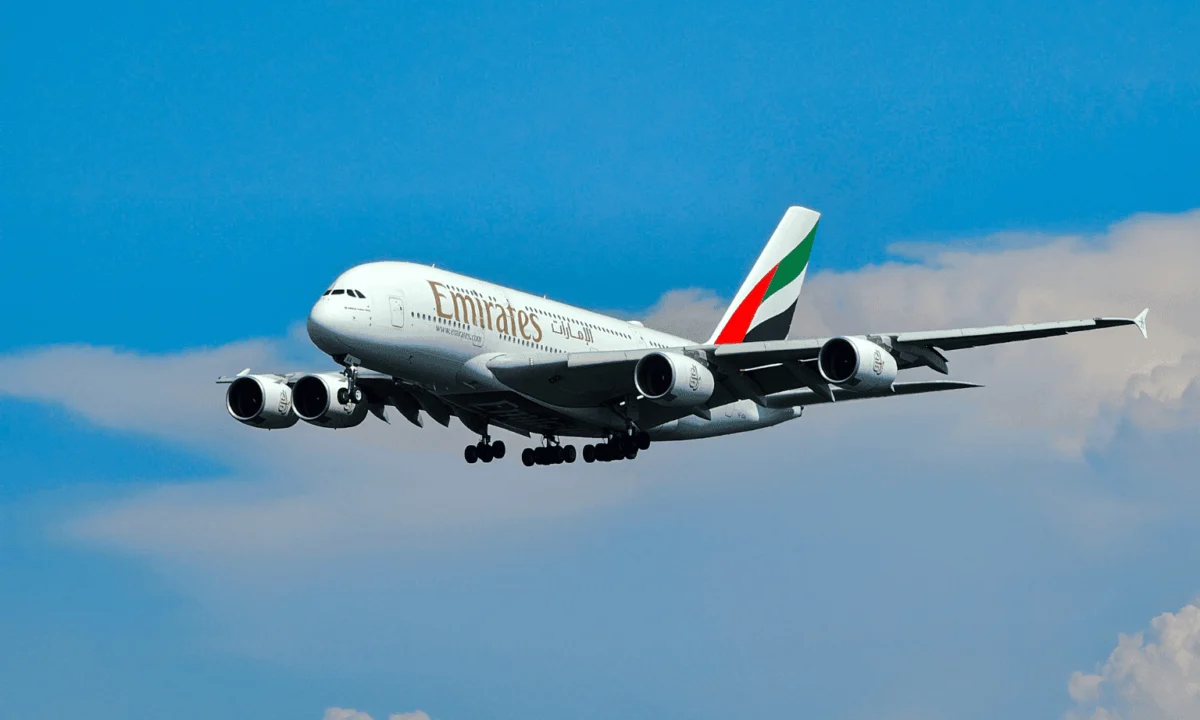
The resumption of flights through key Middle Eastern hubs marks a significant shift for Australian travellers planning journeys to Europe, though official warnings and fluctuating prices continue to demand caution and flexibility. The initial weeks of the Middle East conflict triggered widespread flight cancellations and a dramatic surge in airfares, disrupting travel plans for millions and particularly impacting cruise passengers reliant on timely connections to embarkation ports.
According to aviation analytics firm Cirium, the initial period of heightened conflict saw over 60,000 flights cancelled in and out of the Middle East, affecting an estimated six million passengers. This disruption forced many Australian travellers, including those booked on cruises departing from European ports, to seek alternative routes that bypass traditional transit points like Dubai and Doha.
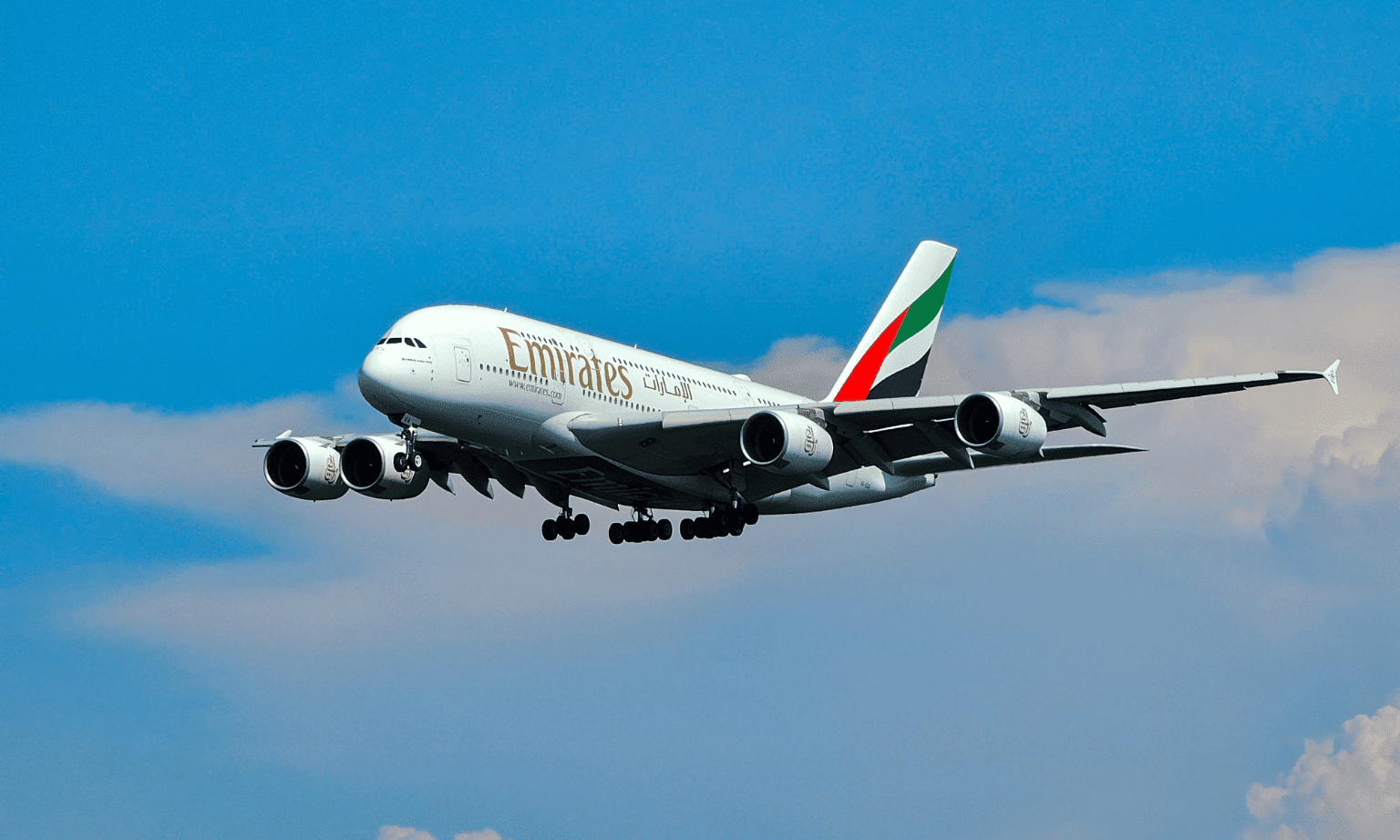
In response to the evolving situation, major airlines are gradually reinstating and increasing their flight frequencies. Qatar Airways, for instance, resumed services from Doha to Sydney, Melbourne, and Perth on April 10, 2026. The airline has indicated plans to increase these frequencies to daily by May 1, with further recommencements from Brisbane in May and Adelaide in June. Similarly, Emirates is operating double daily flights to Sydney and Melbourne, with a daily service to Perth, and is set to resume flights to Brisbane and Adelaide from May 1.
Despite these operational recoveries, the Australian government, through its Smartraveller service, continues to advise against transiting through the Middle East. The advice highlights the potential for further escalation of regional conflict, warning that even travellers not intending to leave airport transit areas should avoid these regions. Smartraveller explicitly states, “The regional conflict is likely to escalate further,” and cautions that “Airports, hotels, roads, bridges and other locations have been struck with missiles.” The advisory also emphasizes the possibility of airspace closures at short notice, leading to sudden flight changes or cancellations, and border closures.
Travel Warnings and Their Implications
The Australian government’s travel advisories carry significant weight for travellers and the travel insurance industry. For the United Arab Emirates (UAE), Smartraveller has issued a "Do Not Travel" advisory, citing the volatile security situation and military strikes in the region. The advice warns that UAE airspace may open or close unpredictably, impacting flights at Dubai and Abu Dhabi airports. It further notes that retaliatory strikes are occurring across the Middle East following military actions, which could lead to widespread movement restrictions and other travel disruptions.
A similar "Do Not Travel" advisory is in place for Qatar. Smartraveller advises that due to the volatile security situation and military strikes, the region is extremely unsafe. The advisory notes that Qatar has closed its airspace and Qatar Airways has suspended flights to and from Doha, with military conflict posing risks of movement restrictions and travel disruptions.
A "Do Not Travel" recommendation from Smartraveller signifies that the Australian government considers the destination extremely unsafe. Critically, this designation typically invalidates travel insurance coverage for those destinations, leaving travellers uninsured for any losses or medical emergencies. This poses a significant financial and safety risk for those who choose to travel to or transit through these regions against official advice.

The reliance on Middle Eastern hubs for Australian travel to Europe is substantial, with approximately 51% of travellers historically utilizing cities like Dubai and Doha for their onward journeys. This means the current advisories and operational disruptions have a far-reaching impact on a significant portion of Australian international travel.
Shifting Flight Routes and Rising Costs
With the Middle East remaining a high-risk transit zone according to official advisories, travellers are increasingly exploring alternative routes between Australia and Europe. This shift in demand is already influencing flight availability and pricing.
Melissa Elf, Global COO of FCM Travel and Corporate Traveller, has noted that the majority of Europe-to-Australia flight connections traditionally operate via Asian hubs, such as Singapore, Hong Kong, and other major regional airports. These routes have largely continued to operate normally throughout the recent period of instability. Elf highlighted that passengers transferring via Asia, particularly Singapore, Hong Kong, and Kuala Lumpur, have seen a surge in popularity in recent days. However, she cautioned that seat availability on these alternative routes is limited and subject to rapid change, necessitating prompt action and flexibility from travellers and travel managers.
The increased demand for non-Middle Eastern routes, coupled with broader geopolitical factors impacting global fuel supplies, is driving up airfares. Qantas, for example, is reportedly experiencing significant price increases for its European routes as Australians pivot away from Middle Eastern carriers. Analysts estimate that the surge in fuel prices could add substantial daily costs for airlines. For instance, a spike in fuel prices could mean an airline like Qantas incurring an additional $14.8 million per day in fuelling costs, a figure that is inevitably reflected in ticket prices. Some routes have reportedly seen price increases of up to 150% in the past two weeks.
Examples of these inflated prices include fares as high as $5,500 for a Sydney to Paris flight with Turkish Airlines, $11,000 for a one-way economy ticket from Sydney to Frankfurt with Singapore Airlines, and a staggering $40,000 for a business class flight from Sydney to London with Cathay Pacific. Popular alternative routes include those from Perth that offer direct or shorter transit options to Europe, and flights that bypass the Middle East by routing through Asia.
Other airlines are also warning of price adjustments. Air New Zealand and Virgin Australia have indicated they are assessing the impact of rising fuel costs, while Air India has already implemented surcharges to its flights to offset increased fuelling expenses. These price hikes are occurring against a backdrop of heightened geopolitical tensions, including reports of Iran closing the Strait of Hormuz, a critical chokepoint for approximately 20% of the world’s oil supply.
Exploring Alternative Routes to Europe

Given the current climate, Australian travellers are being encouraged to familiarize themselves with alternative flight routes to Europe. The primary alternatives involve transiting through Asian hubs, North America, or utilizing direct flights from Western Australia.
Asian Hubs: This remains the most common and often the most cost-effective alternative. Major carriers operating via Asia include:
- Singapore Airlines: Often a preferred choice for its service and connectivity through Singapore.
- Cathay Pacific: Offers routes via Hong Kong, known for its comprehensive network.
- Malaysia Airlines: Connects through Kuala Lumpur, providing a viable option for many European destinations.
- Thai Airways: Routes via Bangkok are another established alternative.
- Chinese Carriers (Air China, China Eastern, China Southern): These airlines typically offer competitive pricing with stopovers in cities like Beijing, Shanghai, and Guangzhou. While often the cheapest, transit times can be longer.
- Korean Air and Vietnam Airlines: Provide options through Seoul and Ho Chi Minh City, respectively.
- Finnair: Operates with a stopover in Seoul before connecting to Helsinki.
North American Transits: For some travellers, routing through the United States or Canada presents an alternative. This involves flying from Australia to major North American gateways such as Los Angeles or Vancouver, and then continuing to European cities. While this can offer a different travel experience, it often involves longer total transit times compared to Asian routes.
Direct Flights from Perth: Qantas offers non-stop services from Perth to London, Rome, and Paris. For residents of Western Australia, or those willing to travel to Perth, this presents a significant time-saving option by completely bypassing transit hubs.
Comparative Analysis of Alternative Routes
To illustrate the differences in cost and transit time, a comparative analysis of random travel dates (return flight from Sydney to London, departing April 14 and returning May 12) reveals the following typical options:
| Airline | Price Range ($AUD) | Stopover Location(s) | Total Transit Time (Approximate) |
|---|---|---|---|
| Air China | $1250 – 1500 | Beijing | 30 hours outbound, 41 hours return |
| China Eastern | $1600 – 1800 | Shanghai | 28 hours outbound, 27 hours return |
| China Southern | $1600 – 1800 | Guangzhou | 40 hours outbound, 29 hours return |
| Cathay Pacific | $2500 – 2700 | Hong Kong | 26 hours outbound, 23 hours return |
| Thai Airways | $2500 – 2700 | Bangkok | 25 hours outbound, 23 hours return |
For Sydney to Paris on the same dates, the options expand:
| Airline | Price Range ($AUD) | Stopover Location(s) | Total Transit Time (Approximate) |
|---|---|---|---|
| Malaysia Airlines | $1400 – 1600 | Kuala Lumpur | 25 hours outbound, 25 hours return |
| China Eastern | $1400 – 1500 | Shanghai | 28 hours outbound, 28 hours return |
| China Southern | $1800 – 2000 | Guangzhou | 29 hours outbound, 24 hours return |
| Air India | $1900 – 2000 | Delhi | 30 hours outbound, 38 hours return |
| Thai Airways | $2100 – 2300 | Bangkok | 25 hours outbound, 23 hours return |
| Vietnam Airlines | $2100 – 2200 | Ho Chi Minh City | 29 hours outbound, 37 hours return |
| Korean Air | $2100 – 2200 | Seoul | 40 hours outbound, 26 hours return |
| Finnair | $2200 – 2400 | Seoul + Helsinki (outbound), Helsinki + Singapore (return) | 30 hours outbound, 26 hours return |
| Cathay Pacific | $2300 – 2500 | Brisbane + Hong Kong (outbound), Hong Kong (return) | 32 hours outbound, 24 hours return |
| Air France | $2400 – 2600 | Los Angeles (outbound), Singapore (return) | 33 hours outbound, 22 hours return |
These figures, while illustrative, demonstrate that Asian routes generally offer a balance of cost and transit time. Chinese carriers often present the lowest price points, but with longer layovers. More premium carriers like Cathay Pacific and Thai Airways provide shorter transit times but at a higher cost.
The Flexible Ticket "Insurance" Strategy
In navigating this period of uncertainty, travel experts are emphasizing the importance of booking flexible tickets. Sharon Summerhayes, owner of Deluxe Travel and Cruise, advocates for purchasing a flexible ticket through Asia as a form of insurance for travellers who currently have bookings via the Middle East.
The strategy involves booking a secondary, flexible ticket through an Asian hub with a low cancellation penalty. If the originally booked Middle Eastern flight proceeds without issue, the traveller can cancel the Asian flight, potentially incurring a modest cancellation fee. However, if the Middle Eastern flight is cancelled or deemed unsafe, the traveller has a secured alternative with the Asian ticket, mitigating the risk of missing their holiday or cruise entirely.
Summerhayes advises travellers to be aware of cancellation timeframes, as most tickets require cancellation at least 24-48 hours prior to departure to secure the maximum refund. While Middle Eastern airlines may offer refunds for immediately affected passengers, the uncertainty of flight status closer to the departure date makes this proactive approach prudent. Airlines such as Singapore Airlines, Thai Airways, and Japan Airlines are recommended for their flexible booking options and relatively low cancellation penalties, offering travellers a safety net in an unpredictable travel environment.
The current landscape for international travel from Australia to Europe is characterized by a delicate balance between the gradual restoration of services through traditional Middle Eastern hubs and persistent government warnings of regional instability. This dichotomy necessitates a strategic approach from travellers, prioritizing flexibility, diligent research into alternative routes, and a keen awareness of evolving pricing and availability. The surge in demand for Asian transit routes underscores their importance as a reliable alternative, while direct flights from Perth offer a premium solution for those prioritizing speed and convenience. Ultimately, informed decision-making, coupled with flexible booking strategies, will be key to navigating the complexities of international travel in the current geopolitical climate.




 Budi Mulyono
 Anjar Salim
 Tatiana Tantri Indah Sari

 Lukman Taruna Persada Ramadan