
 Budi Mulyono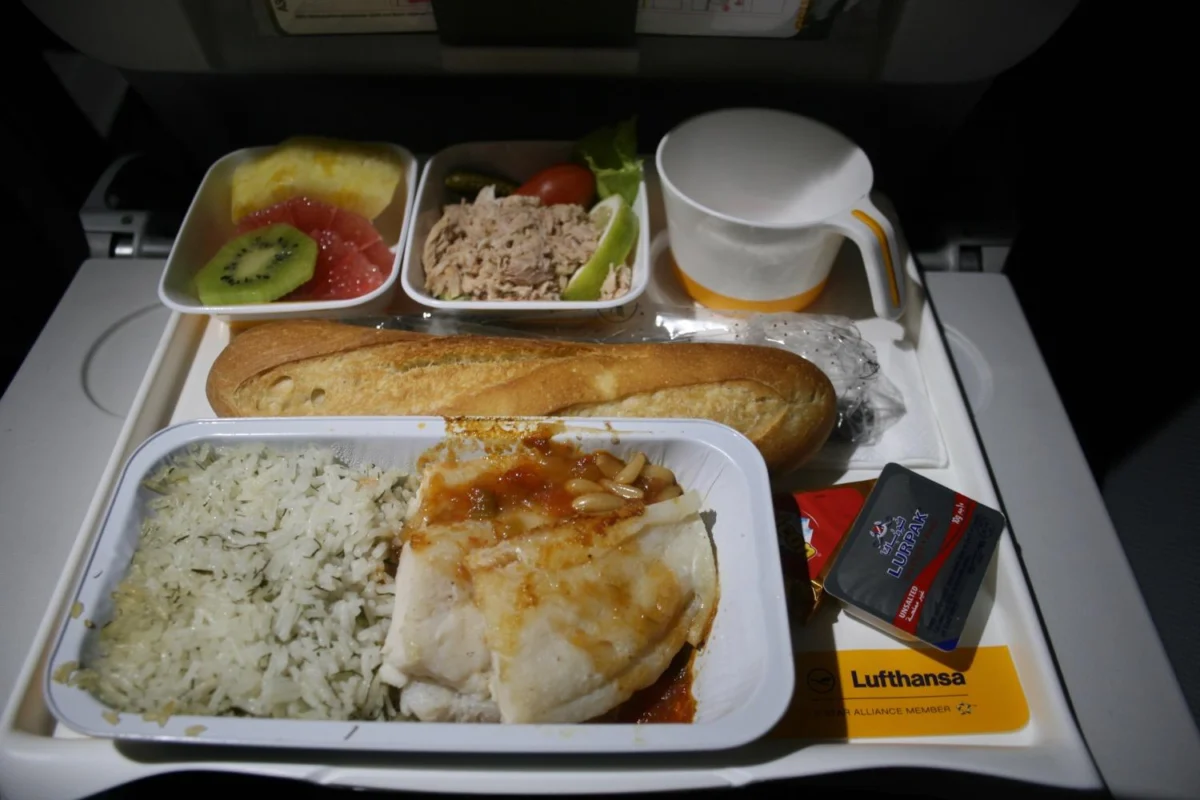
In November 2011, an occurrence on a Lufthansa flight from Beirut Rafic Hariri International Airport (BEY) to Frankfurt Airport (FRA) highlighted the complexities and occasional serendipities of international airline catering logistics. A passenger traveling in the economy class cabin was provided with a specialized seafood meal (SFML) despite not having placed a prior request for such a service. This incident serves as a focal point for examining the broader operational protocols of European legacy carriers, the management of special meal inventories, and the specific challenges associated with catering on medium-haul Middle Eastern routes.
The flight in question involved a Lufthansa Airbus A320-series aircraft, a staple of the carrier’s regional and medium-haul fleet. During this period, Lufthansa maintained a significant presence in the Levant, positioning Beirut as a critical node in its network connecting the Middle East to its primary hub in Frankfurt. The passenger, seated in the bulkhead row of the economy cabin—a location often reserved for frequent flyers or those requiring additional legroom—was presented with an alternative to the standard "chicken or pasta" choices typically offered to the general cabin population.
The Logistics of In-Flight Catering and Special Meal Codes
The aviation industry relies on a highly standardized system for managing dietary requirements, regulated by the International Air Transport Association (IATA). These are categorized under Special Meal (SPML) codes. The meal provided in this instance, a Seafood Meal (SFML), is one of several dozen codes that include options such as Low Sodium (LSML), Vegan (VGML), and Kosher (KSML).
Under standard operating procedures, special meals must be requested at least 24 hours in advance of departure. This lead time allows catering providers, such as LSG Sky Chefs—which was a wholly-owned subsidiary of the Lufthansa Group in 2011—to source specific ingredients and prepare the trays in a controlled environment separate from the mass-produced standard offerings. The appearance of an "unclaimed" special meal in the economy cabin usually results from one of three logistical scenarios: a passenger who ordered the meal failed to board the flight (a "no-show"), a passenger was upgraded to a higher cabin class at the last minute, or the catering department provided an overage to ensure service recovery in the event of a damaged tray.
When a special meal remains unclaimed after the initial service round, flight attendants are granted the discretion to offer the meal to other passengers. This protocol serves two purposes: it reduces food waste and provides a potentially superior dining experience to a high-value customer or a passenger in a prominent seat, such as the bulkhead.
Regional Catering Context: The Beirut-Frankfurt Route
Catering out of Beirut Rafic Hariri International Airport presents a unique set of variables. In 2011, the airport was a burgeoning hub for the Eastern Mediterranean, and Lufthansa’s catering requirements were met by local providers adhering to the strict quality standards of the German flag carrier. Middle Eastern catering is often noted for its emphasis on fresh ingredients and regional flavor profiles, which frequently integrate more seafood and specialized grains than Western European counterparts.
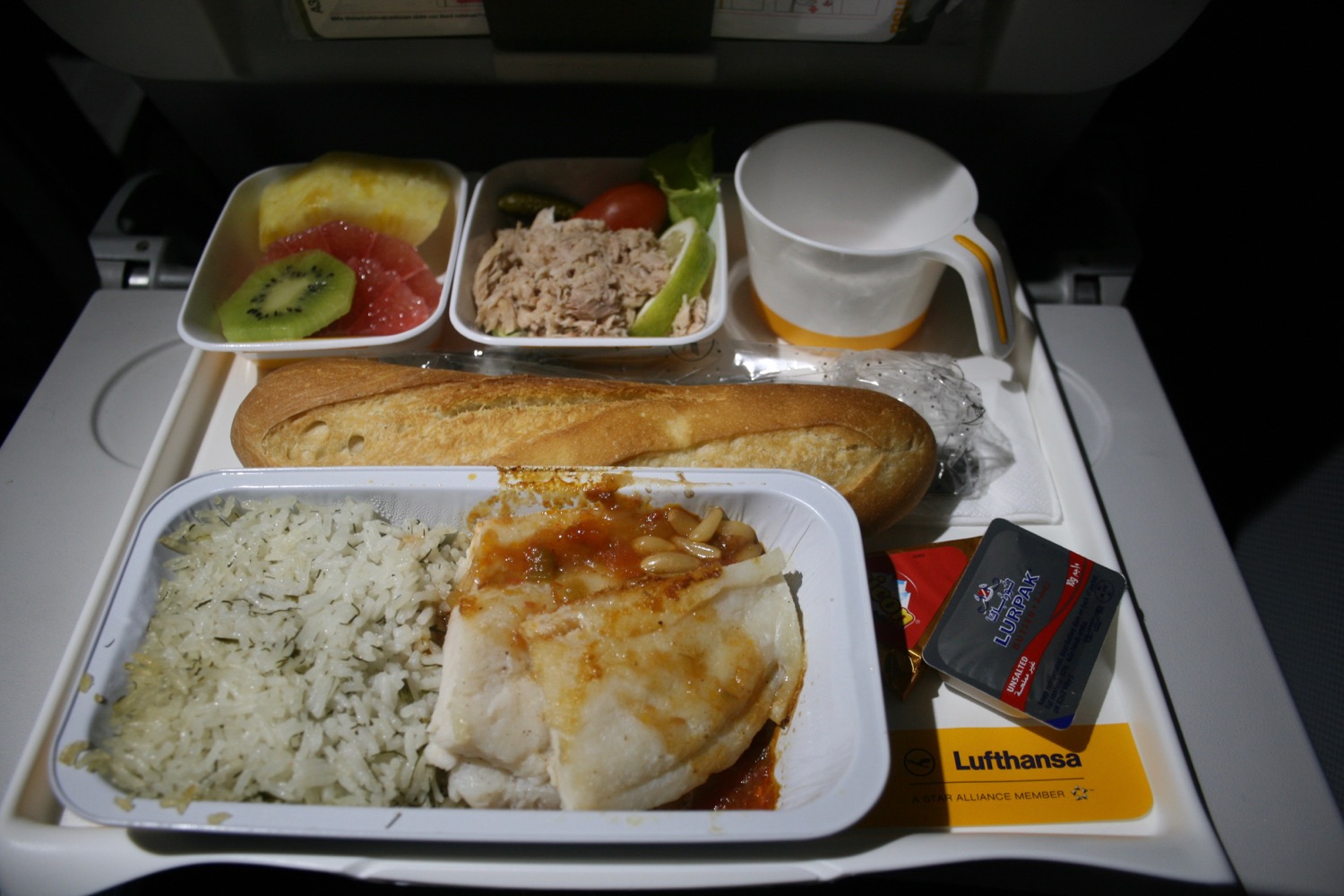
The meal delivered to the passenger on this flight consisted of a multi-course tray that deviated significantly from the standard economy class fare. While a typical economy meal might feature a heavy starch-based dessert and a simple green salad, the SFML tray included a fruit plate and a tuna fish salad appetizer. The main course—white fish garnished with pine nuts and served alongside dill-infused rice—represented a departure from the industrial-scale poultry and pasta dishes that dominate long-haul economy service.
Industry analysts note that fish is often considered a "high-risk" item in economy class catering. Maintaining the delicate texture of white fish during the "cook-chill-reheat" cycle required for airline safety is a technical challenge. While some carriers, such as South African Airways, have faced criticism for the quality of their economy-class seafood, the Lufthansa experience out of Beirut demonstrated that high-quality execution is possible when regional catering partners leverage local expertise and ingredients, such as pine nuts and Mediterranean herbs.

The "Euro-Business" Seating Model and Passenger Choice
The passenger’s decision to remain in economy class despite the availability of business class reflects a broader trend in European aviation known as the "Euro-Business" configuration. On most narrow-body aircraft operated by carriers like Lufthansa, Air France, and British Airways, the physical seats in business class are identical to those in economy class. The primary differentiator is a "blocked" middle seat, which provides additional shoulder room, and an upgraded meal service.
On the Beirut-to-Frankfurt route—a flight duration of approximately four to five hours—the value proposition of business class is often scrutinized by experienced travelers. If the cabin density in economy is low, or if a passenger secures a bulkhead seat with ample legroom, the physical comfort level can approximate that of the business cabin. In this specific case, the passenger’s presence in the bulkhead row likely facilitated the flight attendant’s offer of the unclaimed special meal, effectively bridging the gap between the economy and business class dining experiences.
Nutritional and Sensory Analysis of the SFML Tray
The specific components of the 2011 Lufthansa seafood meal provide insight into the nutritional strategies of airline catering. The main course of white fish with dill rice and pine nuts is a protein-rich, relatively low-fat option compared to the cream-heavy pasta dishes often served in the back of the plane. The use of dill and pine nuts is a strategic culinary choice; at high altitudes, human taste buds lose approximately 30% of their sensitivity to salt and sugar. Bold herbs and crunchy textures (like nuts) are essential for maintaining flavor profiles in a pressurized cabin environment.

However, the appetizer—a tuna fish salad—was noted as failing to meet the same standard. Cold seafood preparations in aviation are notoriously difficult to manage. The "taming" of fish oils in a chilled, enclosed environment often leads to an olfactory experience that many passengers find unappealing. This discrepancy within a single meal tray highlights the uneven nature of mass-scale catering, where the main hot entree may be expertly prepared while the chilled accompaniments suffer from the constraints of the cold chain.
Broader Implications for Food Waste and Sustainability
The incident also touches upon the growing concern regarding food waste in the aviation sector. According to data from the International Air Transport Association (IATA), the airline industry generates approximately 6.7 million tonnes of cabin waste annually, a significant portion of which is untouched food. In 2011, the protocols for redistributing unclaimed meals were less formalized than they are today, often relying on the initiative of individual crew members.
In the modern context, airlines are increasingly using data analytics and artificial intelligence to predict meal consumption patterns more accurately. Some carriers have moved toward "buy-on-board" models for short and medium-haul flights to ensure that only the food that is purchased is loaded onto the aircraft. Lufthansa itself transitioned to a "Lufthansa Onboard Delights" paid catering model for its short and medium-haul European flights in 2021. However, on longer "mid-haul" routes like Frankfurt to Beirut, the legacy of providing a full, complimentary meal remains a key competitive differentiator against low-cost carriers.

Conclusion and Industry Outlook
The 2011 Lufthansa flight from Beirut serves as a historical benchmark for a specific era of airline service. It illustrates a period when legacy carriers maintained robust complimentary meal services even in economy class and when the "special meal" system offered a glimpse into a more tailored dining experience.
The positive reception of the white fish entree, despite the passenger’s initial skepticism, suggests that when airlines and their catering partners focus on regional specialties and high-quality ingredients, the economy class experience can be significantly enhanced. Furthermore, the discretionary distribution of unclaimed meals remains a small but effective tool for flight attendants to improve passenger satisfaction and mitigate the environmental impact of food waste.
As the industry continues to evolve, the balance between cost-cutting measures and the maintenance of service standards remains a primary challenge for legacy airlines. The "seafood special" incident remains a testament to the fact that even in the standardized world of commercial aviation, there is still room for unexpected quality and the occasional culinary surprise. For the modern traveler, the lesson remains pertinent: while the standard options may be predictable, the logistical complexities of the galley can sometimes result in a superior, albeit unplanned, dining experience.




 Chandra Hamzah
 Tatiana Tantri Indah Sari
 Anjar Salim

