
 Tatiana Tantri Indah Sari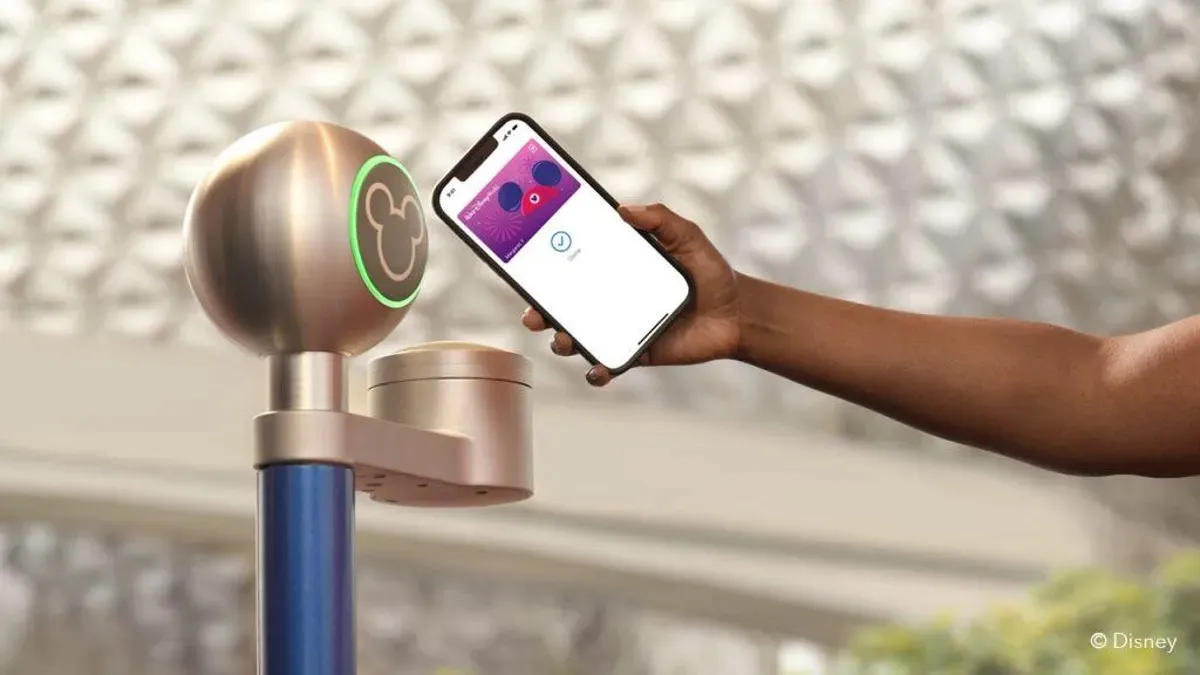
Apple is significantly expanding the capabilities of hotel room keys within Apple Wallet, with Walt Disney World confirmed as a prominent launch partner this fall, according to representatives from both companies. This strategic move, announced during Apple’s annual Worldwide Developers Conference (WWDC) in early June, aims to transform the digital key experience from a mere room access tool into a comprehensive digital concierge service, addressing the long-standing challenge of widespread adoption for mobile hotel keys.
While the ability to store hotel room keys in Apple Wallet has been available for approximately five years, its integration into the routine travel experience for many guests has remained limited. Apple’s latest enhancements are designed to overcome these hurdles, promising a more seamless and feature-rich interaction for travelers. "With iOS 27, Apple Wallet will offer an enhanced key experience for participating hotels and resorts," the company stated in its announcement, signaling a bold vision for future iOS iterations and the pivotal role of mobile technology in hospitality. This reference to iOS 27, while seemingly far off from current iOS versions, underscores Apple’s long-term commitment to deeply integrating these functionalities into its ecosystem, potentially indicating a staggered rollout of advanced features or a placeholder for a future, highly integrated platform.
The Evolution of Digital Access in Hospitality
The concept of a digital hotel room key is not new, evolving from proprietary hotel applications to integrations within broader mobile wallets. For decades, the ubiquitous plastic key card, often prone to demagnetization or loss, was the standard. The advent of RFID and NFC technologies paved the way for more sophisticated physical cards and, subsequently, mobile-based solutions. Major hotel chains began experimenting with their own apps offering digital key functionality in the mid-2010s, allowing guests to bypass the front desk and unlock their rooms directly via their smartphones.
Apple’s entry into this space, approximately five years ago, brought the convenience of storing these digital keys directly within the secure confines of Apple Wallet. This initial iteration primarily focused on room access, allowing guests to tap their iPhone or Apple Watch on a compatible lock to gain entry, similar to using Apple Pay for transactions. While innovative, its adoption faced several challenges: the need for widespread hotel infrastructure upgrades, varying levels of support across different brands and properties, and a general lack of awareness or incentive for travelers to switch from traditional methods. Many hotels also struggled with the technical integration and the cultural shift required to encourage guests to download an app or trust a new digital method.
Unpacking the New Wallet Key Features: Beyond the Door
The latest update transcends the basic function of unlocking doors. Apple Wallet keys will now empower guests with an array of functionalities designed to streamline the entire hotel stay. Brands can integrate options that allow customers to initiate the check-out process directly from their Apple Wallet key, eliminating the need for a trip to the front desk or navigating a complex app. Guests will also be able to review their folio—a detailed bill of charges—with a simple tap, fostering transparency and convenience. Crucially, the enhanced key will also serve as a direct gateway, allowing guests to jump from Wallet straight to the partner’s own application or website with a single button press. This deep linking capability promises to reduce friction in accessing additional hotel services, from ordering room service to booking spa treatments or extending a stay.
This expansion signifies a strategic shift for Apple, positioning Wallet not just as a secure repository for cards and keys, but as an interactive platform for managing various aspects of daily life, including travel. The seamless integration with iPhone and Apple Watch means that these advanced functionalities are always at the user’s fingertips, leveraging the devices’ inherent security and convenience.
Walt Disney World: A Strategic Partnership with Deep Implications
The announcement of Walt Disney World as a launch partner is particularly significant. Disney, a pioneer in integrating technology into the guest experience, has a rich history of innovation, from its iconic MagicBands to the comprehensive My Disney Experience mobile app. The MagicBands, first introduced in 2013, revolutionized the park experience, serving as tickets, room keys for resort guests, payment methods, and FastPass+ entry. While highly successful, MagicBands are proprietary hardware. Integrating enhanced Apple Wallet keys offers Disney an opportunity to further streamline its resort experience by leveraging guests’ existing mobile devices.
For Disney, this partnership aligns perfectly with its ongoing efforts to enhance digital convenience and personalization. Guests staying at Disney resorts will likely be able to add their resort room key to Apple Wallet upon check-in, then use their iPhone or Apple Watch not only to access their room but also potentially to manage their stay, review charges, and access other resort amenities. This could reduce reliance on physical MagicBands for basic room access, offering guests more choice and flexibility. It also allows Disney to tap into Apple’s vast user base and the inherent trust associated with the Apple ecosystem, potentially driving higher adoption rates for digital room keys within its resorts. This collaboration underscores a shared commitment to creating frictionless, technology-driven guest journeys.
The Broader Landscape of Digital Transformation in Travel
The timing of Apple’s announcement coincides with a broader push for digital transformation within the travel and hospitality sectors. The COVID-19 pandemic accelerated the demand for contactless solutions, with travelers increasingly expecting mobile-first experiences across all touchpoints. Industry reports, such as those from Hospitality Technology, indicate a consistent increase in hotel technology budgets, with a significant portion allocated to guest-facing solutions and operational efficiencies.
Despite the growing demand, the adoption of digital keys has been slower than anticipated. A 2023 survey by J.D. Power indicated that while customer satisfaction with mobile apps for hotel stays was high, the actual usage of features like mobile check-in/out or digital keys remained relatively low compared to traditional methods. This highlights the gap Apple is aiming to bridge: not just offering the technology, but making it so intuitive and feature-rich that it becomes a preferred default.
Competitors like Google Wallet also offer digital key functionalities, often integrating with various hotel chains. However, Apple’s deep integration within its ecosystem, coupled with its strong emphasis on privacy and security, provides a distinct advantage. The sheer volume of iPhone and Apple Watch users worldwide—estimated to be over 1.5 billion active iPhones—presents a massive potential audience for this enhanced Wallet functionality.
Operational Efficiencies and Enhanced Guest Experience
The implications for hotels adopting these enhanced Apple Wallet keys are substantial. From an operational standpoint, reducing the need for guests to physically visit the front desk for check-in, check-out, or folio review can significantly alleviate staff workload, especially during peak hours. This frees up hotel staff to focus on more personalized guest interactions and complex issues, improving overall service quality. For example, a major resort like Walt Disney World, which handles tens of thousands of check-ins and check-outs daily, stands to gain immense efficiencies.
Moreover, the direct link from Wallet to a hotel’s app or website creates new avenues for guest engagement and revenue generation. Hotels can use this pathway to promote amenities, upsell services, or offer personalized recommendations based on guest preferences, enhancing the potential for ancillary revenue. From the guest’s perspective, the benefits are equally compelling:
- Convenience: No more fumbling for physical cards, especially when hands are full.
- Speed: Expedited check-in and check-out processes.
- Autonomy: Greater control over their stay details without needing staff intervention.
- Security: Digital keys are often more secure than physical cards, with encryption and device-level security.
- Environmental Impact: Reduced reliance on plastic key cards contributes to sustainability efforts.
Security, Privacy, and Trust: Cornerstones of Apple Wallet
Apple has consistently prioritized security and privacy across its ecosystem, and Apple Wallet is no exception. Digital keys stored in Wallet benefit from the same robust security architecture that protects Apple Pay transactions. This includes tokenization, where sensitive key data is replaced with a unique, encrypted token, and device-specific security elements like the Secure Element. If an iPhone or Apple Watch is lost or stolen, users can remotely disable their digital keys via Find My, offering a level of security often superior to traditional physical keys.
The company’s commitment to user privacy means that personal data related to hotel stays is handled with stringent protocols. Apple emphasizes that it does not track guest movements or collect data on how often a key is used. This focus on user trust is critical for widespread adoption, particularly in an era where data privacy concerns are paramount. For hotels, partnering with a platform known for its security can enhance guest confidence and reduce liability associated with data breaches.
Analyst Insights and Industry Reactions
Industry analysts view Apple’s move as a significant catalyst for digital transformation in hospitality. "This isn’t just an incremental update; it’s a strategic play by Apple to make Wallet the definitive hub for the entire guest journey," notes Sarah Miller, a senior analyst at Tech Travel Insights. "The partnership with Disney is a masterstroke, signaling to the rest of the industry that this is a serious, scalable solution that can handle high-volume, complex operations."
While the benefits are clear, challenges remain. Hotels will need to invest in compatible NFC lock systems and integrate their property management systems with Apple’s platform. The initial rollout will likely target larger chains and technologically advanced properties. However, as the ecosystem matures, the cost of entry is expected to decrease, pushing smaller establishments to adopt similar solutions to remain competitive. The long-term success will hinge on how effectively Apple and its partners educate consumers and ensure a seamless, intuitive experience from initial booking to post-stay engagement.
The Future of Smart Travel and Integrated Experiences
Looking ahead, the enhanced Apple Wallet key functionality paves the way for even more sophisticated smart travel experiences. Imagine a future where your digital key not only unlocks your room but also automatically adjusts room temperature and lighting to your preferences upon entry, based on pre-set profiles. Further integrations could include personalized itinerary management, real-time updates on local attractions, and seamless integration with ground transportation services.
Apple’s vision for iOS 27, as indicated in the announcement, suggests a future where the iPhone and Apple Watch become the ultimate universal remote for travel. By consolidating identity, access, and payment functionalities into a single, secure digital wallet, Apple is not just enhancing convenience; it is redefining the entire paradigm of how travelers interact with the world around them. This initiative is a clear signal that the future of travel is increasingly digital, integrated, and centered around the power of personal mobile devices.
In conclusion, Apple’s expansion of Wallet hotel key capabilities, spearheaded by the strategic partnership with Walt Disney World, marks a pivotal moment in the digital evolution of the hospitality industry. By transforming the digital key into a comprehensive guest management tool, Apple is set to drive broader adoption, enhance operational efficiencies for hotels, and deliver a more seamless, secure, and personalized travel experience for consumers worldwide. This is more than just unlocking a door; it’s about unlocking the full potential of connected travel.




 Anjar Salim
 Chandra Hamzah
 Budi Mulyono
 Lukman Taruna Persada Ramadan
