
 Budi Mulyono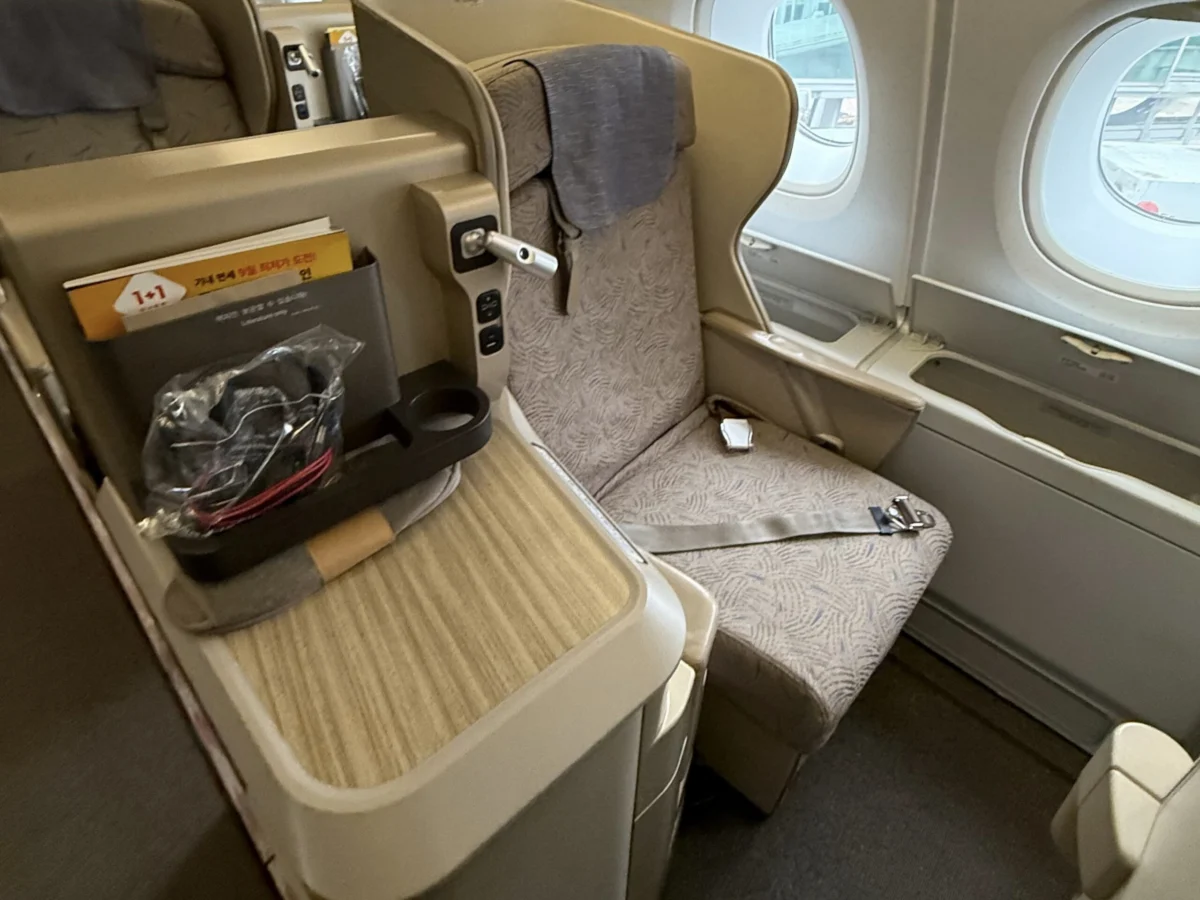
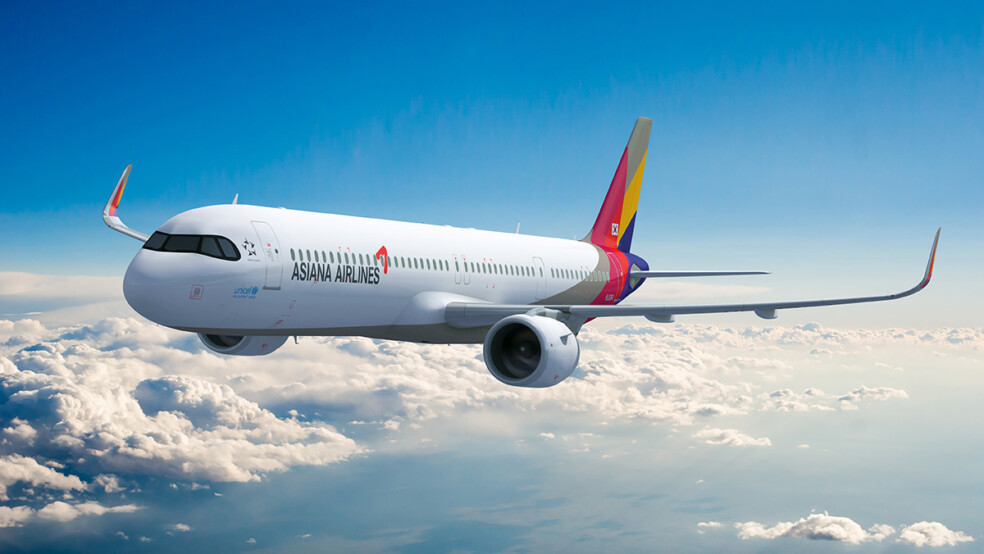
The global aviation landscape is set for a significant realignment as Asiana Airlines officially prepares to depart from the Star Alliance on December 16, 2026. This transition marks the final operational phase of the long-anticipated merger between South Korea’s two largest carriers, Asiana Airlines and Korean Air. Following the completion of the integration process, the Asiana brand will be retired, and the combined entity will operate under the Korean Air banner as a member of the SkyTeam alliance. This move concludes a multi-year regulatory and corporate odyssey that began in late 2020, effectively ending Asiana’s 23-year tenure as a cornerstone of the Star Alliance network in Northeast Asia.
The confirmation of the December 2026 exit date provides much-needed clarity for the global travel industry, codeshare partners, and millions of frequent flyers. Since the merger was first proposed, the timeline for Asiana’s departure remained a subject of speculation, contingent upon complex regulatory approvals from major global markets. With these hurdles now largely cleared, the aviation industry is bracing for the disappearance of a carrier long recognized for its high service standards and its strategic role in connecting North America and Europe to the Asia-Pacific region via its hub at Seoul’s Incheon International Airport (ICN).
The Path to Integration: A Chronological Overview
The merger between Korean Air and Asiana Airlines was born out of the unprecedented financial pressures placed on the aviation sector during the COVID-19 pandemic. In November 2020, Korean Air announced its intent to acquire its debt-ridden rival in a deal valued at approximately 1.8 trillion won ($1.4 billion). The move was heavily supported by the state-run Korea Development Bank (KDB), which viewed the consolidation as a necessary step to stabilize the domestic aviation industry and create a "mega-carrier" capable of competing with global giants.
Throughout 2021 and 2022, the merger faced rigorous scrutiny from antitrust regulators in 14 different jurisdictions. While many smaller markets provided swift approval, the "big four"—the European Union, the United States, Japan, and China—raised significant concerns regarding the potential for a monopoly on key international routes. To satisfy these regulators, Korean Air was forced to agree to a series of "remedies," which included relinquishing valuable takeoff and landing slots and supporting the entry of smaller low-cost carriers (LCCs) into long-haul markets.
By late 2023 and early 2024, the momentum shifted as major approvals were secured. The European Commission granted conditional approval after Korean Air agreed to divest Asiana’s cargo business and assist the South Korean LCC T’way Air in launching flights to four major European cities: Paris, Rome, Barcelona, and Frankfurt. Similarly, Japan’s Fair Trade Commission gave its blessing after the airline agreed to cede slots on several short-haul routes. As of late 2025, the focus shifted from legal approvals to the technical and operational integration of the two fleets, workforces, and loyalty programs, leading to the firm exit date of December 16, 2026.
Impact on Star Alliance and Incheon International Airport
The departure of Asiana Airlines represents a notable contraction for the Star Alliance, which has long relied on the carrier to provide a robust presence in the South Korean market. Beginning December 17, 2026, the Star Alliance will officially operate as a 25-airline collective. Despite this loss, the alliance has moved to reassure passengers that its presence at Incheon International Airport remains significant.
According to official statements from Star Alliance, 14 member airlines will continue to maintain operations at Incheon following Asiana’s exit. These carriers include:
- North America: Air Canada and United Airlines.
- Europe: Lufthansa, LOT Polish Airlines, SWISS, and Turkish Airlines.
- Asia-Pacific: Air China, Air India, Air New Zealand, EVA Air, Singapore Airlines, Shenzhen Airlines, and Thai Airways.
- Africa: Ethiopian Airlines.
While the alliance loses its domestic South Korean "home" carrier, the remaining members will continue to offer extensive connectivity. However, the loss of Asiana means that Star Alliance passengers will no longer have access to a seamless domestic South Korean network through a primary partner, potentially increasing the reliance on interline agreements or alternative transport methods within the peninsula.
Implications for Frequent Flyers and Award Travel
For members of frequent flyer programs, particularly those within the Star Alliance ecosystem, the December 16, 2026, deadline serves as a critical cutoff point. Air Canada’s Aeroplan members, who have historically found significant value in Asiana’s generous award availability, will be able to book Asiana-operated flights until the exit date, subject to seat availability. This window allows travelers to utilize their points for Asiana’s acclaimed long-haul products, including its Airbus A380 business class service.
The ticketing deadlines for Star Alliance partner awards involving Asiana vary depending on the specific carrier issuing the ticket. Travelers are advised to complete their bookings well in advance of the December 2026 deadline to avoid potential system glitches during the final transition phase. Once Asiana joins Korean Air under the SkyTeam umbrella, the "Asiana Club" loyalty program is expected to be folded into Korean Air’s "SKYPASS" program. While the conversion rates for miles have been a point of concern for Asiana loyalists, the airline has indicated that it will aim for a fair transition to protect consumer value.
For North American travelers, the merger will reshape the options for non-stop travel to Seoul. Asiana currently operates key routes from U.S. gateways including Los Angeles (LAX), New York (JFK), San Francisco (SFO), Seattle (SEA), and Honolulu (HNL). While Korean Air is expected to maintain these routes, the reduction in competition on these specific corridors has led to concerns regarding potential fare increases, a factor that was central to the U.S. Department of Justice’s review of the merger.
Regulatory Remedies and the Sale of Asiana Cargo
A pivotal component of the merger’s finalization was the divestiture of Asiana’s cargo division, a move required by the European Commission to prevent a dominant position in the air freight market between South Korea and Europe. In mid-2024, Air Incheon, a specialized South Korean cargo carrier, was selected as the preferred bidder for Asiana’s cargo arm. This sale is expected to be completed in tandem with the passenger airline integration, ensuring that the cargo market remains competitive.
Furthermore, the "remedy" routes handed over to T’way Air have already begun to change the landscape of South Korean aviation. By providing T’way with the aircraft and personnel necessary to fly to Europe, Korean Air has effectively fostered a new long-haul competitor to satisfy antitrust requirements. This transition period between 2024 and 2026 is seeing T’way gradually increase its footprint, offering travelers alternative options to the traditional duopoly that once defined the Korean market.
Analysis: The New Era of South Korean Aviation
The dissolution of the Asiana Airlines brand marks the end of an era that began in 1988 when the airline was founded as a competitor to the then-monopolistic Korean Air. For nearly four decades, Asiana was celebrated for its "5-star" service and its role in elevating South Korea’s status as a global aviation hub. However, chronic financial instability and the overwhelming scale of the global pandemic made its independence unsustainable.
From an industry perspective, the merger creates a national champion capable of achieving massive economies of scale. The combined fleet will exceed 200 aircraft, placing the new Korean Air among the top ten largest airlines in the world. This scale is expected to drive efficiency in maintenance, procurement, and scheduling. For Incheon International Airport, the merger will likely lead to a consolidation of operations in Terminal 2, which currently serves Korean Air and several SkyTeam partners, potentially leaving Terminal 1 with significant vacant capacity to be filled by other international carriers or expanding LCCs.
However, the transition is not without its risks. The integration of two distinct corporate cultures, different aircraft fleet types (such as Asiana’s heavy reliance on the Airbus A350 versus Korean Air’s preference for the Boeing 787), and complex IT systems represents a Herculean task. Furthermore, the global aviation community will be watching closely to see how the loss of a major Star Alliance member in Asia affects the competitive balance between the three major airline alliances.
Conclusion and Final Takeaways
As the December 16, 2026, exit date approaches, the focus for travelers and industry stakeholders must turn to preparation. Aeroplan and other Star Alliance members should prioritize the redemption of miles on Asiana metal before the late 2026 deadline. Corporate travelers and travel management companies must also begin adjusting their contracts to account for the shift from Star Alliance to SkyTeam on South Korean routes.
While the disappearance of the Asiana brand is a somber milestone for many aviation enthusiasts, the move is a pragmatic response to the evolving economics of flight. The emergence of a singular, strengthened South Korean flag carrier aims to provide a more stable and competitive platform for the country’s international connectivity. As the countdown to December 2026 begins, the aviation world prepares to say goodbye to Asiana Airlines and witness the birth of a new, consolidated giant in the Asian skies.


 Chandra Hamzah
 Gabriela Annisa
 Tatiana Tantri Indah Sari
 Hendra Ismail
 Walid Sujud Trenggono