
 Chandra Hamzah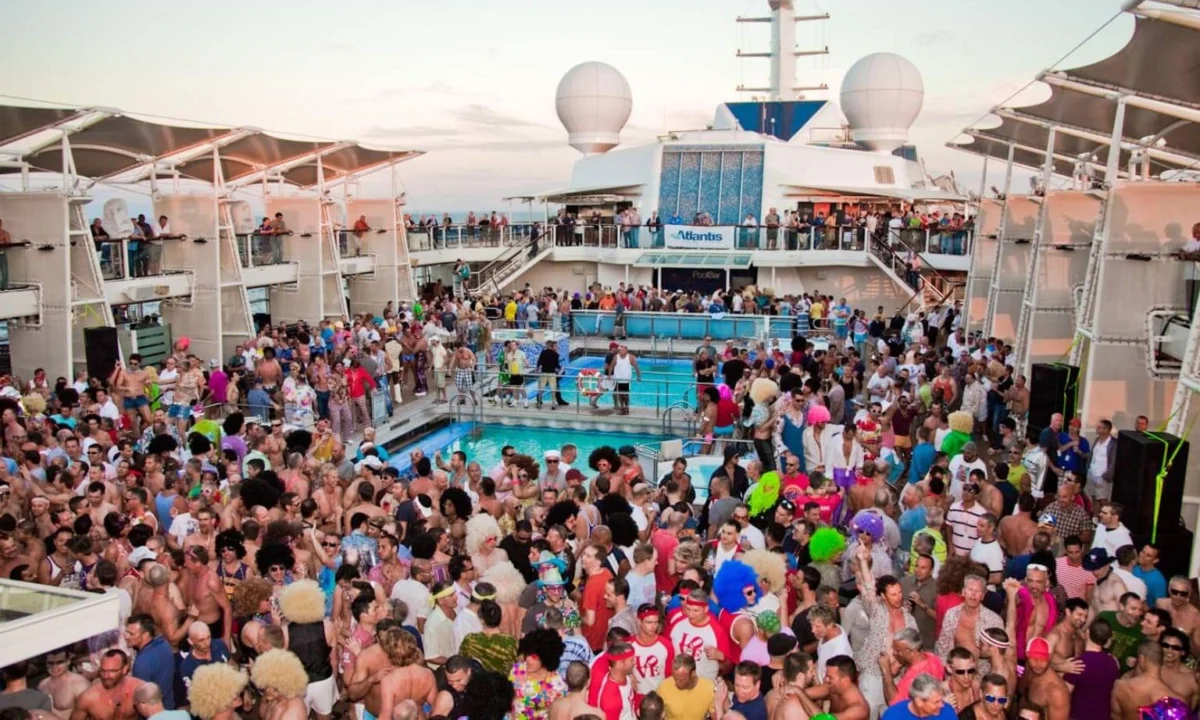
The recent exclusion of an LGBTQ+-focused cruise from docking in Egypt and Turkey has ignited a fervent discussion within the global cruise community and beyond, highlighting complex issues surrounding international travel, cultural sensitivities, and the rights of LGBTQ+ individuals. The Atlantis Voyages chartered sailing aboard the Virgin Voyages ship Scarlet Lady, which included hundreds of Australian passengers, was effectively turned away from both nations, prompting widespread reactions and analyses.
Background of the Incident
The Atlantis Voyages cruise, a long-established operator catering specifically to the LGBTQ+ community, had planned a voyage that included scheduled stops in Egypt and Turkey. However, as the ship approached these destinations, both countries reportedly denied port access. The Turkish Ministry of Culture and Tourism issued a statement indicating that Atlantis Voyages is "known for behaviours incompatible with the fabric of our society and our moral values." While specific reasons for Egypt’s denial were less explicitly stated in public, the outcome was the same: the ship was prevented from docking.
This incident is not entirely unprecedented for LGBTQ+-specific travel initiatives in regions with differing social norms. However, the scale of this particular cruise and the subsequent international attention have amplified the discourse. The decision by Egypt and Turkey to deny entry has been widely interpreted by organizers and many within the travel industry as a direct discriminatory act against the LGBTQ+ community.
Timeline of Events
While a precise day-by-day breakdown of the diplomatic interactions remains largely undisclosed, the sequence of events leading to the denial of entry can be broadly reconstructed:
- Pre-Voyage Planning: Atlantis Voyages, in conjunction with Virgin Voyages as the charterer of the Scarlet Lady, finalized itineraries that included ports in Egypt and Turkey. This planning would have involved necessary bookings and coordination with local port authorities and tour operators.
- Voyage Commencement: The cruise, carrying hundreds of passengers, including a significant contingent from Australia, set sail according to its planned itinerary.
- Port Denial Notifications: As the Scarlet Lady approached its scheduled ports of call in Egypt and Turkey, authorities in both nations communicated their decision to deny docking privileges. The exact timing and method of these notifications are not publicly detailed, but the outcome was swift and decisive.
- International Reaction and Media Coverage: News of the denial quickly spread through social media and travel forums, gaining traction among cruise enthusiasts. Major travel publications, including Cruise Passenger, reported on the incident, bringing it to broader international attention.
- Statements and Counter-Statements: Official statements were released by Turkish authorities, as noted above. Atlantis Voyages and its supporters condemned the actions as discriminatory. Discussions and debates emerged on online platforms like Reddit and Facebook, featuring passenger accounts and broader opinions.
Passenger and Community Reactions
The news of the cruise being turned away has generated a spectrum of opinions among cruisers and the wider public, particularly on online forums such as Reddit and Facebook. These discussions reveal a nuanced understanding of international travel, cultural differences, and the advocacy for LGBTQ+ rights.
Concerns Regarding Destination Choice:
A recurring theme in the online discourse is the question of why an openly LGBTQ+-focused cruise would choose to visit countries with known conservative social values or legal frameworks that are not fully supportive of LGBTQ+ rights. One Reddit user, sharing their experience of traveling in Egypt, noted, "I’ve met gay tourists on my trip to Egypt in a few group tours, and they unfortunately had to be really careful about hiding the fact that they were gay. Just seems like a less-than-great idea to go to an anti-lgbt country on an openly lgbt activity." This sentiment reflects a strategic consideration for LGBTQ+ travelers who often prioritize safety and discretion when visiting destinations with less progressive policies.
Conversely, other users have highlighted that many LGBTQ+ individuals travel to these regions without incident. Richie Vee commented, "Thousands of LGBTQ+ travellers visit Turkey every year without incident. Hotels, restaurants, tourist attractions, and medical clinics generally serve LGBTQ+ visitors without issue." This perspective suggests that the experience of LGBTQ+ individuals can vary significantly based on individual travel styles and adherence to local customs, rather than solely on the destination’s broader legal or social standing.
Interpretations of the Denial:
Some commentators believe the denial was not directly about the passengers’ sexual orientation but rather the perceived "image, atmosphere, and debauchery associated with that particular cruise." Jeff Savage articulated this view, stating, "Personally, I think this had more to do with the image, atmosphere, and debauchery associated with that particular cruise than with LGBTQ+ people themselves." This interpretation posits that the cruise’s specific programming or the organizers’ presentation might have been deemed incompatible with local sensibilities, irrespective of the passengers’ LGBTQ+ identity.
Advocacy for Alternative Destinations:
A strong contingent of online commentators advocates for boycotting destinations perceived as hostile to the LGBTQ+ community. AgreeableEvent4748 suggested, "What next, gay cruise to Iran? What are people thinking? Let’s not spend our money in countries that hate us. I don’t travel to Jamaica for the same reason." This user proposed focusing tourism on countries that are more demonstrably welcoming to LGBTQ+ individuals, such as Mexico or Greece, and suggested that undertaking activities like hair transplants, which some travelers might have pursued in Turkey, could be done in more accepting locales.
Shifting Political Landscapes:
Concerns have also been raised about the changing political climates in certain countries. AnswerGuy301, who had previously traveled to Turkey, expressed reservations about visiting now due to the political situation. "I’ve been to Türkiye willingly. Istanbul is a lovely city with so much history and charm and great food and nice people. It’s a little different as an individual than as a throng of 3,000 gay men trying to party it up. That said, with the political situation the way it is now I don’t think I’d go there." This comment points to a perception that the political climate might influence the safety and reception of large LGBTQ+ groups.
Prioritizing Safety and Acceptance:
For many, the decision to travel is intrinsically linked to feeling safe and accepted. Weary-Beat-7043 stated, "I’m not going where I’m not wanted. I’ll spend my money on a place that accepts me. I think it’s good the cruises were barred because there’s no telling what would have happened to any of those passengers." This perspective underscores a desire for destinations that affirm LGBTQ+ identities and a pragmatic approach to avoiding potentially unsafe environments.
Broader Implications and Analysis
The incident involving the Atlantis Voyages cruise carries significant implications for the future of LGBTQ+ tourism and the broader travel industry.
Economic Impact of LGBTQ+ Travel:
The LGBTQ+ travel market is a substantial and growing segment of the global tourism industry. According to reports from various travel industry bodies, LGBTQ+ travelers often have higher disposable incomes and are willing to spend more on experiences that cater to their specific needs and preferences. Estimates from organizations like OutNow Consulting have placed the global value of LGBTQ+ tourism in the hundreds of billions of dollars annually. Denying entry to such a group, especially one chartered by a prominent operator like Atlantis Voyages, represents a missed economic opportunity for the affected countries.
Reputational Risk for Destinations:
In an era of instant global communication, decisions to bar specific groups based on their identity can have far-reaching reputational consequences. Countries seeking to attract international tourism must navigate the delicate balance between upholding local cultural norms and adhering to global standards of inclusivity and non-discrimination. The actions by Egypt and Turkey have drawn criticism from international human rights organizations and LGBTQ+ advocacy groups, potentially impacting their appeal to a wider demographic of travelers.
Challenges for Cruise Lines and Tour Operators:
Cruise lines and tour operators that cater to diverse clientele face increasing pressure to ensure that all passengers feel welcome and safe. Chartering a vessel for a specific community, like Atlantis Voyages does, aims to create an inclusive environment. However, it also brings the unique needs and visibility of that community into direct interaction with the host countries. This incident highlights the due diligence required in selecting itineraries and the potential risks involved when geopolitical or socio-cultural factors are not fully accounted for. The decision by Virgin Voyages to charter a ship for this cruise, while seemingly facilitating the voyage, also places them in a position where their brand could be associated with controversy.
The Role of Cultural Diplomacy:
The events underscore the ongoing tension between cultural preservation and the global movement towards greater LGBTQ+ acceptance. While countries have the sovereign right to regulate entry, the manner and justification for such exclusions are subject to international scrutiny. The statements made by Turkish officials, referencing "moral values," reflect a common approach by some nations to justify policies that diverge from Western liberal norms. However, critics argue that such justifications can be used to mask discriminatory practices.
Future of LGBTQ+-Specific Travel:
The incident may lead to a recalibration of strategies for LGBTQ+-focused travel. Organizers might increasingly prioritize destinations with demonstrably inclusive policies and legal protections for LGBTQ+ individuals. Alternatively, some might argue for continued engagement with less progressive nations, aiming to foster understanding and acceptance through dialogue and the presence of diverse travelers. The debate on whether to engage or boycott remains a central point of contention within the community.
The situation also raises questions about the responsibility of travelers themselves. While freedom of travel is a fundamental right, so too is the right to not be discriminated against. The diverse opinions expressed online reflect a complex societal landscape where individual freedoms, cultural sensitivities, and collective rights are constantly being negotiated. The long-term impact of this incident on international relations, the tourism industry, and the ongoing struggle for LGBTQ+ equality will likely unfold in the coming months and years.
The cruise industry, in particular, will be closely watching how these events shape future itinerary planning and passenger expectations. As global interconnectedness grows, so too does the imperative for destinations and travel providers to foster environments that are not only safe and enjoyable but also respectful of human rights for all.



 Anjar Salim
 Tatiana Tantri Indah Sari
 Budi Mulyono
 Lukman Taruna Persada Ramadan
