
 Chandra Hamzah
Australia’s burgeoning cruise industry, a significant contributor to the nation’s economy, is facing a critical juncture, with operators expressing growing concern over a perceived lack of cohesive federal government engagement. This contrasts sharply with the proactive and unified approach taken by New Zealand, which has recently underscored its commitment to fostering a sustainable and thriving cruise sector. The disparity in governmental responsiveness is raising questions about Australia’s long-term competitiveness in attracting global cruise lines and the potential impact on tourism revenue and employment.
New Zealand’s Unified Front: A Model for Government Support
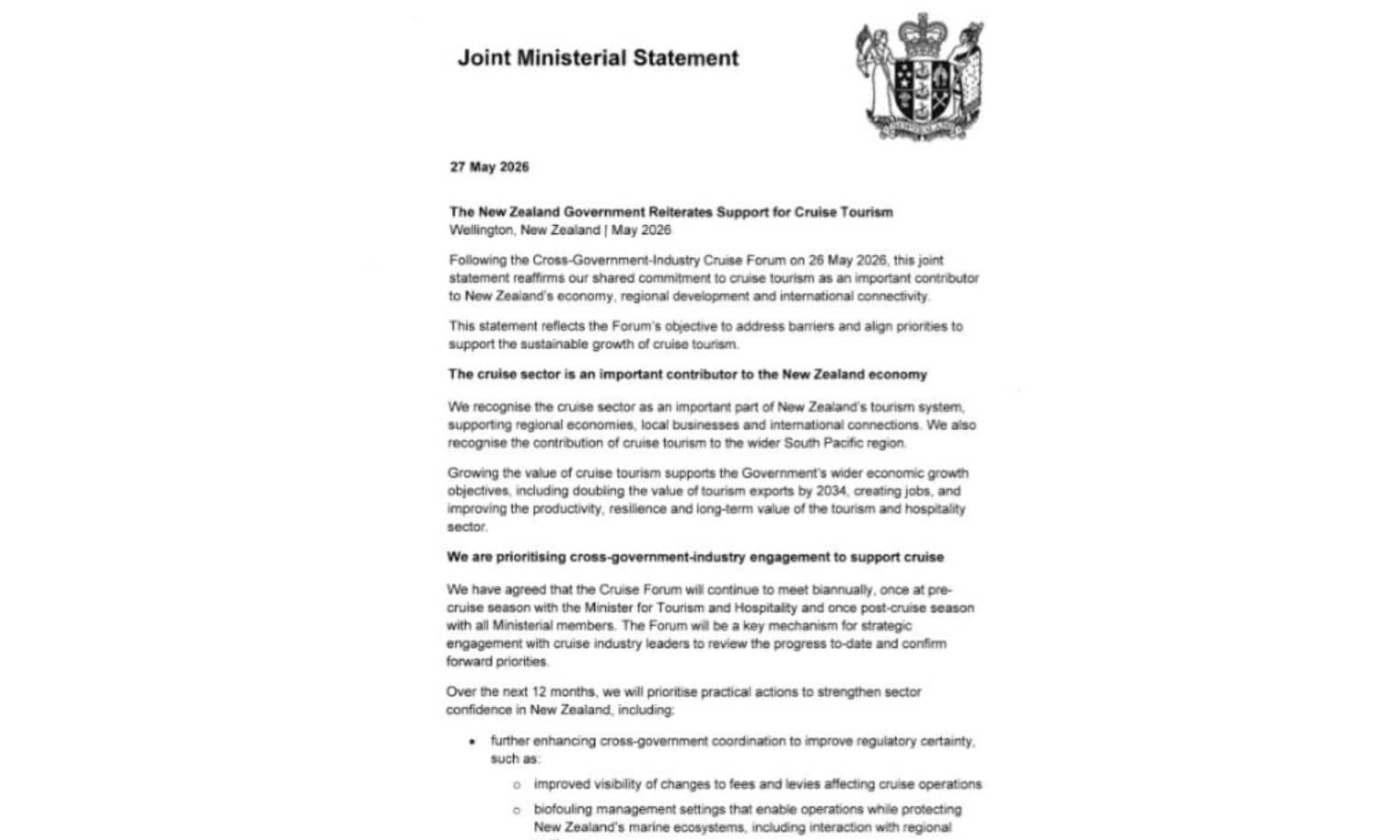
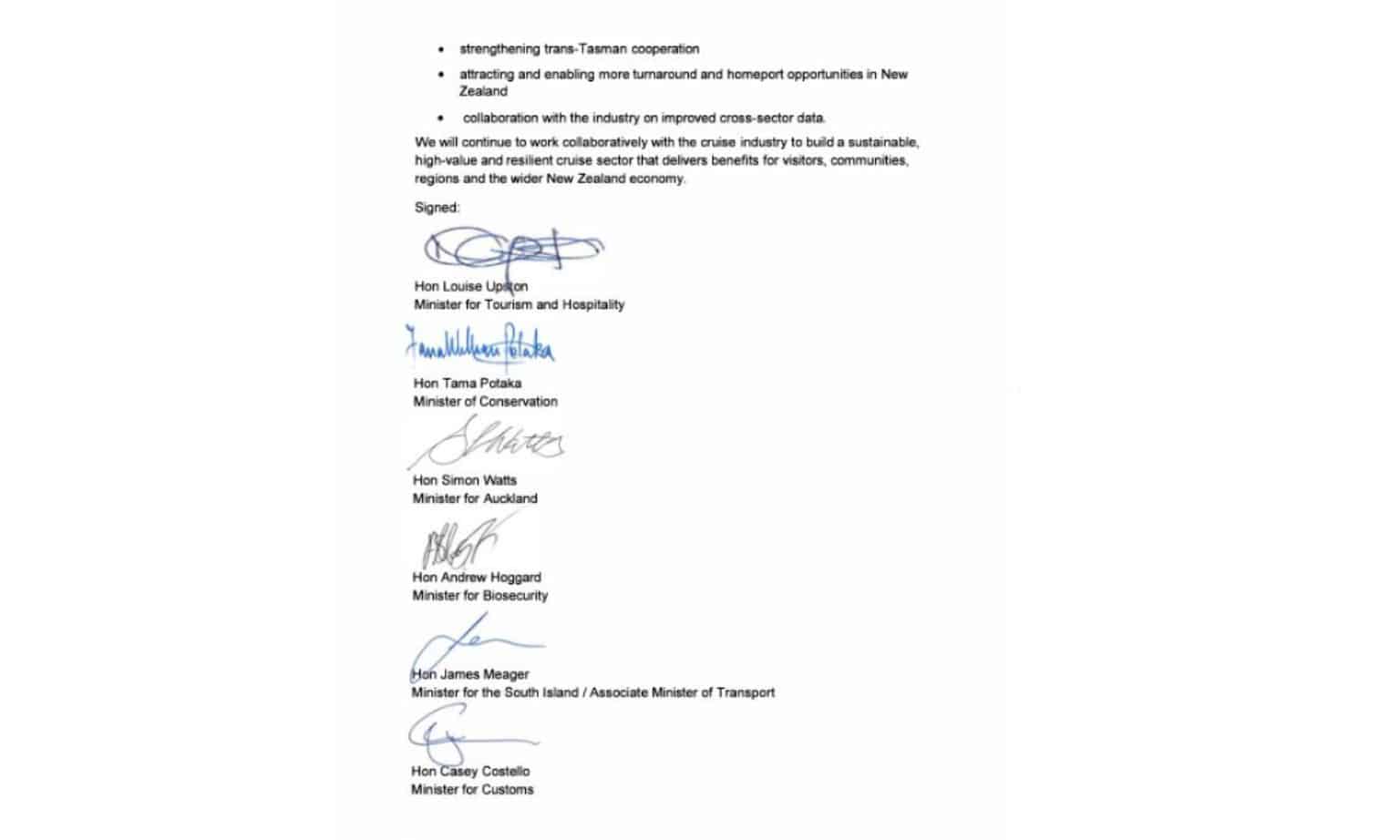
Last month, the New Zealand Cruise Association released a joint statement highlighting the indispensable role of the cruise industry in the nation’s economic landscape. This communication was notable not only for its declaration of intent to collaboratively nurture a sustainable future for cruising but also for the impressive calibre of its signatories. The presence of six government ministers, representing a broad spectrum of the administration, signalled a unified and comprehensive governmental endorsement of the sector. This demonstrates a clear understanding at the highest levels of government about the economic and social benefits derived from cruise tourism.
The significance of such a united front cannot be overstated. For cruise lines, whose investment decisions are predicated on market stability, regulatory clarity, and governmental partnership, a clear and consistent message from a nation’s leadership is paramount. New Zealand’s strategic move appears to be a deliberate effort to reassure cruise operators of its commitment, particularly in the wake of potential operational challenges and evolving environmental regulations that had previously cast a shadow over the industry’s future in the region.
Australia’s Divergent Path: A Call for Constructive Dialogue
In stark contrast, the Australian cruise industry finds itself still awaiting a similar comprehensive, "whole-of-government" response from its federal counterparts. This absence of a coordinated approach is perceived as a missed opportunity and a potential deterrent to investment. The way an industry is regarded domestically directly influences the confidence and willingness of international cruise lines, many based in hubs like Miami, to allocate their valuable assets – their ships – to a particular region.
The implications of this divergence are already becoming apparent. Just last week, a major international cruise line announced redundancies within its Australian office. While workforce reductions are often framed as internal corporate adjustments, the current discussion has broadened significantly, prompting a deeper examination of the broader economic landscape and the factors influencing cruise line deployment strategies.
The "Deprioritisation" Question: A Growing Concern
The question of whether Australia is being "deprioritised" by cruise lines, as recently posed by the trade journal Travel Weekly, is one that has been quietly circulating within the sector for some time. This concern is rooted in observable trends: despite strong post-pandemic demand and Australia’s consistent ranking among the top global cruise markets on a per-capita basis, the actual number of ships deployed to Australian waters has not returned to pre-COVID levels. CLIA data indicates that approximately 1.4 million Australians embark on cruises annually, injecting over $7 billion into the national economy. Cruise executives frequently laud the Australian market’s enthusiasm and importance, yet this sentiment appears to be at odds with the reality of declining capacity.
Economic Significance of the Cruise Industry in Australia
The economic footprint of the cruise industry in Australia is substantial and far-reaching. Beyond the direct spending by passengers and cruise lines on port services, the sector supports a vast network of ancillary businesses and employment opportunities. According to Joel Katz, CLIA Australasia Managing Director, over 22,000 Australian jobs are directly linked to the cruise sector. This includes a wide array of professions and industries:
- Maritime Services: Port operations, pilotage, tugboat services, and ship repair.
- Hospitality and Retail: Accommodation, food and beverage, and retail sales in port cities and destinations.
- Agriculture and Food Supply: Local produce, including fruits, vegetables, and wines, are supplied to cruise ships, benefiting farmers and producers.
- Tourism Operators: Excursion providers, tour guides, and transport services in destinations visited by cruise ships.
- Logistics and Distribution: Wholesalers and distributors supplying goods and services to the industry.
- Waste Management and Environmental Services: Essential services for ship operations.
- Regional and Indigenous Tourism: Cruise calls often extend to regional ports and remote areas, providing vital economic stimulus to communities that may have limited alternative tourism streams. Indigenous tourism enterprises also benefit significantly from cruise passenger shore excursions.
Katz has consistently emphasized that the economic benefits extend to a much wider supply chain, encompassing farmers, winemakers, produce wholesalers, and numerous other small and medium-sized enterprises. This broad economic impact underscores the importance of maintaining and growing the cruise sector’s presence in Australia.
Underlying Factors: Operating Costs and Regulatory Complexity
When cruise executives explain the rationale behind ship deployment decisions, two recurring themes emerge: high operating costs and regulatory complexity. These concerns have been voiced consistently by various operators, including Norwegian Cruise Line Holdings, and are critical factors influencing where cruise lines choose to invest their resources.
Global Deployment Dynamics
Global deployment decisions are inherently complex, involving a delicate balance of numerous variables. Cruise lines aim to maximize returns by considering:
- Fuel Costs: The fluctuating price of bunker fuel significantly impacts operational budgets.
- Operating Expenses: This includes crew wages, provisioning, maintenance, and port fees.
- Regulatory Requirements: Adherence to environmental, safety, and immigration regulations in different jurisdictions.
- Seasonality: Maximizing utilization by aligning ship deployment with peak seasons in various global markets.
- Emerging Opportunities: Identifying and capitalizing on growing demand in new or expanding markets.
While these global dynamics are understood, the consistent feedback from the industry suggests that Australia presents specific challenges that may be tipping the scales in favour of other destinations.
New Zealand’s Proactive Response: A Case Study
New Zealand’s approach to its cruise sector crisis offers a valuable lesson for Australia. A few years prior, the nation faced a significant downturn in cruise visits due to new environmental regulations and operational hurdles. Projections indicated a potential decline of up to 40 per cent in ship calls, with concerns even arising about access to iconic locations like Milford Sound, a key drawcard for international itineraries.
The immediate consequence was a redirection of cruise line interest towards other regions. However, instead of accepting this decline as inevitable, the New Zealand government initiated a comprehensive review and reassessment of its strategy. This involved:
- Direct Industry Engagement: Government officials actively engaged with cruise line representatives to understand their challenges and explore collaborative solutions.
- Facilitating Environmental Compliance: Efforts were made to find pathways for operators to meet stringent environmental requirements while ensuring the economic viability of cruising.
- International Outreach: Government representatives travelled to key cruise hubs, such as Miami, to directly engage with cruise executives, unequivocally demonstrating New Zealand’s commitment to being an attractive and viable cruise destination.
The core message conveyed was clear: "We value this industry and are committed to working with you." This proactive stance signaled a strong governmental endorsement and a willingness to adapt and support a vital economic sector.
The Australian Conundrum: A Lack of Clear Signal
Australia, on the other hand, has yet to send a comparable signal of unified governmental support. For years, cruise operators and industry bodies like CLIA Australasia have sought deeper engagement with federal policymakers. Joel Katz has been a consistent and measured advocate, consistently highlighting that the cruise industry is far more than just a holiday option for passengers. It is a significant economic engine, supporting thousands of jobs and contributing billions to the Australian economy.
The fragmented nature of decision-making across various government departments and regulatory bodies in Australia is creating an environment of uncertainty. This complexity, coupled with the perception of rising costs and a less welcoming business climate, is making it more challenging for Australia to compete effectively in the global cruise market.
Implications for Investment and Competitiveness
In a highly competitive global tourism market, perception is critical. Every ship deployed to destinations in Asia, Europe, or North America is a potential ship that is not sailing to Australian shores. Other nations are actively vying for cruise investment, engaging directly with cruise executives, promoting their ports, and demonstrating a clear commitment to the sector’s growth and sustainability.
Australia possesses a strong foundation for a thriving cruise industry: a passionate passenger base, a vibrant domestic market, and well-documented economic benefits. However, without a cohesive and proactive governmental strategy that addresses industry concerns regarding operating costs and regulatory efficiency, the nation risks losing its competitive edge.
The Path Forward: Dialogue and Strategic Engagement
The solution to Australia’s cruise industry challenges lies in initiating a constructive dialogue. Canberra needs to convene discussions with CLIA and industry leaders to gain a comprehensive understanding of their concerns. This engagement should focus on identifying practical strategies to enhance Australia’s competitiveness while upholding environmental standards and respecting community interests.
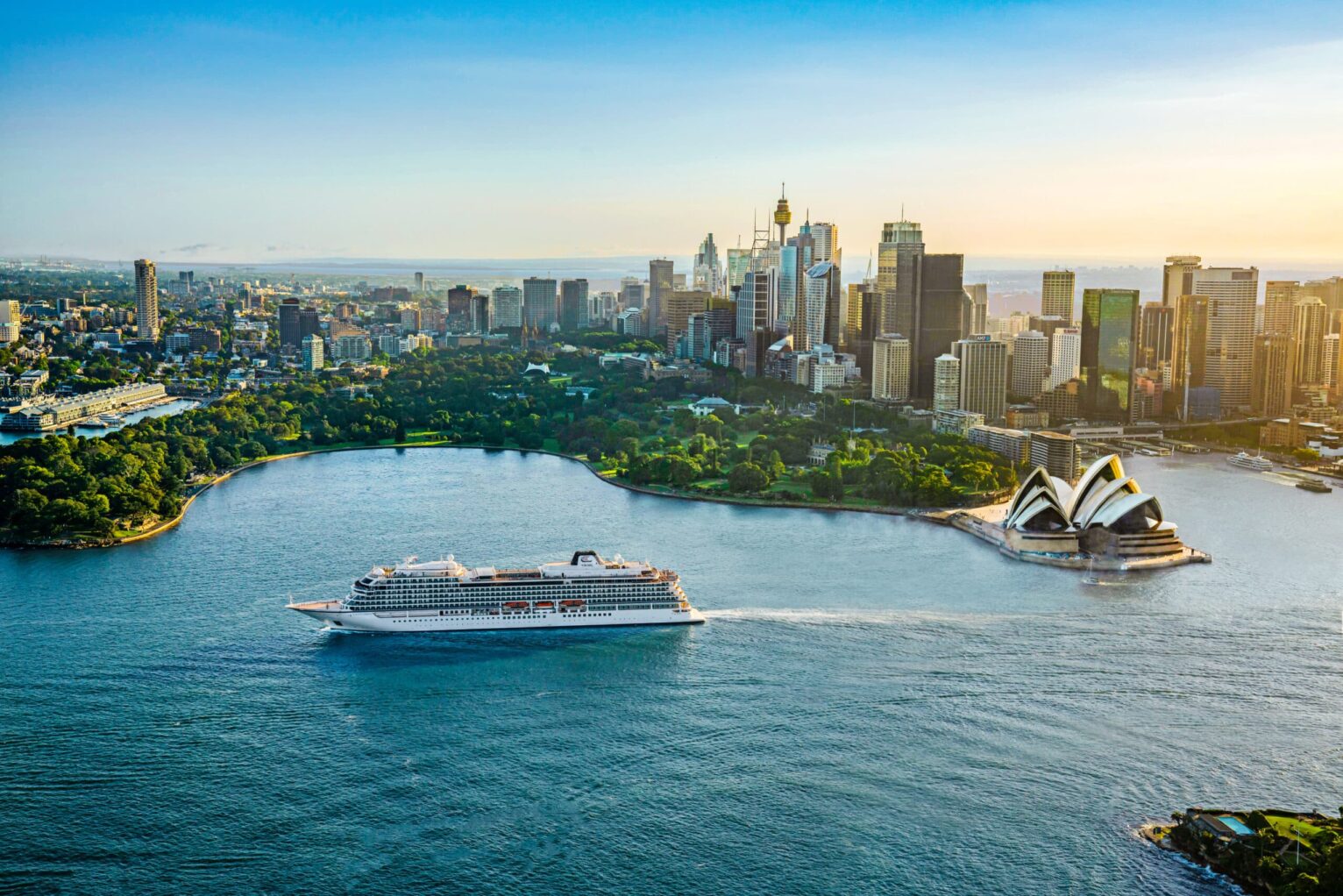
The cruise industry itself recognizes the non-negotiable importance of sustainability. Significant investments are being made globally in cleaner technologies, alternative fuels, shore power capabilities, and the development of next-generation vessels. Therefore, the conversation in Australia should not be about lowering these crucial standards, but rather about fostering an environment where industry operators feel supported and can efficiently navigate regulatory frameworks.
As the global cruise industry continues its recovery, particularly in light of recent geopolitical events impacting other regions, Australia has a prime opportunity to demonstrate its commitment. By actively listening to industry stakeholders and fostering a collaborative approach, the Australian government can ensure that the nation remains an attractive and profitable destination for cruise lines, thereby safeguarding jobs, boosting tourism, and securing its place as a leading cruise market for years to come. The future of Australia’s cruise sector hinges on its ability to proactively earn its place on the itineraries of global cruise lines, a task that requires a concerted and unified effort from all levels of government.


 Gabriela Annisa
 Tatiana Tantri Indah Sari
 Hendra Ismail
 Walid Sujud Trenggono
 Budi Mulyono