
 Lukman Taruna Persada Ramadan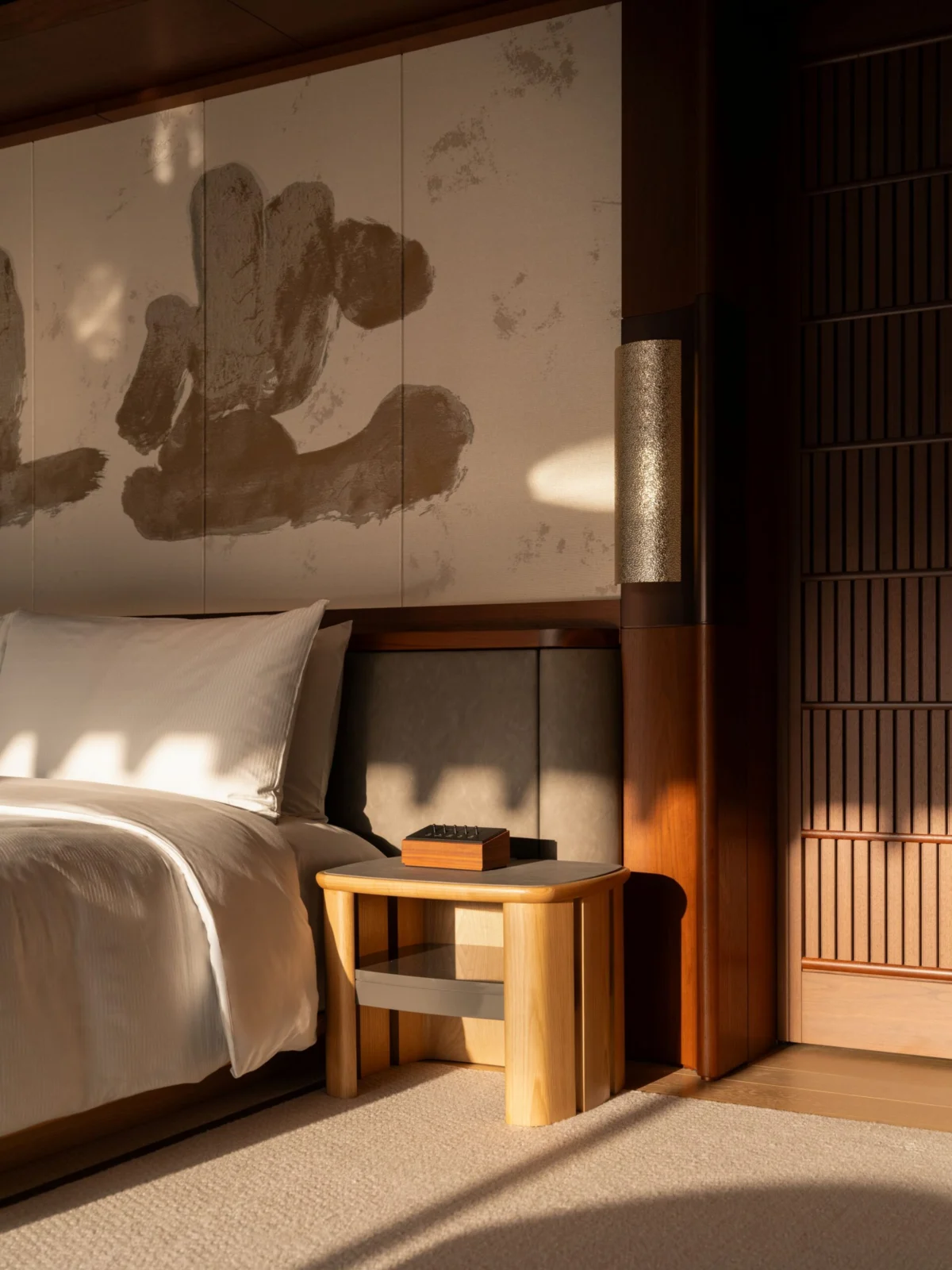
Capella Kyoto Hotel officially opened its doors this past March, coinciding with the breathtaking peak of Kyoto’s legendary cherry blossom season, a meticulously timed debut that underscored its deep connection to the city’s timeless beauty. This marks Capella Hotels and Resorts’ inaugural property in Japan, strategically situated in the historic Miyagawa-cho kagai, one of Kyoto’s revered geisha districts. Its prime location places it mere steps from the serene Kenninji temple, Kyoto’s oldest Zen temple, and the picturesque Kamo river, offering guests an unparalleled immersion into the city’s spiritual and natural landscapes.
The launch of Capella Kyoto represents a significant moment for both the luxury hospitality sector and Kyoto’s ongoing efforts to balance modernity with its profound historical legacy. The hotel’s design ethos embodies a sophisticated interpretation of the traditional Japanese machiya, or wooden townhouse, reflecting Kyoto’s distinctive architectural sensibilities through a meticulously curated sequence of spaces. This approach is characterized by a quiet composition of natural light, tactile textures, and refined detailing that pays homage to Japanese craftsmanship and aesthetic principles. Kyoto, long celebrated as Japan’s cultural capital, has increasingly become a magnet for luxury travelers seeking authentic experiences, and Capella’s entry further elevates the city’s high-end accommodation offerings.
A Historic Setting Reimagined: The Shinmichi Street Development
The Capella Kyoto stands on the former grounds of the Shinmichi Elementary School, a site now transformed into a visionary three-part development along the culturally significant Shinmichi Street. This ambitious project integrates the newly opened hotel with the meticulously restored Miyagawa-cho Kaburenjo Theatre and a contemporary community center, forming a cohesive hub that bridges past and present. This integrated approach highlights a growing trend in urban development, particularly in historically sensitive areas, where new constructions are designed to enhance rather than detract from existing cultural landmarks. The restoration of the Kaburenjo Theatre, in particular, stands as a testament to the commitment to preserving Kyoto’s intangible cultural heritage while revitalizing the local community.
At the very heart of this groundbreaking development lies the Kaburenjo Theatre, a structure steeped in centuries of tradition. For generations, this iconic venue served as the private training ground and performance stage for Kyoto’s esteemed geiko (geisha) and maiko (apprenticing geisha). It has long been a defining symbol of the kagai, or geisha districts, safeguarding the intricate performing arts of classical Japanese dance, music, and tea ceremony. Its restoration is not merely architectural; it is a cultural revitalization, now granting Capella guests the extraordinary privilege of access to these rare performances, offering a window into a living tradition that Kyoto has meticulously guarded for centuries. This exclusive access underscores the hotel’s commitment to providing deeply authentic and culturally enriching experiences, distinguishing it within Kyoto’s competitive luxury market. The integration of a community center alongside the luxury hotel and historic theatre also suggests a holistic approach to urban renewal, ensuring that the development benefits local residents as well as international visitors.
Exquisite Accommodations and Iconic Vistas
The Capella Kyoto rises four elegant floors, housing 89 exquisitely appointed rooms and suites. The accommodation spectrum ranges from luxurious deluxe city rooms, designed with serene comfort in mind, to the expansive 2,217-square-foot Capella Suite, occupying the entire top floor and offering unparalleled panoramic vistas. This range caters to diverse preferences, all while maintaining the brand’s hallmark of sophisticated elegance. Among the most coveted options are the Premier Theatre Rooms, aptly named for their direct outlook onto the historic Miyagawa-cho Kaburenjo Theatre, allowing guests to feel a profound connection to the district’s vibrant cultural pulse.

The two exclusive Gion Suites offer direct views of the ancient Kenninji temple, providing a tranquil and contemplative backdrop that enhances the sense of place. For those seeking ultimate relaxation and an authentic Japanese experience, six distinct Onsen Suites feature private hot spring baths, a rare and coveted amenity that allows guests to indulge in Japan’s revered bathing culture in the privacy of their own sanctuary. These private onsen experiences are particularly sought after, offering a unique blend of luxury and traditional Japanese wellness. The crowning jewel, the Capella Suite, commands a full, sweeping view of the iconic Higashiyama skyline, stretching across the ancient rooftops and pagodas of this historic district. From both the bedroom and lounge of this magnificent suite, guests can gaze upon the timeless beauty of Higashiyama, with the distinctive five-tiered silhouette of Yasaka Pagoda rising majestically against the distant mountain ridge. This iconic view encapsulates the essence of Kyoto, offering a visual narrative of its spiritual and historical grandeur.
The suite’s elevated position above Miyagawa-cho offers more than just scenic beauty; it provides guests with an exceptional vantage point for one of Gion’s most elusive and captivating sights: the graceful passage of geiko and maiko, exquisitely dressed for their evening engagements, as they make their way through the charming laneways below to the ochaya where they are awaited. This fleeting glimpse into their elegant world is a rare privilege, offering a truly authentic and unforgettable Kyoto experience that speaks to the enduring allure and mystique of this ancient tradition.
Culinary Journeys and Holistic Wellness Experiences
Capella Kyoto presents a compelling array of dining experiences, each crafted to offer unique culinary journeys. SingleThread Entremets, a dedicated patisserie program, is led by the formidable talents of Executive Pastry Chef Emma Horowitz and Chef Miu Morita, the latter formerly of Tokyo’s Michelin three-star L’Effervescence. This collaboration promises an exquisite selection of seasonal confections, available for on-site enjoyment within the hotel’s elegant spaces or thoughtfully packaged for takeaway, allowing guests to savor their treats elsewhere in the city. The involvement of chefs with such esteemed backgrounds immediately signals a commitment to culinary excellence.
For sophisticated late-night dining, Yoi emerges as a distinctive destination. It offers kappo cuisine with a modern twist, a refreshing and innovative concept that stands out in Kyoto’s typically more casual after-hours scene. Kappo dining, known for its intimate counter seating and chef-driven experience, is elevated here with contemporary flair, reflecting a dynamic approach to traditional Japanese gastronomy. Meanwhile, Lanterne, the hotel’s all-day French brasserie, masterfully reimagines Parisian café culture through the lens of Kyoto’s quiet craftsmanship. The interior design blends classic European elements like elegant marble and herringbone floors with the warmth of pale woods, all imbued with the serene sensibility of Japanese design, creating an atmosphere that is both sophisticated and inviting. This fusion of French culinary tradition with Japanese aesthetic principles exemplifies the hotel’s broader design philosophy.
Wellness at Capella Kyoto is anchored by Auriga Spa, the brand’s signature sanctuary renowned for its bespoke treatments inspired by lunar cycles and holistic rituals. The spa features three private onsen rooms, offering guests exclusive access to mineral-rich hot springs, alongside traditional wet and dry saunas, four dedicated treatment rooms, and a state-of-the-art fitness center. Signature treatments at Auriga Spa draw deeply from both revered Japanese traditions, such as shiatsu and kampo herbal medicine, and cutting-edge contemporary wellness practices, promising a rejuvenating and profoundly restorative experience tailored to individual needs. This comprehensive wellness offering positions Capella Kyoto as not just a luxury accommodation but a retreat for mind, body, and spirit, embracing the Japanese reverence for health and balance.
Capella Curates: Unlocking Kyoto’s Hidden Traditions
Perhaps one of the most compelling aspects of the Capella Kyoto experience is Capella Curates, the hotel’s signature cultural programming. This meticulously designed initiative grants guests unprecedented access to Kyoto’s most closely held traditions and experiences, many of which are rarely, if ever, open to casual visitors. This commitment to cultural immersion distinguishes Capella Kyoto as a gateway to authentic Japanese heritage, moving beyond mere sightseeing to genuine engagement.

Among these extraordinary offerings are front-row seats at the revived Miyagawa-cho Kaburenjo Theatre. This historic venue, for generations the private heart of the kagai and the esteemed home of Kyoto’s geiko and maiko, now welcomes Capella guests to witness classical performing arts in the intimate surroundings where they are still taught and practiced today. This is more than just a performance; it is an intimate encounter with a living art form, offering a profound appreciation for its beauty, discipline, and historical significance. The preservation of such traditions, often struggling in the face of modernization, is actively supported through these unique guest experiences.
Further deepening this cultural engagement, a private ochaya encounter offers an even more personal audience with a maiko in a traditional tea house that maintains an exclusive "invitation-only" policy. Such an encounter is an extremely rare privilege, providing guests with a unique opportunity to engage directly with a maiko, learn about her art, and experience the refined hospitality that defines ochaya culture. This bespoke experience contrasts sharply with mass tourism, offering a truly intimate and respectful interaction.
For those interested in traditional craftsmanship, a visit to a 150-year-old sandal atelier offers the unique chance to commission a bespoke pair of traditional Japanese footwear, such as geta or zori, meticulously made by hand in the time-honored manner of old Gion. This experience connects guests directly with master artisans, revealing the dedication, precision, and generational knowledge behind these exquisite creations. Another profound cultural offering is a kintsugi workshop, led by an urushi lacquerware master. Here, guests are introduced to the ancient Japanese art of repairing broken pottery with lacquer dusted or mixed with powdered gold, silver, or platinum. This philosophical practice celebrates imperfections and flaws, making the repaired object, in the process, more beautiful and resilient than before – a powerful metaphor for life itself. These curated experiences are designed not just for observation, but for genuine engagement and understanding, fostering a deeper appreciation for Kyoto’s rich cultural tapestry and supporting its traditional crafts.
Visionary Collaboration: Architecture and Interior Design Excellence
The realization of Capella Kyoto is the result of a visionary collaboration among three distinguished entities: Brewin Design Office, Capella Hotel Group, and Kengo Kuma & Associates. This partnership brought together global expertise in luxury hospitality, cutting-edge architectural design, and masterful interior craftsmanship, creating a property that is both globally recognized and deeply rooted in its local context.
Kengo Kuma & Associates, globally renowned for their innovative yet contextually sensitive designs, were responsible for the hotel building’s exterior shell. Kuma’s architectural philosophy, which often emphasizes harmony with nature, the use of local materials, and a nuanced interplay of light and shadow, is evident in the building’s elegant integration into the historic urban fabric of Miyagawa-cho. His designs frequently evoke a sense of tranquility and connection to the environment, aligning perfectly with Kyoto’s aesthetic of understated beauty and respect for nature. The selection of Kuma, a master of contemporary Japanese architecture, underscores the project’s commitment to design excellence and cultural authenticity.
In contrast, Brewin Design Office conceived and meticulously realized the interior architecture and design of Capella Kyoto. Their role encompassed everything from the intricate detailing of guestrooms and suites to the sophisticated ambiance of the restaurants and the serene sanctuary of the spa. Brewin Design Office’s task was to translate the architectural framework provided by Kuma into a layered, sensory experience, defined by precise proportion, rich texture, and artful illumination. Their design approach for Capella Kyoto skillfully draws on Kyoto’s profound cultural heritage while simultaneously integrating Brewin’s contemporary approach to luxury. This creates a clear and compelling interplay of traditional Japanese craft, thoughtful materiality, and a serene, inviting atmosphere. The result is an interior that feels deeply rooted in its location yet offers the refined comfort and sophisticated elegance expected of a world-class luxury hotel.

Broader Implications and Market Impact
The opening of Capella Kyoto carries significant implications for Kyoto’s luxury tourism market and cultural preservation efforts. Kyoto, a city already famed for its UNESCO World Heritage sites and rich cultural traditions, has seen a steady increase in demand for high-end hospitality experiences that offer more than just accommodation – they offer immersion. According to recent tourism data, Kyoto attracts over 50 million domestic and international visitors annually, with a growing segment seeking exclusive, culturally rich experiences.
"Kyoto continues to captivate discerning travelers seeking authentic cultural encounters combined with unparalleled luxury," stated a representative from the Kyoto City Tourism Association. "The Capella Kyoto, with its thoughtful integration of the Kaburenjo Theatre and its unique curated experiences, sets a new benchmark for luxury hotels in our city, reinforcing Kyoto’s position as a premier global destination. This project demonstrates how modern development can coexist harmoniously with and even enhance our precious cultural heritage."
The timing of the opening, coinciding with the cherry blossom season, maximizes its impact, attracting a high-value demographic eager to experience Japan at its most picturesque. Furthermore, the hotel’s commitment to providing access to traditionally private cultural experiences like geiko performances and ochaya encounters plays a vital role in sustaining these ancient arts. By creating an economic incentive for their preservation and offering a platform for their appreciation, Capella Kyoto contributes to the long-term viability of Kyoto’s unique cultural landscape, which often faces challenges in maintaining traditional practices in a rapidly modernizing world.
The collaboration between Capella, Kengo Kuma, and Brewin Design Office also highlights a global trend in luxury hospitality: the convergence of iconic architectural design with culturally sensitive interior aesthetics. "Our vision for Capella Kyoto was to create a sanctuary that respects its historical context while offering a modern, sophisticated experience," remarked a Capella Hotel Group executive. "Working with Kengo Kuma and Brewin Design Office allowed us to achieve a seamless blend of Japanese tradition and contemporary luxury, truly reflecting the spirit of Kyoto and Capella’s dedication to crafting authentic guest journeys."
Kengo Kuma himself has often spoken about creating architecture that "disappears" into its surroundings, and his work on the Capella Kyoto’s exterior is a testament to this philosophy, subtly complementing the traditional streetscape rather than imposing upon it. Meanwhile, Brewin Design Office’s interior work demonstrates how contemporary luxury can be infused with deep cultural reverence. "Our design was about crafting a narrative that unfolds through space, light, and texture, drawing inspiration from Kyoto’s timeless beauty and meticulous craftsmanship," commented a spokesperson for Brewin Design Office. "Every element, from the choice of materials to the spatial flow, was designed to evoke a sense of calm elegance and connection to the local culture, ensuring guests feel a profound sense of place."
The Capella Kyoto is more than just a hotel; it is a meticulously crafted destination that offers a profound engagement with Kyoto’s soul. By offering exclusive cultural access, exceptional design, and world-class amenities, it positions itself as a pivotal new player in Japan’s luxury hospitality scene, promising an unforgettable journey into the heart of ancient Japan, exquisitely interpreted for the modern traveler. Its opening not only enriches the city’s offerings but also underscores the enduring allure of Kyoto as a beacon of culture, history, and refined elegance, setting a new standard for luxury hospitality that is both globally relevant and deeply local.




 Chandra Hamzah
 Tatiana Tantri Indah Sari
 Budi Mulyono
 Anjar Salim

