
 Tatiana Tantri Indah Sari
The Caribbean tourism sector recorded its strongest performance since before the global pandemic in 2023, attracting approximately 35 million stay-over arrivals despite grappling with the devastation of a catastrophic storm in one of its most popular destinations and notable declines from two major traditional source markets. This remarkable resilience, detailed in a recent report by the Caribbean Tourism Organization (CTO), underscores the region’s enduring appeal and its robust capacity for recovery in the face of profound external shocks. The question now looms large: how many more such hits can this vital economic engine absorb before its foundations begin to crack?
A Year of Unprecedented Challenges and Triumphs
The year 2023 presented a paradox for the Caribbean. On one hand, it witnessed significant natural disasters and economic pressures in key markets. On the other, it culminated in a tourism boom that surpassed even pre-pandemic levels. The CTO’s preliminary figures reveal a substantial 900,000-visitor jump from the previous year, translating to a 2.5% increase in stay-over arrivals. More significantly, these numbers represent an estimated 8.5% increase over the 2019 baseline, when the region recorded approximately 32.2 million visitors, signaling a full and robust recovery that few other global regions have matched. This surge generated an estimated $42 billion in tourism receipts, a critical injection into the diverse island economies heavily reliant on visitor spending.
The robust performance was not uniform across all markets or destinations, highlighting both the vulnerabilities and the strategic adaptations within the sector. While some markets experienced unprecedented growth, others contracted, reflecting a complex interplay of global economic conditions, shifting travel patterns, and localized impacts.
The Shadow of Hurricane ‘Solara’ and Regional Resilience
A significant backdrop to this impressive recovery was the impact of Hurricane Solara, which in late 2022 delivered a devastating blow to the fictional island nation of San Ambrosio, a jewel in the eastern Caribbean known for its pristine beaches and vibrant cultural heritage. Solara, a Category 4 hurricane, made landfall with winds exceeding 140 mph, causing widespread destruction to infrastructure, including airports, seaports, hotels, and residential areas. Estimates placed the initial damage at over $1.5 billion, representing more than 60% of San Ambrosio’s annual GDP.
The immediate aftermath saw a complete cessation of tourism activities on the island. Flights were grounded, resorts closed indefinitely, and thousands of tourism workers were displaced. The recovery effort was monumental, requiring extensive international aid, private sector investment, and a unified national response. While San Ambrosio’s tourism sector struggled significantly through much of 2023, with arrivals plummeting by an estimated 70% compared to 2022, the broader Caribbean managed to re-route tourist flows and leverage the appeal of its unaffected destinations. This regional diversification proved crucial, demonstrating a collective resilience that prevented a wider downturn.
Shifting Sands: Market Dynamics and Source Market Evolution
The CTO report detailed a fascinating evolution in source market performance, underscoring the dynamic nature of global travel.
South American Surge: The most dramatic shift was the extraordinary surge in arrivals from South America, which soared by an impressive 23.7% to reach 2.4 million visitors. This growth was attributed to several factors: increased airline connectivity, particularly from major hubs like Bogotá, São Paulo, and Buenos Aires; targeted marketing campaigns by several Caribbean nations; and a growing middle class in some South American countries seeking accessible luxury and diverse experiences. Destinations like Aruba, Curaçao, and the Dominican Republic, with their strong historical and cultural ties to Latin America, were particular beneficiaries of this trend. New visa facilitation agreements and an improved economic outlook in certain South American nations also played a pivotal role in unlocking this previously under-tapped market potential.
North American Dominance with Canadian Contraction: North America remained the dominant source market, contributing over 60% of total arrivals. The United States, in particular, demonstrated robust growth, with arrivals increasing by 6% to an estimated 20.5 million visitors. This continued strong performance from the U.S. was fueled by a strong dollar, relatively stable economic conditions, and the convenience of short-haul travel. However, Canada presented a contrasting picture, with arrivals declining by approximately 7.5% to 3.8 million. Analysts point to several factors for this decline, including persistent high inflation impacting disposable income for Canadian households, a weaker Canadian dollar against the US dollar (making Caribbean vacations more expensive), and reduced airline capacity on some routes, particularly in the latter half of the year.
European Mixed Fortunes: European markets showed a mixed performance. While some traditional markets like Germany and France saw modest increases of around 3-4%, the United Kingdom experienced a notable decline of approximately 5%, falling to 2.1 million visitors. Similar to Canada, the UK’s high cost of living crisis, a weaker pound, and increased airfare costs due to higher fuel prices and reduced flight availability contributed to a more cautious approach to long-haul travel among British consumers. Conversely, emerging European markets, particularly from Eastern Europe, showed nascent growth, albeit from a smaller base, signaling potential for future diversification.
Economic Impact and Sectoral Recovery
The record-breaking arrival numbers translated directly into significant economic benefits for the region. Beyond the $42 billion in direct tourism receipts, the sector supported an estimated 2.8 million jobs directly and indirectly, accounting for roughly one in five jobs across the Caribbean. This employment generation is crucial for poverty reduction and economic stability in many small island developing states.
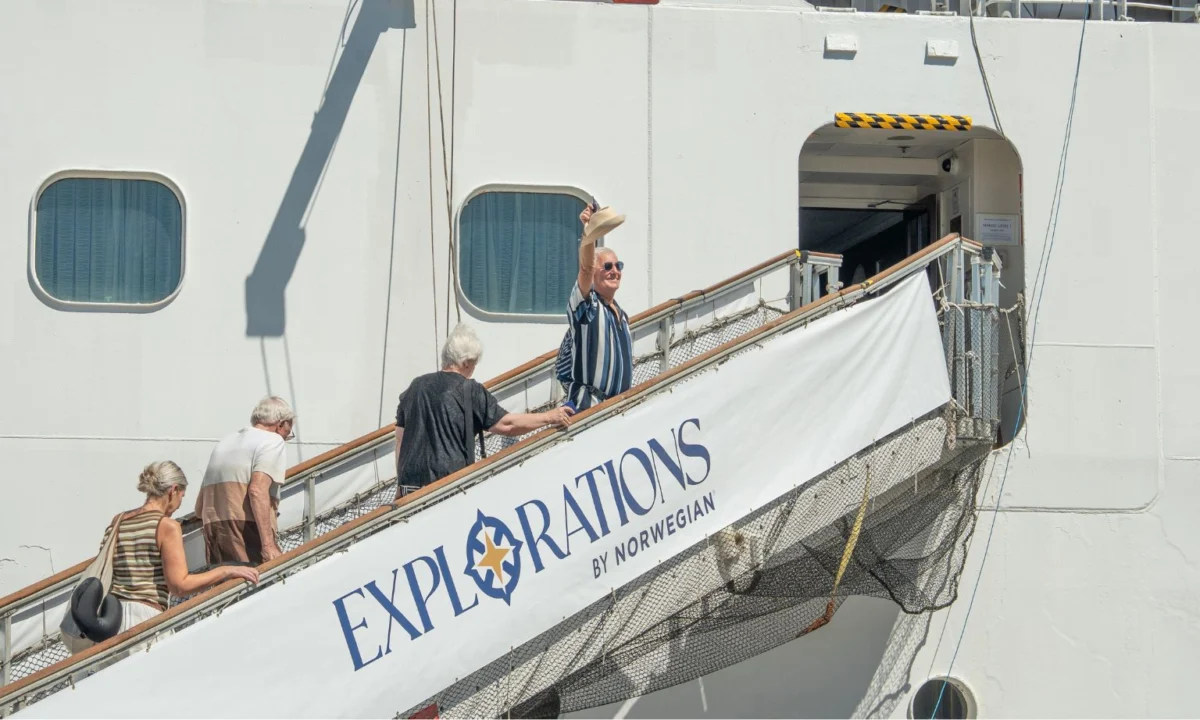
Hotel occupancy rates across the region averaged around 72% in 2023, a significant jump from the 65% recorded in 2022 and surpassing the 69% average of 2019. Average Daily Rates (ADR) also saw a healthy increase, climbing by an estimated 12% year-over-year, reflecting strong demand and a willingness among visitors to pay for premium experiences. The cruise sector, while not included in the stay-over figures, also experienced a near-complete recovery, with passenger volumes returning to over 90% of pre-pandemic levels, further contributing to port economies and local excursions.
Voices from the Sector: Resilience, Strategy, and Caution
Officials and industry leaders across the Caribbean lauded the sector’s performance, while also acknowledging the persistent challenges.
Dr. Aris Thorne, CEO of the Caribbean Tourism Organization, commented on the findings: "These record-breaking figures are a powerful testament to the unwavering spirit and strategic adaptability of the Caribbean people and our tourism industry. To achieve such growth amidst a devastating hurricane impacting a key destination and economic headwinds in major markets is truly remarkable. It speaks to the effectiveness of our collaborative marketing efforts, the increasing diversification of our source markets, and the intrinsic appeal of our diverse tourism product." Dr. Thorne emphasized the CTO’s commitment to data-driven decision-making and fostering regional cooperation to build an even more resilient future.
From San Ambrosio, Minister Alana Vance, the island’s Minister of Tourism, shared a message of cautious optimism: "While our island faced unprecedented devastation from Hurricane Solara, the outpouring of support and the determination of our people have been incredible. We have focused on rebuilding smarter, with climate-resilient infrastructure and sustainable tourism practices at the forefront. Though our full recovery will take time, we are already seeing early signs of visitor return to the reopened areas, and we are committed to emerging stronger and more sustainable than before. The regional performance provides hope and reinforces our belief in the Caribbean brand."
Mr. Julian Clarke, President of the Caribbean Hotel and Tourism Association (CHTA), highlighted the industry’s agility: "Hoteliers and tour operators have shown incredible ingenuity. From adapting to new health protocols during the pandemic to pivoting marketing strategies for emerging markets and investing in sustainable practices, the sector has proven its mettle. The strong performance from South America is a direct result of proactive engagement and a clear signal that diversification is not just a buzzword, but a crucial survival strategy."
However, not all sentiments were celebratory. Dr. Eleanor Finch, an independent economic analyst specializing in island economies, offered a more tempered perspective: "While the headline figures are undoubtedly positive, they mask underlying vulnerabilities. The question of ‘how many more hits can it take’ is incredibly pertinent. Climate change means more frequent and intense storms are inevitable. The heavy reliance on tourism, while a strength in good times, also exposes these economies to significant external shocks. Diversification within the tourism sector itself – moving beyond sun and sand to eco-tourism, cultural tourism, health and wellness – along with broader economic diversification, remains paramount." Dr. Finch also pointed out the need for robust disaster preparedness and recovery funds to mitigate future impacts.
Broader Implications and The Path Forward
The Caribbean’s 2023 performance offers critical insights into its current state and future trajectory.
Enhanced Resilience and Adaptability: The region has clearly demonstrated its ability to bounce back from adversity. Lessons learned from previous hurricanes, the 2008 financial crisis, and the recent pandemic have fostered a culture of rapid response and strategic adaptation. This includes improving early warning systems, strengthening building codes, and developing crisis communication protocols.
Strategic Market Diversification: The success with the South American market underscores the importance of not relying too heavily on traditional source markets. As global economic powers shift and travel trends evolve, proactive engagement with new and emerging markets will be critical to long-term stability. This also means understanding the specific needs and preferences of these diverse traveler segments.
The Imperative of Sustainability: With climate change intensifying, the "how many more hits" question gains urgency. The rebuilding efforts in San Ambrosio highlight the need for climate-resilient infrastructure and the adoption of sustainable tourism practices across the board. This includes protecting marine ecosystems, promoting renewable energy, managing waste effectively, and supporting local communities through authentic experiences. Sustainable tourism is no longer a niche but a necessity for the region’s survival and continued appeal.
Investment in Infrastructure and Technology: Continued investment in modernizing airports, seaports, and digital infrastructure is vital. Enhanced connectivity, both physical and digital, improves visitor experience, facilitates trade, and supports the overall economic ecosystem. The adoption of new technologies for booking, marketing, and visitor management also enhances efficiency and competitiveness.
Workforce Development: As tourism grows, so does the demand for a skilled workforce. Investing in education and training programs for hospitality, culinary arts, tour guiding, and sustainable tourism practices is crucial to maintain high service standards and provide meaningful employment opportunities for local populations.
Regional Cooperation: The collective success of the Caribbean is often greater than the sum of its individual parts. Organizations like the CTO play a crucial role in fostering regional collaboration, sharing best practices, conducting joint marketing initiatives, and advocating for the region’s interests on the global stage. This unified front is particularly important when addressing shared challenges like climate change and economic volatility.
Looking ahead to 2024 and beyond, the Caribbean tourism sector faces a complex landscape. Global economic uncertainties, potential geopolitical shifts, and the ongoing threat of climate change will continue to test its mettle. However, the remarkable performance of 2023 serves as a powerful testament to the region’s enduring allure, its capacity for recovery, and the strategic foresight of its leaders and industry stakeholders. The Caribbean has proven it can absorb significant shocks and still thrive, but the path to sustained prosperity will undoubtedly require continuous innovation, steadfast commitment to sustainability, and an unwavering spirit of collaboration.



 Chandra Hamzah
 Budi Mulyono
 Anjar Salim
