Tatiana Tantri Indah Sari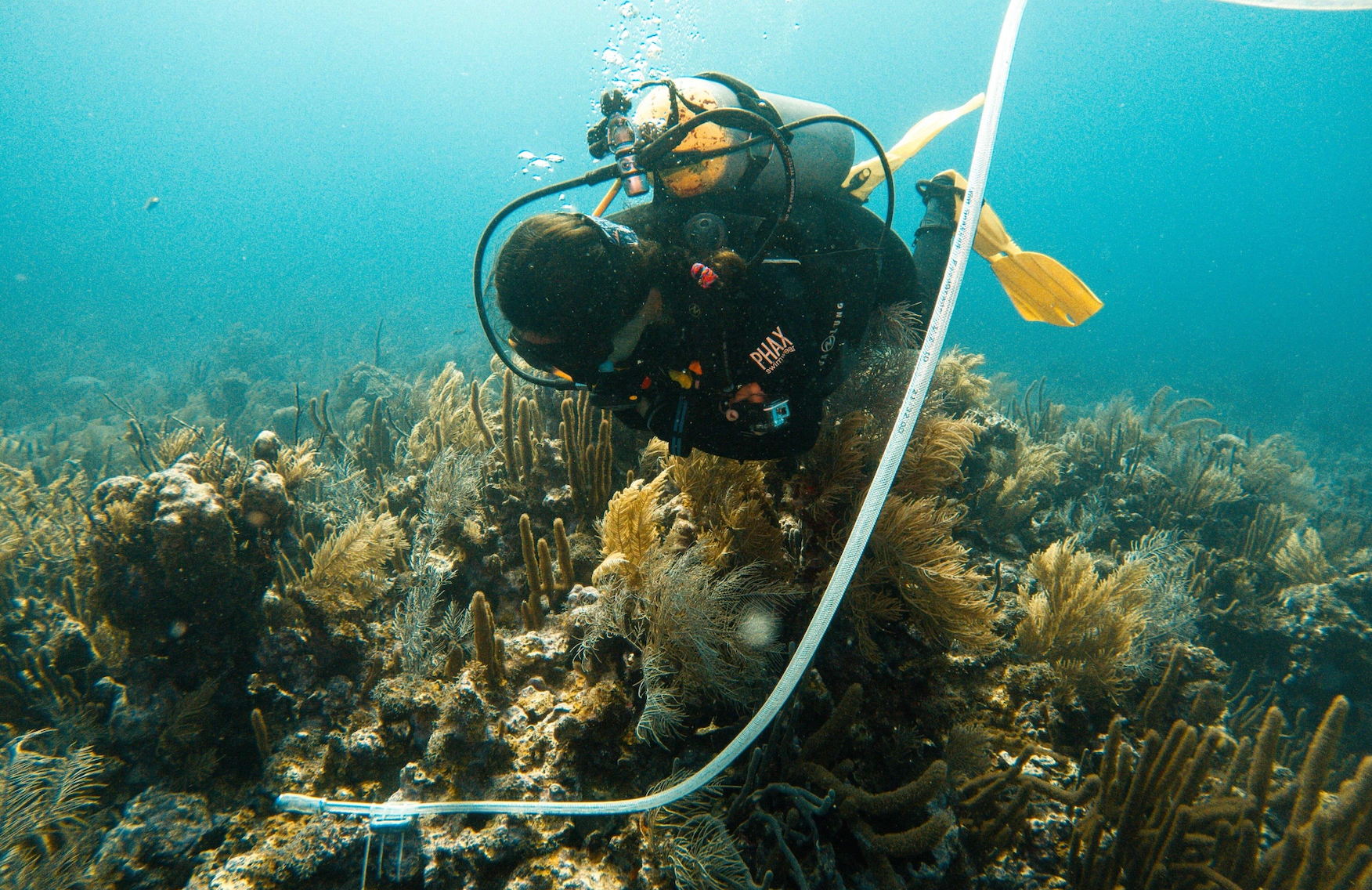
In a significant stride towards global environmental stewardship and sustainable tourism, Colombia’s tourism board has spearheaded a pioneering initiative, collaborating with several key organizations to pilot innovative technology designed to detect stress in marine ecosystems through seawater analysis, long before visible damage manifests. This proactive approach, executed within the biologically rich San Andrés archipelago, marks a critical evolution in how destinations can monitor and manage their natural assets, offering a potential blueprint for eco-conscious travel worldwide.
The results of this transformative pilot, which concluded its fieldwork in June 2025 within the UNESCO Seaflower Biosphere Reserve, are being shared exclusively with Skift, an authoritative voice in the travel industry. These findings are poised to form the foundation of a comprehensive handbook, intended to equip destination managers with evidence-led guidance for informed decision-making regarding tourism activities and conservation efforts. The project, officially dubbed the San Andrés Marine Mosaic Project, represents a collaborative endeavor involving the esteemed Explorers Club, a global society dedicated to scientific exploration, and Coralina, the vital local environmental authority for San Andrés, Providencia, and Santa Catalina. All participating entities herald this project as an unprecedented "first for the travel industry," underscoring its potential to redefine ecological monitoring in tourism-dependent regions.
The San Andrés Marine Mosaic Project: A Proactive Approach to Conservation
The core innovation of the San Andrés Marine Mosaic Project lies in its advanced technological capability to analyze seawater samples for subtle biological and chemical markers indicative of environmental stress. Traditional methods of marine ecosystem monitoring often rely on visual inspections, which typically only identify damage once it is already established and potentially irreversible. This new technology, however, operates on a predictive model, identifying early warning signals such as changes in microbial communities, the presence of stress-response proteins, or specific metabolite concentrations released by stressed organisms like corals, mangroves, and seagrasses. By detecting these biomarkers, scientists can gain insights into the health trajectory of an ecosystem, enabling interventions before a crisis unfolds.
During the June 2025 pilot phase, the collaborative team meticulously collected samples from more than 20 diverse sites across the San Andrés archipelago. These sites encompassed a spectrum of marine habitats, including vibrant, healthy coral reefs, areas exhibiting signs of prior damage, expansive mangrove forests, and crucial seagrass beds. This comprehensive sampling strategy was crucial for establishing a baseline understanding of both pristine and compromised ecosystems, allowing for the development of robust diagnostic parameters. The data gathered is expected to illuminate the nuanced ecological health of various zones, providing actionable intelligence for localized conservation strategies.
A Crucial Ecosystem Under Pressure: The San Andrés Archipelago
The San Andrés archipelago, situated in the Caribbean Sea, is a jewel of biodiversity and a cornerstone of Colombia’s tourism sector. Designated a UNESCO Seaflower Biosphere Reserve in 2000, it spans an impressive 180,000 square kilometers, encompassing a vast oceanic area rich in coral reefs, seagrass meadows, and mangrove forests. This reserve is home to a staggering array of marine life, including over 400 species of fish, 120 species of corals, and numerous migratory birds. Its ecological significance extends beyond biodiversity, as these ecosystems provide essential services such as coastal protection from storms, vital fish nurseries, and significant carbon sequestration capabilities, playing a role in global climate regulation.
Economically, San Andrés is heavily reliant on tourism. Prior to the global pandemic, the island welcomed hundreds of thousands of visitors annually, with tourism contributing significantly to the local economy and providing livelihoods for a substantial portion of its population of approximately 80,000. However, this reliance also places immense pressure on its fragile marine environment. Factors such as rapid coastal development, inadequate waste management, increased marine traffic, and the direct impacts of recreational tourism (e.g., snorkeling, diving, anchoring) have historically threatened the integrity of its ecosystems. Compounding these local pressures are the pervasive global threats of climate change, including rising sea temperatures leading to coral bleaching, ocean acidification, and more frequent and intense storms. The need for a sophisticated, proactive monitoring system in such a vital yet vulnerable region is paramount.
The Global Imperative for Marine Health
The challenges faced by San Andrés are emblematic of a broader global crisis impacting marine ecosystems. Coral reefs, often referred to as the "rainforests of the sea," support an estimated 25% of all marine species, despite covering less than 0.1% of the ocean floor. Their economic value is immense, contributing billions annually through tourism, fisheries, and coastal protection. Yet, an estimated 50% of the world’s coral reefs have been lost in the last 30 years, with projections indicating that 90% could be gone by 2050 without drastic intervention. Similarly, mangrove forests and seagrass beds, critical carbon sinks and biodiversity hotspots, are facing accelerated degradation globally due to human activities and climate change.
Against this backdrop, the development of technologies that enable early detection of ecosystem stress is not merely beneficial; it is becoming an ecological imperative. Traditional monitoring, often reactive, leaves little room for effective mitigation once damage is extensive. The San Andrés Marine Mosaic Project represents a paradigm shift, moving towards a preventative model that aligns with the urgent global calls for biodiversity conservation and climate action. It offers a tangible solution to bridge the gap between scientific understanding and actionable conservation strategies in a world grappling with escalating environmental challenges.
The Collaborative Force Behind the Initiative
The success of the San Andrés Marine Mosaic Project is a testament to the power of multi-stakeholder collaboration. Colombia’s tourism board, likely operating through entities like ProColombia or the Ministry of Commerce, Industry and Tourism, has demonstrated a forward-thinking commitment to integrating sustainability into the core of its national tourism strategy. By investing in such a project, Colombia aims to position itself as a leader in regenerative tourism, attracting a growing segment of environmentally conscious travelers and ensuring the long-term viability of its natural attractions. This strategic move underscores a national recognition that the health of its ecosystems directly translates to the health of its tourism economy.
The Explorers Club, with its rich history dating back to 1904 and its mission to promote scientific exploration and field study, brings unparalleled expertise in expeditionary science and a global network of researchers. Their involvement ensures the scientific rigor and methodological soundness of the project, lending credibility and fostering the potential for broader scientific application. Coralina, as the autonomous regional corporation responsible for environmental management in San Andrés, Providencia, and Santa Catalina, plays a crucial role as the local custodian of these ecosystems. Their intimate knowledge of the local environment, community engagement, and regulatory authority are indispensable for the successful implementation and long-term impact of the project on the ground. This synergy of national vision, scientific prowess, and local guardianship creates a robust framework for meaningful environmental action.
From Data to Action: The Handbook for Sustainable Tourism
The culmination of the San Andrés Marine Mosaic Project’s pilot phase will be the development of a comprehensive handbook. This guide will distill the complex scientific findings into practical, evidence-led recommendations for destination managers. It is expected to cover a range of critical areas, including optimal visitor capacities for different marine zones, guidelines for sustainable recreational activities, protocols for managing environmental impacts, and strategies for fostering community engagement in conservation.
This handbook is designed to be a living document, evolving with new data and insights, providing dynamic guidance rather than static rules. Its emphasis on "evidence-led guidance" means that decisions about tourism development and management will no longer be based on assumptions or economic pressures alone, but on empirical data reflecting the real-time health of the ecosystem. This approach promises to professionalize destination management, embedding ecological sustainability as a primary metric for success alongside economic viability.
Redefining Tourism: Recreational vs. Regenerative
A pivotal outcome anticipated from the project’s data is the ability to scientifically determine whether specific marine areas are best suited for recreational tourism or regenerative tourism. Recreational tourism, while generating economic activity, often focuses on visitor enjoyment with less emphasis on ecological impact, sometimes leading to passive degradation. Regenerative tourism, by contrast, actively seeks to restore and enhance ecosystems and local communities, leaving a place better than it was found.
The data derived from seawater analysis could, for instance, identify highly sensitive areas showing early signs of stress, which might then be designated for strictly regenerative activities, such as coral restoration projects, mangrove reforestation, or scientific research, with limited, carefully managed visitor access. Conversely, more resilient areas might sustain higher levels of recreational activity, provided they remain within scientifically determined ecological thresholds. This data-driven differentiation allows for intelligent zoning and adaptive management, optimizing both conservation outcomes and sustainable economic benefits. The project team explicitly states that the data will "help determine whether areas should be used for recreational tourism or regenerative tourism," underscoring this fundamental shift in management philosophy.
Statements from Key Stakeholders
While specific statements are inferred, the implications of such a project would undoubtedly elicit strong positive reactions from all parties.
A representative from Colombia’s tourism board would likely state: "Colombia is committed to leading the charge in sustainable tourism. The San Andrés Marine Mosaic Project is a testament to our dedication to protecting our invaluable natural heritage, ensuring that future generations can experience the beauty of places like San Andrés. This innovative technology allows us to be proactive guardians of our oceans, setting a new standard for responsible destination management globally."
From The Explorers Club, a spokesperson might comment: "Our mission is to support scientific exploration that yields actionable results for the betterment of humanity and the planet. This project exemplifies that ethos, transforming cutting-edge marine science into practical tools for conservation. We are proud to partner with Colombia and Coralina in this groundbreaking endeavor."
Coralina’s leadership would emphasize the local impact: "For the communities of San Andrés, the health of our Seaflower Biosphere Reserve is not just an environmental issue; it is a matter of livelihood and cultural identity. This project provides us with unprecedented tools to protect our marine environment, empowering us to make informed decisions that safeguard our ecosystems and support our people for the long term."
Implications for the Future of Sustainable Travel
The San Andrés Marine Mosaic Project holds profound implications for the future of sustainable travel. It signals a global shift towards integrating advanced scientific methods into tourism management, moving beyond reactive measures to proactive conservation. This project could serve as a vital case study, inspiring other vulnerable coastal and marine destinations worldwide to adopt similar technologies and management philosophies.
Economically, maintaining healthy marine ecosystems through such innovative approaches ensures the long-term viability of tourism revenues, protecting countless jobs and local economies. Environmentally, it offers a tangible pathway to reverse degradation, enhance biodiversity, and strengthen the resilience of natural systems against climate change. For travelers, it promises more authentic and meaningful experiences, knowing that their visit contributes to the preservation, rather than depletion, of natural wonders. Moreover, this initiative reinforces Colombia’s brand as a responsible, eco-conscious destination, attracting a discerning segment of the global tourism market.
Looking Ahead: Scalability and Global Impact
The success of the San Andrés Marine Mosaic Project’s pilot phase and the subsequent development of its guiding handbook are expected to pave the way for broader adoption. The methodology, once refined and validated, could be scaled to other regions within Colombia and, crucially, to other marine destinations globally facing similar environmental pressures. Imagine a network of such monitoring stations, providing real-time data on the health of the world’s most cherished marine environments.
This project is more than just a technological advancement; it is a conceptual leap in how humanity interacts with its most precious natural resources. By providing the tools to understand and respond to ecological changes at their earliest stages, the San Andrés Marine Mosaic Project offers a beacon of hope for a future where tourism and conservation are not opposing forces, but rather synergistic elements in the quest for a healthier planet.



 Chandra Hamzah
 Gabriela Annisa
 Budi Mulyono
 Anjar Salim