Chandra Hamzah
A recent wave of passenger feedback and cruise line advisories has reignited a long-standing debate concerning appropriate attire for Australian travellers in the culturally sensitive destinations of the South Pacific. The discussion centres on the adherence to local customs and dress codes, particularly regarding swimwear and casual wear, following an incident on a Carnival cruise ship visiting Lifou in New Caledonia.
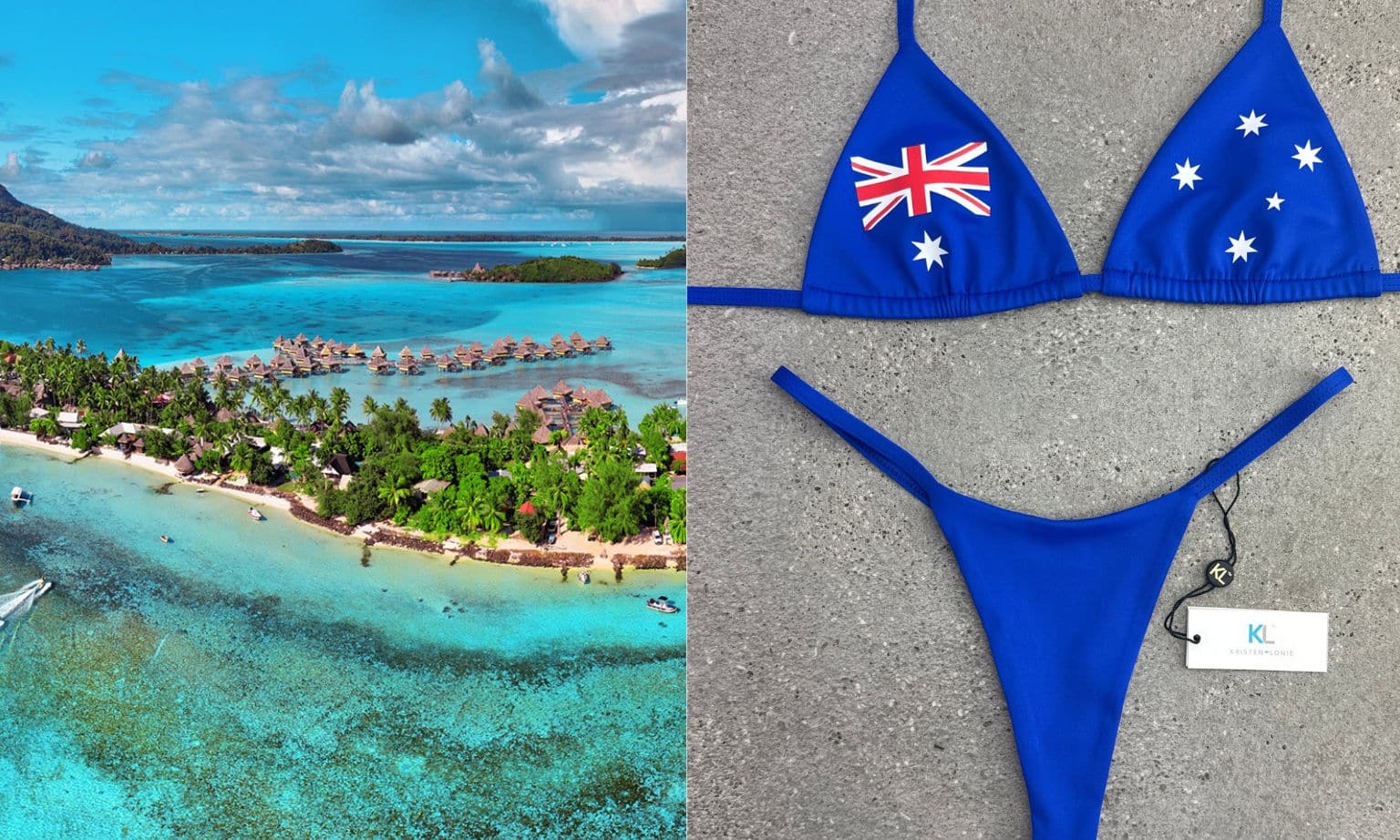
The issue came to the forefront when Carnival, a prominent cruise operator, issued a directive to passengers onboard its vessels, advising them to dress respectfully and appropriately while disembarking in Lifou. The notification stressed the importance of observing local customs, stating, "To observe the local customs of the island, a respectful dress code is essential. Swimwear should only be worn at the beach or by a pool and should be very modest in nature. G-strings, thongs, monokinis or mankinis should not be worn (even on the beach) and topless sunbathing is also not permitted at any time." Furthermore, passengers were instructed that when exploring the island and its local sites, including churches and market places, "casual clothing (such as shorts and a shirt or cover-up) must be worn at all times."
While such advisories are not uncommon for cruise lines operating in regions with distinct cultural norms, the recurring nature of these reminders suggests a persistent challenge in passenger compliance and comprehension.
Cultural and Religious Sensitivities in the South Pacific
The core of the dress code debate lies in the profound cultural and religious values prevalent across many South Pacific islands. Modesty in dress is a deeply ingrained societal norm, differing significantly from the more liberal attitudes often seen in Australia regarding public attire. The combination of indigenous traditions and religious beliefs strongly encourages modest dress, with revealing clothing often considered offensive and disrespectful.
For instance, common Australian swimwear styles that expose a significant amount of skin, such as G-strings or revealing speedos, can be perceived as highly inappropriate and offensive by local communities in the South Pacific. This sensitivity extends beyond beach areas. Practices common in Australia, like briefly entering a shop without a shirt or wearing swimwear in parks and even retail establishments, are not generally accepted in the South Pacific and can cause offence. This cultural dissonance highlights a critical need for travellers to be informed and adaptable.
Passenger Accounts and Concerns Over Compliance
Following a recent cruise to the Pacific aboard the Carnival Splendor, a number of passengers contacted Cruise Passenger, expressing dismay over what they described as a widespread disregard for the provided dress code warnings. These travellers reported witnessing fellow passengers wearing revealing swimwear despite the explicit instructions.
This behaviour has generated significant concern among conscientious cruisers, who fear not only offending local populations but also jeopardising future port access for all tourists. One reader articulated this sentiment, writing, "They did not cover up. It was rude and disrespectful and Carnival should not have allowed them off the ship dressed like that. It will ruin it for everyone if people don’t respect the culture."
Such reports suggest that the issue is not isolated. However, a counter-argument has emerged, questioning whether the problem stems from outright defiance of rules or a potential failure in the cruise lines’ communication strategies.
Examining Cruise Line Communication Strategies
The effectiveness of communication regarding dress codes has become a focal point of the discussion. While some passengers acknowledge the importance of the warnings, they argue that cruise lines like Carnival do not prioritise disseminating this information with the same emphasis as other ship-related regulations.
One Carnival cruiser suggested that stricter enforcement and more prominent announcements could deter non-compliance. "It’s disrespectful; we might lose Lifou and Mystery as ports. Carnival should be having people on the island sending them back to the boat, and announce it over the speakers to deter it, instead of telling us 500 times that you can’t take food for the boat." This sentiment points towards a perceived imbalance in how critical cultural sensitivity issues are communicated compared to more mundane onboard rules.
Another common suggestion from passengers is the need for clearer communication before the cruise commences, allowing travellers to pack appropriately. "We were given a letter with the rules but I would bet that the young woman wearing the g-strings wouldn’t have bought any other swimmers. They need to tell people prior to sailing. I know my Daughter only owns g-strings and would have needed to buy a pair of swimmers just for the trip," a reader commented. This indicates a desire for proactive information that enables travellers to make informed packing decisions well in advance of their departure.
Carnival, like other cruise lines, typically provides information through onboard notices, and sometimes through pre-cruise communications. However, the recurring passenger feedback suggests that current methods may not be reaching or influencing all passengers effectively.
Potential Implications and Broader Impact
The recurring issue of inappropriate attire by tourists in the South Pacific carries significant implications, extending beyond individual passenger behaviour. For local communities, such actions can be deeply offensive, undermining decades of efforts to preserve their cultural heritage and traditions. This can lead to strained relationships between tourism operators and host communities, potentially impacting the long-term viability of the cruise industry in these destinations.
Timeline of the Recent Controversy:
- Recent Weeks: Carnival Cruise Line issues advisories to passengers onboard ships destined for Lifou, New Caledonia, detailing specific dress code requirements.
- Post-Cruise Feedback: Passengers who recently sailed on Carnival Splendor report widespread non-compliance with these dress codes.
- Public Discussion: Feedback from passengers surfaces in travel publications and forums, sparking debate about cultural respect and communication effectiveness.
The potential for destination denial is a serious concern. If instances of disrespect become widespread or persistent, local authorities may be compelled to restrict or prohibit cruise ship calls to protect their cultural integrity. This would have a substantial economic impact on these island nations, which rely heavily on tourism revenue. For cruise lines, losing popular ports of call would significantly affect itinerary planning and passenger satisfaction.
Data and Context on South Pacific Tourism
The South Pacific islands are a significant draw for cruise tourism, attracting hundreds of thousands of visitors annually. Destinations like New Caledonia, Fiji, and Vanuatu are particularly popular. According to the South Pacific Tourism Organisation (SPTO), cruise tourism is a vital component of the region’s economy, contributing significantly to employment and local businesses. For example, in 2019, before the global pandemic, cruise arrivals accounted for a substantial portion of total visitor numbers in several key island nations.
The economic reliance on tourism necessitates a delicate balance between welcoming visitors and preserving local cultures. Travellers are increasingly aware of the need for responsible tourism, but the gap between awareness and action, particularly concerning dress codes, remains a challenge.
Proposed Solutions and Future Considerations
To address this ongoing issue, several potential solutions have been proposed by passengers and industry observers:
- Enhanced Pre-Cruise Communication: Cruise lines could integrate more detailed and visually explicit information about dress codes into their pre-cruise documentation and online portals. This could include examples of appropriate and inappropriate attire.
- Onboard Education Campaigns: Beyond simple written notices, cruise lines could implement short, engaging onboard presentations or videos that explain the cultural significance of dress codes in the destinations visited.
- Crew Involvement: Utilising onboard crew members to politely remind passengers of dress code requirements, especially before shore excursions, could be more effective than relying solely on written notices. Some suggest more direct intervention, such as crew members politely asking passengers to adjust their attire before disembarking.
- Partnerships with Local Communities: Cruise lines could collaborate more closely with local tourism bodies and community leaders to ensure their advisories accurately reflect local expectations and to develop culturally sensitive educational materials.
- Stricter Enforcement: While challenging, some believe that a more robust system of enforcement, potentially including denying shore excursion access to passengers who are not adhering to dress codes, might be necessary to drive compliance.
The debate over dress codes in the South Pacific is a microcosm of a larger challenge in global tourism: how to ensure that travellers engage respectfully with diverse cultures. While the desire for relaxation and enjoyment is understandable, it must be balanced with an appreciation for the customs and traditions of the destinations visited. The onus is on both the travellers to be informed and adaptable, and on the tourism industry to provide clear, consistent, and culturally sensitive guidance. Failure to do so risks not only individual embarrassment but also the potential erosion of goodwill and access to these cherished Pacific islands.



 Budi Mulyono
 Lukman Taruna Persada Ramadan
 Gabriela Annisa
 Tatiana Tantri Indah Sari