
 Budi Mulyono
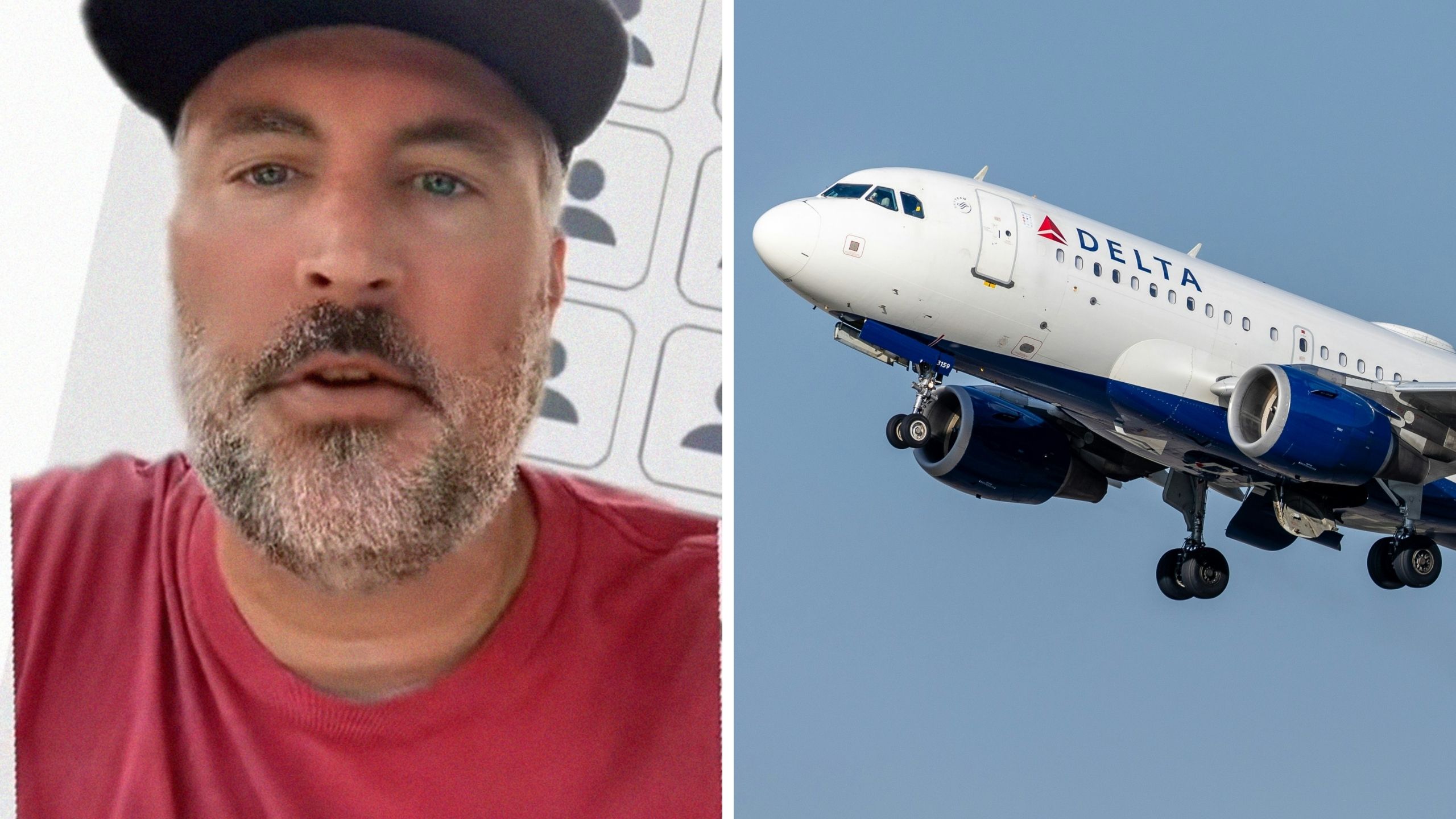
The landscape of domestic air travel in the United States is undergoing a significant transformation as major carriers transition toward premium-heavy narrowbody aircraft to maximize revenue on high-demand transcontinental routes. Recently, content creator Eric Pedersen, known as "Regional Jet Regular" on TikTok, provided an in-depth look at this shift during a flight from Hartsfield-Jackson Atlanta International Airport (ATL) to San Francisco International Airport (SFO). Pedersen’s review of Delta Air Lines’ Airbus A321neo first-class product has ignited a broader conversation regarding the evolution of domestic luxury, the ergonomics of modern aircraft seating, and the strategic direction of one of the world’s largest airlines.
The Strategic Role of the Airbus A321neo in Delta’s Fleet
The Airbus A321neo (New Engine Option) represents a cornerstone of Delta Air Lines’ fleet modernization strategy. As of late 2023, Delta had integrated 87 of these aircraft into its active service roster, with commitments to acquire an additional 102 units. The A321neo is the largest member of the A320 family, featuring a longer fuselage and advanced aerodynamics that allow for a significant increase in capacity and range compared to its predecessors.
From a technical standpoint, the A321neo is powered by Pratt & Whitney PW1100G-JM geared turbofan engines. These powerplants, combined with "Sharklet" wingtip devices, provide a 20% improvement in fuel efficiency per seat compared to previous-generation aircraft. For Delta, the A321neo serves as a more efficient replacement for the aging Boeing 757-200 fleet, which has long been the workhorse of transcontinental and high-density domestic routes.
Delta’s configuration of the A321neo is notably "premium-heavy." While a standard domestic configuration typically features 20 first-class seats, 60 Delta Comfort+ seats, and 114 Main Cabin seats, Delta has introduced specialized configurations for specific markets. Pedersen’s flight featured a variant with 44 first-class seats, a strategic move designed to capture high-yield corporate and leisure travelers on competitive routes like Atlanta to San Francisco.
The First-Class Passenger Experience: Design and Amenities
Pedersen’s review centered on a $268 seat upgrade, a price point he ultimately deemed worthwhile given the duration of the flight and the enhanced features of the "neo" cabin. The first-class seats on Delta’s A321neo are a departure from the traditional domestic "recliner" style. Developed in collaboration with Delta Flight Products and Recaro, these seats feature "privacy wings" at head level, designed to create a cocoon-like environment for the passenger.
The seats are equipped with a state-of-the-art 13-inch high-definition inflight entertainment (IFE) screen, a significant upgrade over older domestic products. Pedersen highlighted the abundance of storage cubbies, which are specifically designed to accommodate laptops, tablets, and personal items—a crucial feature for the modern business traveler.
However, the design has not been without controversy. Public reaction to the new seats has been polarized. Some passengers, including commenters on Pedersen’s video, have criticized the seats for being "too hard." Pedersen, who stands 6 feet 1 inch and weighs 200 pounds, noted that while the cushioning was "adequate" for his frame, the physical structure of the seat—particularly the armrests—has been a point of contention for those accustomed to the softer, plushier seats of the 1990s and early 2000s.
Culinary Partnerships and In-Flight Service Standards
A highlight of Pedersen’s experience was the inclusion of Delta’s new culinary partnership with Shake Shack. Beginning in late 2024 and expanding throughout 2025, Delta began offering the "Shake Shack Cheeseburger" as a meal option for first-class passengers on flights over 900 miles. This move is part of a larger industry trend where airlines partner with established consumer brands to enhance the "cool factor" and perceived value of their premium cabins.
Pedersen’s feedback on the service was consistent with Delta’s established domestic standards. He noted that while the hardware (the plane and seat) was new, the "soft product" (the service) remained familiar. "Service was like any other first class plane I’ve been on with Delta," he remarked. He observed that pre-departure beverage choices were limited to mimosas or champagne, and noted the presence of an additional flight attendant to manage the larger 44-seat first-class cabin.
The presence of a dedicated flight attendant for the expanded first-class section is a necessary operational adjustment. Managing a cabin of 44 premium passengers—each expecting multi-course meal service and frequent drink refills—requires a higher crew-to-passenger ratio than the standard 20-seat configuration.
Analyzing the "Premium-Heavy" Market Strategy
Delta’s decision to deploy an A321neo with 44 first-class seats on the ATL-SFO route reflects a sophisticated understanding of current travel demand. Historically, widebody aircraft like the Boeing 767 or Airbus A330 were used for such long-haul domestic legs. By using a narrowbody A321neo, Delta can maintain high frequency while offering a premium product that rivals the comfort of larger planes.
Furthermore, Pedersen noted that some A321neos are slated to receive "Delta One" lie-flat seats in the future. Delta One is the carrier’s premier business-class brand, usually reserved for international long-haul and select transcontinental routes (such as JFK to LAX/SFO). The introduction of a "premium transcontinental" narrowbody fleet would allow Delta to compete more effectively with JetBlue’s Mint service and United’s premium-configured 757s and 737 MAX 10s.
Pedersen, a frequent flyer who often utilizes Delta One for work-related travel between the East and West Coasts, emphasized the value of rest. "Delta has done their research and knows that people like myself are willing to pay a premium for the extra room and rest during these flights," he stated. This willingness to pay, whether through corporate budgets or personal funds, is driving the industry-wide shift toward "premiumization."
Consumer Feedback and the "Business Class" Perception
The online reaction to Pedersen’s review highlights a growing disconnect between airline branding and passenger expectations. Some viewers commented that the A321neo first-class cabin looked more like "Business Class" than "First Class." This is technically accurate; in international standards, "First Class" refers to ultra-luxury suites (like those found on Emirates or Singapore Airlines), while "Business Class" refers to lie-flat or high-end recliner seats. In the U.S. domestic market, however, the term "First Class" has traditionally been used for the front cabin, regardless of the seat type.
Critics of the new design argue that the move toward "privacy wings" and harder materials makes the cabin feel cramped. One viewer lamented, "It’s going back to how it was 20 years ago… only we are paying way more." Conversely, supporters of the new product praise the enhanced technology, the cleanliness of the new cabins, and the increased availability of upgrade opportunities provided by the 44-seat configuration.
Broader Impact on the Aviation Industry
The success of Delta’s A321neo rollout is being closely watched by competitors. United Airlines is currently undergoing its "United Next" transformation, retrofitting its entire narrowbody fleet with larger overhead bins and seatback screens, while American Airlines has faced criticism for removing screens in favor of "bring your own device" entertainment.
Delta’s strategy appears to be a bet on the "total experience." By combining fuel-efficient airframes, recognizable food brands like Shake Shack, and a high-density premium seating layout, the airline is attempting to de-commoditize the domestic flight experience. The A321neo is not just a plane; it is a revenue-generating tool designed to extract maximum value from the most profitable segment of the traveling public.
Conclusion and Future Outlook
As Delta Air Lines continues to take delivery of its remaining A321neo orders, the "Regional Jet Regular" review serves as a barometer for passenger sentiment. The transition from widebody comfort to narrowbody efficiency is a permanent shift in the industry, necessitated by fuel costs and environmental targets. While some passengers may miss the spaciousness of older aircraft, the A321neo offers a glimpse into a future where technology, privacy, and brand partnerships define the premium travel experience.
For travelers like Eric Pedersen, the priority remains a balance of schedule and comfort. As airlines continue to refine their "hard products" based on passenger feedback, the debate over seat hardness and cabin layout will likely persist. However, the data suggests that as long as carriers can provide a reliable, tech-forward, and slightly more private environment, the demand for premium domestic seats will continue to soar, justifying the multi-billion dollar investments in the Airbus A321neo program.



 Anjar Salim
 Chandra Hamzah
 Tatiana Tantri Indah Sari
 Lukman Taruna Persada Ramadan
