
 Budi Mulyono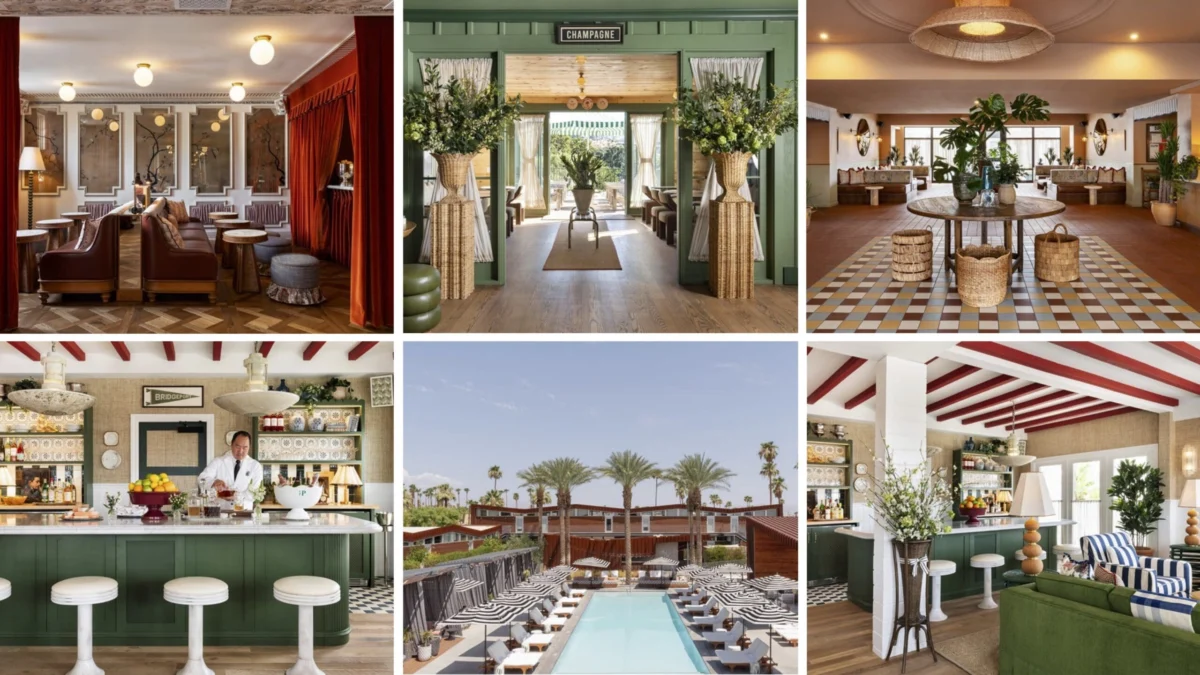
In a move that significantly bolsters its presence in the competitive North American boutique hospitality market, Marriott International’s Design Hotels has announced its largest single portfolio expansion to date. The organization has signed comprehensive agreements to integrate 16 properties operated by Palisociety, the Los Angeles-based hospitality firm known for its neighborhood-centric and design-forward approach. This strategic partnership adds more than 1,000 rooms to the Design Hotels collection, spanning nine key destinations across the United States. The agreement marks a pivotal moment for both entities, as Design Hotels seeks to capitalize on the increasing consumer demand for authentic, localized travel experiences while Palisociety gains access to the massive distribution and loyalty infrastructure of the Marriott Bonvoy ecosystem.
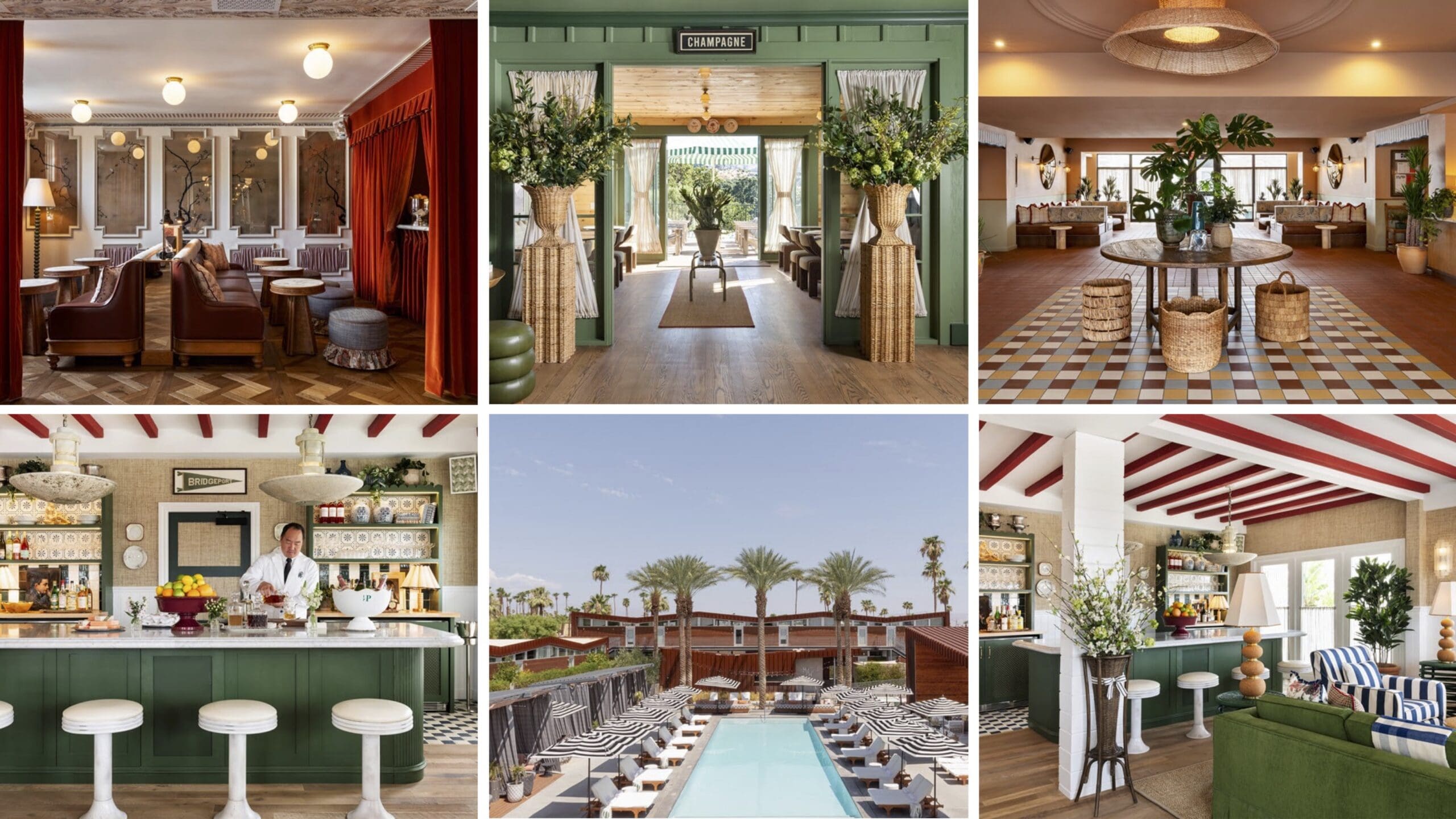
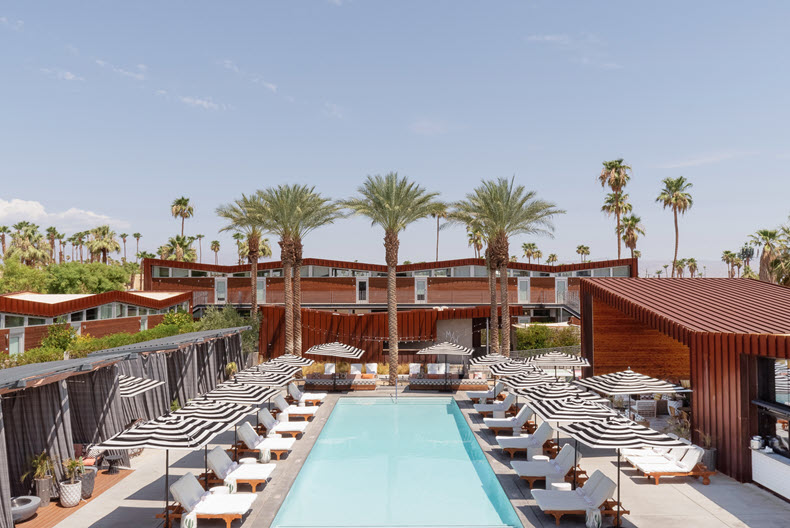
The expansion includes a diverse array of properties under Palisociety’s various sub-brands, including Palihouse, Palihotel, Le Petit Pali, and ARRIVE, as well as several independent boutique hotels managed by the group. Among the notable additions are the Palihouse West Hollywood, Palihotel Hollywood, Palihotel Seattle, and Palihotel Palm Springs. The portfolio also extends into the burgeoning "micro-boutique" segment with Le Petit Pali Laguna Beach and encompasses modern lifestyle hubs such as ARRIVE Albuquerque and ARRIVE Memphis. Other properties included in the deal are situated in high-growth markets across California, Washington, New Mexico, Tennessee, and Delaware, including the Silver Lake Pool & Inn and The Hôtel Lili Beverly Hills.
Historical Context and the Evolution of Design Hotels
To understand the significance of this expansion, it is necessary to examine the trajectory of Design Hotels within the broader Marriott framework. Founded in 1993 by Claus Sendlinger, Design Hotels began as a curated marketing consortium for independent, design-focused hotels that prioritized architecture, culture, and "original" hospitality. Unlike traditional hotel chains, Design Hotels focused on the "Originals"—the visionary hoteliers behind the properties.
Marriott International began its relationship with Design Hotels in 2011 when it acquired a majority stake in the company. However, for several years, Design Hotels operated with a high degree of autonomy. It was not until 2015 that select properties began participating in the Marriott Rewards program, and only in 2020 did Marriott fully integrate the brand into its portfolio. This latest agreement with Palisociety reflects a continued effort to scale the brand while maintaining the "independent" spirit that defines the collection. With this addition, Design Hotels is on track to surpass 100 properties in the Americas for the first time in its history, a milestone that underscores the region’s importance to Marriott’s lifestyle segment.
Palisociety: A Vision of Neighborhood Hospitality
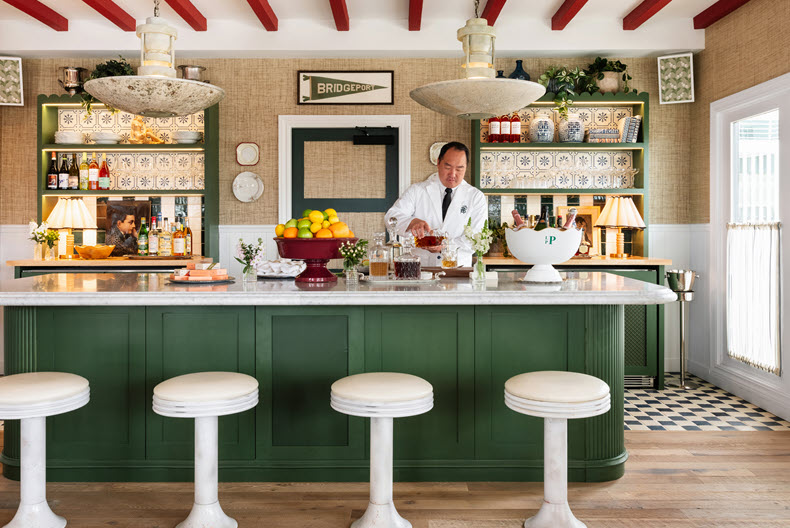
Founded in 2008 by hotelier Avi Brosh, Palisociety has carved out a unique niche in the American hospitality landscape. The company’s philosophy is rooted in the idea of the "neighborhood hotel"—establishments that are not merely places for tourists to sleep, but active participants in the local community. Brosh’s approach involves meticulous attention to interior design, often blending eclectic, residential-style aesthetics with modern amenities and high-quality food and beverage programs.
The Palisociety portfolio is characterized by its diversity. The "Palihouse" brand typically offers long-stay residential-style suites, while "Palihotel" focuses on quirky, urban boutique experiences. The "ARRIVE" brand, which Palisociety acquired in 2021, targets a younger, social-minded demographic with open-plan lobbies and community-focused programming. By bringing these varied identities under the Design Hotels umbrella, Marriott is effectively diversifying its lifestyle offerings to appeal to a broad spectrum of "psychographic" travelers rather than just traditional demographic segments.
Strategic Implications for the Boutique Hotel Market
The partnership comes at a time when the global boutique hotel market is experiencing a significant resurgence. Industry data suggests that travelers, particularly Millennials and Gen Z, are increasingly eschewing standardized luxury in favor of "experiential" stays. According to recent market analysis, the lifestyle hotel segment has been growing at a faster rate than the traditional hotel industry, with boutique properties often commanding higher average daily rates (ADR) due to their unique value propositions.
For Marriott, the integration of Palisociety serves several strategic purposes:
- Inventory Growth: Adding 1,000 rooms in a single deal is a rapid way to scale in high-barrier-to-entry markets like West Hollywood and Seattle.
- Brand Differentiation: Design Hotels serves as a "soft brand," allowing owners to keep their unique identity while leveraging Marriott’s scale. This is crucial for competing with other soft brands like Hyatt’s Unbound Collection or Hilton’s Curio Collection.
- Loyalty Ecosystem Strength: By bringing these properties into the Marriott Bonvoy program, Marriott increases the "stickiness" of its loyalty program, giving its 200 million+ members more aspirational ways to earn and redeem points in trendy urban centers.
Integration with Marriott Bonvoy and Distribution Services
A critical component of this agreement is the integration of Palisociety properties into the Marriott Bonvoy loyalty program. While Design Hotels properties have historically had a unique relationship with Bonvoy—offering a more limited set of benefits compared to core brands like Marriott or Sheraton—the inclusion remains a significant draw for travelers. In the coming months, guests at the 16 Palisociety properties will be able to earn and redeem points and receive select elite benefits.
Furthermore, these properties will transition onto Marriott’s global distribution systems (GDS). This provides Palisociety with an unprecedented level of visibility, placing their boutique offerings in front of corporate travel planners and international travelers who may not have been familiar with the local Los Angeles brand. The "marketing, sales, and distribution services" provided by Design Hotels will allow Palisociety to optimize occupancy and revenue management through Marriott’s sophisticated data analytics and booking engines.
Leadership Perspectives and Brand Alignment
The synergy between the two organizations was highlighted by leadership during the announcement. Stijn Oyen, Managing Director of Design Hotels, emphasized that the collaboration was a "natural evolution." Oyen noted that Design Hotels has always been a "home for founders, visionaries, and original thinkers," suggesting that Avi Brosh and Kirsten Leigh Pratt’s work with Palisociety perfectly mirrors the ethos of the global Design Hotels community.
The alignment is based on a shared belief that hospitality should be personal and distinctive. From Palisociety’s perspective, joining Design Hotels allows them to maintain their creative independence—a non-negotiable factor for boutique owners—while gaining the financial and operational security of a global powerhouse. This "best of both worlds" scenario is the primary selling point of the Design Hotels model.
Detailed Chronology of the Expansion
The rollout of these properties into the collection is expected to occur in phases throughout the remainder of the year and into 2025. The chronology of the partnership reflects a broader trend of consolidation within the boutique sector:
- 2008: Avi Brosh launches Palisociety with a focus on Los Angeles.
- 2011-2020: Marriott gradually increases its stake and integration of Design Hotels.
- 2021: Palisociety acquires the ARRIVE Hotels & Restaurants brand, expanding its footprint outside of California.
- June 2024: Design Hotels and Palisociety announce the 16-property agreement, the largest in Design Hotels’ history.
- Late 2024 (Expected): Full integration into Marriott Bonvoy, allowing for seamless booking and point redemption.
Broader Impact on the Hospitality Landscape
This deal is likely to trigger further movements in the boutique hotel space. As Marriott strengthens its hold on the lifestyle segment, competitors like Accor (with its Ennismore joint venture) and IHG (with Kimpton and Hotel Indigo) are also aggressively expanding their boutique portfolios. The move signals that the "independent" hotel is becoming a cornerstone of the modern hospitality giant’s strategy.
For the cities involved, the partnership could lead to increased tourism revenue and a higher profile for local neighborhoods. Locations like Albuquerque and Memphis stand to benefit from the global marketing reach of the Marriott name, potentially drawing international visitors to these markets who are looking for a curated, design-centric stay.
In conclusion, the partnership between Design Hotels and Palisociety represents a significant maturation of the boutique hotel industry in the United States. By combining Palisociety’s creative, neighborhood-focused vision with the operational excellence and global reach of Design Hotels and Marriott International, the agreement sets a new benchmark for how independent brands can scale without losing their soul. As these 16 properties begin their transition into the Design Hotels collection, the hospitality industry will be watching closely to see how this infusion of boutique energy impacts Marriott’s broader market share in the luxury and lifestyle sectors.


 Chandra Hamzah
 Gabriela Annisa
 Tatiana Tantri Indah Sari
 Anjar Salim