
 Tatiana Tantri Indah Sari
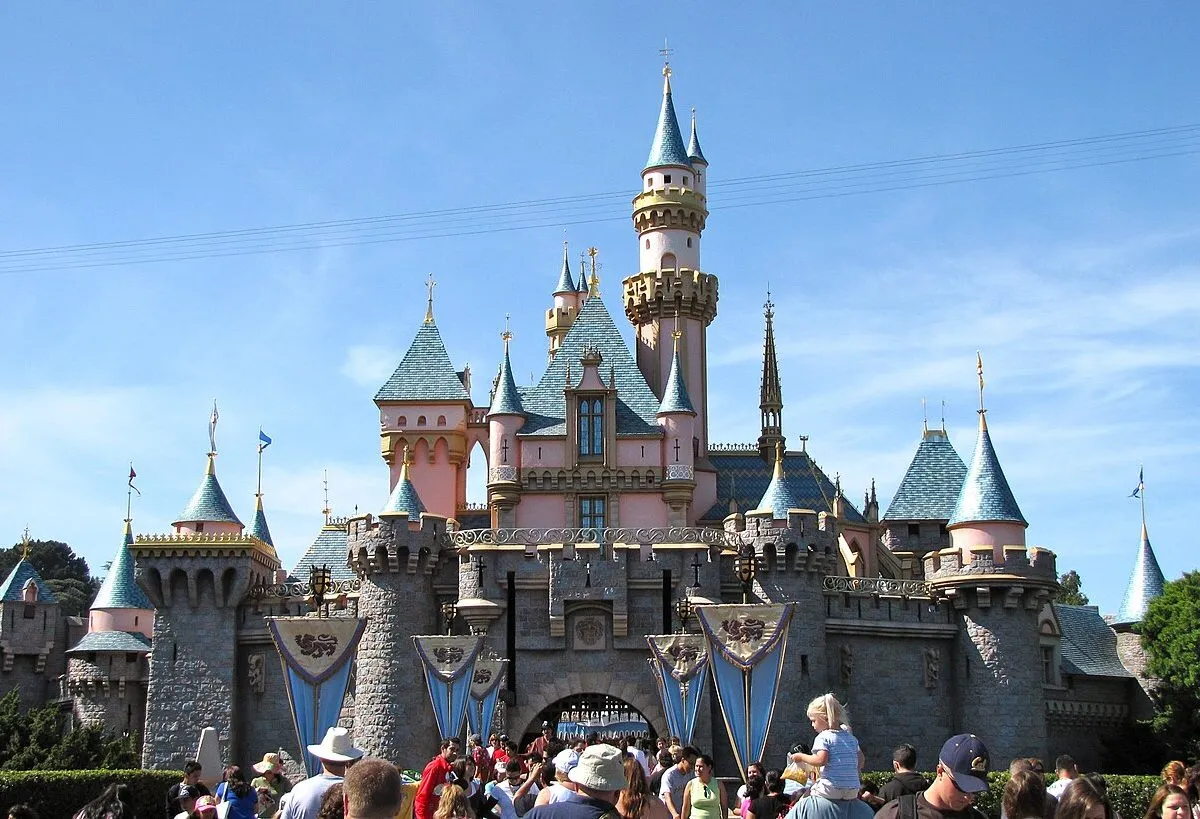
The Walt Disney Company has implemented a nuanced shift in its domestic theme park pricing strategy, utilizing a dual-pronged approach that shields lower-tier entry tickets from inflation while significantly increasing the cost of premium add-ons and peak-season access. This structural adjustment reflects a deliberate effort by corporate leadership to maintain an accessible entry point for first-time visitors and young families, even as high-end experiential upgrades continue to command record-setting prices across the Anaheim, California resort.
Industry analysts have scrutinized these pricing adjustments as a critical indicator of how major entertainment conglomerates plan to navigate consumer price sensitivity in a post-pandemic economic landscape. By freezing the baseline cost of its most affordable admission tiers while aggressively driving revenue through expedited access passes and peak-date ticket surges, Disney is attempting to reconcile two opposing financial imperatives: maximizing yield per guest and preserving the lifelong customer acquisition funnel that underpins its lucrative Parks, Experiences and Products division.
Historical Pricing Evolution: A Decade of Escalation at Disneyland
To understand the current economic mechanics of a trip to Disneyland, one must examine the dramatic trajectory of ticket prices over the past ten years. Data compiled by specialized independent tracking outlets, including the Disney news site Mickey Visit, demonstrates that the highest-priced one-day, single-park tickets for Disneyland Resort have surged by nearly 90 percent over the decade, climbing from $119 to $224.
This steep upward trajectory in peak-period pricing was initially driven by the introduction of tiered date-based pricing in 2016. Instead of a flat admission fee year-round, Disney instituted a system that categorized days into value, regular, and peak demand periods. As crowd volumes swelled and post-recession consumer spending reached historic highs through the late 2010s, the differential between low-demand and high-demand days widened substantially.
Despite these aggressive hikes at the upper end of the spectrum, Disneyland’s baseline pricing structure has exhibited surprising resilience for budget-conscious consumers. The lowest-tier ticket price—applicable to select weekday visits during traditionally slow travel periods—has remained firmly anchored at $104 since 2019. In real terms, holding the line on this entry-level price point during a period of broad macroeconomic inflation represents a deliberate discount by the company, designed to keep the gates open to lower- and middle-income demographics who might otherwise be priced out of the destination entirely.
Furthermore, Disney has supplemented this stable baseline with a variety of targeted discount programs. These include limited-time promotional ticket offers for Southern California residents, multi-day ticket discounts, and specialized evening-only admission products aimed at local workers and casual visitors looking for shorter, more affordable experiential footprints.
Corporate Strategy and the On-Ramp Philosophy
The philosophical underpinnings of this bifurcated pricing strategy were laid bare during a recent financial presentation. Speaking at a Goldman Sachs-sponsored investor conference, Walt Disney Company Chief Financial Officer Hugh Johnston addressed the conglomerate’s overarching revenue philosophy regarding its domestic theme parks.
According to Johnston, corporate leadership is "acutely sensitive" to the psychological and financial friction points associated with theme park attendance. He emphasized that the primary motivation behind keeping baseline tickets stable is the creation of an economic "on-ramp" for young families and first-time guests. Disney’s historical data indicates that once a consumer overcomes the initial barrier of visiting the resort, they are significantly more likely to return in future years as their disposable income and personal wealth accumulate over their life course.
"You have to manage the funnel," explained a hospitality sector analyst who tracks consumer discretionary spending. "If you choke off the top of the funnel by making the entry price universally prohibitive, you destroy the next generation of brand loyalists. Disney recognizes that a family visiting for the first time with a modest budget today represents high-value, high-frequency spenders a decade from now when those children are adults taking their own families."
This long-term lifecycle strategy explains why the company is willing to absorb margin compression at the lower end of the ticketing spectrum while aggressively monetizing the experience once guests are inside the turnstiles.
The Rise of Premium Add-Ons and Monetizing the Guest Experience
While the cost of simply walking through the turnstiles on a Tuesday in September has held steady, the financial burden of optimizing a single day inside Disneyland or Disney California Adventure has shifted dramatically toward premium add-ons.
Over the past several years, traditional complimentary guest conveniences have been systematically replaced or augmented by paid digital and experiential products. The retirement of the legacy FastPass system and its subsequent replacement by Disney Genie+—subsequently rebranded as Lightning Lane Multi Pass—established a recurring daily per-person fee for guests wishing to bypass standard standby queues.
In addition to the Multi Pass, individual Lightning Lane selections for high-demand, marquee attractions such as Star Wars: Rise of the Resistance or Radiator Racers add incremental costs that can easily scale an individual visitor’s daily expenditure by $30 to $100 or more above the cost of admission. When combined with ongoing escalations in food and beverage pricing, parking fees, and merchandise, the total addressable wallet share per visitor has grown exponentially, even for guests utilizing lower-tier admission tickets.
This monetization model allows Disney to segment its customer base effectively. Wealthier visitors or those with limited vacation time self-select into premium spending tiers, purchasing speed, convenience, and curated experiences. Simultaneously, budget-conscious visitors can curate a more traditional, slower-paced park experience by utilizing the stable baseline tickets and navigating standard standby queues, thereby maintaining the illusion of accessibility for all socioeconomic groups.
Economic Implications for the Regional Tourism Sector
The pricing maneuvers executed at Disneyland Resort do not occur in a vacuum; they carry profound implications for the broader Southern California tourism economy, including surrounding hotels, restaurants, transportation networks, and competing regional attractions.
As Disney tests the upper limits of what consumers are willing to pay for peak-date access and premium features, nearby hospitality providers adjust their own yield management strategies. Anaheim-area hotels frequently correlate their room rates directly with Disneyland’s operating calendar, driving up nightly lodging costs during the exact peak periods when Disney charges its highest single-day ticket rates. Conversely, during low-demand periods when Disneyland maintains its $104 entry tier, local hotels often introduce promotional packages to stimulate regional drive-market tourism.
Labor unions, consumer advocacy groups, and local municipal leaders monitor these pricing structures with keen interest. On one hand, higher yields per visitor generate substantial transient occupancy tax (TOT) revenue for the City of Anaheim, funding vital public services, infrastructure projects, and community programs. On the other hand, rising costs have intensified scrutiny from labor representatives during contract negotiations, with unions frequently pointing to soaring ticket prices and profit margins as justification for higher wage structures for cast members and hourly resort employees.
Furthermore, Disneyland’s pricing framework serves as a benchmark for the wider theme park industry. Competitors such as Universal Studios Hollywood, Knott’s Berry Farm, and Six Flags Magic Mountain closely observe how consumers react to Disney’s tiered pricing experiments. When Disney successfully implements a price hike without precipitating a catastrophic decline in overall attendance volumes, rival operators often feel emboldened to adjust their own seasonal pricing models and queue-skipping fees upward.
Future Outlook: Balancing Yield Management and Brand Equity
As The Walt Disney Company looks toward the remainder of the decade, the central challenge for its parks division will lie in sustaining revenue growth without permanently eroding the foundational emotional equity of the brand.
Theme park attendance has historically proven remarkably inelastic, supported by deep-seated consumer nostalgia and the status of Disney properties as quintessential multi-generational family vacation destinations. However, macro-level economic headwinds, including persistent inflationary pressures on household budgets and fluctuating consumer confidence indices, mean that the threshold of consumer tolerance is finite.
By deliberately choosing to protect its lowest-tier ticket price while leaning heavily into premium add-on monetization, Disney is attempting a delicate balancing act. The company is wagering that it can simultaneously satisfy Wall Street’s demand for continuous yield expansion and maintain the cultural accessibility that has defined the Disney parks experience for nearly seventy years.
Whether this dual-track strategy can successfully weather future economic cycles remains to be seen. Yet, for now, the economic architecture of Disneyland Resort is firmly established: a carefully calibrated ecosystem where the cost of entry remains within reach, but the price of perfection continues to climb.




 Gabriela Annisa

 Lukman Taruna Persada Ramadan

 Anjar Salim

 Dwi Wanna
