
 Anjar Salim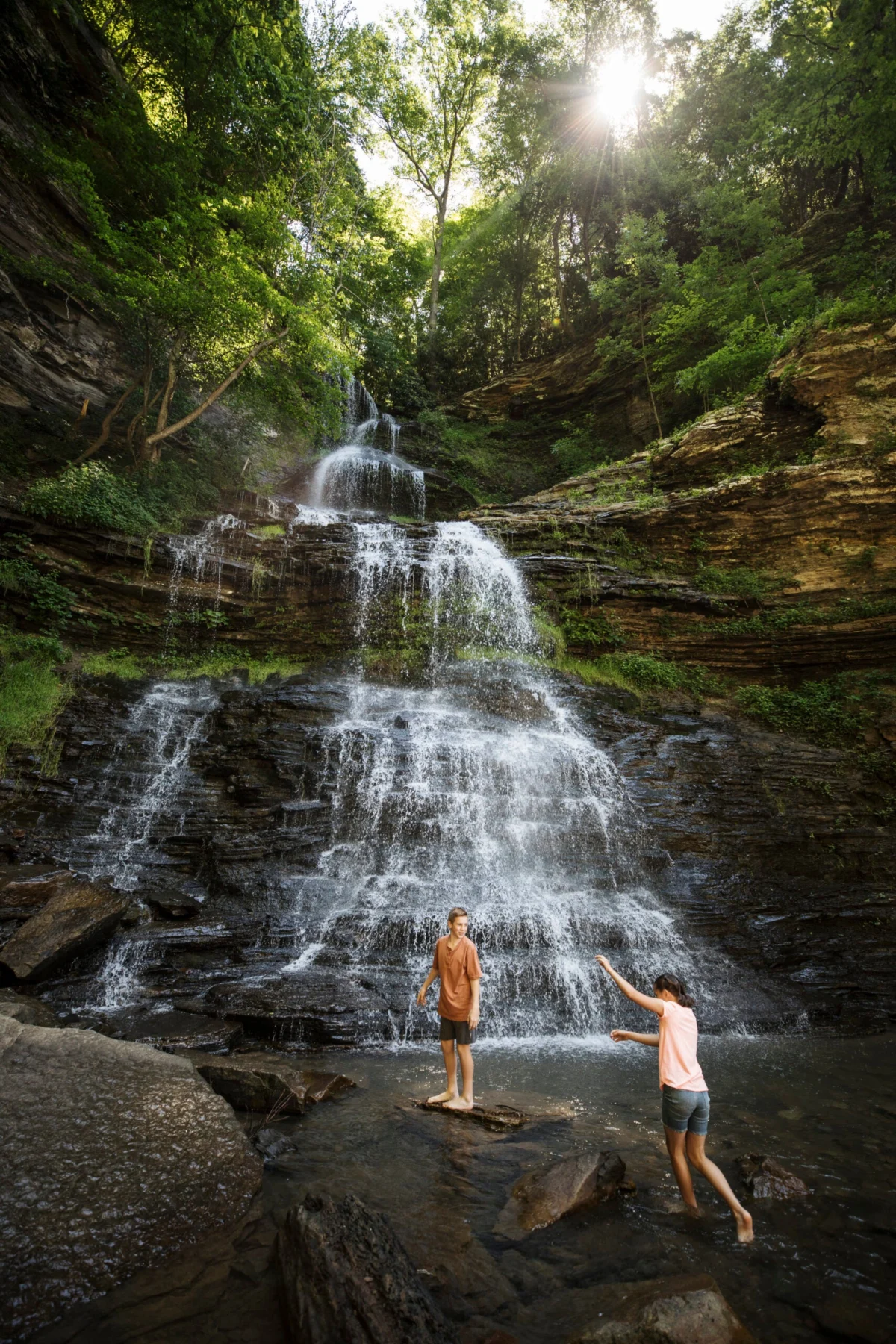
The state of West Virginia has undergone a significant economic and cultural transformation over the last decade, pivoting from a traditional reliance on extractive industries toward a robust, multi-billion-dollar outdoor recreation economy. Central to this revitalization is the Capitol Circle, a strategic touring route that encapsulates the diverse topographical and cultural landscape of the Mountain State. This circuit, which begins and ends in the capital city of Charleston, serves as a microcosm of the state’s broader appeal, linking urban sophistication with the rugged wilderness of the Appalachian Mountains and the historic significance of the nation’s newest national park.
As West Virginia continues to break tourism records—surpassing $5 billion in annual traveler spending according to recent Department of Tourism data—the Capitol Circle has emerged as a primary itinerary for domestic and international visitors alike. By connecting the Kanawha Valley to the New River Gorge and the southern coalfields, the route offers a comprehensive look at the state’s efforts to modernize its infrastructure while preserving its unique heritage.
The Urban Anchor: Charleston’s Role in Regional Commerce
The Capitol Circle begins in Charleston, the seat of West Virginia’s government and its most populous urban center. Historically a hub for the salt and chemical industries, Charleston has successfully rebranded itself as a center for "mountain-city" culture. The city’s architectural centerpiece is the West Virginia State Capitol, designed by renowned architect Cass Gilbert and completed in 1932. The building’s 293-foot golden dome, covered in real 23-karat gold leaf, stands as a symbol of the state’s enduring ambition.
Beyond the legislative district, Charleston’s economic vitality is increasingly driven by small-scale entrepreneurship and regional trade. The Capitol Market, housed in a restored 1800s-era freight station, serves as a year-round indoor/outdoor market. It functions as a critical node for the state’s agricultural sector, providing local farmers and artisans with a direct pipeline to urban consumers. This market-centric model has been replicated in other Appalachian cities to stimulate local economies and promote food security.
The Waterfall Trail and the Gamification of Tourism
Leaving Charleston and traveling southeast along the Kanawha River, the route introduces travelers to the state’s hydrological assets. West Virginia has leveraged its abundance of natural springs and falls through the "West Virginia Waterfall Trail," a digital initiative that uses a mobile passport system to encourage exploration of lesser-known sites.
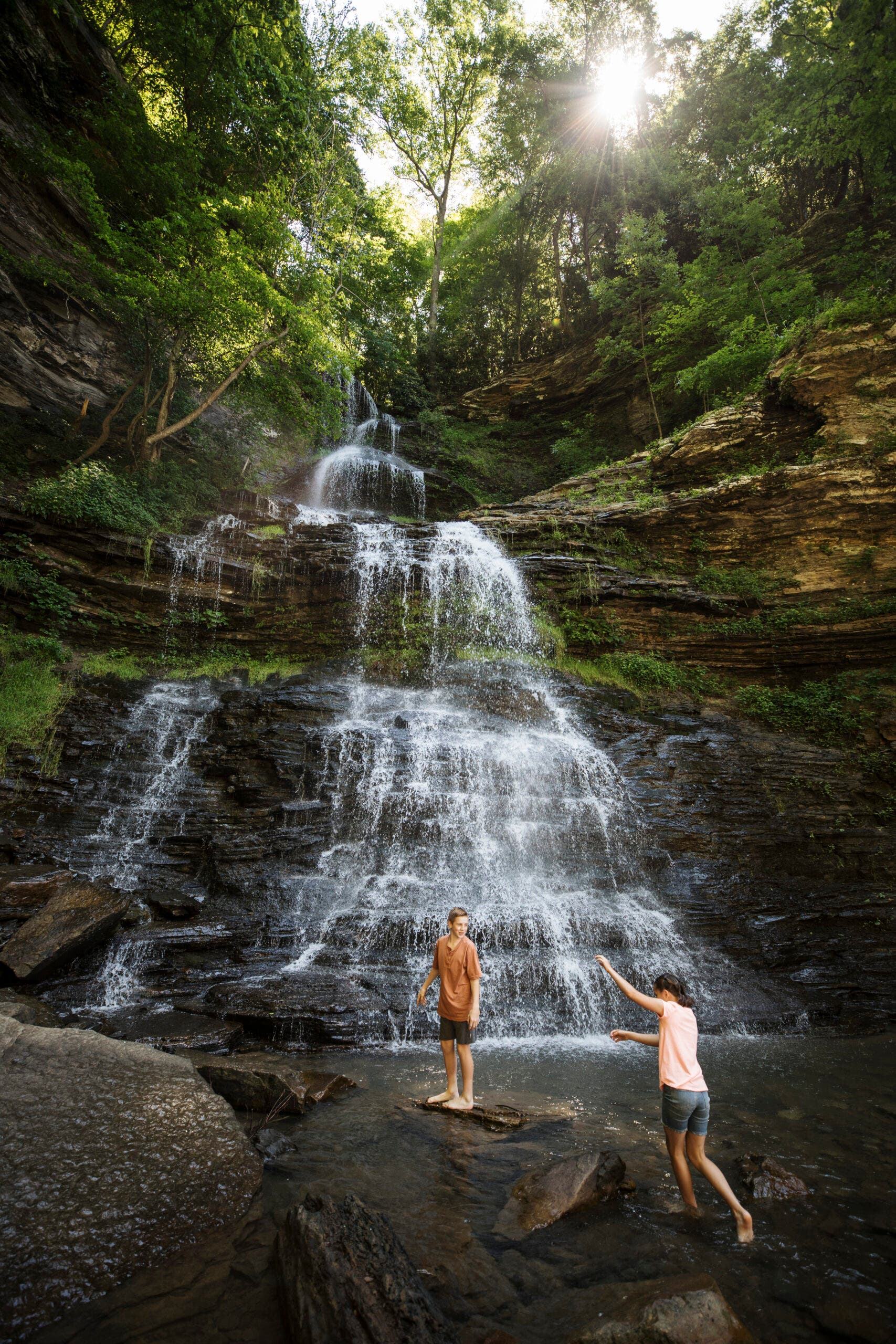
Key landmarks on this leg of the journey include Cathedral Falls and Kanawha Falls. Cathedral Falls, a 60-foot plunge located just off U.S. Route 60, is a prime example of the state’s accessible wilderness. Kanawha Falls, meanwhile, marks the point where the New River and the Gauley River join to form the Kanawha. These sites are more than mere aesthetic attractions; they are integral to the state’s hydroelectric history and current efforts to manage water resources in an era of shifting climate patterns. The Department of Tourism’s decision to gamify these natural features has resulted in thousands of "check-ins," providing the state with valuable data on visitor movement and peak usage times.
The Economic Impact of New River Gorge National Park and Preserve
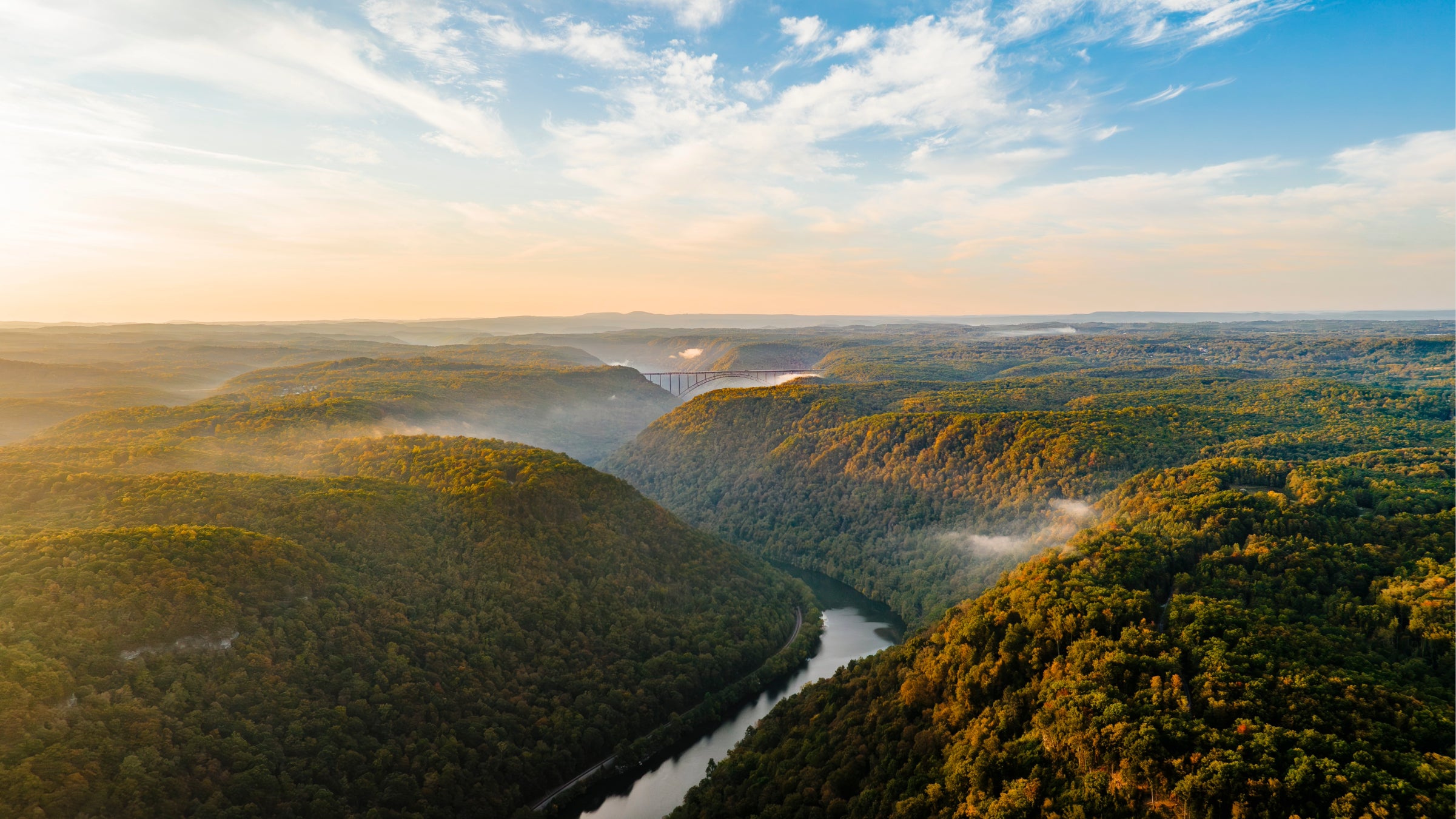
The third and perhaps most significant stop on the Capitol Circle is the New River Gorge National Park and Preserve. Re-designated from a National River to a National Park and Preserve in December 2020 as part of the COVID-19 relief bill, the site has seen a precipitous rise in visitation. In the year following its designation, the park saw a 30% increase in visitors, a trend that has continued to bolster the regional economy.
The New River is geologically significant as one of the oldest rivers in the world, estimated to be between 10 and 360 million years old. The gorge itself drops 750 feet over 50 miles, creating some of the most challenging and sought-after whitewater rapids in the Eastern United States. The park’s infrastructure supports a wide array of activities, including world-class rock climbing on the Endless Wall and Kaymoor trails, as well as high-volume commercial rafting.
According to data from the National Park Service, the New River Gorge National Park and Preserve now contributes over $100 million annually to the local economy, supporting nearly 1,500 jobs in the surrounding counties. This influx of federal attention and tourist capital has transformed once-struggling coal towns into thriving outdoor hubs.

Fayetteville: A Model for Gateway Community Development
Directly adjacent to the New River Gorge is Fayetteville, a town that has become the gold standard for "gateway community" development. Fayetteville serves as the primary service provider for the national park, offering lodging, dining, and professional guide services.
The town’s transition is reflected in its local businesses. Establishments such as the Cathedral Cafe, located in a former church, and the Secret Sandwich Society have gained national recognition, drawing visitors from major metropolitan areas like Washington D.C. and Charlotte. Fayetteville’s success is attributed to a collaborative relationship between local government and small business owners, focusing on historic preservation and sustainable growth. The town has consistently been named one of the "Best Small Towns in America," a title that has helped maintain high property values and a steady stream of new residents seeking a balance between remote work and outdoor access.
The Hatfield-McCoy Trail System and Southern Economic Recovery
The final major segment of the Capitol Circle turns toward Logan and the southern coalfields, where the Hatfield-McCoy Trail System offers a different type of recreation. Named after the legendary 19th-century family feud, the trail system is one of the largest off-highway vehicle (OHV) networks in the world, spanning over 1,000 miles of interconnected trails.
The Hatfield-McCoy Trails represent a unique public-private partnership. The trails are managed by a multi-county authority that works with private landowners—often large timber or coal companies—to allow public access to rugged terrain. This system has become a vital economic lifeline for southern West Virginia, a region that was hit particularly hard by the decline of the coal industry.
Economic impact studies suggest that the trail system generates over $38 million in total economic impact annually. For every dollar the state invests in the trails, there is a significant return in the form of hotel stays, equipment rentals, and restaurant revenue in towns like Logan and Gilbert. The success of the Hatfield-McCoy system has prompted other states to look toward West Virginia as a model for utilizing post-industrial land for recreational purposes.
Chronology of Development: A Decade of Growth
The rise of the Capitol Circle as a premier travel route is the result of a deliberate, decade-long strategy:
- 2014-2016: The state began increasing its marketing budget for the "Almost Heaven" campaign, focusing on digital outreach and high-quality visual storytelling.
- 2017: Legislation was passed to reorganize the state’s tourism office into a cabinet-level department, granting it more autonomy and resources.
- 2020: The New River Gorge was designated as a National Park and Preserve, providing a massive boost in national visibility.
- 2022: The West Virginia Waterfall Trail was launched, creating a structured way for visitors to navigate the state’s interior.
- 2023-2024: Significant investments in broadband and road infrastructure were completed, making the rural portions of the Capitol Circle more accessible to modern travelers.
Official Responses and Strategic Vision
State officials have been vocal about the importance of routes like the Capitol Circle. Secretary of Tourism Chelsea Ruby has frequently noted that the goal is not just to attract visitors for a single weekend, but to showcase West Virginia as a place to live and work. "We are seeing a direct correlation between tourism and population growth," Ruby stated in a recent economic summit. "When people come to raft the New River or ride the Hatfield-McCoy trails, they see the quality of life we offer."
Governor Jim Justice, who has made tourism a cornerstone of his administration, has emphasized the bipartisan nature of this development. By focusing on the state’s natural beauty and "small-town Americana" charm, West Virginia has managed to attract investment from both public federal grants and private venture capital.
Broader Impact and Future Implications
The Capitol Circle is more than a road trip; it is a blueprint for Appalachian economic diversification. By linking various sectors—urban commerce, federal parklands, and specialized trail systems—the route ensures that the benefits of tourism are distributed across multiple counties and demographics.
However, this growth brings challenges. The increased foot traffic in the New River Gorge has led to discussions regarding trail maintenance and environmental conservation. Additionally, the rise of short-term rentals in towns like Fayetteville has raised concerns about housing affordability for local residents. Moving forward, the state’s ability to balance high-volume tourism with environmental and social sustainability will be the true test of the Capitol Circle’s long-term success.

As West Virginia continues to evolve, the Capitol Circle remains the most effective way to witness the state’s past, present, and future. From the legislative halls of Charleston to the churning rapids of the New River, the route offers a factual testament to a state that has successfully reclaimed its narrative through the power of the great outdoors.




 Chandra Hamzah
 Tatiana Tantri Indah Sari
 Budi Mulyono
 Lukman Taruna Persada Ramadan