
 Anjar Salim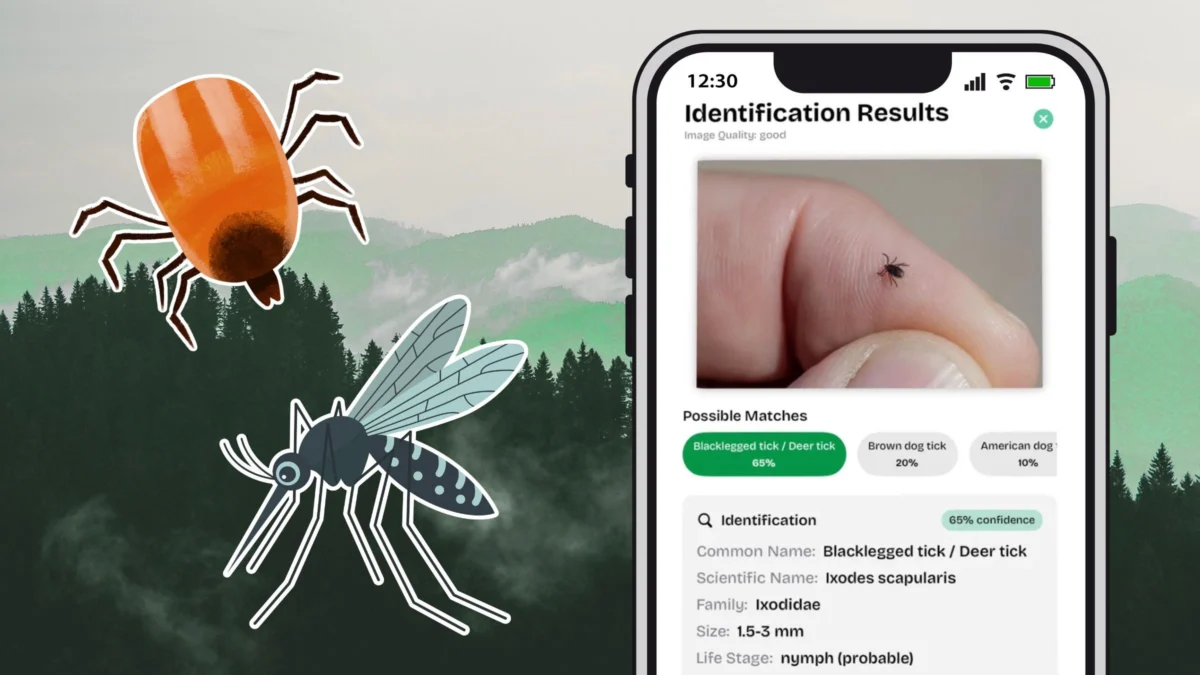
The intersection of climate change, suburban development, and the digital information age has created a complex public health challenge regarding vector-borne diseases. In June 2026, the launch of Vector Guard, a specialized mobile application developed by public health researcher Ellie Fausett, marks a significant attempt to bridge the gap between scientific data and public awareness. The initiative was born from a firsthand observation of medical misinformation during a social gathering in Arkansas, where guests reacted to a tick bite with a mixture of dangerous folk remedies and misplaced biological fears. This event served as a microcosm for a national trend: as the range and activity of ticks and mosquitoes expand, the public’s ability to distinguish fact from fiction has significantly diminished.
The Arkansas Incident: A Catalyst for Public Health Innovation
The development of Vector Guard was precipitated by an incident at a wedding in Arkansas, where a guest was bitten by an American dog tick (Dermacentor variabilis). Fausett, a researcher specializing in vector ecology, observed a chaotic response from attendees. One individual attempted to use a lighter to burn the tick off the host—a practice long condemned by medical professionals for increasing the risk of infection by causing the tick to regurgitate pathogens into the wound. Others expressed immediate concern regarding Alpha-gal syndrome, a red meat allergy, despite that specific condition being associated with the Lone Star tick (Amblyomma americanum) and requiring a significant incubation period post-bite.
Fausett eventually removed the parasite using a bridesmaid’s false eyelash applicator, but the experience highlighted a critical flaw in public health communication. Despite the availability of government resources, the information was not reaching the public in an accessible or actionable format. This realization led to the creation of Vector Guard, designed to provide localized, real-time risk assessments and evidence-based treatment protocols.
Statistical Trends in Vector-Borne Illnesses (2004–2026)
The necessity for such a tool is underscored by alarming data from the Centers for Disease Control and Prevention (CDC). Between 2004 and 2018, the number of reported cases of diseases transmitted by ticks, mosquitoes, and fleas in the United States more than doubled, reaching approximately 760,000 annual cases. By April 2026, the CDC reported that weekly emergency room visits for tick bites had reached their highest levels in nearly a decade for the spring season.
This surge is not an isolated phenomenon but the result of several converging factors:
- Climatic Shifts: Warmer winters have reduced the natural "die-off" periods for tick populations, while earlier springs and longer summers have extended their active questing seasons. Increased humidity and altered precipitation patterns have also created more hospitable breeding grounds for various mosquito species.
- Ecological Reconstruction: In the Northeast and Midwest, decades of reforestation following the decline of small-scale farming have expanded the habitat for deer and small mammals, which serve as primary hosts for ticks.
- Suburban Encroachment: Human residential patterns have increasingly moved into the "edge habitats" between forests and developed land. This proximity brings residents into direct contact with high-risk zones, essentially placing human populations in the middle of active vector cycles.
The Digital Misinformation Crisis
As the biological threat has grown, so too has the "infodemic" surrounding it. Fausett’s research during her graduate studies revealed that while the public is more concerned than ever about tick-borne illnesses, their understanding of specific risks is often shaped by unreliable sources. The complexity of scientific literature often drives users toward social media platforms where anecdotes and unverified claims proliferate.
A 2025 study analyzing the top 100 TikTok videos tagged with #AlphaGalSyndrome found that only 15% were produced by medical professionals. The remaining content often featured influencers promoting unproven "cures" or misidentifying tick species. Similar patterns have been observed on Facebook and Reddit, where "alternative" insect repellents—often consisting of essential oils with little to no efficacy against disease-carrying vectors—are championed over EPA-approved ingredients like DEET or Picaridin.
Jake Scott, a professor of infectious diseases at the Stanford University School of Medicine, has noted the clinical consequences of this trend. In his practice, he has observed a rise in patients who self-diagnose with chronic Lyme disease based on internet checklists. This often leads to the pursuit of unproven and potentially harmful long-term antibiotic treatments, while the underlying cause of their symptoms—which can range from autoimmune disorders to late-stage cancers—goes untreated.
Vector Guard: A Data-Driven Solution
Vector Guard aims to counteract this misinformation by providing a "one-stop shop" for vector-related data. The app utilizes a sophisticated heatmap interface that integrates several high-level data streams:
- GBIF Integration: The app pulls data from the Global Biodiversity Information Facility, which includes both scientist-verified sightings and peer-reviewed ecological data.
- User-Generated Sightings: By allowing users to upload photos of ticks or mosquitoes they encounter, the app creates a real-time "crowdsourced" map of pest activity.
- AI Identification Tools: The app features an image-recognition engine capable of identifying over 50 species of vectors, including various ticks, mosquitoes, and even bed bugs. This helps users distinguish between a relatively harmless nuisance and a high-risk species like the black-legged tick (Ixodes scapularis).
- Localized Risk Assessment: By correlating the species identified with local disease prevalence data, the app provides a "risk score" rather than a generic warning.
While the developers emphasize that the app does not replace professional medical diagnosis, it provides immediate, evidence-based steps for post-bite care, such as the proper mechanical removal of ticks and the symptoms that necessitate an immediate doctor’s visit.
The Psychological Impact of "Doomscrolling" on Outdoor Recreation
Beyond the physical health risks, the rise of misinformation has had a measurable impact on mental well-being and lifestyle choices. Public health officials have expressed concern over "nature withdrawal," where individuals forgo hiking, camping, and outdoor exercise due to an inflated perception of risk.
Social media discourse often frames every tick bite as a "coin flip" with permanent disability. However, medical data suggests a more nuanced reality. For instance, the probability of contracting Lyme disease after a bite from an infected deer tick is estimated to be between 1% and 3%, particularly if the tick is removed within 24 to 36 hours.
Dr. Scott argues that the "fear algorithm" of social media platforms prioritizes extreme cases, leading to a skewed perception of reality. "The actual biology is more forgiving than the internet would have you believe," Scott stated. The goal of tools like Vector Guard is to replace generalized anxiety with "informed caution," allowing individuals to return to the outdoors with a clear understanding of how to mitigate risks effectively.
Broader Implications and Future Outlook
The launch of Vector Guard represents a broader shift in public health strategy toward "precision health" and mobile-first education. As vector-borne diseases continue to migrate into new geographic territories—such as the northward spread of the Lone Star tick into Canada—traditional static pamphlets and government websites are proving insufficient.
The implications of this technology extend beyond individual safety. The data collected by Vector Guard could eventually provide public health agencies with early warning signs of disease outbreaks or the arrival of invasive species. By mapping where bites are occurring in real-time, researchers can better understand the shifting boundaries of vector habitats in a changing climate.
However, the success of such tools depends on widespread adoption and the continuous verification of data. As Fausett noted, the battle against vector-borne disease is two-fold: it requires both biological interventions and a concerted effort to clean up the digital information ecosystem.
For the public, the message from experts remains consistent. While the threat of tick and mosquito-borne illnesses is real and increasing, it is a manageable risk. By utilizing verified data, practicing standard preventive measures—such as wearing treated clothing and performing regular tick checks—and ignoring the sensationalism of unverified social media content, individuals can safely enjoy the outdoors. The Vector Guard app serves as a digital shield, intended not to keep people inside, but to give them the confidence to step out safely into an evolving environment.




 Budi Mulyono
 Chandra Hamzah
 Tatiana Tantri Indah Sari

 Lukman Taruna Persada Ramadan