
 Hendra Ismail
Barcelona’s iconic Sagrada Família is poised to enter its final, monumental phase of construction, marking the culmination of a nearly 150-year architectural odyssey. Meanwhile, the vibrant dining landscape of New York City is facing a wave of disheartening closures, with restaurateurs citing escalating operational costs as a primary driver. In Los Angeles, a former hospital has been transformed into a profound artistic sanctuary, offering a unique space for reflection and healing. These compelling narratives, alongside an exploration of fan loyalty in sports arenas and an invitation to the prestigious Gold Key Awards, form the bedrock of this week’s comprehensive overview of significant developments.
A New Era Dawns for Gaudi’s Sagrada Família: Decades of Devotion Culminate in Completion
Antoni Gaudí’s architectural marvel, the Sagrada Família, a basilica that has captivated the world with its organic forms and intricate detailing, is finally approaching the end of its extraordinary construction journey. For nearly 150 years, this UNESCO World Heritage site has been a testament to architectural ambition, perseverance, and evolving construction techniques. While the basilica has been a functioning place of worship and a major tourist attraction for decades, its physical completion has remained a distant dream, subject to funding, historical events, and the sheer complexity of Gaudí’s visionary design.
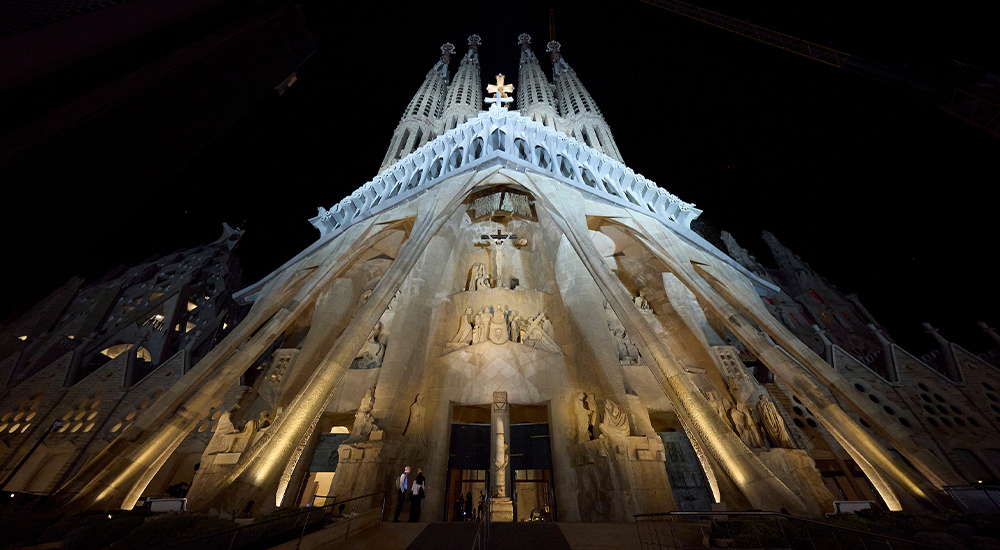
Recent reports indicate that the Sagrada Família has reached a critical milestone: its central tower, the Tower of Jesus Christ, has attained its final planned height of 172.5 meters (566 feet). This achievement signifies the nearing completion of the basilica’s vertical aspirations, a symbolic capstone to the project. Construction began in 1882, and Gaudí himself dedicated the last 40 years of his life to its design and construction, envisioning a structure that would symbolize the Christian faith through its towering spires and meticulously crafted facades. The project has been a continuous endeavor, with generations of architects and artisans contributing their skills to bring Gaudí’s vision to life, often relying on fundraising and donations.
The interiors of the Sagrada Família are now slated for completion by 2028. This ambitious timeline suggests a focused effort to finalize the intricate details, stained-glass installations, and decorative elements that will define the sacred space. The anticipation surrounding this impending completion has been further amplified by a recent significant event: Pope Leo XIV led a mass and ceremonial blessing onsite. This act, steeped in religious significance, underscores the growing confidence in the project’s final stages and hints at a future inauguration ceremony that will undoubtedly be a global event. The basilica, already the tallest church in the world, is set to stand as a completed testament to human creativity and spiritual devotion. The implications of its full completion are profound, promising to solidify its status as a paramount global landmark and a powerful symbol of enduring artistic and spiritual legacy.
The Unsettling Tide of Closures: New York City’s Culinary Scene Under Siege
New York City’s renowned culinary landscape, a vibrant ecosystem of innovative restaurants and cherished establishments, is grappling with an unprecedented wave of closures. As the summer season approaches, a growing number of beloved dining destinations have announced their impending shutdowns, leaving a void in the city’s gastronomic fabric. This trend is not confined to a single niche; it spans a diverse spectrum of culinary ambition and price points, from critically acclaimed fine dining to more accessible neighborhood gems.
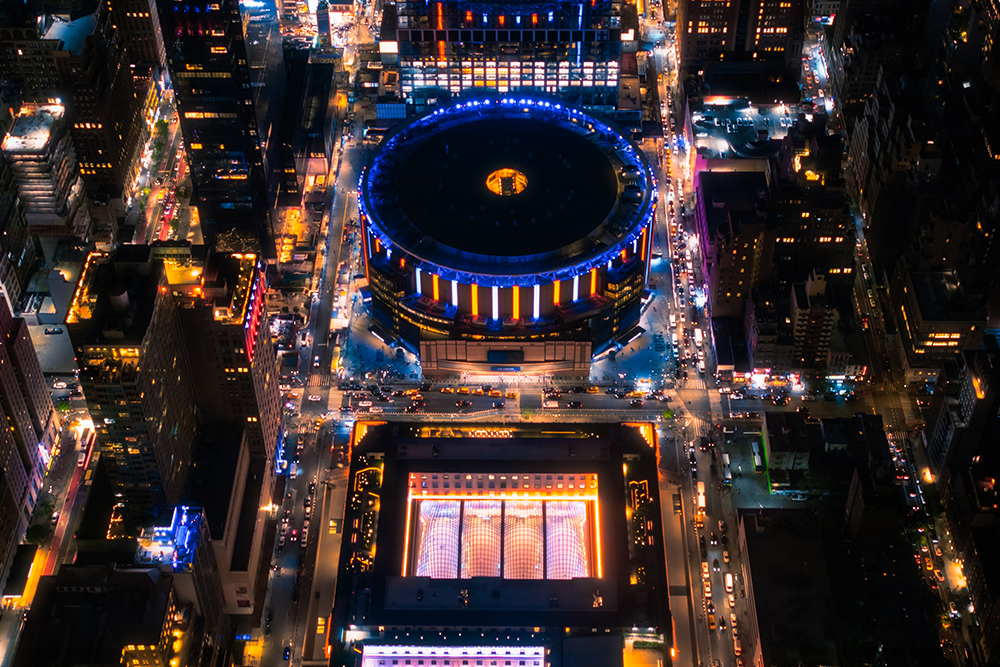
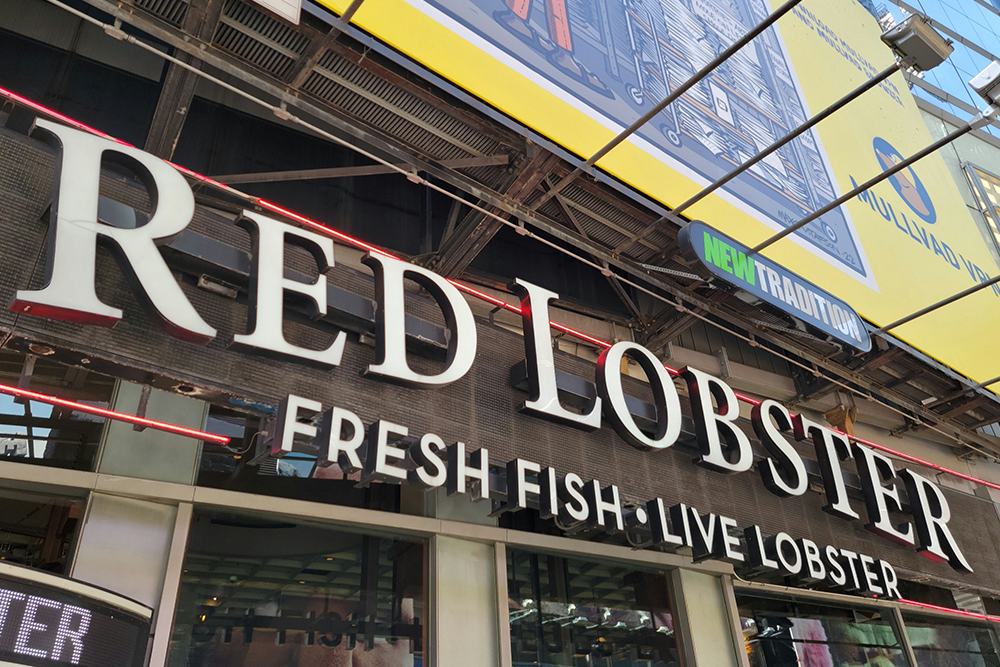
Among the prominent eateries set to shutter are Atla, known for its elevated Mexican cuisine; Libertine, a celebrated cocktail bar and restaurant; and Loring Place, a farm-to-table favorite. These closures are compounded by the anticipated cessation of operations at Tom Colicchio’s influential Craft, a pioneer in modern American cuisine, and Donohue’s, an Upper East Side institution. Perhaps one of the most startling announcements is the forthcoming closure of the Red Lobster in Times Square, a location that has long served as a familiar fixture in one of the city’s most iconic districts.
Restaurateurs are pointing to a confluence of economic pressures that are creating an unsustainable operating environment. Dan Kluger, chef and owner of Loring Place, articulated these challenges in a recent interview, highlighting a dramatic increase in essential operational costs. He revealed that ConEdison bills have surged by an alarming 35 percent since pre-COVID levels, while the cost of insurance has nearly doubled. These escalating overheads necessitate price increases on menus, a strategy that, for many establishments, has proven untenable in a competitive market. The cumulative effect of these financial burdens is forcing even the most resilient and popular restaurants to make the difficult decision to close their doors. The broader implications for New York City’s economy and its cultural identity are significant, as these establishments not only provide jobs but also contribute to the city’s global reputation as a culinary capital. The future of urban dining may hinge on innovative solutions to address these systemic economic challenges.
Where Passion Meets the People: The Enduring Allure of Courtside Seating
In the electrifying atmosphere of professional sports, a perennial debate simmers among fans and aficionados alike: the quintessential viewing experience. While luxury suites offer unparalleled comfort and exclusive amenities, the magnetic pull of being in the heart of the action, amidst the roar of the crowd, remains an irresistible draw. This sentiment was recently echoed by renowned designer Ken Fulk, who, despite his expertise in crafting opulent arena suites, expressed a preference for the raw energy of general seating, whether for a theatrical performance or a high-stakes NBA championship game.

Fulk’s perspective resonates with a notable contingent of celebrities and discerning patrons who consistently opt for courtside seats. This season, the New York Knicks have seen a regular presence of stars such as Timothée Chalamet, Mariska Hargitay, and Ben Stiller, all choosing to be as close to the hardwood as possible. Even influential figures in the sports ownership world, including Wes Edens and Mark Cuban, have acknowledged the heightened excitement and immersive quality of experiencing a game from the floor. This enduring preference underscores a fundamental human desire to be a part of the spectacle, to feel the pulse of the game, and to share in the collective emotional journey of the fans.
The presence of Spike Lee, arguably the Knicks’ most ardent and visible supporter, further exemplifies this dedication to experiencing the team’s fortunes firsthand. The notion that even the most lavish surroundings cannot fully replicate the visceral thrill of being among the diehard fans is a powerful testament to the enduring appeal of communal sports fandom. This phenomenon is particularly potent during periods of success, like the Knicks’ current winning streak, where the energy and shared passion amplify the experience exponentially. It suggests that while luxury has its place, the authentic connection to the game and its supporters often trumps material extravagance, especially when the team is delivering a compelling performance. The enduring appeal of courtside seats speaks to the fundamental human need for connection and participation in shared experiences.
A Canvas for Healing: An Abandoned Los Angeles Hospital Reimagined as an Art Installation
In a remarkable act of urban regeneration and artistic expression, the St. Vincent Medical Center in Los Angeles has been transformed from an abandoned structure into a profound sanctuary for communal healing. The "Hospital of Emotions" exhibition, running through July 31st, invites the public to explore a vast and evocative collection of artworks spread across 80 rooms of the former hospital. This initiative elevates the concept of art therapy to an unprecedented scale, utilizing the evocative atmosphere of a disused medical facility to meditate on themes of wellness, recovery, and collective resilience.
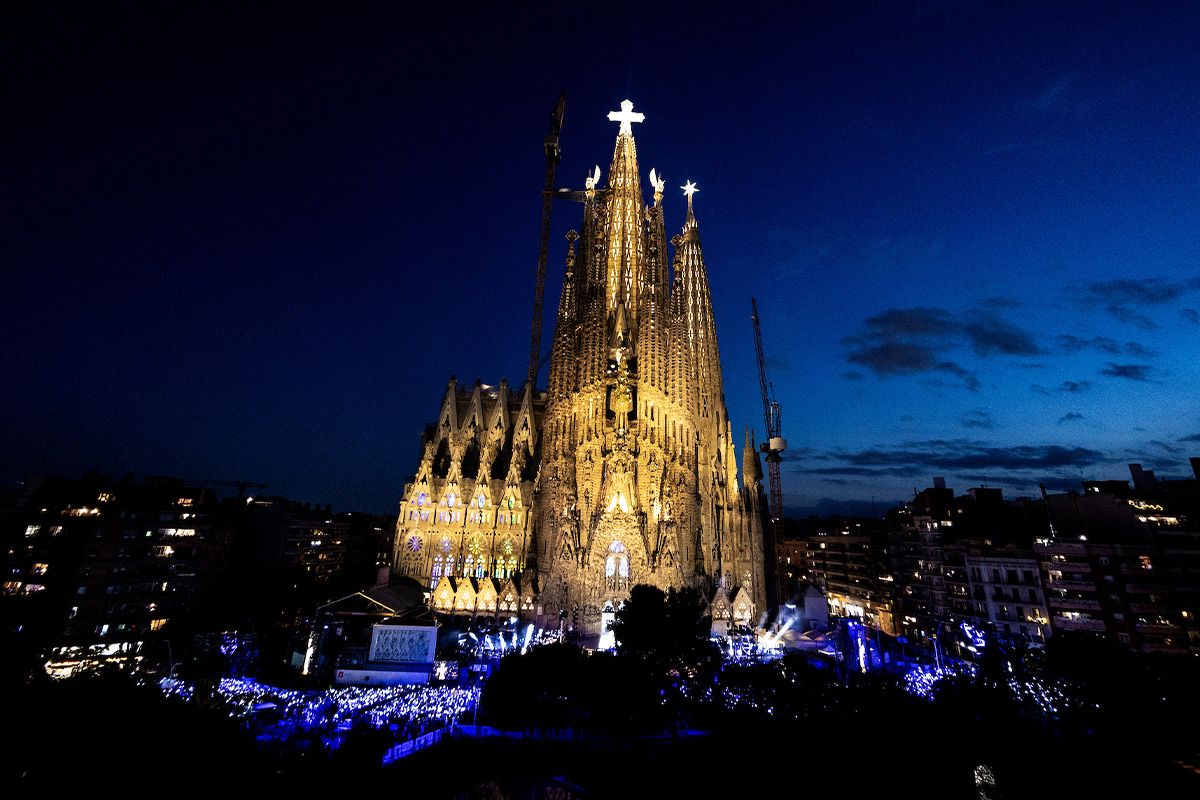
The exhibition features the diverse visions of 70 artists who have contributed works that explore the multifaceted nature of healing. Visitors can encounter the vibrant, "explosive florals" of Lisa Waud, which bring life and color to the sterile environment, and the intricate "cardboard forest" meticulously crafted by Greg Corbino, offering a unique and immersive sensory experience. The response from the community has been overwhelming, with nearly 10,000 Angelenos attending the exhibition’s opening weekend. This significant turnout highlights the public’s deep engagement with the project and their desire to support one of the city’s historic institutions.
The St. Vincent Medical Center, a site with a long history of serving the Los Angeles community, is slated for a significant transformation into a full-service campus by 2028. The "Hospital of Emotions" exhibition serves as a poignant prelude to this redevelopment, offering a space for reflection on the hospital’s past while simultaneously envisioning its future. The exhibition, documented by publications like Colossal, underscores the power of art to foster connection and provoke introspection. The idea of visiting a hospital and leaving with a sense of peace and inspiration, rather than a medical bill, encapsulates the unique and therapeutic promise of this groundbreaking art installation. It serves as a potent reminder of art’s capacity to heal, to connect, and to reimagine spaces with profound communal impact.
An Invitation to Excellence: Submissions Open for the 2026 Gold Key Awards
For professionals dedicated to the art and science of hospitality design, an exciting opportunity has emerged. Boutique Design magazine has officially opened submissions for its 46th annual Gold Key Awards for Excellence in Hospitality Design. This prestigious program has long been recognized as a benchmark for innovation and creativity within the global hospitality industry, celebrating outstanding design achievements across a wide array of categories.
The Gold Key Awards encompass a comprehensive range of design disciplines, from the unique challenges of "Design at Sea" to the forward-thinking concepts within "Next-Gen Housing." With 24 distinct categories, the awards provide a platform for designers to showcase their most impactful and visionary projects, whether they are groundbreaking hotels, innovative restaurant interiors, or pioneering resort developments. The deadline for submitting entries is July 31st, offering ample time for designers to finalize their portfolios and articulate the unique merits of their work.
This year’s Gold Key Awards gala is scheduled to take place on Monday, November 9th, at the iconic Cipriani 42nd Street in New York City. This celebratory event provides a distinguished setting for industry leaders, designers, and tastemakers to gather, network, and honor the year’s most exceptional contributions to hospitality design. Past winners, such as the Populus Denver, recognized in the Eco Conscious/Socially Conscious Hotel category, exemplify the caliber of projects that receive acclaim. Submitting an entry into the Gold Key Awards is not merely about receiving recognition; it is an opportunity to contribute to the ongoing dialogue of design excellence, to inspire peers, and to shape the future of how we experience hospitality worldwide. The call to action is clear: submit your groundbreaking designs and join the ranks of those who are defining the next era of hospitality spaces.

 Chandra Hamzah
 Gabriela Annisa
 Tatiana Tantri Indah Sari
 Walid Sujud Trenggono
 Budi Mulyono