
 Budi Mulyono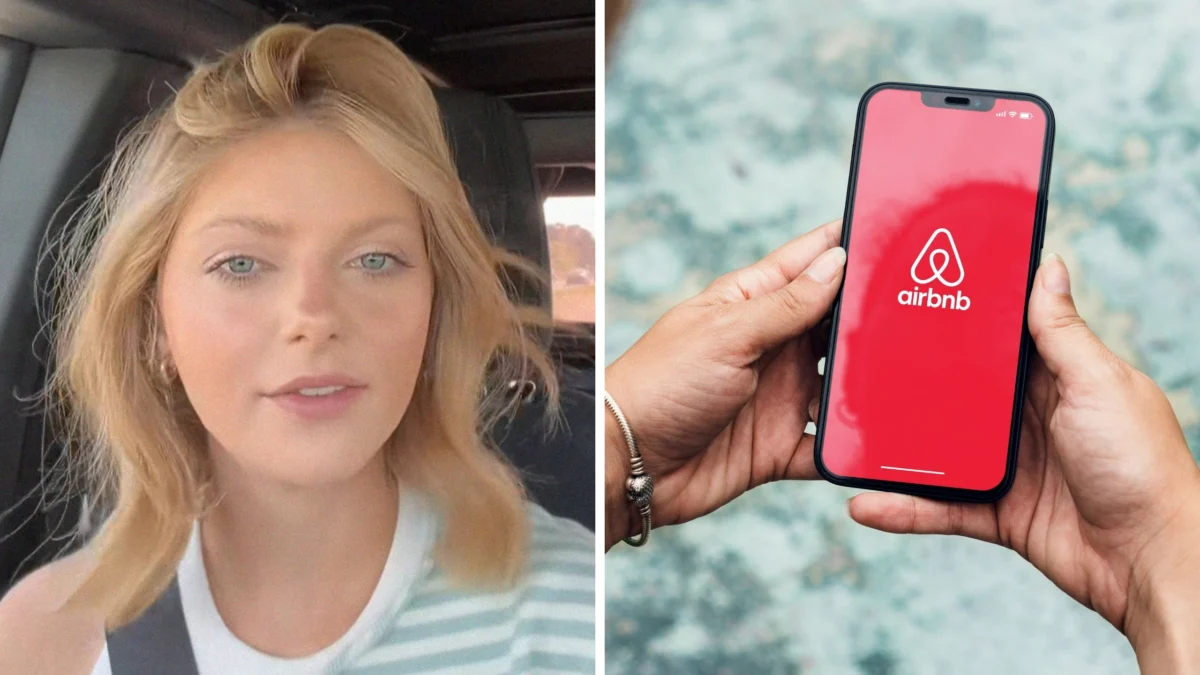
The short-term rental market in Florida, a cornerstone of the state’s massive $133.6 billion tourism industry, is facing renewed scrutiny following a viral report of a "biohazard" discovery at a high-rated property. Lauren Laudermilk, a singer-songwriter and content creator, recently shared a detailed account of her arrival at a Florida Airbnb that she alleges was covered in blood and reeked of cigarette smoke, despite the property being managed by a "Superhost." The incident has ignited a broader conversation regarding the efficacy of Airbnb’s safety protocols, the reliability of its "Superhost" designation, and the challenges guests face when seeking immediate assistance from corporate support channels during a crisis.
The Discovery: A Month-Long Stay Aborted by a Crime-Like Scene
The incident began when Lauren Laudermilk booked a 30-day stay in Florida, intending to use the rental as a long-term base for her professional and personal activities. After completing a grueling 11-hour drive to the location, Laudermilk’s expectations of a high-quality "Superhost" experience were immediately shattered upon entry. According to Laudermilk’s testimony, which has garnered tens of thousands of views on TikTok, the interior of the home was permeated with the heavy scent of stale cigarette smoke—a direct violation of most rental agreements and an immediate health concern for many travelers.
However, the olfactory issues were secondary to a much more disturbing discovery. Upon inspecting the premises, Laudermilk noticed red stains on the carpet. The situation escalated when she realized the stains were not isolated. Her dog began sniffing the areas, confirming her suspicion that the substance was organic. Further investigation revealed what Laudermilk described as a "biohazard" scene: blood was allegedly splattered throughout the entire residence, including the stairs, multiple bedrooms, and inside closets.
"There’s blood throughout the entire place," Laudermilk stated in her video documentation. The visual evidence suggested a violent or chaotic event had occurred prior to her arrival, leading to an immediate sense of physical insecurity. Rather than the pristine, "above and beyond" hospitality promised by the Superhost badge, the guest found herself in what resembled an uncleaned crime scene.
Chronology of a Failed Resolution
The timeline of the event highlights a significant breakdown in communication between the guest, the host, and Airbnb’s corporate support structure. After the discovery, Laudermilk’s primary objective was to secure a safe environment for the night and ensure a refund for the remainder of her month-long booking.
- Initial Contact: Laudermilk attempted to contact the host and the property manager immediately. While digital records indicated that the property manager viewed her messages, they reportedly offered no response.
- Airbnb Support Challenges: Turning to the platform for help, Laudermilk alleges that her calls to Airbnb’s customer service line were dropped four or five times. When she did manage to speak with representatives, she claims they failed to offer an acceptable or immediate resolution, leaving her stranded after nearly half a day of travel.
- Law Enforcement Involvement: Feeling unsafe and unable to get a response from the host, Laudermilk contacted local police. Officers who arrived at the scene hypothesized that a previous local renter might have hosted a party that spiraled out of control.
- The Host’s Delayed Response: It was not until the following morning that the host responded. He admitted that the previous guests had left the property in "shambles." In a move that Laudermilk found particularly egregious, the host acknowledged that while they had attempted to clean the unit, they had "not cleaned up all the blood."
- The Refund Dispute: Despite the clear biohazard, the host initially attempted to charge Laudermilk for the first night of her stay. It was only after she informed the host that the police had been involved and a formal report was being generated that he agreed to a full refund.
The "Superhost" Paradox and Airbnb’s AirCover Policy
This incident raises critical questions about the "Superhost" status, a marketing tool Airbnb uses to identify top-rated hosts. To achieve this status, a host must maintain a 4.8 overall rating, have a less than 1% cancellation rate, and complete at least 10 stays in a year. The badge is intended to provide guests with peace of mind, signaling a history of reliability and cleanliness. However, as Laudermilk’s experience demonstrates, the designation does not always guarantee a manual inspection of the property between guests or a proactive response during a crisis.
Furthermore, the incident tests the limits of "AirCover," Airbnb’s comprehensive protection plan for guests. AirCover theoretically guarantees that if a guest finds a serious issue that the host cannot resolve, Airbnb will find the guest a similar or better home or refund them. Laudermilk’s account suggests that the execution of this policy can be hindered by technical failures (dropped calls) and a lack of urgency from support staff, forcing guests to rely on their own resources—such as friends or local hotels—at their own expense.
The Economic Context: Florida’s High-Stakes Tourism Market
The impact of such incidents extends beyond individual guest dissatisfaction. Florida’s economy is deeply intertwined with its reputation as a premier global destination. In 2025, tourism contributed approximately $133.6 billion to the state’s economy, accounting for roughly 8% of the gross state product. Short-term rentals (STRs) have become a vital component of this ecosystem, providing diverse lodging options in areas where traditional hotels may be scarce or overpriced.
However, the rapid growth of the STR market in the Sunshine State has led to increased friction between residents, local governments, and platforms like Airbnb. Issues ranging from "party houses" to safety concerns have prompted various Florida municipalities to implement stricter regulations. Laudermilk’s experience underscores the "survival of the fittest" environment some travelers encounter in the state, where high demand sometimes leads hosts to cut corners on maintenance and professional cleaning to maximize turnover and profit.
Health and Safety Implications of Biohazard Exposure
From a public health perspective, the presence of blood in a rental property is a significant liability. Bloodborne pathogens, including Hepatitis B, Hepatitis C, and HIV, can remain infectious outside the body for varying periods depending on environmental conditions. Professional biohazard remediation is typically required for such incidents, involving specialized chemicals and protocols that go far beyond standard housekeeping.
The host’s admission that they "had cleaned, but not cleaned up all the blood" suggests a fundamental misunderstanding of hospitality safety standards. For a property to be considered habitable after a violent or "shambles" event, a certificate of professional cleaning is often recommended. The fact that the host later sent Laudermilk videos of the carpet being cleaned—as if to invite her back—indicates a disconnect between the host’s perception of "clean" and the legal and medical definitions of a "sanitized" environment.
Social Media as the New Consumer Watchdog
The viral nature of Laudermilk’s story reflects a growing trend where social media platforms like TikTok serve as a court of public opinion and a tool for consumer advocacy. In the comments section of her video, other users shared similar "horror stories," suggesting a systemic dissatisfaction with how rental platforms handle emergencies.
One user, identified as Meg, claimed a home invasion occurred during their Florida stay, alleging that Airbnb provided only a fraction of a refund and refused to cooperate with police. Another user, Jennifer, advised travelers to bypass Airbnb entirely in favor of local realtors or established vacation rental sites like Vrbo, which some perceive to have more rigorous vetting processes.
This collective sharing of negative experiences poses a significant PR challenge for Airbnb. As "storytime" videos become a primary source of information for younger travelers, the brand’s reputation relies less on its own marketing and more on the real-time experiences shared by influencers and everyday users.
Analysis of Broader Implications for the Rental Industry
The Laudermilk incident serves as a case study for several emerging trends in the travel industry:
- The Shift Toward Professionalization: There is a growing demand for "professional" short-term rentals—properties managed by companies with 24/7 staff and standardized cleaning protocols—rather than individual hobbyist hosts who may lack the resources to handle major property damage.
- Regulatory Pressure: Incidents involving police and biohazards provide ammunition for regulators seeking to impose hotel-like safety and health standards on short-term rentals.
- Platform Accountability: If Airbnb continues to struggle with its support infrastructure, competitors who offer more robust "boots on the ground" assistance may gain market share.
- The 24-Hour Rule: Industry experts and experienced travelers often cite the "24-hour rule," noting that guests must report issues to the platform within a day of check-in to preserve their right to a full refund under most corporate policies.
Conclusion
While Lauren Laudermilk eventually received a full refund, the psychological and logistical toll of the experience remains a cautionary tale for the millions of travelers who use short-term rental platforms. The gap between the promised "Superhost" experience and the reality of a blood-stained, smoke-filled rental highlights the inherent risks of the sharing economy. As Florida continues to capitalize on its massive tourism draw, the state and the platforms operating within it may need to reconsider how they balance the lucrative nature of high-turnover rentals with the fundamental right of every guest to a safe, clean, and professional environment.
BoardingArea and other outlets have reached out to Airbnb for an official statement regarding the handling of this specific case and the reported failure of their support lines. As of the time of publication, a detailed corporate response regarding the specific failures in the Laudermilk case has not been provided.


 Anjar Salim
 Chandra Hamzah
 Gabriela Annisa
 Tatiana Tantri Indah Sari
 Walid Sujud Trenggono
 Cholid Fahmi Thalib