Anjar Salim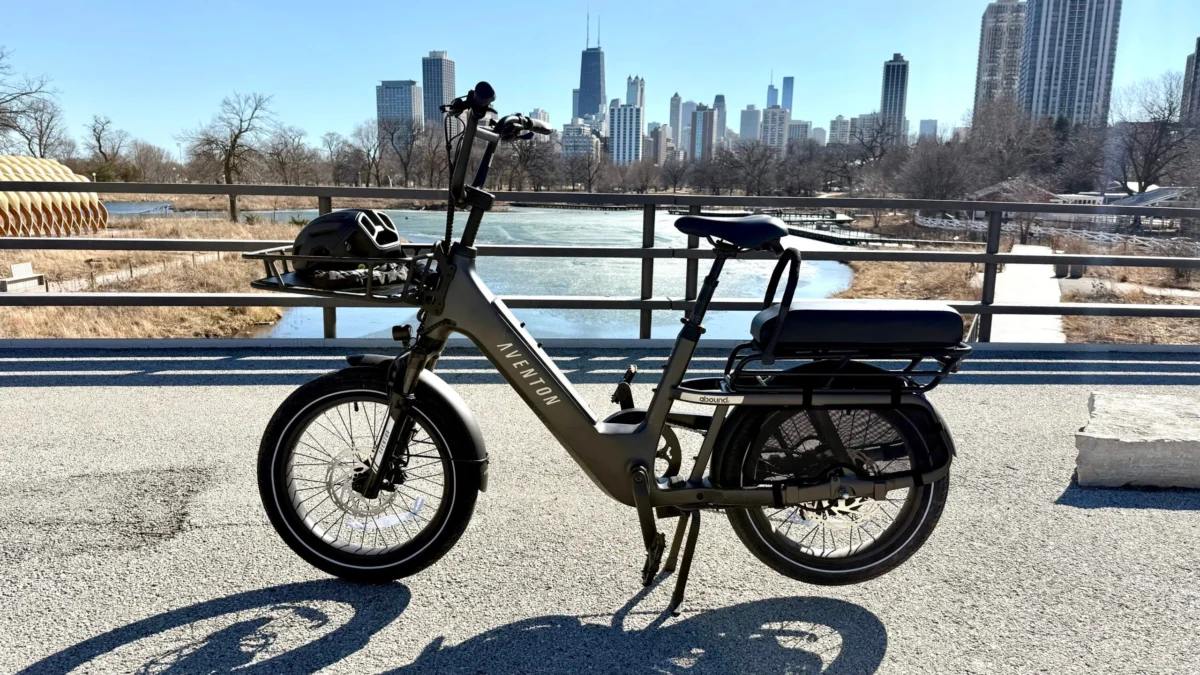
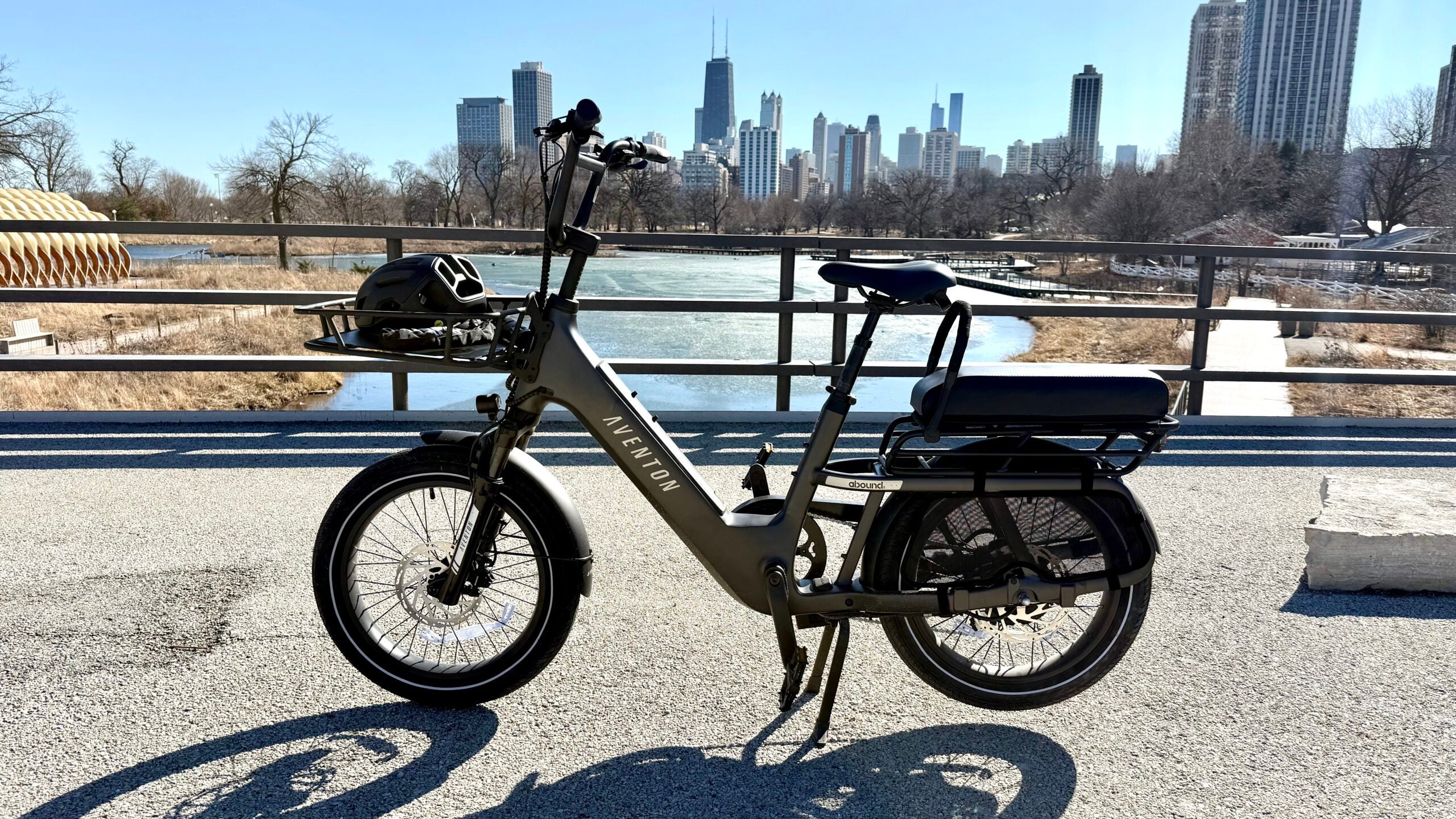
The landscape of urban mobility is undergoing a fundamental shift as major American metropolitan areas, led by cities like Chicago, witness a steady transition from internal combustion engine vehicles to high-capacity electric micro-mobility solutions. At the center of this evolution is the Aventon Abound SR, a short-tail cargo e-bike that represents a strategic pivot in how families and commuters navigate densely populated environments. As of early 2026, the adoption of cargo e-bikes has moved beyond a niche enthusiast market into a primary transportation category, driven by rising costs of vehicle ownership, improved cycling infrastructure, and significant technological leaps in battery efficiency and integrated security.
The Shift Toward Multi-Modal Urban Living
For decades, the two-car household was considered the standard for American middle-class stability. However, the economic realities of 2026—including fluctuating fuel prices, increased municipal parking fees, and the proliferation of congestion pricing in urban cores—have forced a reevaluation of traditional transit. In Chicago, the implementation of expanded protected bike lanes along major arteries and the continued popularity of elevated trails like The 606 have created a viable environment for heavy-duty cycling.
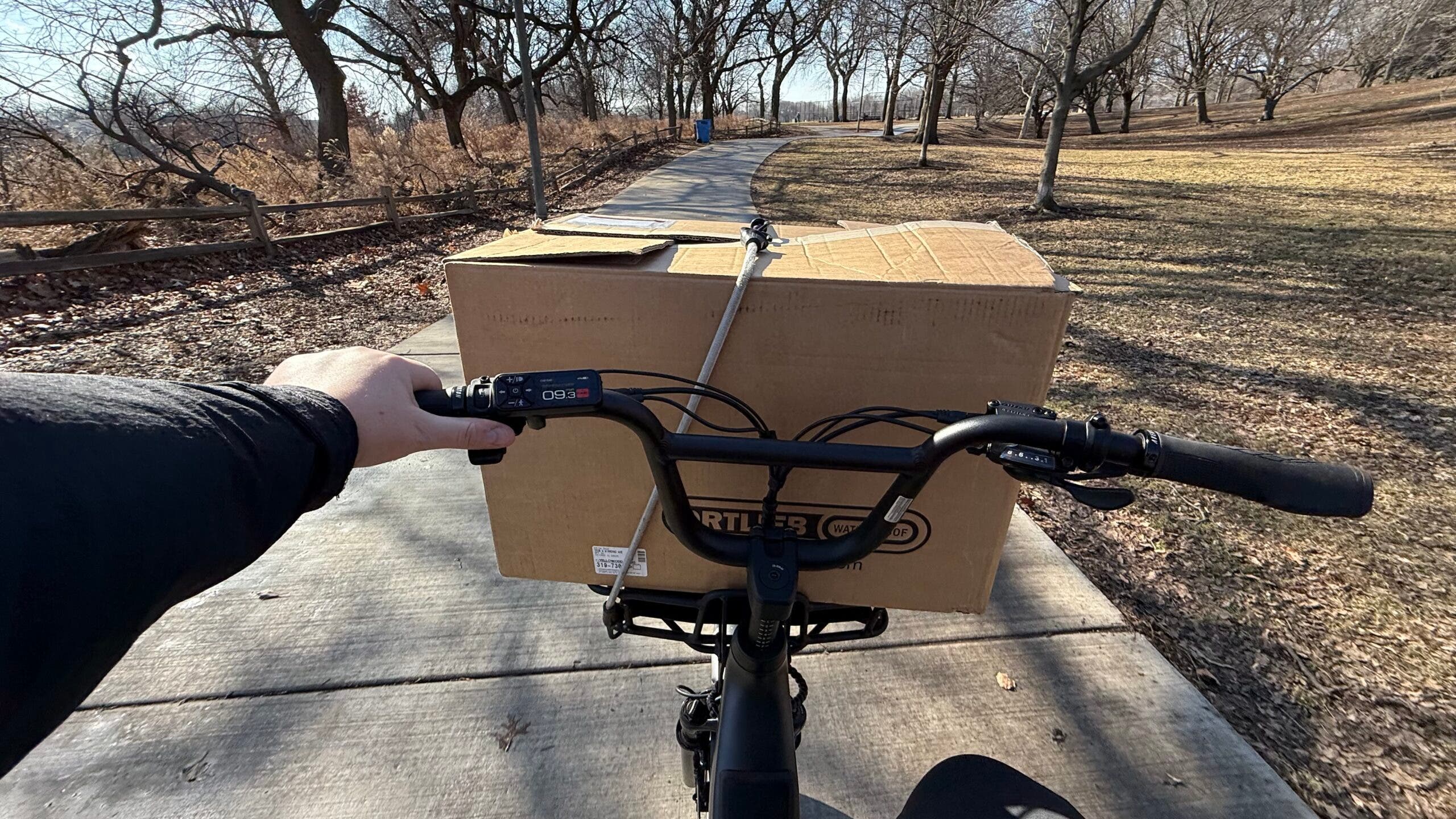
The Aventon Abound SR enters this market not merely as a recreational tool but as a utilitarian replacement for a secondary family vehicle. Market data indicates that a significant percentage of urban trips are under five miles, a distance easily covered by an e-bike without the logistical hurdles of finding parking for a traditional SUV. The Abound SR is designed to bridge the gap between the agility of a standard bicycle and the hauling capacity of a small trunk, boasting a total weight capacity of 440 pounds, including the rider and cargo.
Technical Specifications and Performance Architecture
The engineering behind the Abound SR focuses on stability and torque, two critical factors for a vehicle intended to carry heavy loads through city traffic. The bike is powered by a 36V, 750W rear hub drive motor, supported by a 733Wh Aventon battery. While many cargo bikes utilize mid-drive motors for their natural pedaling feel, Aventon has tuned the Abound SR’s hub drive to provide a responsive, punchy acceleration that mimics the performance of more expensive mid-drive systems.
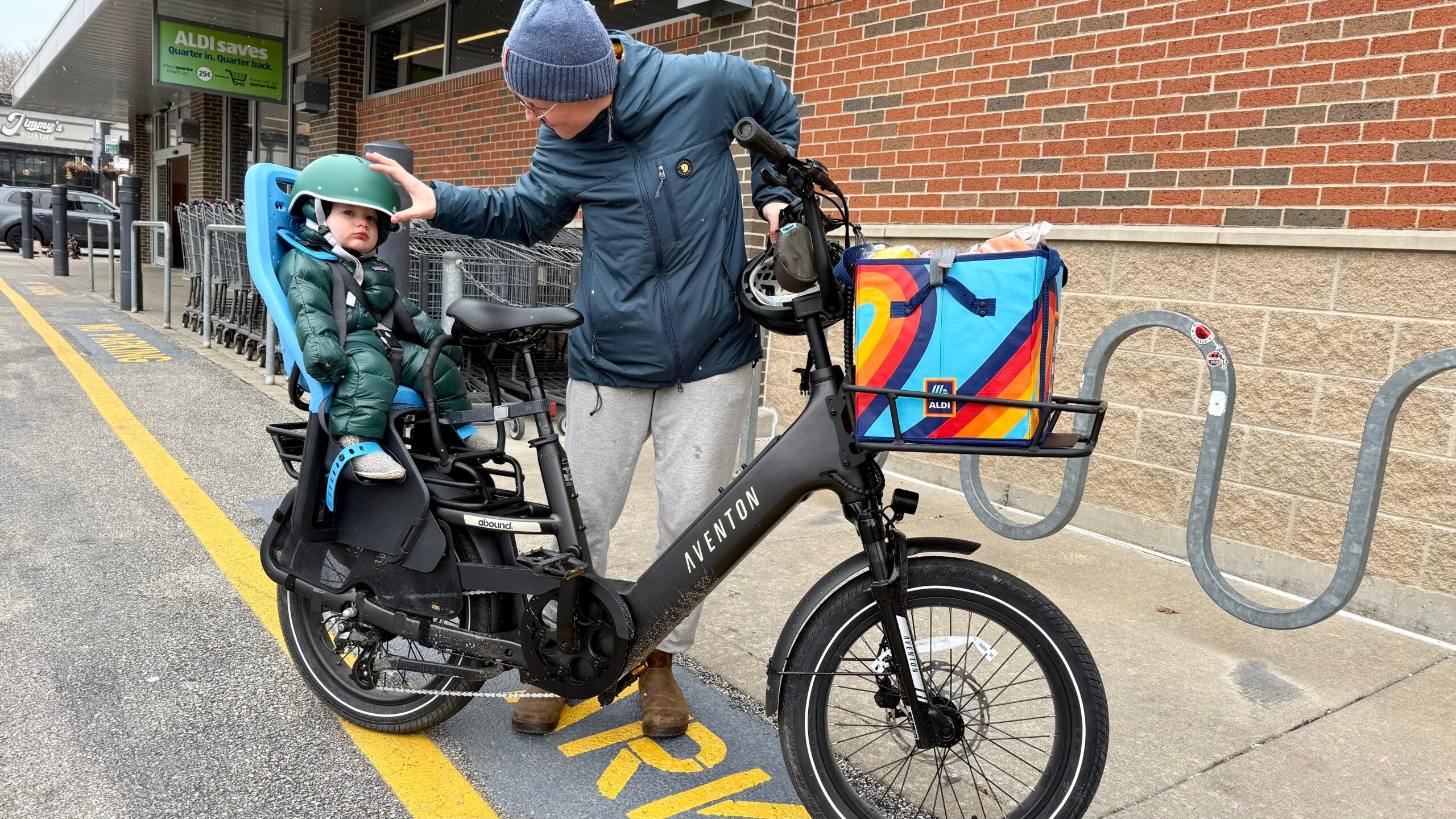
One of the most significant technical features of the Abound SR is its software-defined versatility. Through a dedicated mobile application, the bike can be toggled between Class 2 and Class 3 designations. In its Class 2 configuration, the bike utilizes a throttle and pedal assist capped at 20 to 25 mph, adhering to stricter municipal regulations or providing a safer limit for less experienced riders. When unlocked to Class 3, the pedal assist extends to 28 mph, allowing commuters to maintain pace with urban traffic flows on major thoroughfares.
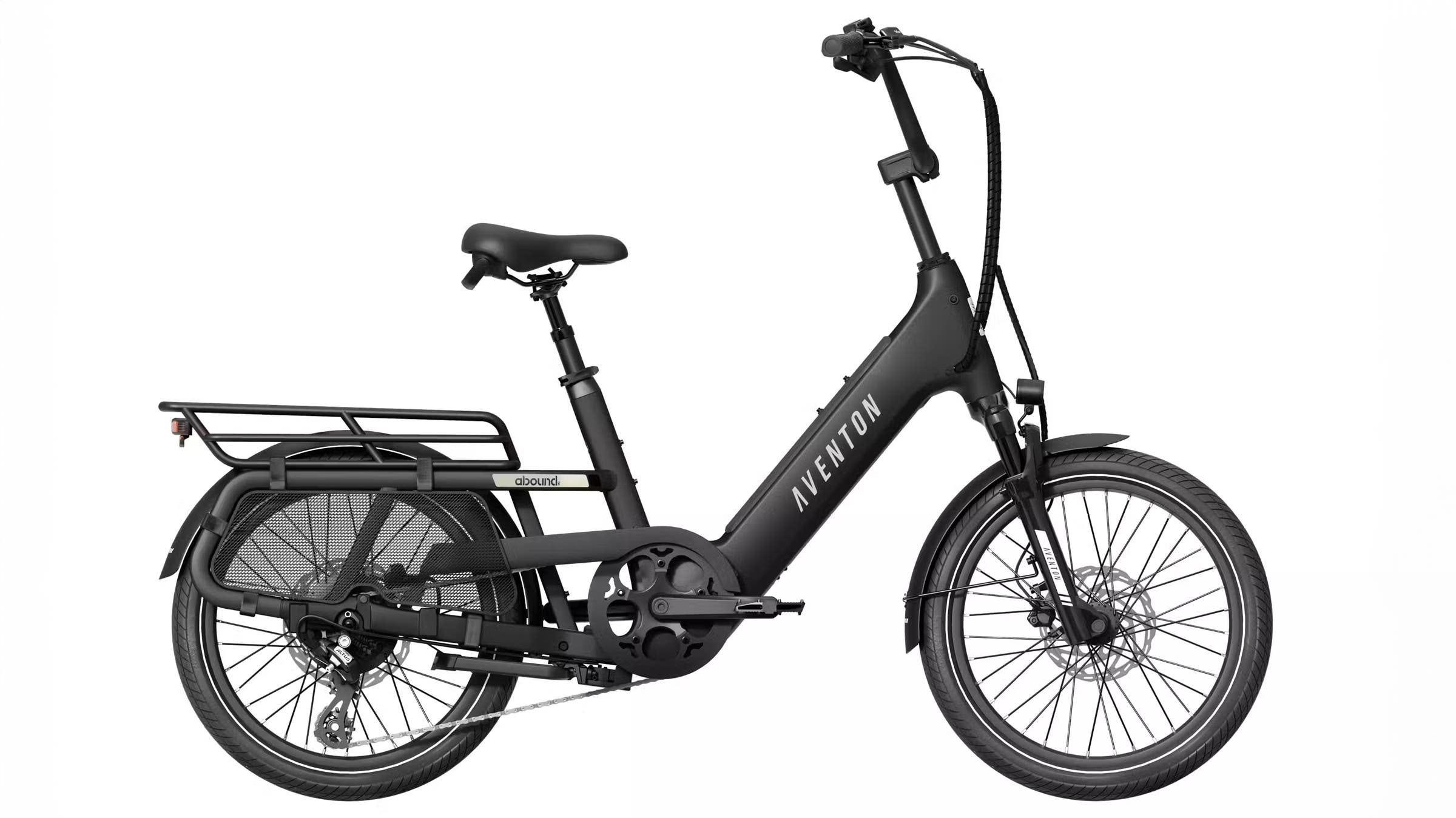
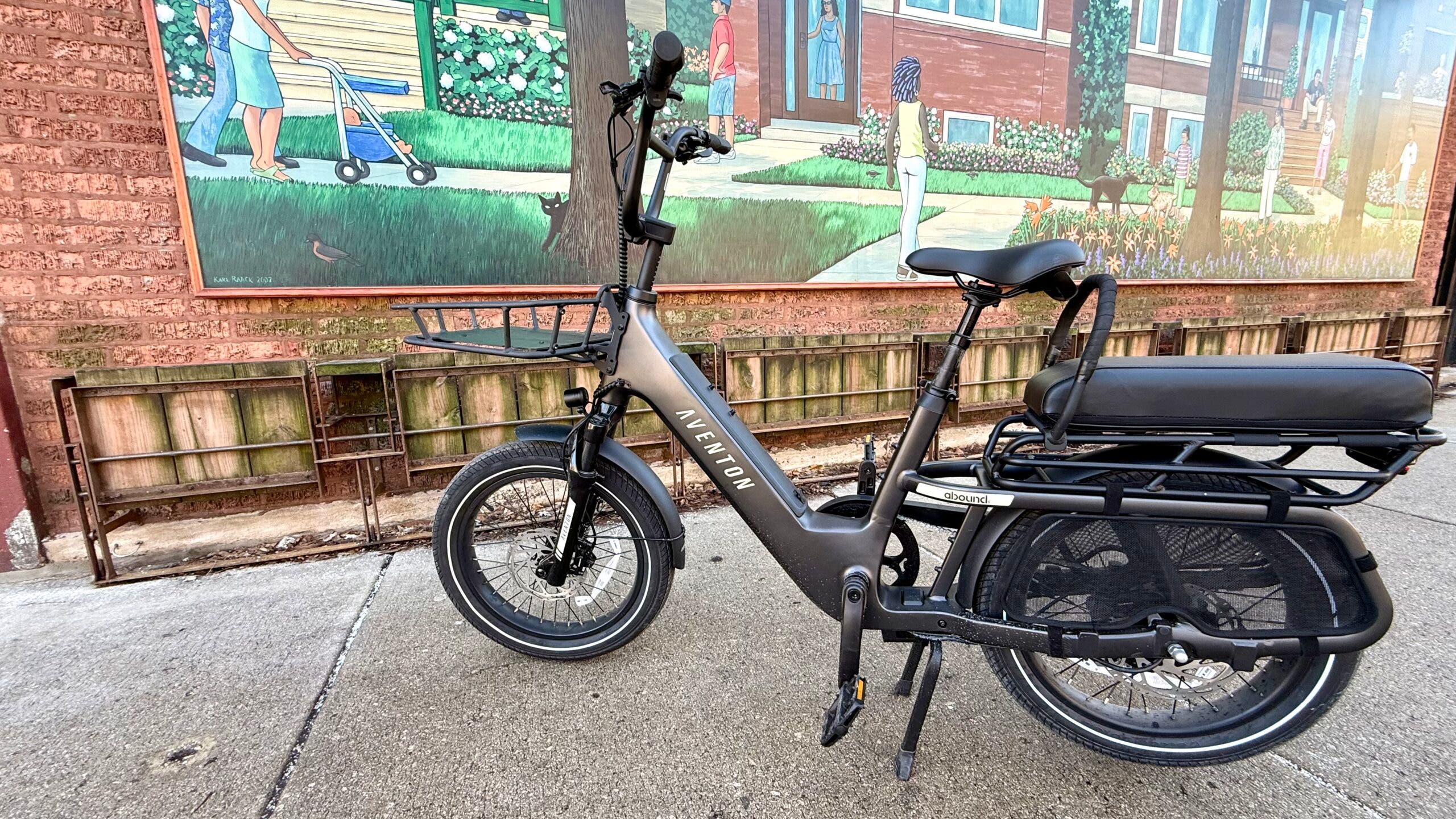
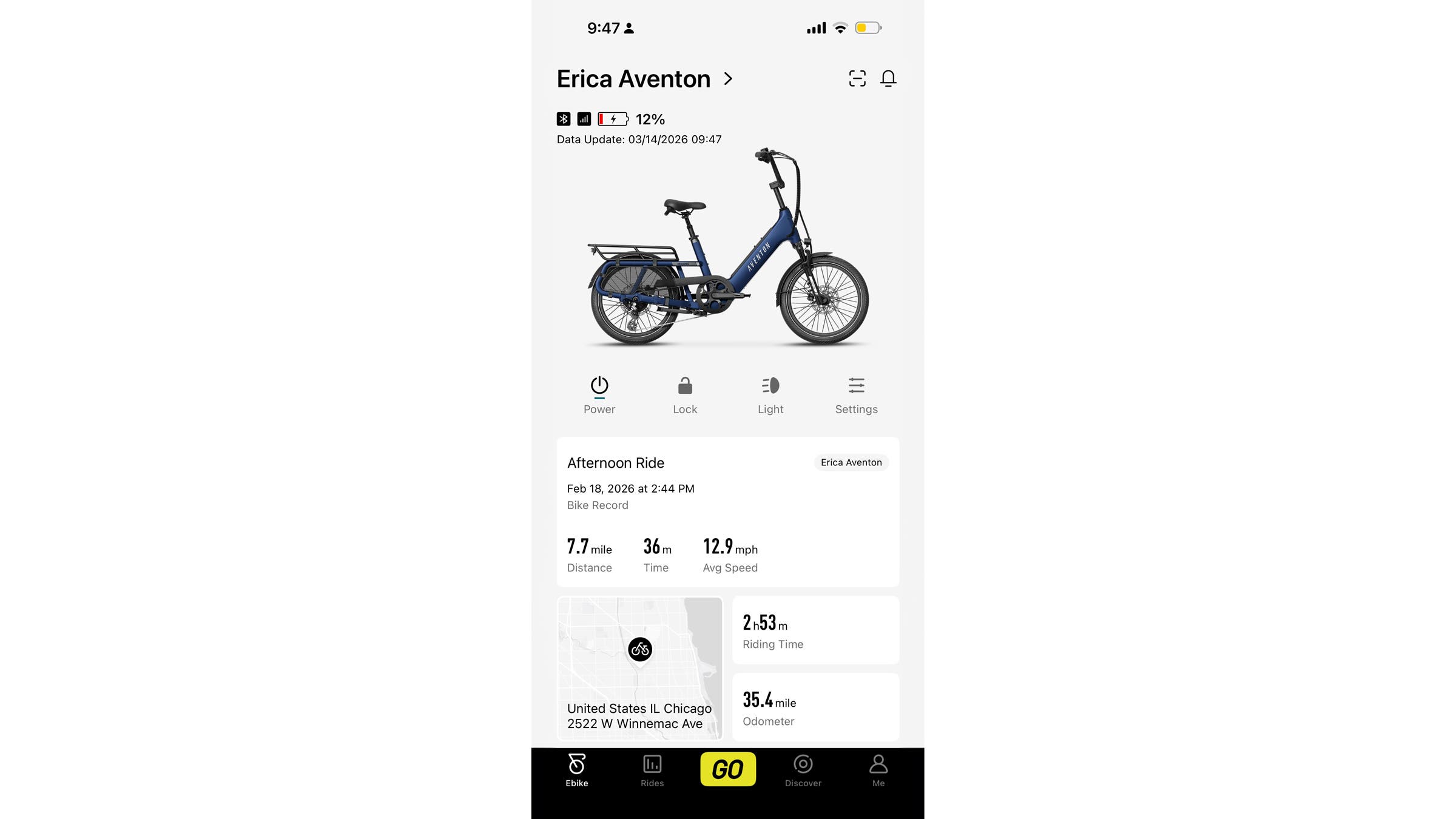
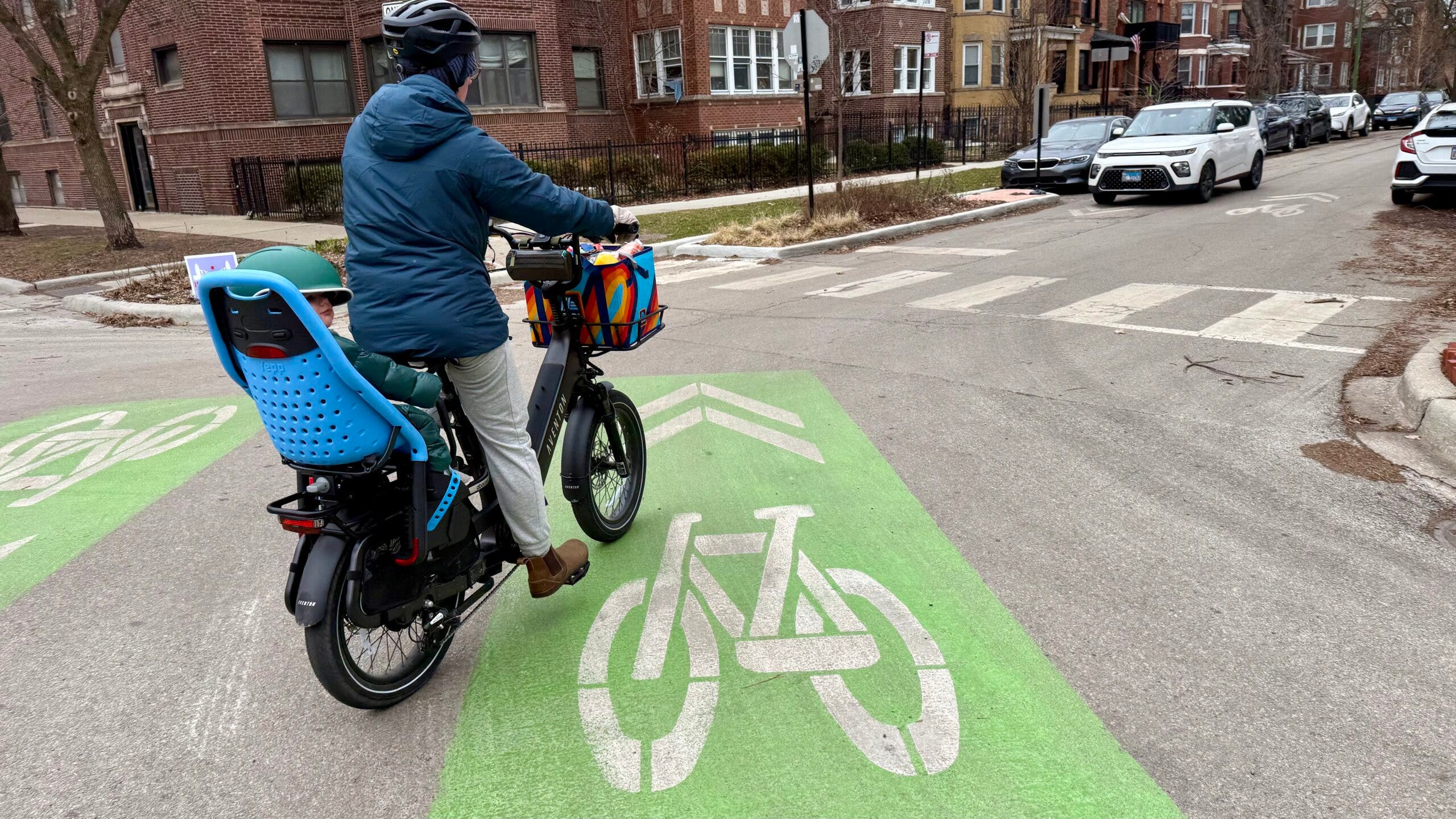
The bike’s physical geometry also plays a vital role in its urban utility. The step-through frame design allows for easy mounting and dismounting, which is a safety requirement when the rear rack is loaded with a child seat or heavy groceries. The 20-inch wheels lower the center of gravity, providing a more stable platform when the bike is fully loaded, while the tunable front suspension absorbs the impact of potholes and uneven pavement common in older industrial cities.
Economic Analysis and Market Positioning
The e-bike market of 2026 is characterized by intense competition and a move toward vertical integration. Aventon has positioned the Abound SR at a highly competitive price point of $1,899. This pricing strategy is a direct challenge to established competitors such as Rad Power Bikes, whose RadWagon 5 retails for approximately $2,399, and Specialized, whose Turbo Haul ST commands a premium price of $2,700.
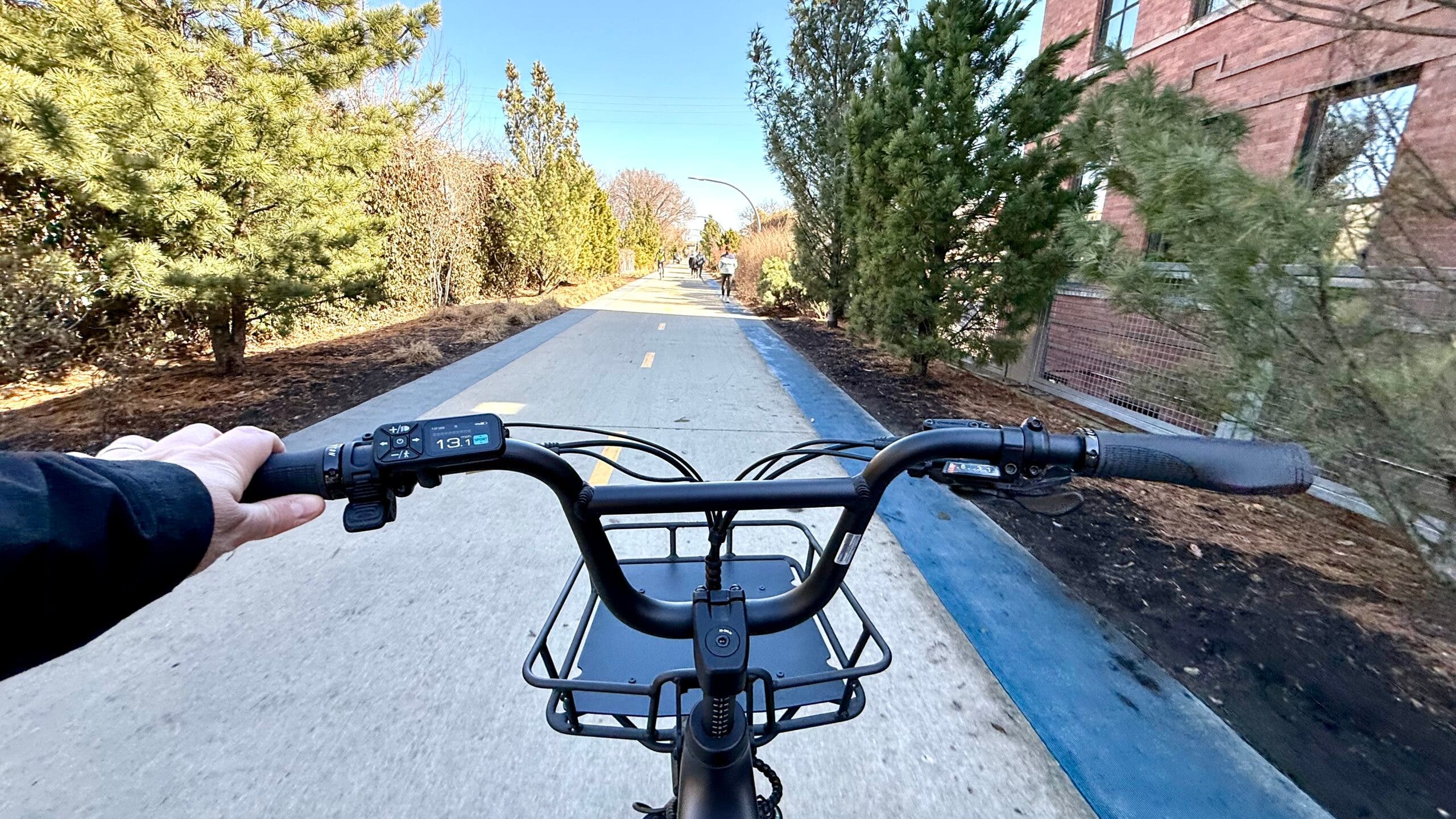
Industry analysts attribute Aventon’s ability to undercut competitors to its vertically integrated business model. By owning the manufacturing facilities and developing proprietary software in-house, the company avoids the overhead associated with third-party components and assembly. This model also allows for faster iteration cycles; the Abound SR features integrated wire management and a sleek aesthetic that was previously reserved for high-end boutique brands.
From a consumer perspective, the return on investment (ROI) for a cargo e-bike is becoming increasingly clear. When compared to the annual cost of insurance, maintenance, and parking for a used Subaru or similar family vehicle, an e-bike like the Abound SR can pay for itself within 12 to 18 months of regular use.
Security and the Digital Integration Frontier
As e-bikes have become more valuable, theft has emerged as the primary deterrent to widespread adoption. In response, Aventon has equipped the Abound SR with a suite of digital security features that were once the exclusive domain of luxury automobiles. The integrated app allows users to remotely lock the motor, rendering the bike useless to a thief even if the physical chain is cut.
Furthermore, the bike utilizes geofencing technology. Owners can set virtual boundaries; if the bike is moved outside of these coordinates without authorization, the system can trigger an alarm and send a real-time notification to the owner’s smartphone. This "smart" approach to security is essential in cities like Chicago, where bike theft has historically been high. The inclusion of a locking kickstand further stabilizes the bike during loading and acts as an additional physical deterrent.
Infrastructure and the Family Unit
The rise of the "e-bike family" is perhaps the most visible change in urban demographics over the last three years. The Abound SR is specifically kitted for multi-passenger use, featuring a rear rack compatible with the Thule Yepp child seat system. For families with older children or those needing to transport an adult passenger, the bike can be outfitted with a "Captain’s Chair" or a padded bench with integrated handrails.
Urban planners note that the success of bikes like the Abound SR is inextricably linked to the "Vision Zero" initiatives adopted by many city councils. The inclusion of integrated LED lighting—including a high-visibility rear light that flares during braking and active turn signals—aligns with new safety standards for micro-mobility. While physical hand signals remain a staple of cycling safety, the automated lighting systems provide an extra layer of communication with motorists, reducing the likelihood of "right-hook" accidents at intersections.
Broader Implications for Urban Planning
The proliferation of high-capacity e-bikes is forcing a reimagining of urban curbside management. As more residents swap cars for cargo bikes, the demand for secure, high-capacity bike parking is outpacing supply. Some neighborhoods in Chicago have begun trialing "bike hangars"—repurposed car parking spaces that can securely house six to twelve cargo bikes.
Environmental impact reports also suggest that the shift to e-bikes is contributing to a measurable reduction in local carbon emissions. While an electric car is more efficient than a gas-powered one, a cargo e-bike requires significantly fewer raw materials to manufacture and a fraction of the electricity to operate. For a city aiming for carbon neutrality, the Abound SR represents a more sustainable path forward than simply replacing every gasoline car with an electric one.
Conclusion
The Aventon Abound SR is more than a piece of cycling equipment; it is a symptom of a larger structural change in American urbanism. By combining a 60-mile range, heavy-duty hauling capabilities, and advanced digital security into an affordable package, it addresses the primary barriers that have historically prevented commuters from ditching their cars. As cities continue to densify and the costs of traditional vehicle ownership continue to climb, the short-tail cargo e-bike is poised to become the definitive vehicle of the modern metropolitan era. Whether used for the daily school run, grocery hauls, or professional commuting, the Abound SR demonstrates that the future of the city is not just electric, but increasingly two-wheeled and cargo-ready.



 Chandra Hamzah
 Gabriela Annisa
 Tatiana Tantri Indah Sari
 Budi Mulyono