
 Chandra Hamzah
The ongoing conflict in the Middle East, marked by escalating geopolitical tensions and a subsequent surge in global oil prices, is casting a significant shadow over the cruise industry, with publications increasingly warning passengers about the potential for fuel surcharges. While cruise lines have long included clauses in their contracts allowing for such additions, the current volatile market conditions are bringing this possibility to the forefront for consumers worldwide, particularly those in Australia.
Cruise Lines’ Contractual Rights and Current Realities
At the heart of the potential for increased cruise costs lies a common provision in most cruise contracts: the cruise line’s right to implement fuel surcharges. This contractual flexibility allows companies to adjust pricing in response to significant fluctuations in fuel expenses, which constitute a substantial operational cost for maritime travel. The current geopolitical instability, which began escalating in late 2023 and has seen a marked increase in activity in early 2024, has directly impacted global oil benchmarks. For instance, Brent crude oil, a key international benchmark, has seen significant price hikes, at times exceeding $90 per barrel, a level that historically triggers concerns within the energy-intensive travel sector.
While the contractual right exists, the actual implementation of fuel surcharges is a complex decision for cruise operators. Many major cruise lines employ sophisticated fuel hedging strategies. These financial instruments involve locking in contracts to purchase fuel at a predetermined price for a specific period, thereby providing a buffer against short-to-medium term oil price volatility. This hedging can significantly mitigate the immediate impact of price spikes, delaying or even preventing the need to pass on costs to passengers.
However, the duration and effectiveness of these hedging strategies are finite. As existing contracts expire, cruise lines will be exposed to prevailing market rates. The current sustained period of elevated oil prices suggests that these hedges may eventually be depleted, increasing the likelihood of surcharge implementation.
A Precedent for Surcharges and Passenger Backlash
The cruise industry is not unfamiliar with the concept of fuel surcharges. In 2008, during a period of dramatic oil price increases, several major cruise lines faced significant passenger backlash and legal challenges. A notable class-action lawsuit filed in Florida against Royal Caribbean and Carnival Cruises resulted in both companies being compelled to refund previously levied fuel surcharges. While that particular case centered on issues of transparency and clarity in the booking process, it underscored the potential for consumer dissatisfaction and legal ramifications associated with unannounced or poorly communicated surcharges. This historical precedent serves as a strong deterrent, prompting cruise lines to carefully consider the reputational and legal risks before imposing such fees.
Despite this, some smaller operators have already begun to implement surcharges. StarCruises, an Asian cruise line, has reportedly introduced a USD $25 fuel surcharge per night on new bookings. This move, while impacting a specific market segment, signals that at least some operators are actively responding to the current economic climate. In contrast, some companies are proactively reassuring customers. Pearl Expeditions, for example, has publicly stated its commitment to not adding fuel surcharges for its 2026/27 sailings, aiming to provide a degree of certainty for future bookings.
Carnival’s Specific Policy and Australian Vulnerability
The situation is particularly pertinent for Australian travelers, given the significant presence of Carnival Cruise Line in the Australian market. Carnival Cruise Line’s policy reserves the right to add a fuel surcharge of up to USD $9 (approximately AUD $13) per passenger per day if the price of light sweet crude oil exceeds USD $70 per barrel. With current oil prices significantly above this threshold, this policy represents a tangible risk for Australian cruisers. For a family of four on a 10-night sailing, this could translate to an additional cost of approximately AUD $520.
It is crucial to note, however, that the activation of such a surcharge is not automatic. Carnival, like other major lines, has historically absorbed price fluctuations even when oil prices have surpassed the trigger point. This suggests a strategic approach to avoid surcharges where possible, often through internal cost-saving measures and operational efficiencies aimed at reducing overall fuel consumption. Initiatives such as optimizing vessel speed, improving hull coatings to reduce drag, and adopting more fuel-efficient technologies are part of long-term strategies to mitigate the impact of volatile fuel markets.
The Broader Economic Impact on Travel
The implications of rising oil prices extend beyond just fuel surcharges and are likely to impact cruise fares more broadly. The decision by Qantas, Australia’s national carrier, to review airfares fortnightly in response to the Middle East conflict highlights the swiftness with which the travel industry can react to such economic pressures. Experts suggest that promotional pricing and package deals will be among the first casualties of these rising costs. As flight prices increase due to higher fuel expenses, the cost of packaged holidays that include both airfare and cruises will inevitably rise.
This broader inflationary pressure is a significant concern. Even if direct fuel surcharges are avoided by many cruise lines, the underlying cost of operations, including supplies, port fees, and other logistical expenses, can also be affected by energy prices. Analysts have noted that Carnival, due to its hedging practices (or lack thereof compared to some competitors), might be more susceptible to passing on increased costs. Competitors like Royal Caribbean Group and Norwegian Cruise Line Holdings, which have more robust hedging strategies, may be better positioned to absorb some of the initial price shocks.
Australia’s Unique Vulnerabilities
Cruising in Australia presents a unique set of challenges that can amplify the impact of rising fuel prices. The geographical nature of the Australian cruise market means that ships often undertake longer voyages between ports, both for repositioning and within itineraries.
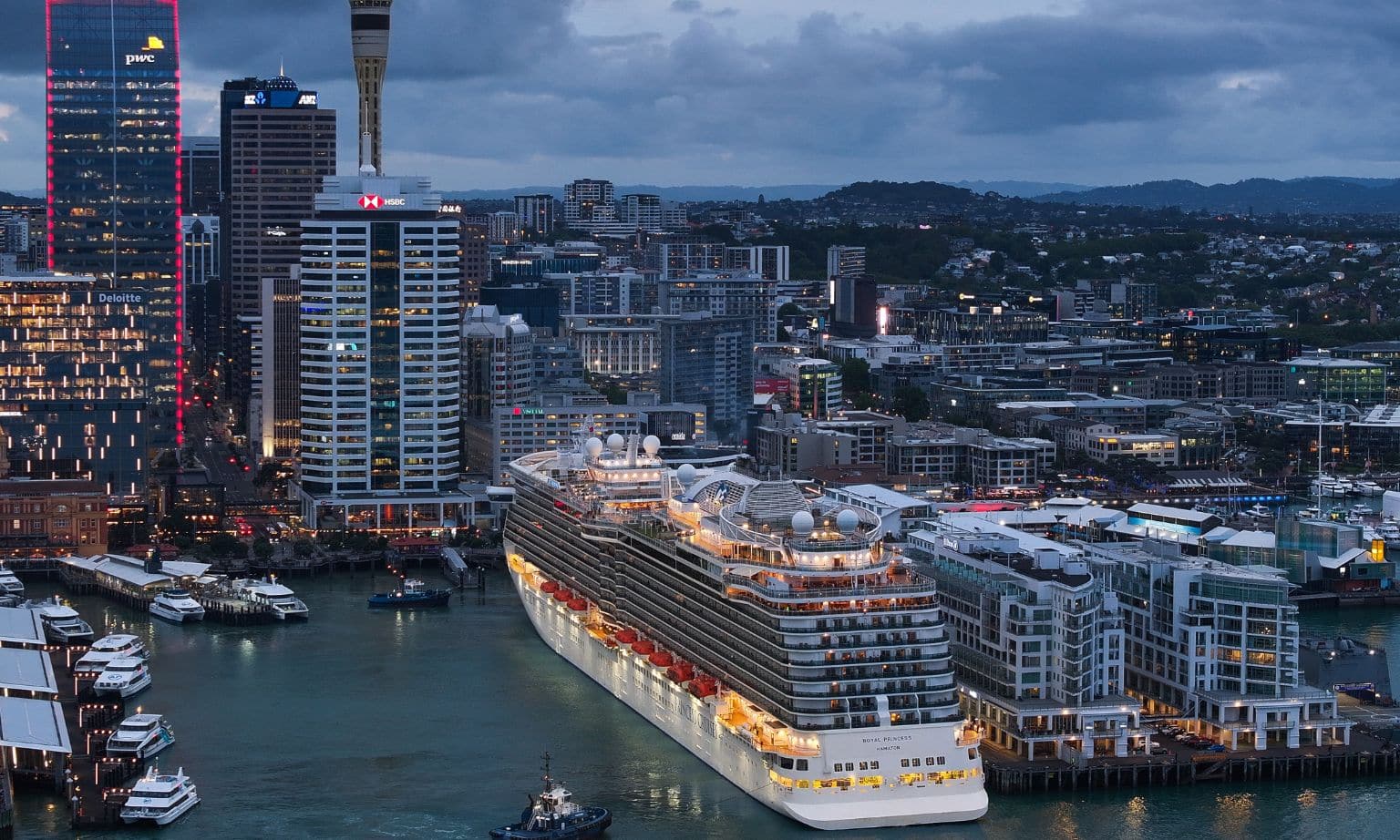
- Repositioning Voyages: Moving cruise ships from major global hubs like the United States or Europe to Australia requires extensive travel across vast oceanic distances. For example, repositioning a ship from Miami to Sydney is a significantly longer journey, and thus more fuel-intensive, than sailing to Mediterranean or Caribbean destinations.
- Itinerary Distances: Australian cruise itineraries themselves often involve greater distances between ports compared to other popular cruising regions. A typical voyage from Sydney to New Caledonia or Auckland can span over 1,000 nautical miles, necessitating substantial fuel consumption. In contrast, shorter itineraries from ports like Miami to The Bahamas or Los Angeles to Ensenada cover much smaller distances.
These factors mean that cruising in Australia inherently requires more fuel. As oil prices climb, the economic viability of Australian-based itineraries becomes more precarious for cruise lines. While cruise line deployments are typically planned years in advance, sustained periods of extremely high fuel costs could force operators to reconsider their commitment to the Australian market, potentially leading to reduced capacity or even withdrawal of services. This presents a significant concern for the Australian cruise industry, which is a substantial contributor to tourism revenue, with an estimated 1.3 million Australians cruising in 2024, and Carnival being a dominant player.
Navigating the Uncertainties: Advice for Consumers
In light of these developing circumstances, industry experts and publications are offering a consistent piece of advice: book now. For individuals planning a cruise within the next one to two years, securing a booking at the current prices is seen as the most prudent strategy. Locking in a fare provides a degree of insulation against future price increases, allowing passengers to enjoy their planned vacation with greater financial certainty.
Travel agents are also advising prospective cruisers to look for deals that require only a small initial deposit, making the booking process more accessible. Furthermore, securing comprehensive travel insurance at the earliest stage of booking is recommended to protect against unforeseen circumstances. For those planning international cruises, booking flights as soon as possible is also advised, given the interconnectedness of travel costs.
The current geopolitical climate and its impact on energy markets are creating a period of significant economic uncertainty across various sectors, including the travel industry. While cruise lines are employing various strategies to absorb costs, the sustained rise in oil prices and the inherent fuel demands of the Australian cruising market suggest that passengers should be prepared for potential price adjustments. Proactive booking remains the most effective way for consumers to mitigate these emerging risks and secure their future travel plans. The coming months will be crucial in determining the full extent of the impact on cruise fares and the strategic responses from both the industry and government stakeholders, particularly in vulnerable markets like Australia.



 Anjar Salim
 Dwi Wanna
 Budi Mulyono
 Lukman Taruna Persada Ramadan
 Gabriela Annisa