
 Chandra Hamzah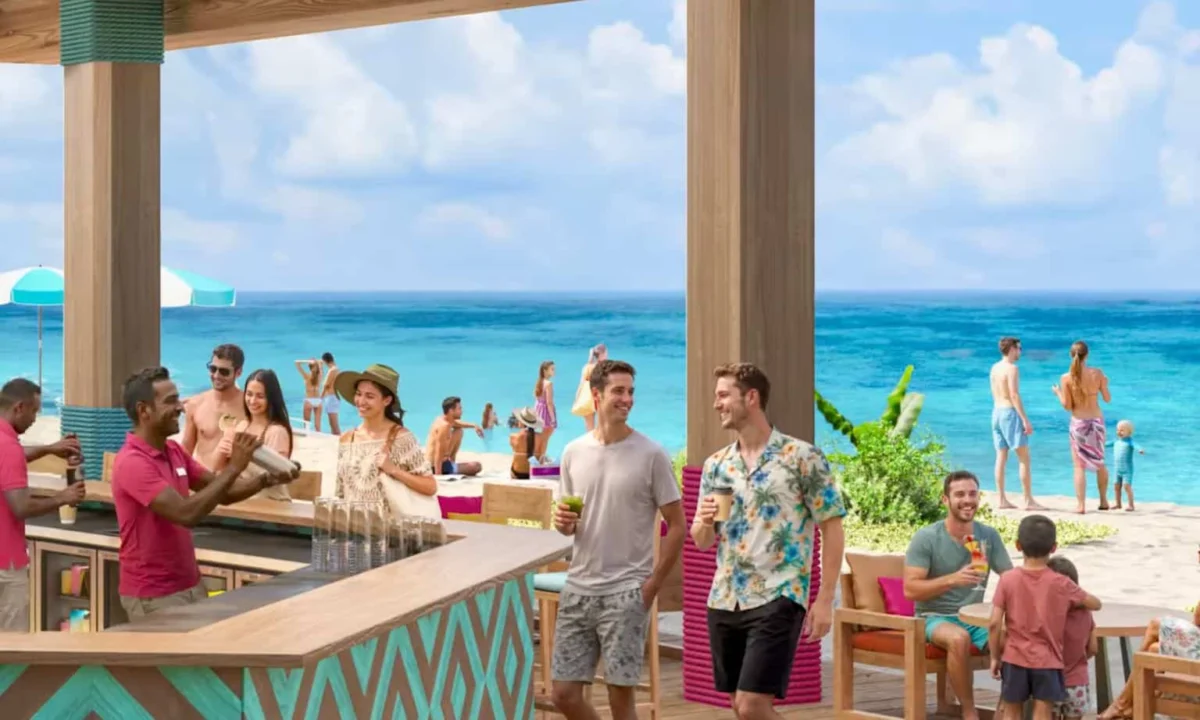
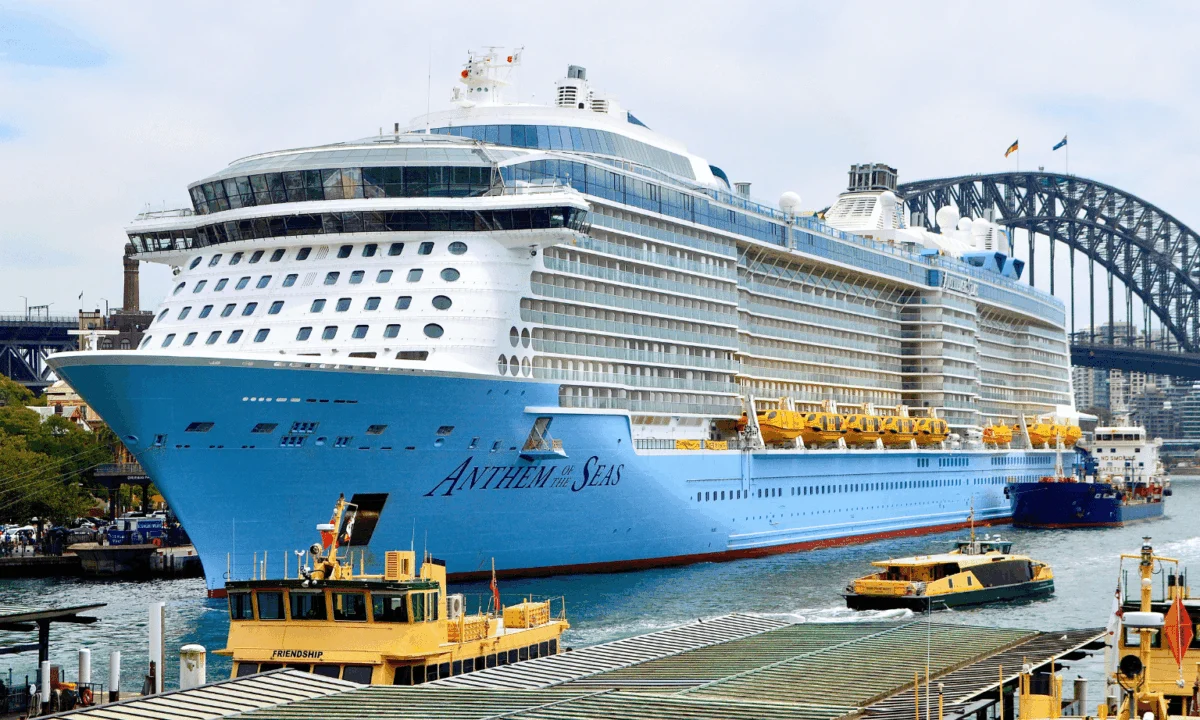
Royal Caribbean International has announced significant details regarding its upcoming private destination, Lelepa Island in Vanuatu, including the release of its inaugural itineraries that will feature the new locale. This strategic shift sees a substantial portion of Royal Caribbean’s South Pacific offerings now centered around Lelepa, while simultaneously reducing the availability of domestic Australian itineraries. The move, intended to enhance the cruise experience with an exclusive island getaway, has ignited a diverse range of reactions within the Australian cruising community, with seasoned passengers expressing both enthusiasm and significant reservations.
A New Era for South Pacific Cruising?
The unveiling of Lelepa Island marks a pivotal moment for Royal Caribbean’s operations in the region. The destination, situated in a picturesque corner of Vanuatu, is being developed to offer a curated experience for cruise passengers. Initial reports suggest a focus on pristine beaches, water activities, and a sense of exclusive escape. Royal Caribbean’s decision to integrate Lelepa so prominently into its itinerary planning indicates a long-term commitment to this private island concept, mirroring successful ventures in other global markets, such as Perfect Day at CocoCay in the Bahamas and Labadee in Haiti.
However, this strategic pivot away from a broader range of port calls has not been universally welcomed by Australian cruisers. Many long-time patrons of the cruise line, particularly those based in Australia, have voiced concerns that these new itineraries do not align with their established preferences for cruise vacations. The core of the dissatisfaction appears to stem from a perceived shift away from authentic cultural immersion and a desire for more varied and extensive domestic and regional exploration.
Reader Feedback: A Spectrum of Opinions
The "Your Say" section of Cruise Passenger highlights a recurring theme among its readership: a preference for experiences that offer genuine engagement with local communities and cultures. Charlotte Schut articulates this sentiment clearly, stating, "When I travel to another country its to experience their lifestyle and culture. I’m not interested in going to a Royal Caribbean-owned piece of land just to visit a private resort to sit by a pool and eat all day." She expresses a longing for itineraries that include destinations like Samoa, Tonga, Rarotonga (Cook Islands), or domestic voyages to Tasmania, Perth, or round-Australia trips from Brisbane, emphasizing a desire to "see the country and experience what it has to offer."
Lindsay Jane echoes this sentiment, criticizing the perceived lack of variety in the new offerings. "Royal have it wrong," she asserts. "People here want longer cruises with more variety and more ports. It’s not worth flying to Brisbane or Sydney for short cruises with only two port stops." This feedback suggests a disconnect between Royal Caribbean’s new strategic direction and the expectations of a significant segment of its Australian customer base, who value depth and breadth in their cruise experiences.
Concerns Over Weather and Destination Variety
Beyond the philosophical preference for cultural immersion, practical concerns have also been raised. The weather in the South Pacific can be unpredictable, particularly during certain seasons. Scott Leonard points out the potential vulnerability of Lelepa as a tender port, dependent on favorable weather conditions. "Lelepa (if it happens) will be another hit-and-miss tender stop, dependent on good weather that offers little more than beach chairs," he warns, expressing apprehension that this could negatively impact the Australian market for Royal Caribbean. Todd Alistar shares this concern, anticipating potential issues during the rainy season. "Let’s see what everyone thinks after December when it’s pouring rain," he muses, advocating for a greater focus on Australian domestic destinations such as Tasmania, Melbourne, Adelaide, or even routes like Brisbane to Sydney, or voyages to Norfolk Island.
The reduction in domestic itineraries is a particularly sore point for many. Greg Madden expresses his disappointment with the cruise options available from Brisbane, noting the absence of New Zealand or Tasmanian voyages, with only the "same old Pacific Islands" on offer. Rodney Ormsby concurs, stating his dissatisfaction with the lack of itineraries to Hobart or other southern ports.
The Appeal of Private Islands: A Mixed Reception
While some readers express outright rejection of the private island concept, others offer a more nuanced perspective. Lisa Willard, for instance, provides a positive outlook, having visited a neighboring island where Royal Caribbean has a presence. "It’s a beautiful-looking island! I went to Tranquillity Island, which is next door to it, yesterday. The Royal own part of it and the other end there is a small village of locals," she reports. Willard is hopeful that Lelepa could replace less desirable ports, suggesting, "Here’s hoping they drop Noumea as a port & substitute Lelepa as a leaked itinerary I saw suggested."
However, the experience at other private destinations has tempered enthusiasm for some. Sandy Beach, having visited Labadee, Royal Caribbean’s private destination in Haiti, expresses a lack of interest in Lelepa. "I find these cruise line-owned private destinations so boring, fake and overpriced," she states. "You get no feel for what the country you are visiting is really like, the locals are largely kept out & only a select few are let in." This sentiment highlights a concern that private islands can create a sterile, inauthentic experience, divorced from the true essence of the host country.
Family Appeal and Long-Term Sustainability
Another key consideration for families is the breadth of activities available at Lelepa. Victoria Tan expresses skepticism about the destination’s ability to cater to children, contrasting it with the extensive amenities offered at Royal Caribbean’s Perfect Day at CocoCay. "Terrible! I want to cruise to see places – there’s not enough to do on Lelepa to attract families like me with kids," she argues. "If it were CoCo Cay, then it would be a completely different story, slides, lazy river, etc. None of the old Royal boats assigned to Australia has a slide!" This points to a potential gap in the offering for families seeking high-energy, resort-style entertainment.
The long-term viability of Lelepa as a primary cruise destination has also been questioned. Matt Halloran raises concerns about sustainability and potential stagnation. He posits that while first-time visitors might be drawn to a new, shiny destination, repeat cruisers may find the limited offerings become repetitive. "Lelepa will turn out to be a massive mistake," he predicts. "Royal will benefit from first-timers who will love the opportunity to visit the brand new shiny destination, but what then? When do those people want to do a second cruise? Third cruise? Will they want to visit the same spot again and again because that’s all that’s being offered? It will become stale within a few years. I give it maybe 5 years at the most. After that, it will largely become unsustainable for Royal’s current strategy." This analysis suggests that a reliance on a single private island, without a robust and evolving suite of activities and experiences, could lead to declining passenger interest over time.
Royal Caribbean’s Strategic Vision
Royal Caribbean International’s investment in Lelepa Island is part of a broader industry trend towards developing private destinations. These locations offer cruise lines greater control over the passenger experience, ensuring a consistent brand standard and potentially higher revenue streams through onboard spending and exclusive activities. The success of similar ventures in the Caribbean has undoubtedly influenced this strategic decision.
The company’s rationale likely centers on creating a unique selling proposition that differentiates its South Pacific offerings. By providing an exclusive, resort-like environment, Royal Caribbean aims to attract a segment of the market that prioritizes relaxation, curated experiences, and a departure from the typical port-intensive cruise. The decision to reduce domestic itineraries may also reflect an assessment of market demand and profitability, with a focus shifting to regions where private islands can command higher per-passenger revenue.
Broader Implications for the Australian Cruise Market
The strong reactions from Australian cruisers underscore the importance of understanding and catering to regional preferences. The Australian market, while mature, is characterized by a discerning passenger base that often values destination diversity and authentic cultural encounters. The shift towards private islands, if not carefully balanced with other itinerary options, risks alienating a loyal customer segment.
For the broader Australian cruise industry, this development raises questions about the future of destination development and itinerary planning. While private islands offer an appealing model for some cruise lines, there remains a significant demand for cruises that explore the unique cultural and natural landscapes of Australia and its neighboring countries. The success of Lelepa Island will likely depend on Royal Caribbean’s ability to address the concerns raised by its passengers, perhaps by diversifying the activities offered on the island or by maintaining a balanced portfolio of itineraries that includes more traditional port calls and domestic voyages. The coming months, particularly after the initial sailings and the potential impact of seasonal weather, will provide further insights into how this ambitious new venture will resonate with the Australian cruising public.
We Value Your Comments and Enjoy Reading What You Have to Say About Our Stories. Please Keep Those Comments Coming on the Stories – and We’ll Pick Out the Best Each Week for This New Column.


 Anjar Salim
 Dwi Wanna
 Budi Mulyono
 Lukman Taruna Persada Ramadan
 Gabriela Annisa