
 Budi Mulyono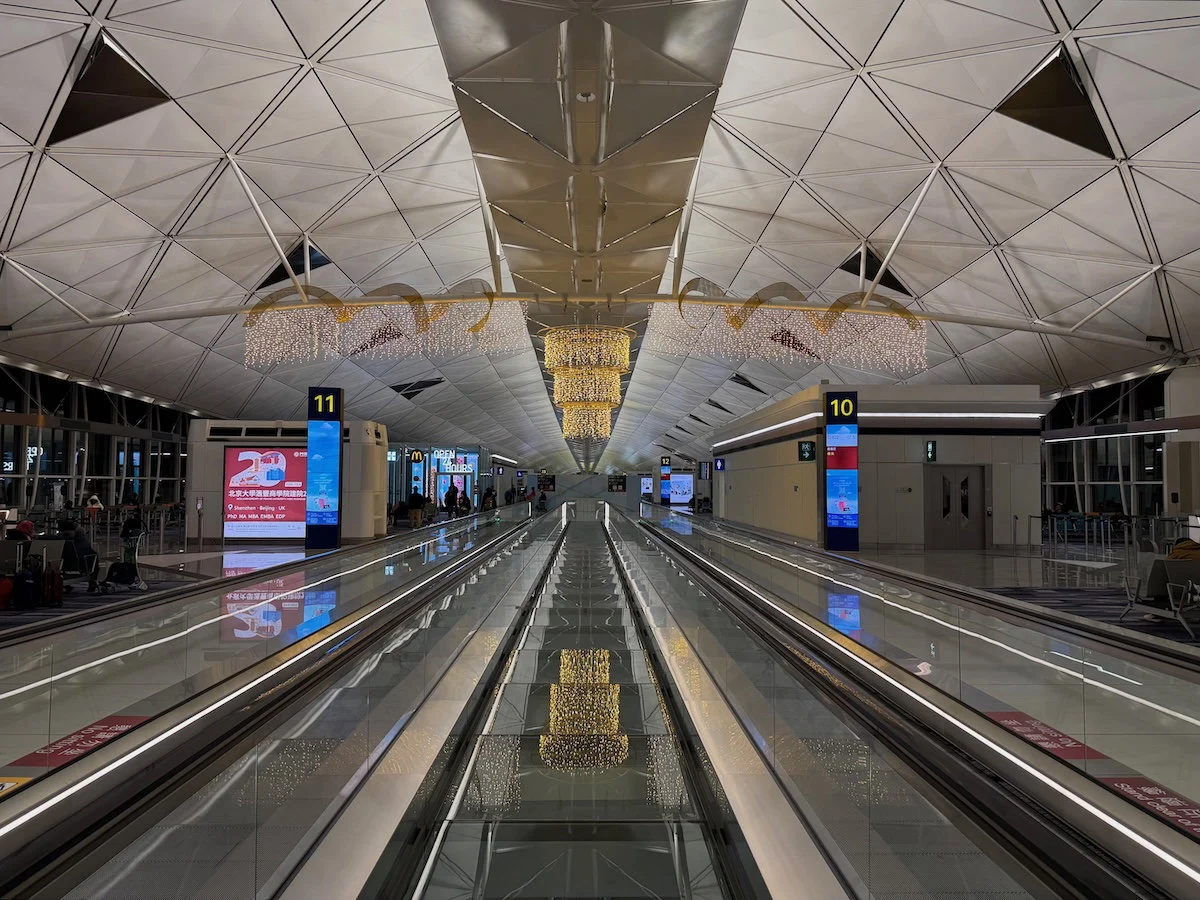
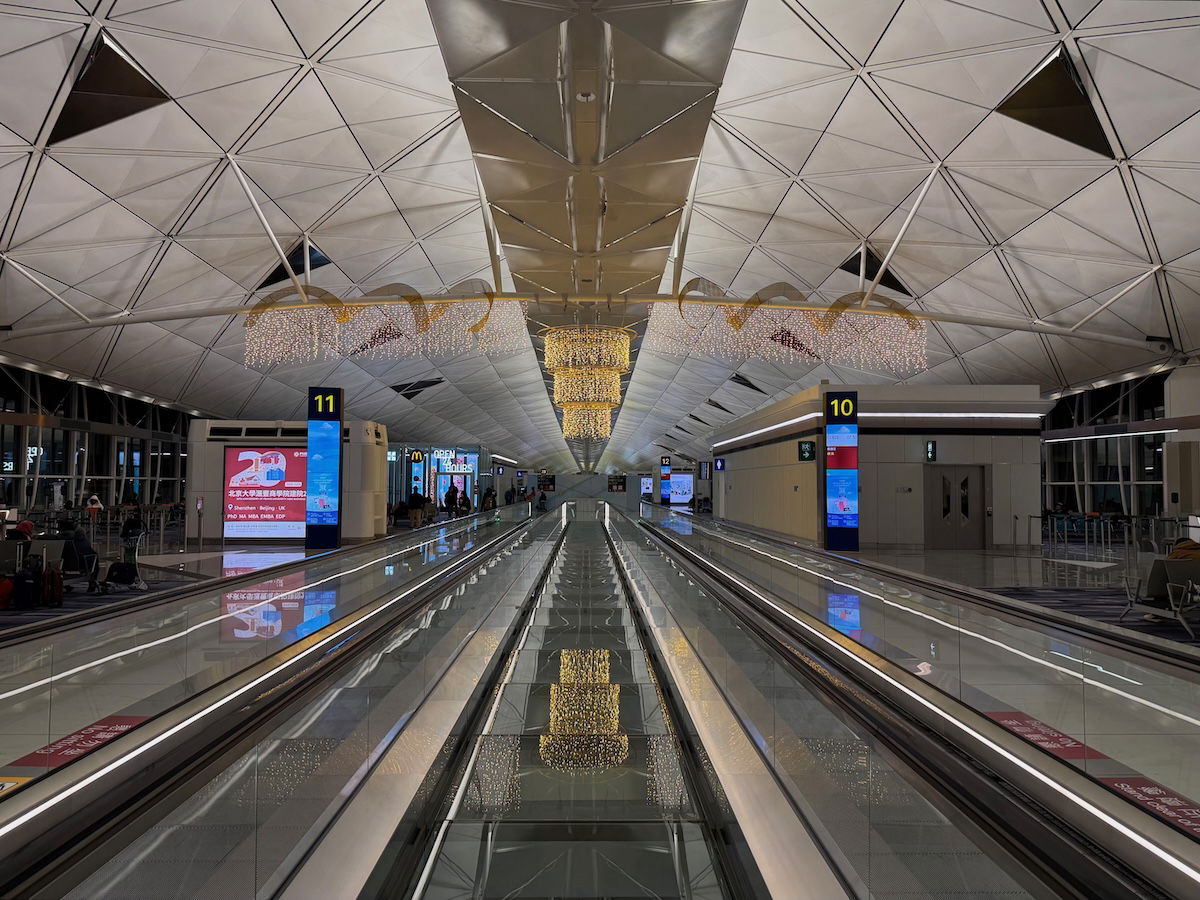
The United States Department of State has issued a formal security alert regarding significant legislative changes in the Hong Kong Special Administrative Region (SAR) that grant local law enforcement unprecedented powers to access personal electronic devices. Under the newly implemented provisions related to the Safeguarding National Security Ordinance, it is now a criminal offense for any individual within the jurisdiction of Hong Kong to refuse a police request for passwords, encryption keys, or decryption assistance for mobile phones, laptops, and other digital storage media. This legal mandate extends beyond residents and visitors clearing immigration; it applies explicitly to passengers in transit through Hong Kong International Airport (HKG), one of the world’s busiest aviation hubs.
The implementation of these measures marks a pivotal shift in the legal landscape of the territory, further aligning Hong Kong’s internal security protocols with the mainland Chinese framework. Legal experts and international observers note that the broad scope of the law allows the Hong Kong Police Force (HKPF) to seize and retain devices as evidence if they are suspected of being linked to national security offenses. The lack of clear definitions regarding what constitutes a national security risk has prompted the State Department to warn American citizens and international travelers that their digital privacy may be compromised without the standard judicial oversight found in many Western legal systems.
Historical Context and the Evolution of National Security Legislation
The trajectory of Hong Kong’s legal system has undergone a fundamental transformation since the widespread civil unrest of 2019. Following those events, the Central People’s Government in Beijing bypassed the local legislature to impose the National Security Law (NSL) in June 2020. The NSL targeted four primary categories of offenses: secession, subversion, terrorism, and collusion with foreign forces. While the 2020 law laid the groundwork for enhanced surveillance and enforcement, the more recent Article 23 legislation—formally known as the Safeguarding National Security Ordinance—was enacted by the Hong Kong Legislative Council in March 2024 to close what authorities described as "loopholes" in the original framework.
The latest updates regarding electronics searches are an extension of these legislative efforts. Historically, Hong Kong operated under a common law system that provided robust protections for privacy and property. However, the current administration in Hong Kong argues that the evolving nature of digital communication necessitates these powers to prevent foreign interference and domestic radicalization. The government maintains that these measures are consistent with international practices, though human rights organizations argue that the lack of an independent judiciary to check these specific police powers creates a high risk of arbitrary enforcement.
The Transit Passenger Provision: A Global Aviation Precedent
Perhaps the most significant aspect of the new regulations is their application to transit passengers. Traditionally, international law and custom treat passengers in the sterile transit zone of an airport as having a different legal status than those who formally enter a country. By extending search and seizure powers to those who are merely changing flights at Hong Kong International Airport, the SAR government has introduced a new layer of risk for international business travelers and tourists.
Hong Kong International Airport serves as the primary hub for Cathay Pacific and is a critical link for travel between Europe, North America, and Southeast Asia. In 2023, the airport handled millions of passengers, a significant portion of whom were transit travelers. Under the new law, a passenger flying from London to Sydney with a two-hour layover in Hong Kong could, in theory, be approached by authorities and compelled to unlock their smartphone. Failure to comply is no longer merely a matter of being denied entry or having a device confiscated; it is a prosecutable crime that could lead to detention and imprisonment within the Hong Kong penal system.
Comparative Legal Analysis: Hong Kong vs. the United States
The U.S. State Department’s warning has sparked a debate regarding the consistency of international border search policies. Critics of the warning point to the fact that United States Customs and Border Protection (CBP) also possesses the authority to search electronic devices at ports of entry without a warrant. However, legal analysts emphasize that there are fundamental differences between the U.S. "border search exception" and the new Hong Kong mandate.
In the United States, while CBP can request passwords and may detain a device for forensic analysis if a passenger refuses to cooperate, the act of refusing to provide a password is not, in itself, a standalone criminal offense that results in immediate prosecution and jail time for a traveler. For U.S. citizens, the Fifth Amendment provides certain protections against self-incrimination, and while the law at the border is complex, it generally results in the seizure of the hardware rather than the incarceration of the individual for the act of non-cooperation.
In contrast, the Hong Kong law codifies non-compliance as a specific criminal act. This removes the legal "gray area" that travelers often navigate in other jurisdictions. Furthermore, the criteria for a search in Hong Kong are tied to "national security," a term that has been interpreted broadly by Hong Kong courts to include social media posts, private messages, and historical data that may be deemed "seditious" or harmful to the interests of the state.

Official Responses and Diplomatic Implications
The international community has reacted with concern to the tightening of digital controls in Hong Kong. The U.S. Consulate in Hong Kong issued a security alert stating, "The Hong Kong government has increased the use of laws to target individuals for actions taken outside of Hong Kong, and travelers should be aware that their digital footprint could be used against them." The alert suggests that individuals who have previously engaged in political activism or have expressed views critical of the Chinese or Hong Kong governments should exercise extreme caution.
The Hong Kong SAR government has dismissed these warnings as "alarmist" and "politically motivated." In official statements, a spokesperson for the Security Bureau emphasized that the law is intended to protect the safety of the seven million residents of Hong Kong and that law enforcement officers act according to strict procedural guidelines. The government asserts that "normal travelers" have nothing to fear and that the powers will only be exercised when there is "reasonable suspicion" of a national security threat.
However, the definition of "reasonable suspicion" remains opaque. Since the implementation of the NSL in 2020, the conviction rate for national security cases in Hong Kong has been 100%, and many trials are conducted without a jury. This high success rate for the prosecution has led international legal bodies, including the United Nations Human Rights Committee, to express concern over the erosion of the rule of law and the right to a fair trial in the territory.
Broader Impact on Business and Professional Travel
The implications of the new electronics search law extend deep into the corporate world. Hong Kong has long been a global financial center, home to thousands of international firms and legal practices. The ability of authorities to demand access to encrypted data poses a significant challenge to attorney-client privilege and corporate confidentiality.
Many multinational corporations have already begun revising their travel policies for employees visiting or transiting through Hong Kong. Some of the measures being adopted include:

- Burner Devices: Requiring employees to travel with "clean" laptops and mobile phones that contain no sensitive corporate data or personal information.
- Cloud-Only Access: Prohibiting the local storage of data on devices, requiring all work to be conducted via secure, remote servers that can be wiped instantly.
- Alternative Hubs: Rerouting transit travel through other regional hubs such as Singapore Changi Airport (SIN), Tokyo Narita (NRT), or Seoul Incheon (ICN) to avoid the risk of digital searches.
The tech sector, in particular, faces a dilemma. As data privacy becomes a cornerstone of consumer trust, the requirement to provide decryption assistance to authorities could put tech workers in a position where they are forced to violate their company’s security protocols or face legal action in Hong Kong.
Conclusion and Future Outlook
The update to Hong Kong’s National Security Law regarding electronic device searches represents a significant milestone in the territory’s integration into the security apparatus of mainland China. By criminalizing the refusal to provide digital access, even for those merely passing through the airport, Hong Kong has established one of the most stringent digital border policies in the world.
As international travel continues to recover and Hong Kong seeks to reclaim its status as a premier global destination, the tension between security mandates and the expectations of personal privacy will remain a critical issue. Travelers and businesses must now weigh the logistical convenience of Hong Kong as a transit point against the potential legal risks associated with their digital data. With the U.S. State Department and other foreign governments maintaining high levels of travel advisory alerts, the long-term impact on Hong Kong’s reputation as an open, international city remains to be seen. For the immediate future, the message to travelers is clear: your digital devices are no longer private once you enter Hong Kong’s airspace.




 Chandra Hamzah
 Gabriela Annisa
 Tatiana Tantri Indah Sari
 Anjar Salim