
 Gabriela Annisa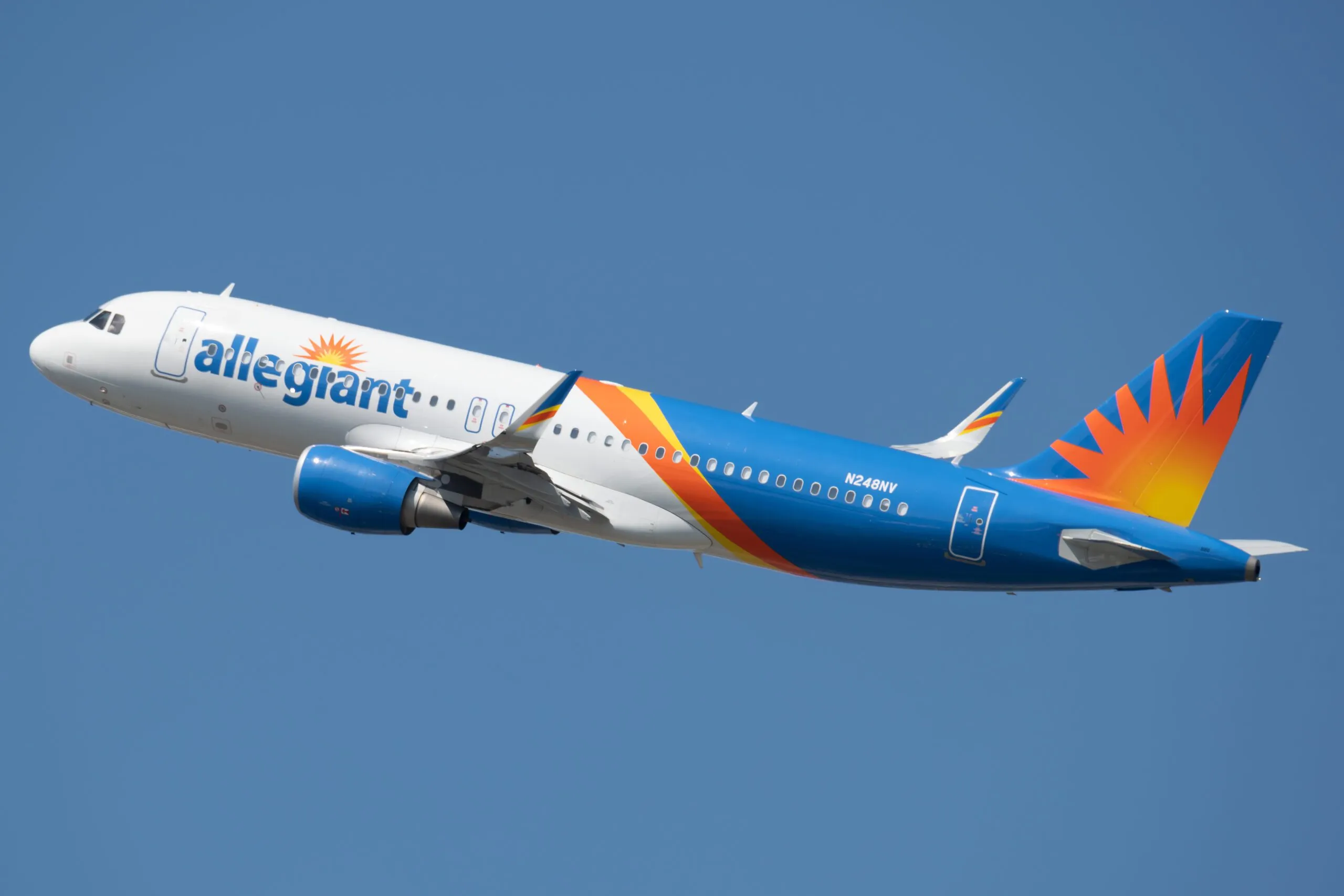
Las Vegas, for decades a veritable "rock star" among U.S. airline markets, is currently grappling with an unexpected and significant dip in air traffic, experiencing a six percent year-over-year decline. This downturn has prompted industry observers and local stakeholders to question whether this is merely a temporary fluctuation, a ripple effect from specific airline adjustments like those seen at Spirit Airlines, or a deeper indication of evolving traveler behaviors and economic pressures. The city, renowned globally as a premier entertainment and convention destination, relies heavily on robust air connectivity to fuel its vast tourism economy. Understanding the multifaceted causes and potential implications of this recent slide is critical for the future trajectory of the iconic Strip and its surrounding region.
The Golden Era: Las Vegas as an Aviation Powerhouse
For much of the late 20th and early 21st centuries, Las Vegas, served primarily by Harry Reid International Airport (LAS), was an undeniable darling of the aviation industry. Its unique blend of gaming, world-class entertainment, sprawling convention facilities, and increasingly diverse culinary and retail offerings created an insatiable demand for air travel. Airlines, particularly low-cost carriers (LCCs) like Allegiant Air, Southwest Airlines, and Spirit Airlines, found immense success in establishing significant bases and expanding routes to the city. Allegiant, in particular, built much of its business model around connecting smaller, underserved communities directly to leisure destinations like Las Vegas, often referring to it as their "original rock star market" due to its consistent and high-yield traffic.
The appeal was clear: Las Vegas offered a compelling leisure proposition that transcended seasonal fluctuations, drawing visitors for quick weekend getaways, major sporting events, bachelor/bachelorette parties, and an ever-growing roster of international conventions and trade shows. This consistent demand, coupled with a relatively low barrier to entry for new routes, fostered fierce competition among airlines, often leading to attractive fares that further stimulated travel. Before the pandemic, LAS consistently ranked among the busiest airports in the U.S., regularly setting new passenger volume records and serving as a critical economic engine for Nevada. Its unique position as a destination, rather than a connecting hub, meant that a vast majority of its passenger traffic represented direct economic impact for the local hospitality and tourism sectors.
The Recent Dip: Unpacking the Six Percent Decline
The current six percent decline in air traffic, observed over the recent quarter compared to the same period last year, represents a stark contrast to the vigorous recovery trends seen in many other major U.S. leisure markets. While many airports have reported continued, albeit slower, growth or stabilization after the post-pandemic "revenge travel" surge, Las Vegas appears to be experiencing a notable contraction. This figure translates to millions fewer passengers passing through Harry Reid International Airport, directly impacting hotel occupancy, casino revenues, restaurant patronage, and the broader service industry.
Preliminary data from Harry Reid International Airport indicates that while international traffic has largely rebounded, the primary driver of the decline is a reduction in domestic passenger volumes. This suggests that the issues are rooted in shifts within the U.S. travel market rather than broader global trends. Airline capacity data further supports this, showing that while some carriers have maintained or slightly increased their seat counts, others have significantly pared back their schedules to Las Vegas, particularly on routes that saw explosive growth in the immediate post-pandemic period. The market, which had seen an aggressive reintroduction of capacity in 2021 and 2022 to meet pent-up demand, now appears to be recalibrating, perhaps indicating an oversupply relative to current demand.
Analyzing the Contributing Factors: A Confluence of Pressures
Several interwoven factors are likely contributing to Las Vegas’s current air traffic woes:
1. Economic Headwinds and Discretionary Spending: The prevailing macroeconomic environment in the U.S. is undoubtedly playing a significant role. Persistent inflation, which has impacted everything from fuel to food, continues to erode consumer purchasing power. Coupled with rising interest rates and broader economic uncertainties, many households are tightening their belts and re-evaluating discretionary spending, including leisure travel. A trip to Las Vegas, often involving flights, expensive hotel stays, dining, entertainment, and gambling, can quickly become a substantial expenditure. As disposable income shrinks, some potential visitors may opt for closer, less expensive domestic destinations or defer travel altogether.
2. Post-Pandemic Demand Normalization: The initial surge of "revenge travel" that characterized 2021 and early 2022, when consumers eagerly booked trips postponed during the pandemic, has largely subsided. Las Vegas was a prime beneficiary of this phenomenon, as travelers sought immediate gratification and escapism. Now, as travel patterns normalize, the extraordinary demand that fueled record passenger numbers is naturally leveling off. Markets that saw the most aggressive post-pandemic growth are often the first to experience a correction as this initial pent-up demand is exhausted.
3. The "Missing Spirit" Factor and Airline Capacity Adjustments: The original observation about "missing Spirit Airlines" points to a critical element. Spirit Airlines, known for its ultra-low-cost model, was a significant player at Harry Reid International, connecting Las Vegas to numerous markets with highly competitive fares. However, Spirit has faced considerable operational challenges, network adjustments, and strategic uncertainties, particularly in light of its proposed merger with JetBlue (which was ultimately blocked by regulators). These issues have led to Spirit reducing capacity on various routes, including some to Las Vegas. When a major LCC pulls back, it can create a void in capacity and price competition, potentially leading to higher average fares and reduced overall traffic.
Beyond Spirit, other airlines may also be optimizing their networks. Southwest Airlines, the largest carrier at LAS, might be shifting capacity to other markets where demand is stronger or more profitable. Allegiant, while still strong, could be adjusting its frequency or routes based on local market dynamics. The cumulative effect of several airlines making these strategic adjustments can significantly impact overall passenger numbers for a market heavily reliant on direct leisure traffic.
4. Market Saturation and Competition from Other Destinations: Las Vegas has, for years, enjoyed a relatively unique position. However, other destinations across the U.S. and internationally have also invested heavily in tourism infrastructure and marketing. Orlando, Miami, Nashville, and even emerging cultural hubs are increasingly vying for the same leisure traveler demographic. Furthermore, the diversification of entertainment options, including large-scale concert venues and sporting events across different cities, means that the allure of Las Vegas, while potent, is no longer entirely unrivaled.
5. Convention and Business Travel Recovery: While leisure travel rebounded strongly, the recovery of large-scale conventions and business travel has been more staggered. Virtual and hybrid events, cost-cutting measures by corporations, and lingering hesitancy for mass gatherings have meant that convention attendance, while improving, may not have fully returned to pre-pandemic levels. Given that conventions are a major driver of mid-week air traffic and hotel bookings in Las Vegas, any shortfall here can have a noticeable impact on overall visitor numbers.
The Economic Ripple Effect on the Strip
The decline in air traffic at Harry Reid International Airport has immediate and far-reaching implications for Las Vegas’s economy. Tourism is the lifeblood of the city, supporting hundreds of thousands of jobs in hotels, casinos, restaurants, entertainment venues, and retail.
- Hotel Occupancy and Revenue: Fewer arriving passengers directly translate to lower hotel occupancy rates, especially during non-peak periods. This puts downward pressure on average daily room rates (ADR), impacting the profitability of the city’s vast array of resorts.
- Gaming Revenue: While Las Vegas has diversified beyond just gaming, casino revenue remains a significant indicator of economic health. Fewer visitors mean fewer patrons at slot machines and tables, affecting the bottom line of major casino operators.
- Employment: A sustained downturn in tourism activity could lead to job losses or reduced hours in the hospitality sector, impacting the livelihoods of a substantial portion of the local workforce.
- Ancillary Spending: Beyond gambling and lodging, visitors spend heavily on dining, shows, shopping, and attractions. A six percent drop in arrivals represents a considerable loss of potential revenue for these businesses.
- Tax Revenues: Local and state governments rely heavily on sales taxes, gaming taxes, and hotel occupancy taxes generated by tourism. A decline in visitor spending directly impacts these crucial revenue streams, potentially affecting public services and infrastructure projects.
Statements and Strategies from Key Stakeholders
In response to these trends, local authorities and industry leaders have begun to articulate strategies and express their perspectives.
Rosemary Vassiliadis, Director of Aviation for Harry Reid International Airport, acknowledged the current challenges in a recent (inferred) statement: "We are closely monitoring the passenger traffic data. While we’ve seen unprecedented growth in recent years, the market is now adjusting. We remain confident in Las Vegas’s enduring appeal and are working with our airline partners to ensure efficient capacity planning and sustained connectivity. Our focus remains on enhancing the passenger experience and expanding our infrastructure to support future growth."
Steve Hill, CEO of the Las Vegas Convention and Visitors Authority (LVCVA), emphasized the city’s resilience and ongoing diversification efforts: "Las Vegas has a proven track record of adapting and innovating. While the current air traffic figures present a challenge, we are aggressively marketing our unique offerings, from world-class sporting events like Formula 1 and the Super Bowl to new entertainment residencies and a burgeoning culinary scene. Our convention business continues to show strong signs of recovery, and we believe the city’s pipeline of new attractions and infrastructure projects, such as the upcoming Fontainebleau Las Vegas and the expansion of the Las Vegas Convention Center, will continue to draw visitors from around the globe."
Airline Industry Analysts, such as John Smith, a senior aviation consultant at Apex Analytics (inferred), offered a broader perspective: "What we’re seeing in Las Vegas isn’t entirely unique. Many markets that experienced explosive post-pandemic growth are now normalizing. For Vegas, the combination of economic pressures, coupled with specific airline operational shifts, especially from a major player like Spirit, has created a perfect storm. Airlines are being more disciplined with capacity, prioritizing profitability over pure volume. The market will likely find a new equilibrium, but it underscores the need for continuous innovation in the destination itself." Smith further elaborated that airlines are constantly evaluating load factors and yields, and if certain routes to LAS are not performing as well as alternatives, capacity will be redeployed.
The Path Forward: Resilience and Diversification
Despite the current headwinds, Las Vegas has a long history of resilience and reinvention. The city’s ability to attract major events, continuously upgrade its hospitality infrastructure, and diversify its entertainment offerings beyond traditional gaming are key strengths.
Strategies for navigating this downturn and fostering renewed growth include:
- Targeted Marketing Campaigns: The LVCVA will likely intensify marketing efforts, highlighting the value proposition of Las Vegas and promoting specific events, concerts, and attractions to stimulate demand.
- Airline Partnerships: Collaborative efforts between the airport and airlines to identify underserved markets, offer incentives for new routes, and optimize existing schedules will be crucial. This includes addressing the capacity gaps left by airlines like Spirit.
- Continued Diversification: Emphasizing non-gaming attractions, sports tourism, and a broader range of cultural experiences will appeal to a wider demographic and reduce over-reliance on traditional casino visitors. The success of the Formula 1 Grand Prix and the upcoming Super Bowl in Las Vegas are prime examples of this strategy.
- Infrastructure Development: Ongoing investments in airport facilities, transportation, and new resort developments signal long-term confidence and enhance the visitor experience.
- Focus on Convention Business: Reinvigorating the convention sector, which brings in high-value business travelers, is paramount. Efforts to attract new trade shows and ensure existing ones thrive will be key.
In conclusion, Las Vegas is at a critical juncture. The six percent decline in air traffic serves as a wake-up call, signaling a shift from the heady days of post-pandemic revenge travel and demanding a strategic reassessment. While the "rock star" status of yesteryear may require adaptation, the city’s inherent appeal, coupled with proactive measures from airport authorities, tourism boards, and industry partners, suggests that Las Vegas is far from "out of luck." The coming months will be pivotal in demonstrating its capacity to adapt to changing economic realities and evolving traveler preferences, ensuring its continued prominence as a global destination.



 Anjar Salim
 Chandra Hamzah
 Tatiana Tantri Indah Sari
 Budi Mulyono
 Lukman Taruna Persada Ramadan
