
 Hendra Ismail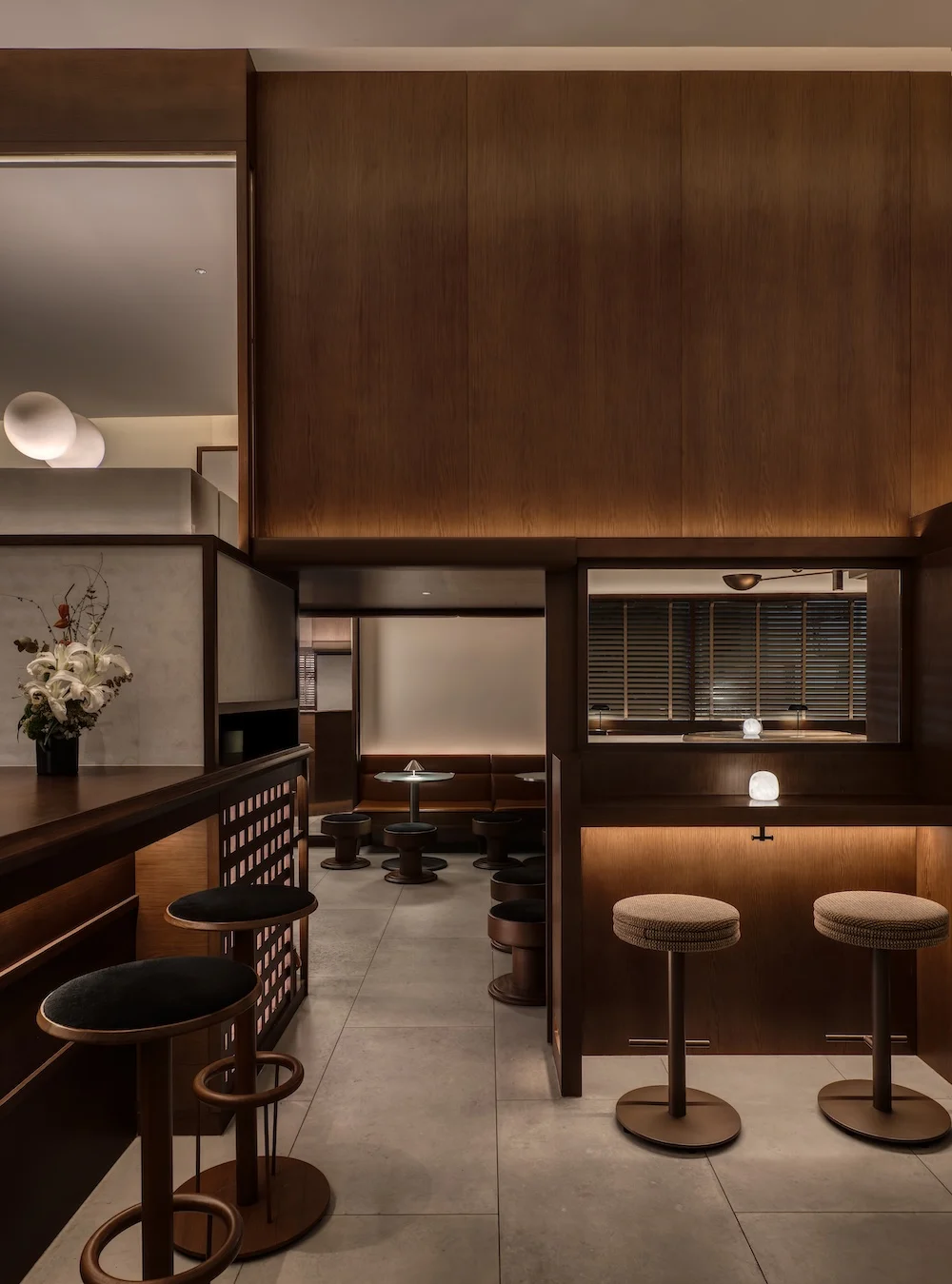
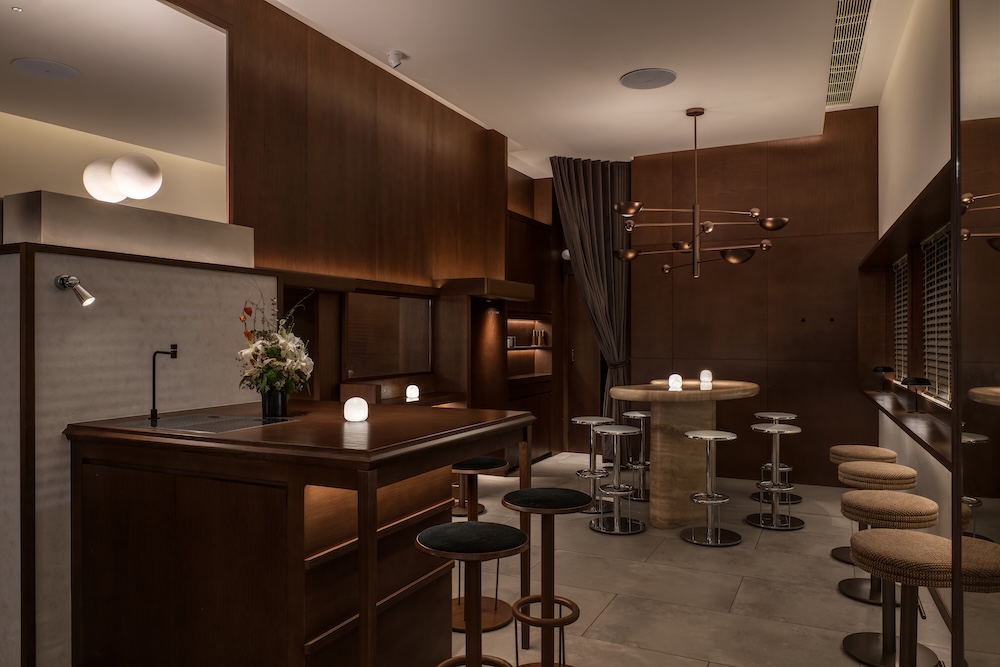
Nestled within the vibrant and pulsating heart of Hong Kong’s energetic Soho district, a new cocktail destination named MIUS has emerged, transforming a former home appliance retail space into an intimate retreat designed to offer respite from the city’s relentless pace. Spearheaded by the acclaimed mixologist Shelley Tai, MIUS is not merely a bar but a meticulously crafted experience, orchestrated by locally based design firm Minus Workshop, led by principal Kevin Yiu. The design philosophy centers on a delicate balance of atmospheric lighting, thoughtful sculptural architectural interventions, and a restrained material palette, collectively creating a sanctuary deliberately removed from the intensity of the surrounding urban streetscape. This strategic approach aims to cultivate a distinct environment that prioritizes the guest experience, setting MIUS apart in Hong Kong’s competitive bar scene.
The genesis of MIUS can be traced back to a shared vision between Shelley Tai and Minus Workshop to create a space that prioritized tranquility and sophisticated design, a stark contrast to the often overwhelming sensory input of Soho. Tai, renowned for her innovative cocktail creations, sought a venue that would complement her artistry, providing an ambiance conducive to savoring finely crafted drinks. Yiu, in turn, recognized the potential within the existing retail shell to sculpt an environment that offered an escape. "Vibe is everything for a bar," Yiu states, articulating the core tenet of the design. "So we first blocked external light pollution with blackout glazing on street-facing windows, sealing Soho’s neon while admitting soft daylight." This initial step was crucial in establishing the bar’s unique character. The implementation of high ceilings, combined with a curated leather blind system, allows the space to adapt dynamically throughout the day. This flexibility enables a seamless transition from the softly illuminated, relaxed atmosphere of afternoon gatherings to the layered, moodier ambiance that defines the nighttime experience, a testament to the design’s responsiveness to varying temporal needs and guest preferences.
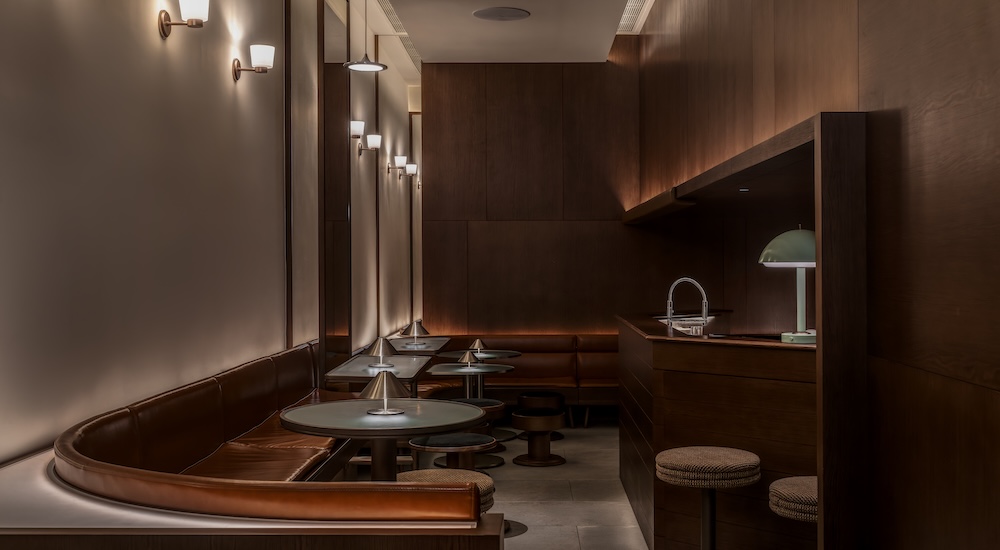
Within the interior, a semi-private corner is thoughtfully anchored by a striking floating chandelier. This artistic centerpiece, resembling luminous orbs drifting overhead, casts a gentle pool of light, intentionally encouraging guests to linger and immerse themselves in the refined surroundings. This element, alongside the controlled lighting, contributes to an intimate and exclusive feel, fostering a sense of personal discovery and connection with the space and its offerings.
Midcentury Modern Restraint: A Counterpoint to Soho’s Neon
In a deliberate departure from the neon-heavy visual language that often characterizes Soho nightlife, MIUS embraces a quieter, more sophisticated midcentury modern sensibility. This aesthetic choice is evident in the selection of materials and finishes. Warm, rusty oak surfaces are artfully paired with brass detailing and subtle silver metallic accents. These elements are strategically placed to catch and reflect ambient light, contributing to a composed and elegant material palette. The intention is to subtly direct the patrons’ attention, allowing the artistry of the cocktail program to take center stage without being overshadowed by ostentatious decor. This restrained approach fosters an environment of understated luxury, where the quality of the experience is paramount.
Several of the site’s inherent architectural constraints were not seen as impediments but rather as opportunities to define unique design moments. The most notable of these was an unusually low structural beam that bisects the central area of the space. Instead of attempting to conceal it, Minus Workshop ingeniously recast this beam as a sculptural focal point. Clad in the same warm oak as other interior elements, the beam now functions as a portal-like spine. It gracefully guides circulation throughout the bar, visually frames distinct lounge zones, and provides a clear organizational structure to the otherwise compact interior. This intervention is a prime example of how functional necessities can be integrated seamlessly into the aesthetic narrative of a space, enhancing both its form and its utility.

Beyond its aesthetic contribution, this structural intervention serves a crucial practical function. It discreetly conceals essential electrical and mechanical systems, integrating them within custom oak joinery. Crucially, this integration does not compromise accessibility, ensuring that maintenance can be performed behind the scenes without disrupting the guest experience. This thoughtful consideration of long-term operational needs underscores the project’s holistic design approach.
Spatial Design Engineered for Flow and Immersion
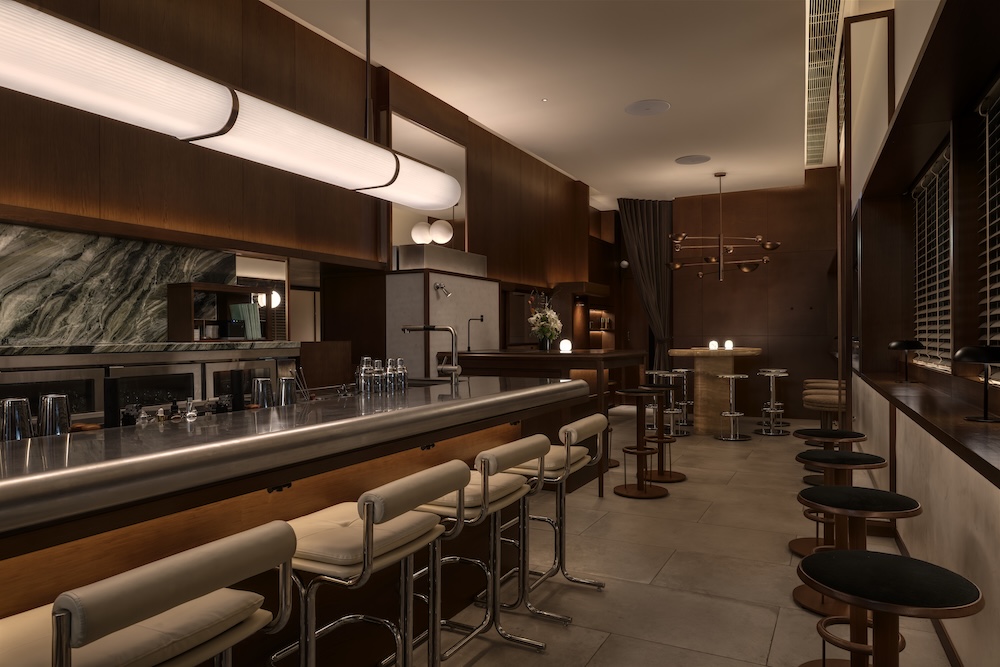
Despite its compact footprint, Minus Workshop has masterfully crafted a spatial experience that feels remarkably expansive. This sense of openness is achieved through the judicious use of reflective finishes, strategically placed voids, and a carefully choreographed circulation path. Upon entry, guests are immediately drawn towards a dramatic, 14-foot-long monolithic island counter. This substantial piece serves as the room’s anchor, commanding attention and establishing a clear focal point. Its imposing yet elegant presence sets the tone for the entire establishment.
Flanking the central bar area are communal high tables, each meticulously crafted from thick slabs of travertine marble. The inclusion of this tactile, grounded material introduces a sense of organic warmth and texture, providing a counterpoint to the cleaner, more refined architectural lines of the bar itself. This juxtaposition of materials adds depth and visual interest, contributing to the overall sensory richness of the environment.
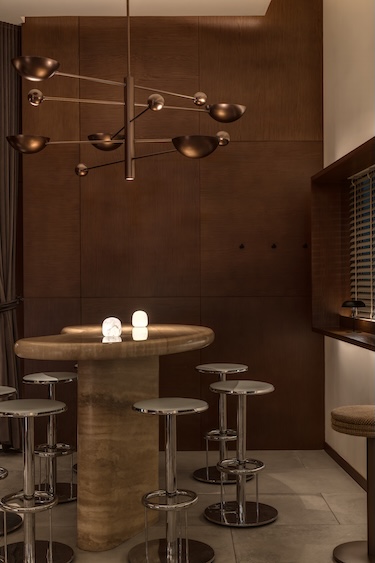
To optimize efficiency and enhance the guest experience during peak hours, the cocktail program is distributed across four distinct counters. This strategic layout allows bartenders to operate with fluidity and precision, ensuring swift service while maintaining a seamless and enjoyable interaction for patrons. The thoughtful arrangement minimizes congestion and allows for multiple service points, reflecting a deep understanding of the operational demands of a high-caliber bar.
The design narrative at MIUS extends beyond mere aesthetics to encompass a comprehensive understanding of the patron journey. The transition from the bustling streets of Soho into the serene interior is deliberately designed to be palpable. This is achieved not only through the visual and material choices but also through the subtle manipulation of acoustics and lighting. The sound dampening qualities of the chosen materials, combined with the carefully calibrated lighting levels, create an auditory and visual cocoon that shields patrons from the urban clamor.
The integration of bespoke furniture pieces further enhances the feeling of bespoke luxury. Each element, from the seating arrangements to the bar stools, has been selected or designed to complement the overarching midcentury modern theme and to provide optimal comfort for guests. The tactile qualities of the upholstery, the smooth finish of the wood, and the gleam of the brass accents all contribute to a rich sensory experience that invites prolonged enjoyment.
A Chronology of Design and Conception
The conceptualization and execution of MIUS likely spanned a considerable period, beginning with the initial vision and site acquisition. The process would have involved extensive architectural planning, material sourcing, and construction phases. While specific dates are not publicly available, the transformation of a former retail space into such a refined establishment suggests a timeline likely encompassing several months to over a year.
- Phase 1: Vision and Site Selection: Shelley Tai identifies the need for a sophisticated cocktail bar in Soho that offers a unique atmosphere. The former home appliance retail space is identified and secured.
- Phase 2: Design Development: Minus Workshop is engaged, and the design team, led by Kevin Yiu, begins conceptualizing the space. Initial mood boards, floor plans, and 3D renderings are developed, focusing on the core principles of atmospheric lighting, midcentury modern aesthetics, and creating a sanctuary.
- Phase 3: Architectural Intervention: Structural assessments are conducted. The decision is made to incorporate the low beam as a design feature, and plans for blackout glazing and the blind system are finalized.
- Phase 4: Material Sourcing and Fabrication: Careful selection of materials like warm oak, brass, silver accents, and travertine marble takes place. Bespoke furniture and joinery are commissioned and fabricated.
- Phase 5: Construction and Installation: The retail space undergoes significant renovation. Blackout glazing is installed, the structural beam is clad and integrated, lighting fixtures are positioned, and all custom elements are fitted.
- Phase 6: Interior Styling and Finishing Touches: The space is furnished, and final decorative elements are added, including the floating chandelier and any soft furnishings.
- Phase 7: Operational Setup and Staff Training: The bar’s service areas are equipped, and the cocktail program is finalized and tested. Staff are trained on both mixology and the desired guest experience.
- Phase 8: Grand Opening: MIUS officially opens its doors to the public, introducing its unique blend of sophisticated cocktails and serene ambiance to Hong Kong’s nightlife scene.
Supporting Data and Industry Context
Hong Kong’s bar scene is notoriously dynamic, with a constant influx of new establishments vying for attention. The luxury cocktail bar segment, in particular, demands not only exceptional beverages but also an immersive and memorable environment. Data from market research firms like Statista indicate a steady growth in the global alcoholic beverage market, with a significant portion attributed to premium spirits and sophisticated on-premise consumption. This trend suggests a receptive audience for establishments like MIUS that focus on quality, design, and experience.
The Soho district itself is a prime example of Hong Kong’s urban evolution. Historically known for its eclectic mix of art galleries, independent boutiques, and increasingly, upscale dining and drinking establishments, it represents a demographic that values curated experiences. The presence of MIUS in this locale aligns with the broader trend of urban regeneration and the creation of niche, high-end entertainment venues within historically significant or culturally rich neighborhoods. The success of such venues often hinges on their ability to offer a distinct narrative and an escape from the everyday, a challenge that MIUS appears to have met with its design-led approach.
Inferred Reactions and Broader Implications
While official statements from related parties beyond Minus Workshop are not provided, it is reasonable to infer that Shelley Tai is highly satisfied with the realization of her vision. The design by Minus Workshop directly supports her aim to elevate the cocktail experience by providing a complementary and sophisticated backdrop. Industry insiders and patrons alike are likely to respond positively to the novel approach of transforming a utilitarian retail space into an intimate, design-forward sanctuary.
The success of MIUS could have several implications for Hong Kong’s hospitality sector. It reinforces the growing importance of interior design and ambiance as key differentiators in a competitive market. The project serves as a case study for how seemingly challenging architectural constraints can be creatively overcome to enhance a space’s unique character. Furthermore, MIUS’s embrace of a restrained, midcentury modern aesthetic offers a refreshing alternative to more overt or trend-driven design approaches, potentially inspiring other venues to explore subtler yet equally impactful design strategies. The bar’s ability to seamlessly transition from day to night also highlights the evolving nature of urban social spaces, catering to a clientele that seeks diverse experiences within a single venue. The focus on creating a distinct "vibe" as a core design element is a powerful reminder that for many, the experience of consuming a cocktail is as much about the environment as it is about the drink itself.

 Chandra Hamzah
 Gabriela Annisa
 Tatiana Tantri Indah Sari
 Walid Sujud Trenggono
 Budi Mulyono