
 Anjar Salim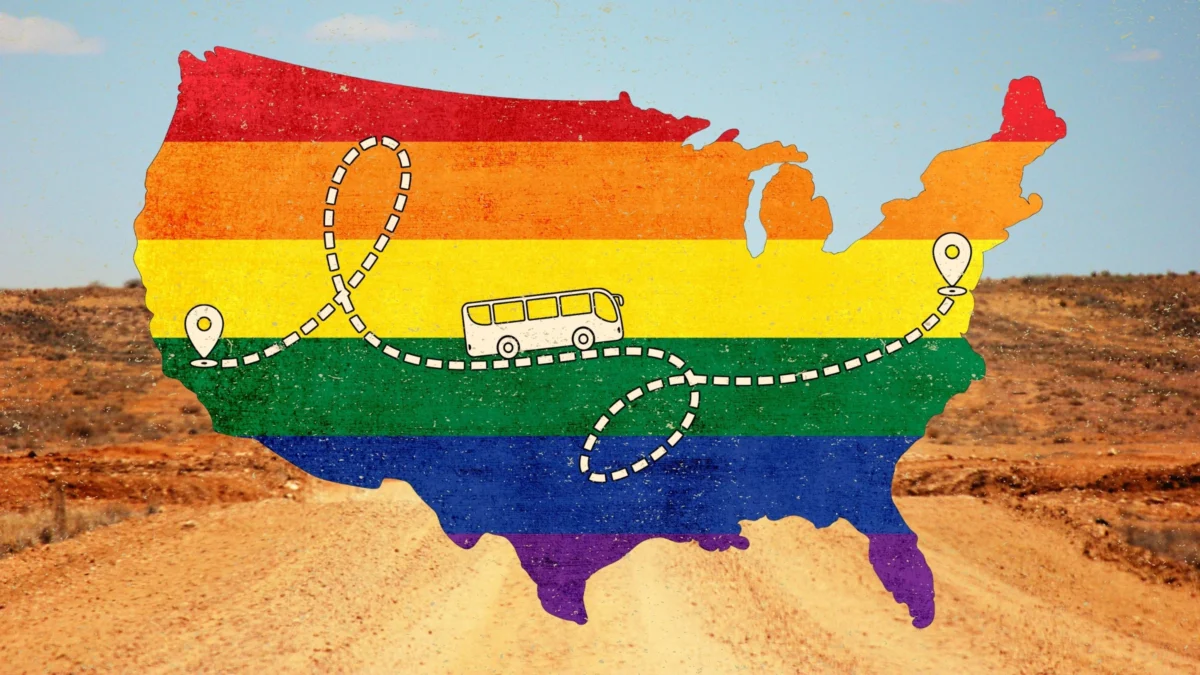
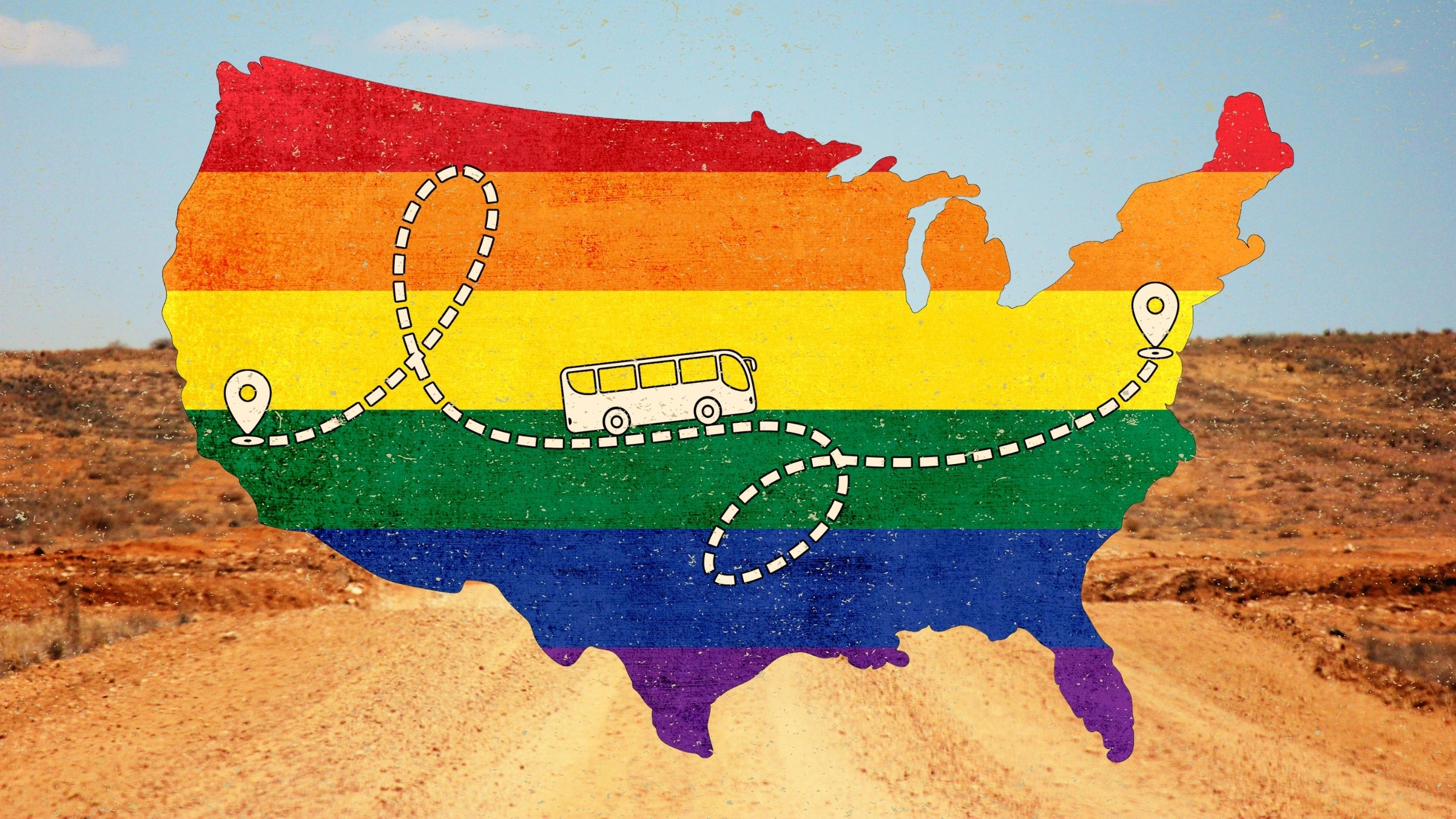
The pursuit of visiting all 50 U.S. states has long been a quintessential American travel goal, yet for LGBTQ+ travelers, this journey is increasingly intersecting with a complex and often restrictive legislative environment. As of 2026, the domestic tourism industry is grappling with the implications of state-level policies that affect the safety and comfort of queer and transgender visitors. The experience of travel writer Lindsey Danis, who recently completed a multi-year quest to visit every state, serves as a case study for the broader challenges facing the LGBTQ+ community in a polarized nation.
The Evolution of the Fifty-State Quest
The journey toward visiting all 50 states often begins as a personal challenge, but for many, the political climate of the destination has become as significant as the itinerary. For Danis, the quest gained momentum following a cross-country drive from Boston to California and a month-long stay in Alaska in 2018. However, by the time the goal neared completion in the mid-2020s, the legal landscape for LGBTQ+ individuals had undergone a dramatic transformation.
In 2021, Kentucky became the 45th state on Danis’s list. At the time, the state was noted for having few legal protections for LGBTQ+ residents, scoring low on the Human Rights Campaign’s (HRC) State Equality Index. Travelers in this demographic often report a heightened sense of "hyper-vigilance," a psychological state characterized by the constant scanning of one’s environment for potential threats or discrimination. Despite these concerns, visits to sites like Mammoth Cave National Park and the Bourbon Trail in Bardstown were conducted without incident, reflecting a common paradox in queer travel: the disconnect between restrictive legislation and the often-neutral or friendly interactions with local service workers and residents.
The Legislative Shift of 2024 and 2025
The years 2024 and 2025 marked a significant escalation in anti-LGBTQ+ legislation across several U.S. states. According to data from the American Civil Liberties Union (ACLU), over 500 anti-LGBTQ+ bills were introduced in state legislatures during the 2024 session alone. This legislative surge has had a direct impact on the travel patterns of the LGBTQ+ community, which represents an estimated $100 billion in annual spending power in the U.S. tourism market.
In early 2024, travel to Louisiana (#46) and Mississippi (#47) highlighted these tensions. While New Orleans has historically been viewed as an LGBTQ+ "oasis" in the South, the surrounding state legislative environment changed rapidly. Shortly after Danis’s visit, the Louisiana legislature passed a highly restrictive bill modeled after Florida’s "Don’t Say Gay" law, which limits discussions of gender and sexuality in educational settings.
The subsequent re-election of Donald Trump in late 2024 led to a series of federal executive orders that further altered the landscape. These measures included the removal of LGBTQ-inclusive language from federal websites, including those managed by the National Park Service, and the implementation of policies barring transgender women from participating in female sports categories. Critics of these policies, including the advocacy group The Advocate, have warned that such measures could lead to invasive "genital inspections" for athletes and a general erasure of LGBTQ+ visibility on federal lands.
Case Study: The Red River and North Dakota
By the summer of 2025, the final contiguous states of Minnesota (#48) and North Dakota (#49) remained. The visit to North Dakota was centered around the Extreme North Dakota Watersports Endurance Test (END-WET), recognized as the longest swim race in North America. The race, which spans 36 miles along the Red River, provided a stark contrast between the serenity of the natural environment and the social anxiety of the participants.
North Dakota has consistently scored among the lowest in the nation on LGBTQ+ equality profiles, lacking comprehensive non-discrimination laws in housing, employment, and public accommodations. For queer-coded travelers—those whose appearance may not conform to traditional gender norms—the act of traveling through such states is often described as a "moral compromise."
During the END-WET event, Danis paddled alongside a competitive swimmer, navigating a narrow and secluded stretch of the Red River. While the race organizers were reported as professional and friendly, the underlying tension of being in a state with active anti-LGBTQ+ sentiment remained. This "subversive power" of showing up in spaces where one feels unwelcome is a recurring theme in modern queer travel, yet it comes with a significant emotional and psychological cost.

The Final Milestone: Hawaii as a Sanctuary State
The 50th state, Hawaii, was visited in late 2025, offering a starkly different experience from the previous legs of the journey. Hawaii has long been a leader in LGBTQ+ rights, being one of the first states to legalize same-sex marriage and maintaining robust non-discrimination protections.
For many travelers, reaching a "sanctuary state" provides a sense of relief that is absent in states with restrictive laws. The ability to be "fully present" without the fear of harassment or the need to monitor one’s behavior is a luxury that is increasingly dictated by state borders. From surfing lessons in Oahu to exploring the volcanic landscapes of Mauna Kea, the final state served as a reminder of the disparity in the American travel experience based on identity.
Economic and Social Implications of "Discerning Travel"
The trend of "discerning travel"—where individuals choose destinations based on their legislative records—is beginning to have measurable effects on state economies. Organizations like the HRC and Equality Federation have issued travel advisories for several states, warning LGBTQ+ people of potential risks.
Economic Impact Data
- LGBTQ+ Travel Market: Prior to the 2024 legislative surge, the LGBTQ+ community accounted for approximately 10% of all U.S. travel spending.
- Convention Cancellations: Cities in states with restrictive laws have reported millions of dollars in lost revenue as organizations move their conventions to more inclusive locations.
- The "Brain Drain" Factor: Tourism experts suggest that negative perceptions of a state’s social climate can also affect its ability to attract and retain talent in the hospitality and service industries.
Reactions from the Travel Industry
The travel industry’s response has been mixed. While some brands have doubled down on "inclusive marketing," others have remained silent to avoid political backlash. However, the rise of specialized travel guides, such as Danis’s own work, (Out) On the Road: The Radical Joy of Queer Travel, indicates a growing demand for resources that help travelers navigate these complexities.
Analysis of the "Fifty-State" Objective
The traditional American "bucket list" of visiting all 50 states is being re-evaluated. For some, the goal remains a point of pride and a testament to personal resilience. For others, the constant "scapegoating and harassment" invited by anti-LGBTQ+ laws have made the quest feel like a sacrifice of personal freedom.

The subversive act of "showing up anyway" in states that do not support LGBTQ+ rights can be seen as a form of protest. By occupying space and contributing to the local economy, queer travelers challenge the status quo. However, the emotional drain associated with this practice has led to a shift toward local travel or "safe-state" tourism.
Chronology of Key Events
- 2018: Danis begins the quest with a month-long residency in Alaska.
- 2021: Visit to Kentucky (State #45). HRC notes significant gaps in LGBTQ+ protections.
- Early 2024: Travels to Louisiana (#46) and Mississippi (#47).
- May 2024: Louisiana passes a restrictive "Don’t Say Gay" bill, leading to widespread travel concerns.
- Late 2024: U.S. Presidential election leads to a change in federal administrative policy regarding LGBTQ+ rights.
- January 2025: Executive orders issued to remove "woke" terminology from federal websites and restrict transgender participation in sports.
- Summer 2025: Visit to North Dakota (#49) for the END-WET race. The state remains a low-scorer on equality indexes.
- Late 2025: Completion of the 50-state quest in Hawaii, a state with high equality ratings.
Conclusion: The Future of Domestic Travel
As the United States remains deeply divided on issues of identity and civil rights, the travel industry must adapt to a customer base that is more informed and more cautious than ever before. The completion of a 50-state journey by an LGBTQ+ traveler in 2026 is not merely a feat of logistics, but a navigation of a shifting social and legal minefield.
The narrative of American travel is moving away from a simple checklist of landmarks and toward a more nuanced understanding of "belonging." For travelers like Lindsey Danis, the conclusion of the quest brings a new level of discernment. The decision to bypass certain states in future travel plans is not necessarily an act of defeat, but a prioritization of personal safety and mental well-being over the symbolic achievement of a map fully colored in. As legislative sessions continue to shape the realities of daily life, they will undoubtedly continue to shape the map of American tourism.




 Chandra Hamzah
 Tatiana Tantri Indah Sari
 Budi Mulyono
 Lukman Taruna Persada Ramadan