
 Tatiana Tantri Indah Sari
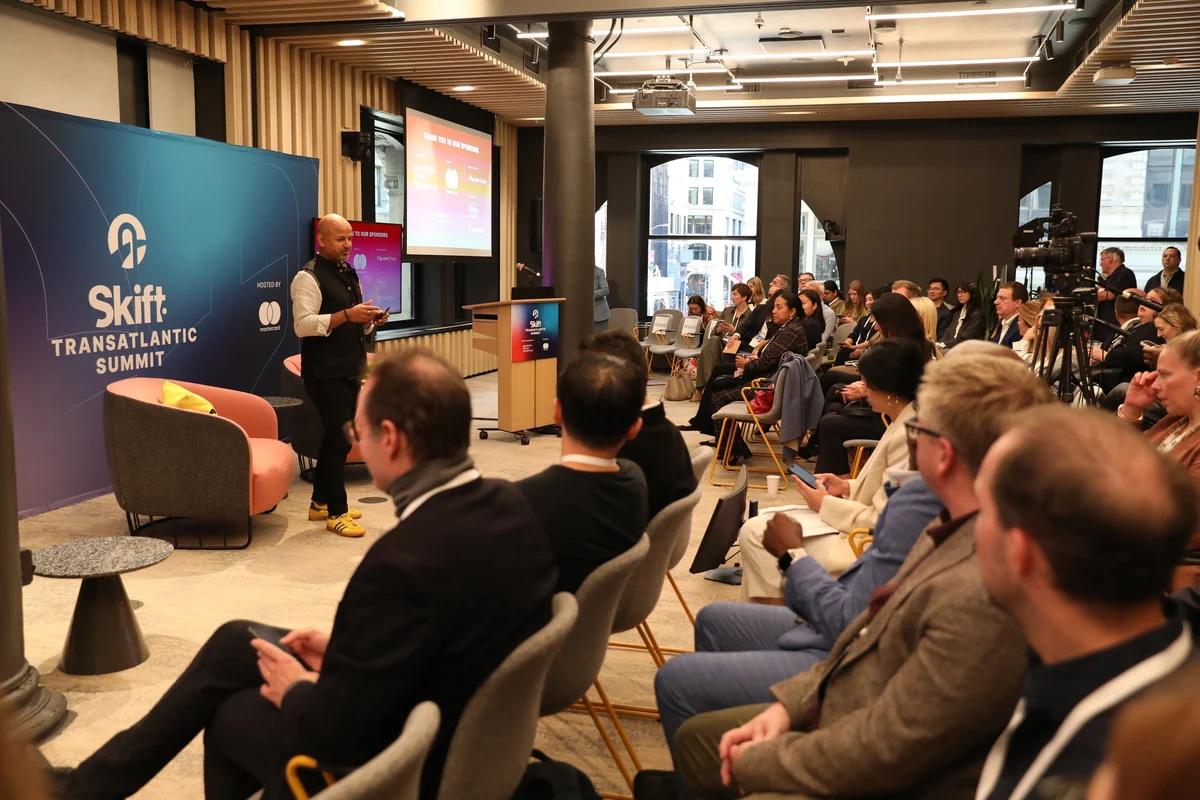
The architecture of the transatlantic travel corridor is undergoing a profound and deliberate recalibration. For months, the framework, economic terms, and regulatory expectations governing the world’s most lucrative and heavily trafficked aviation and tourism bridge have been negotiated in fractured silos—behind closed doors in corporate boardrooms, government ministries, and regulatory offices where airlines, hospitality giants, and policymakers rarely sit at the same table. That fragmented approach to transatlantic mobility is set to converge on October 15 in Dublin, Ireland, where the Skift Transatlantic Summit 2026 will bring these critical decision-makers into direct, public dialogue.
Hosted in strategic partnership with Tourism Ireland and the European Travel Commission (ETC), the upcoming summit arrives at a pivotal juncture for international travel. With trade dynamics shifting, regulatory pressures mounting around sustainability and consumer protection, and consumer travel habits permanently altered by post-pandemic behaviors and infinite digital choice, the stakes for this year’s gathering are exceptionally high. Unlike standard industry networking events, the 2026 summit is engineered to run heavy on policy, governance, and structural strategy. When high-ranking government ministers, aviation executives, and Brussels-based regulators share the same stage, the ensuing debates over network connectivity, destination capacity, and economic growth carry immediate, practical consequences that will dictate operational realities for the entire travel sector.
The Evolution and Background of the Transatlantic Corridor
To understand the weight of the discussions scheduled for Dublin, one must examine the unique economic and geopolitical weight of the transatlantic corridor. Historically, the route linking North America and Europe has served as the lifeblood of global aviation, luxury hospitality, and international commerce. Prior to global disruptions earlier in the decade, the corridor generated hundreds of billions of dollars in economic activity, supporting millions of jobs on both sides of the Atlantic through business travel, leisure tourism, and academic exchanges.
However, the post-pandemic recovery introduced a complex web of new variables. Pent-up consumer demand initially drove record-breaking passenger volumes, but it also exposed severe structural vulnerabilities, including air traffic control bottlenecks, labor shortages, aircraft delivery delays, and mounting friction over environmental regulations. Furthermore, European destinations have increasingly grappled with the paradox of overtourism, forcing local governments and tourism boards to rethink how they manage visitor flows, promote secondary cities, and distribute economic benefits more equitably.
Concurrently, regulatory frameworks governing aviation and cross-border data privacy have grown increasingly strict. European Union regulators have introduced aggressive mandates aimed at reducing carbon emissions—most notably through the ReFuelEU Aviation initiative and the expansion of the Emissions Trading System (ETS)—which directly impact transatlantic carrier operating costs. On the North American side, shifting domestic policies and aviation modernization debates continue to influence how U.S. and Canadian carriers plan their long-haul fleet deployment and partnership strategies.
It is against this complex backdrop that the Skift Transatlantic Summit was established. Designed specifically to break down the traditional walls separating private enterprise from public policy, the event serves as a high-level laboratory where the rules of international mobility are critically evaluated and anticipated, rather than merely reacted to after policies have been codified into law.
Decoding the Core Themes of the 2026 Summit
The confirmed agenda and speaker lineup for the Dublin summit reflect a meticulous focus on four primary pillars that currently dictate the health and trajectory of the transatlantic market: regulatory compliance and corridor rules, evolving consumer demand, strategic traffic redirection, and inclusive economic growth.
The Rules the Corridor Runs On
Regulatory alignment remains one of the most contentious issues facing transatlantic stakeholders. Airlines operating between the U.S., Canada, and Europe must constantly navigate overlapping and sometimes contradictory mandates concerning environmental sustainability, consumer rights, cybersecurity, and antitrust immunities for alliance partnerships. At the Dublin summit, policymakers and legal experts will dissect the practical implications of upcoming European regulatory enforcement, the ongoing evolution of open skies agreements, and the cost of compliance for carriers attempting to maintain profitable operations amid inflationary pressures. Industry analysts note that any shifts in regulatory posture regarding slot allocations or environmental levies could dramatically alter ticket pricing and route profitability, making this policy-heavy session a must-attend for airline executives and destination management organizations (DMOs) alike.
The Demand the Market Is Reordering
Consumer behavior across the North Atlantic has undergone a structural shift. The traditional binary division between business and leisure travel has blurred significantly, giving rise to "bleisure" travel, prolonged remote-work stays, and a surge in demand for experiential, highly personalized itineraries. Furthermore, traveler demographics are shifting, with younger generations prioritizing sustainable tourism practices and authentic cultural immersion over traditional packaged tours. The summit will feature dedicated sessions analyzing proprietary Skift Research data to help travel brands decode how consumers make decisions in an environment characterized by infinite digital choice. Understanding how to capture the attention of high-value travelers who are no longer loyal to legacy brands will determine which hospitality groups and tour operators capture market share in the years ahead.
The Traffic Worth Redirecting
Overtourism has transformed from a localized nuisance into a major systemic threat to the long-term viability of Europe’s premier cultural and historical hubs. Iconic destinations such as Venice, Amsterdam, Barcelona, and Dublin itself have faced intense local pushback against unchecked visitor volumes. Consequently, a primary focus of the 2026 summit will center on strategic traffic redirection—exploring how airlines, national tourism boards, and online travel agencies (OTAs) can collaboratively steer tourist flows away from saturated urban centers toward emerging secondary and tertiary destinations. By leveraging data analytics and targeted marketing campaigns, industry leaders hope to balance regional economic benefits while preserving the cultural and environmental integrity of host communities.
Who the Growth Actually Reaches
Sustainable tourism is no longer defined solely by environmental metrics; social sustainability and local economic impact have taken center stage. Tourism leaders in Dublin will tackle the critical question of how destination growth benefits local populations. Issues surrounding affordable housing for hospitality workers, the preservation of indigenous cultures, and the distribution of tourism revenues to small and medium-sized enterprises (SMEs) will be brought to the forefront. When a destination experiences record-breaking visitor arrivals, policymakers are increasingly held accountable for ensuring that the wealth generated actually reaches the local community rather than concentrating entirely within multinational corporate balance sheets.
Exclusive Insights and Analytical Perspectives
Beyond the plenary sessions and keynote addresses, the Skift Transatlantic Summit 2026 is designed to foster high-level, candid networking through curated formats such as the executive roundtable lunch and specialized briefing sessions. These intimate gatherings allow C-suite executives to test ideas, form strategic alliances, and debate policy frameworks away from the microphones.
Industry observers have noted that the timing of the Dublin summit could not be more critical. With global macroeconomic forecasts pointing toward cautious consumer spending and persistent geopolitical uncertainties, travel companies cannot afford to rely on historical growth models. Strategic agility is paramount. As airlines review their long-haul fleet strategies and destinations recalibrate their marketing budgets to target high-value, low-impact travelers, the insights generated at the Dublin summit are expected to serve as a strategic blueprint for the industry’s executive leadership.
Moreover, the partnership with Tourism Ireland and the European Travel Commission underscores Ireland’s growing status as a premier global hub for international business and tourism diplomacy. Hosting the summit in Dublin provides a symbolic and practical bridge between North America and the European Union, reinforcing the city’s position as a vital nexus for transatlantic dialogue.
A Rigorous Review Process for Attendees
Reflecting the high-level nature of the event, attendance at the Skift Transatlantic Summit is strictly curated. Every registration is subjected to individual review to ensure that the room remains populated exclusively by senior decision-makers capable of influencing corridor outcomes. The participant profile is deliberately restricted to director-level and above leadership from destinations, legacy and low-cost airlines, major tour operators, travel technology providers, and online travel agencies, alongside the government officials and regulators who write the rules governing their daily operations.
This selective curation ensures that the debates remain substantive, peer-to-peer, and actionable. Attendees are not passive spectators; they are active participants in shaping the operating environment of the transatlantic travel economy.
Conclusion and Broader Implications
As the date for the Skift Transatlantic Summit 2026 draws closer, the industry consensus is clear: the rules governing the world’s most important travel corridor are being rewritten in real-time. Whether the topic is carbon compliance, infrastructure investment, digital distribution, or destination management, the decisions made today will reverberate across the global travel ecosystem for the remainder of the decade.
For senior leaders in aviation, hospitality, and public policy, the choice in Dublin is straightforward. By attending the summit, they position themselves at the table where the future terms of the transatlantic corridor are established, gaining the foresight required to navigate regulatory headwinds and market disruptions proactively, rather than being forced to react after policies have already been fixed.




 Gabriela Annisa

 Lukman Taruna Persada Ramadan

 Anjar Salim

 Dwi Wanna
