
 Budi Mulyono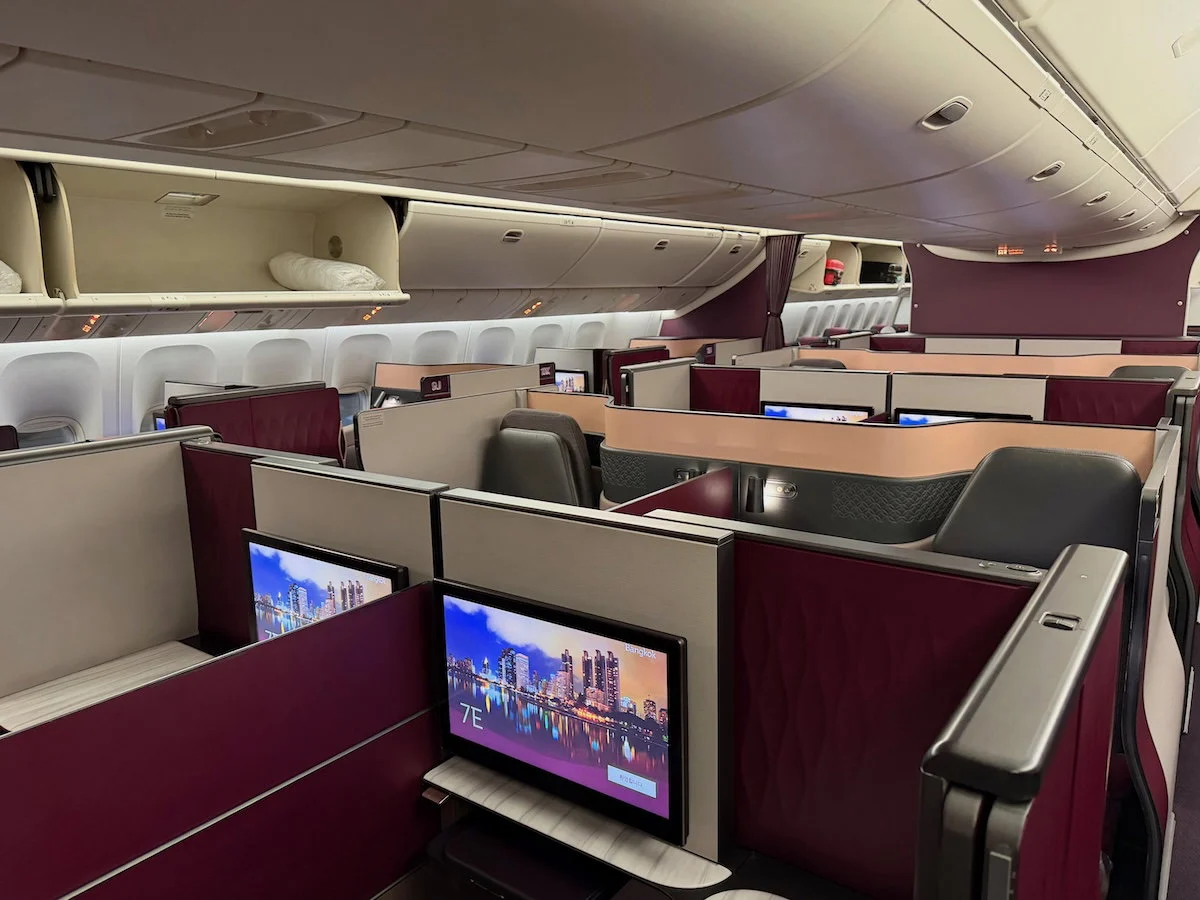
An international flight from Doha to Jakarta became the site of a high-tension confrontation recently, highlighting the persistent challenges airlines face in managing unruly passenger behavior within the confines of premium cabins. The incident, which occurred aboard a Qatar Airways Boeing 777 equipped with the airline’s signature Qsuites, involved a group of disruptive passengers and a verbal assault that left a frequent traveler questioning the efficacy of current onboard security protocols. The event underscores a growing global trend of "air rage" and the complex legal and safety frameworks that govern how crew members respond to non-physical threats during critical phases of flight.
Chronology of the Incident
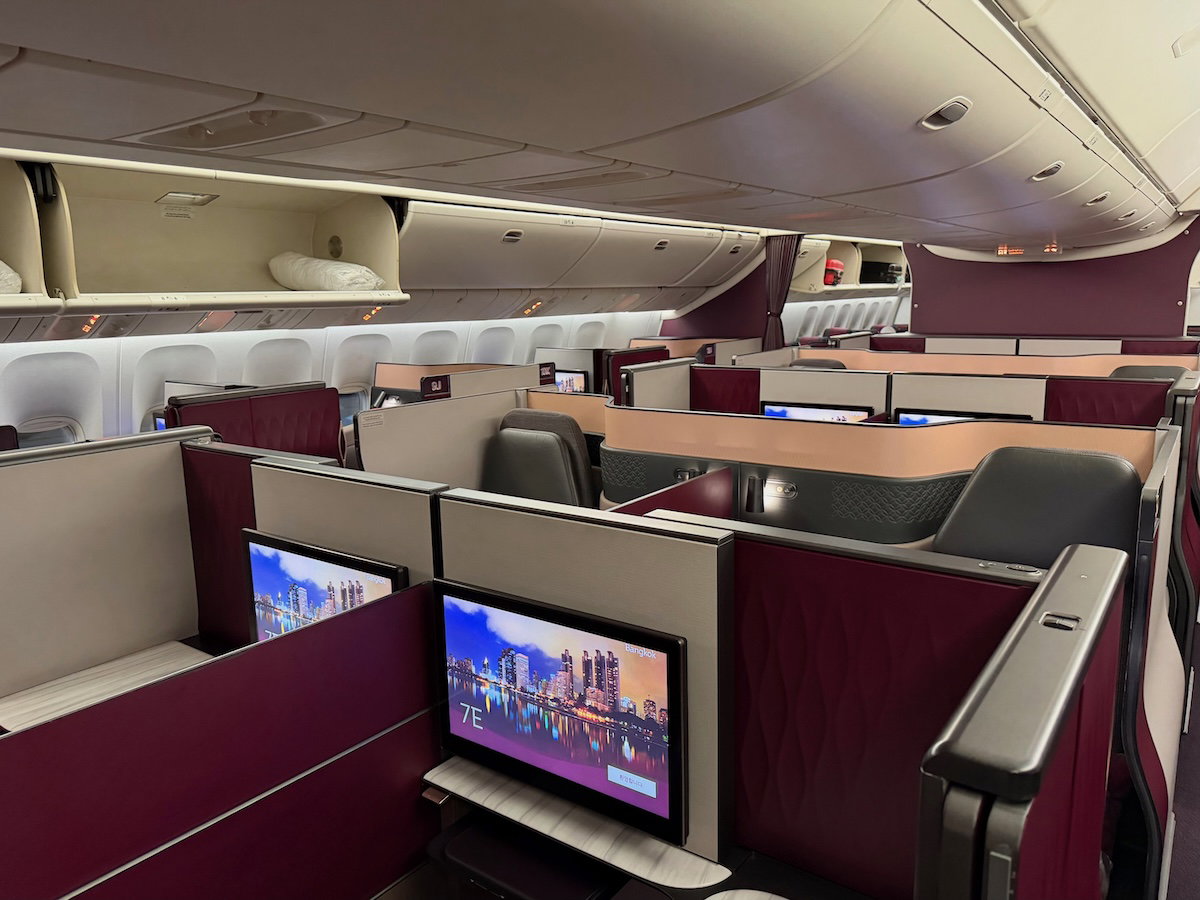
The incident began during the boarding process of a late-night flight scheduled for a 2:00 AM departure from Hamad International Airport (DOH). According to eyewitness accounts from the business class cabin, a group of six individuals occupied the center section of the rear cabin, specifically rows 8, 9, and 10. These seats are configured in a "quad" arrangement, allowing for social interaction but also increasing the potential for noise disturbances in a shared environment.
Shortly after boarding, the group began conversing at a volume that prompted immediate complaints. Despite the late hour, the noise level remained high enough that cabin crew members were forced to intervene before the aircraft pushed back from the gate. While the passengers initially complied with the crew’s request to lower their voices, the reprieve was temporary.
As the aircraft began its pushback and subsequent taxi toward the runway, the situation escalated. Members of the group reportedly ignored the "Fasten Seatbelt" sign, standing up and moving through the aisles while the aircraft was in motion. When a fellow passenger requested that the group respect personal space and adhere to safety protocols, the interaction turned hostile. One individual from the group reportedly approached the seated passenger, shouting profanities and aggressive commands, including telling the passenger to "shut [their] f**king mouth" and asserting that the passenger was "not the commander."
The verbal assault occurred while the individual was standing approximately one foot away from the seated passenger, creating a volatile environment just minutes before takeoff. Cabin crew eventually managed to reseat the aggressive individual, but the victim reported a significant sense of fear and insecurity for the remainder of the multi-hour flight to Jakarta.
Aviation Safety Regulations and Taxiing Protocols
The behavior reported during the taxi phase—specifically passengers standing and moving through the cabin—represents a direct violation of international aviation safety standards. Under the regulations set forth by the International Civil Aviation Organization (ICAO) and the Qatar Civil Aviation Authority (QCAA), all passengers must be seated with their seatbelts fastened whenever the aircraft is in motion on the ground, except when the "Fasten Seatbelt" sign is extinguished.
Movement during taxiing poses several risks:
- Injury Risk: Sudden braking or turns by the pilot can cause standing passengers to fall, potentially injuring themselves or others.
- Obstruction: In the event of an emergency during taxiing, standing passengers can obstruct the path to emergency exits.
- Crew Distraction: Flight attendants are required to be seated in their jumpseats during taxi, takeoff, and landing. Being forced to leave their seats to manage unruly passengers during these phases increases the risk to the crew.
The refusal to follow crew instructions during these critical phases is often categorized as "interference with crew members," a legal offense in many jurisdictions that can lead to fines, placement on no-fly lists, or criminal charges upon landing.
Global Trends in Unruly Passenger Behavior
The incident on Qatar Airways is not an isolated event but rather part of a documented increase in unruly passenger incidents worldwide. According to the International Air Transport Association (IATA), which represents some 300 airlines comprising 83% of global air traffic, there was a 47% increase in reported unruly passenger incidents in 2022 compared to 2021.
IATA data reveals that there is one unruly passenger incident for every 568 flights. While physical aggression remains relatively rare (occurring in about 1 in 17,200 flights), non-compliance and verbal abuse have seen a sharp rise. The most common categories of reports include:
- Non-compliance with safety instructions (e.g., smoking in the lavatory, failing to fasten seatbelts).
- Verbal abuse directed at crew or other passengers.
- Intoxication (though not cited as a factor in the Qatar Airways incident).
The psychological impact of these incidents is profound. For passengers, the inability to escape a hostile individual in a pressurized cabin at 35,000 feet can lead to significant distress. For crew members, the constant threat of verbal or physical assault contributes to burnout and high turnover rates within the industry.
The Legal Framework: The Tokyo Convention and Pilot Authority
The authority to handle disruptive passengers is grounded in international law, specifically the Tokyo Convention of 1963 (formally the Convention on Offences and Certain Other Acts Committed on Board Aircraft). This treaty grants the Pilot-in-Command (the Captain) broad powers to maintain order and safety.
Under the Tokyo Convention, the Captain has the authority to:
- Impose "reasonable measures," including restraint, on any person who commits or is about to commit an act that jeopardizes the safety of the aircraft or persons on board.
- Disembark the individual at any port where the aircraft lands.
- Deliver the individual to local authorities if a serious offense has been committed.
In the case of the Doha-Jakarta flight, the Captain had the legal right to return to the gate to offload the disruptive group. However, such a decision involves a complex weighing of factors. Returning to the gate results in significant fuel costs, missed slot times, potential delays for hundreds of connecting passengers, and administrative hurdles for the airline.
The Threshold for Intervention: Physical vs. Verbal
A critical point of contention in the reported incident was the Purser’s statement that the airline’s policy prevented significant action unless the altercation became "physical." This highlights a gray area in airline policy: the threshold for offloading a passenger for verbal aggression.

While many Western carriers, such as Delta Air Lines or United Airlines, have adopted a "zero-tolerance" policy where verbal threats or the use of profanity toward crew or passengers can result in immediate removal, policies can vary significantly among Middle Eastern and Asian carriers. In some corporate cultures, there is a higher threshold for conflict escalation, or a greater emphasis on de-escalation over confrontation.
However, security experts argue that verbal abuse is often a precursor to physical violence. The "broken windows" theory of aviation security suggests that failing to address minor infractions—such as loud talking or standing during taxi—emboldens disruptive passengers to commit more serious acts, such as the verbal assault described in this case.
Analysis of the "Return to Gate" Dilemma
The victim in this incident expressed regret for not insisting on a return to the gate. This dilemma is common among passengers who experience "air rage." The social pressure to avoid delaying 350 other passengers often outweighs the individual’s desire for safety and justice.
From a security standpoint, the decision to proceed with a flight when a volatile individual is on board is a calculated risk. If the individual’s behavior had escalated mid-flight over the Indian Ocean, the aircraft would have been forced to divert to a secondary airport (such as Mumbai or Colombo), costing the airline tens of thousands of dollars more than a simple return to the gate in Doha would have.
Aviation analysts suggest that when a passenger feels "truly scared," as was reported in this instance, the safety threshold has already been crossed. The presence of a group of six individuals—rather than a lone actor—further complicates the security dynamic, as a group can more easily overwhelm a standard cabin crew compliment.
Broader Implications for Premium Cabin Security
The incident also raises questions about the perceived "shield" of premium cabins. While business class configurations like the Qsuite offer doors and high partitions designed for privacy, they do not provide security against a determined aggressor in the aisle. In some ways, the enclosed nature of a suite can make a passenger feel more trapped when an individual is standing directly outside the door.
Airlines are currently exploring several avenues to mitigate these risks:
- Enhanced De-escalation Training: Providing crew with advanced psychological tools to defuse tension before it reaches the point of verbal assault.
- Centralized "No-Fly" Lists: While IATA supports the idea of airlines sharing data on unruly passengers, legal and privacy hurdles remain a significant barrier.
- Prosecution and Fines: Qatar, like many other nations, has laws governing behavior on its national carrier. Increased publicizing of the legal consequences of air rage—such as heavy fines or jail time—is seen as a necessary deterrent.
Conclusion
The experience of the passenger on the Qatar Airways flight to Jakarta serves as a stark reminder of the vulnerabilities inherent in modern air travel. While the crew’s conduct was described as professional and apologetic, the incident highlights a potential gap in policy regarding the handling of aggressive non-physical behavior. As air travel continues to reach pre-pandemic levels, the industry faces an urgent need to harmonize international responses to unruly behavior, ensuring that the safety and comfort of the majority are never compromised by the volatile actions of a few. For now, the incident remains a documented case of the challenges that arise when the luxury of the Qsuite meets the unpredictable reality of human behavior at 2:00 AM.




 Anjar Salim
 Chandra Hamzah
 Tatiana Tantri Indah Sari
 Lukman Taruna Persada Ramadan
