
 Budi Mulyono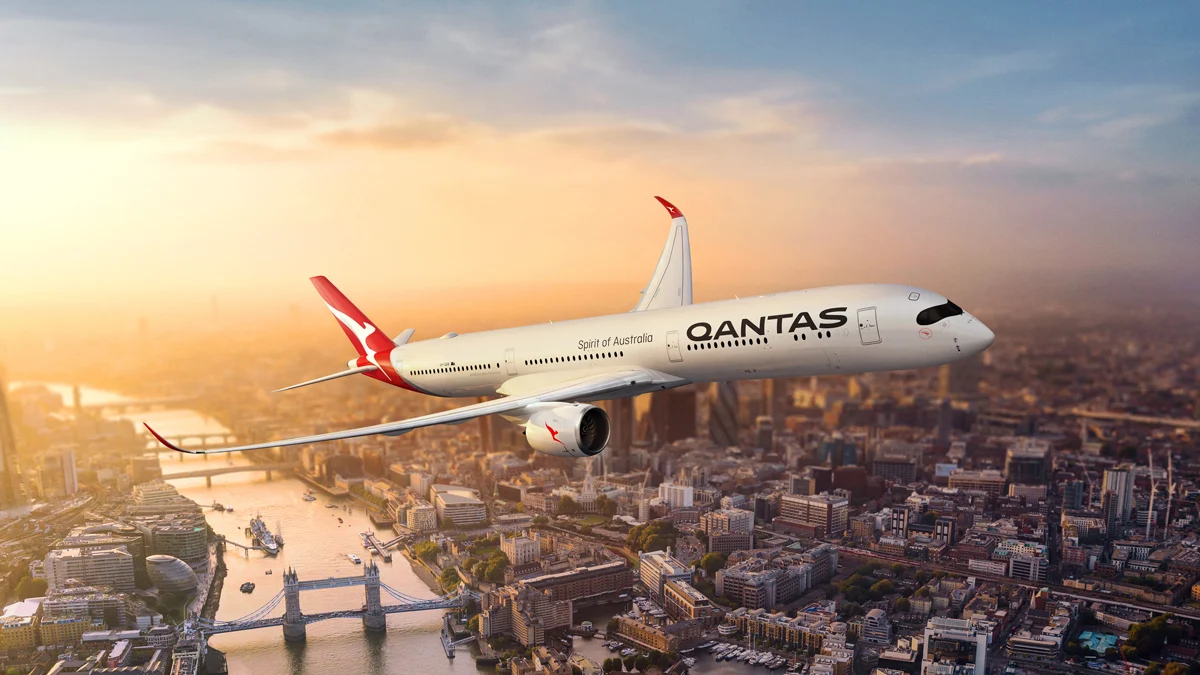
Qantas Airways is reportedly weighing a significant revision to its long-term fleet strategy, with internal discussions centering on the potential early retirement of its Airbus A380 superjumbo fleet. This development comes despite the Australian flag carrier only recently completing a comprehensive and costly restoration program for its ten remaining double-decker aircraft. According to a report by analyst Joe Aston in Rampart, following a high-level investor and media briefing in Toulouse, the airline is considering an exit strategy for the A380 that could predate the previously communicated window of the early 2030s. While Qantas has officially targeted 2032 as the sunset year for the superjumbo, industry observers suggest that a formal announcement regarding an accelerated timeline could coincide with the airline’s full-year financial results scheduled for August 27.
The deliberation marks a pivotal moment for Qantas as it navigates the complexities of post-pandemic aviation, where fuel efficiency and operational flexibility have superseded the prestige of high-capacity, four-engine aircraft. The airline currently finds itself at a crossroads, balancing the "sunk costs" of a massive refurbishment project against the long-term economic advantages of a more streamlined, twin-engine long-haul fleet.
The Chronology of the Qantas Superjumbo Recovery
The history of the Qantas A380 over the last five years has been one of extreme fluctuations. At the height of the COVID-19 pandemic in 2020, the airline made the decision to ferry its entire A380 fleet to long-term storage in the Mojave Desert. At that time, many analysts predicted the aircraft would never return to Australian skies, following the lead of carriers like Air France, which retired its entire A380 fleet during the global shutdown.
However, as international travel demand surged more rapidly than anticipated in 2022 and 2023, Qantas leadership opted to reactivate ten of its twelve aircraft. Two airframes, VH-OQE and VH-OQF, were permanently retired and designated for scrapping to provide a steady supply of spare parts for the remaining fleet. The restoration process for the surviving ten aircraft was an immense logistical and engineering undertaking.
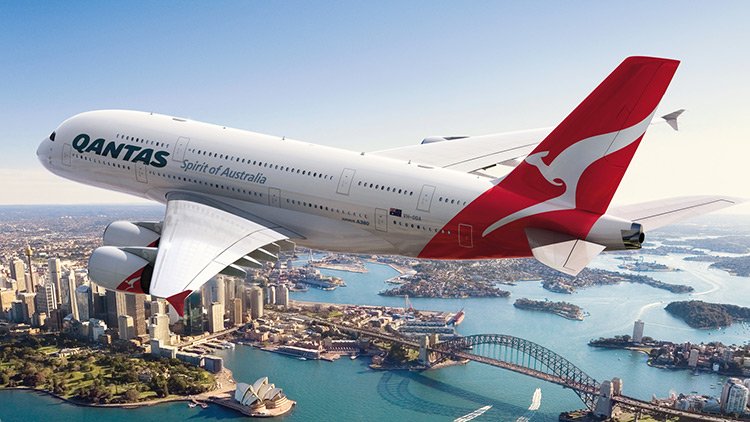
The final aircraft to return to service, VH-OQC, underwent a grueling maintenance cycle in Abu Dhabi that lasted over two years. This single aircraft required more than 100,000 engineering hours to be made airworthy. The work included the complete replacement of landing gear, extensive structural assessments, and a total cabin refresh. By the time VH-OQC returned to the line in late 2025, Qantas had invested hundreds of millions of dollars into ensuring the A380s remained the flagship of its international network. The current configuration of the refurbished fleet features a 485-seat layout, including 14 First suites, 70 Business suites, 60 Premium Economy seats, and 341 Economy seats.
Strategic Pivot Toward Twin-Engine Efficiency
The primary driver behind the potential early retirement is the stark contrast in operating economics between the A380 and modern twin-engine widebodies like the Airbus A350-1000 and the Boeing 787-9 Dreamliner. In the current aviation environment, the mantra of "four engines bad, two engines good" has become a financial reality. Four-engine aircraft are significantly more expensive to maintain and consume vastly more fuel per seat-mile than their newer counterparts.
Qantas is currently in the midst of a massive fleet renewal program. The airline has already placed orders for 24 Airbus A350-1000s. Twelve of these are the ultra-long-range (ULR) variants destined for "Project Sunrise," which will enable non-stop flights from Sydney and Melbourne to London and New York. The remaining twelve are standard A350-1000s intended to replace the aging Airbus A330 fleet.
The dilemma for Qantas lies in the capacity gap. While the A350-1000 is a technological marvel, it cannot match the raw passenger volume of the A380. Replacing a 485-seat aircraft with a 350-seat aircraft requires a fundamental rethink of network planning. If Qantas moves forward with an earlier retirement, it will likely need to increase flight frequencies on key routes—such as Sydney to London or Los Angeles—to maintain its total seat capacity, or accept a smaller market share in favor of higher yields and lower operating costs.
The First Class Conundrum and Cabin Configuration
One of the most significant implications of an early A380 exit is the future of Qantas’ First Class product. Currently, the A380 is the only aircraft in the Qantas fleet that offers a dedicated First Class cabin. While the upcoming Project Sunrise A350s will debut a new generation of First Class suites, these will be limited to a small number of ultra-long-haul routes.
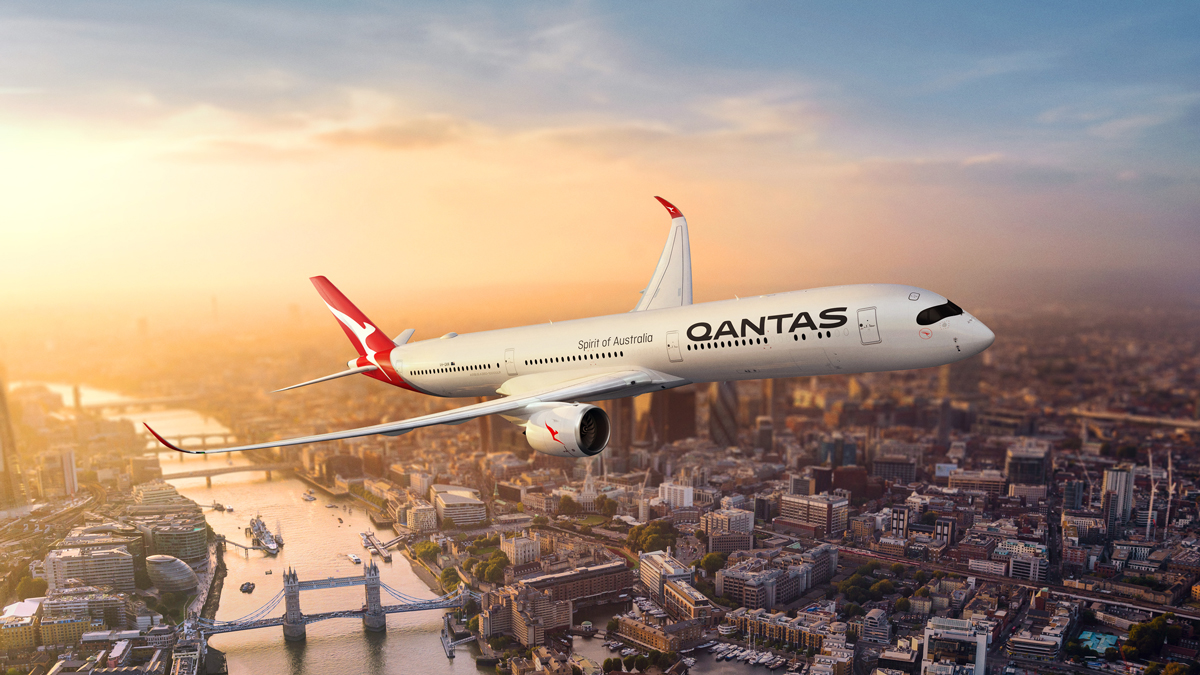
If the A380 is retired before a suitable replacement is integrated across the broader network, Qantas risks losing its "premier" status on several high-profile routes. The standard A350-1000s currently on order are configured as three-class aircraft: Business, Premium Economy, and Economy. They do not include First Class. Consequently, an accelerated A380 retirement would force Qantas to decide whether to order additional A350s or Boeing 777X aircraft with First Class cabins, or to pivot away from First Class entirely on non-Sunrise routes.
This decision is tied to an upcoming widebody order. Qantas is reportedly evaluating a purchase of approximately 20 additional twin-aisle aircraft. This order is expected to be a mix of Airbus A350s and Boeing 787s, or perhaps even the Boeing 777-9, which would be the closest twin-engine equivalent to the A380 in terms of capacity.
Operational Adjustments and Market Demand
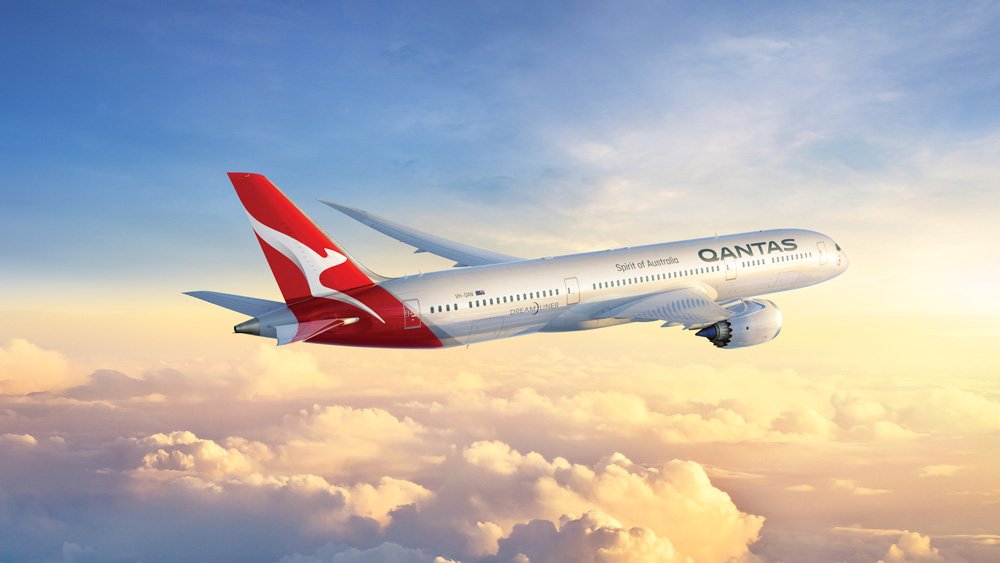
Qantas has already begun testing the waters for a post-A380 environment. Recently, the airline withdrew the superjumbo from its Melbourne to Los Angeles route, replacing it with the smaller Boeing 787-9. The A380 capacity was subsequently redirected to the Sydney-Singapore corridor. This move was driven by shifting geopolitical and economic factors, including increased demand for transit through Singapore due to ongoing conflicts in the Middle East affecting traditional flight paths.
The airline’s ability to fill 485 seats profitably remains contingent on "trunk" routes with high-volume demand. However, the flexibility of the Boeing 787 and Airbus A350 allows Qantas to serve these same markets with higher frequency, which is often preferred by high-value business travelers. For example, two flights a day on a 787 can be more attractive to a corporate flyer than one flight a day on an A380, even if the A380 offers a more spacious onboard lounge and a grander sense of scale.
Official Responses and Investor Expectations
As of late July 2024, Qantas has not issued a formal statement regarding the Rampart report or any changes to its retirement schedule. The airline’s standard response has been to reiterate its commitment to the A380 through the end of the decade, while acknowledging that fleet planning is an "ongoing and dynamic process."
However, investors are increasingly pressuring the airline to improve its carbon footprint and reduce operational overhead. The A380, despite its popularity with passengers, is a legacy asset in an era of decarbonization. Accelerating its retirement would align with Qantas’ stated goal of reaching net-zero emissions by 2050 and would likely be viewed favorably by institutional investors who prioritize Environmental, Social, and Governance (ESG) metrics.
Vanessa Hudson, who took over as CEO following the controversial departure of Alan Joyce, is tasked with rebuilding the airline’s reputation and balance sheet. A decisive move on the A380 would signal a clean break from the previous administration’s fleet strategy and a commitment to a modern, efficient future.
Broader Impact on Global Aviation and Strategy
The potential early exit of the Qantas A380 is part of a broader global trend. While Emirates remains the world’s largest operator and a staunch defender of the type, most other airlines are looking toward the exit. The A380 was designed for a hub-and-spoke model that is increasingly being challenged by the point-to-point capabilities of ultra-long-range twinjets.
For Qantas, the decision is not just about one aircraft type; it is about the strategic direction of the national carrier for the next thirty years. Choosing smaller, more efficient jets suggests a strategy of network expansion—reaching more destinations with lower demand. Conversely, sticking with the largest possible aircraft would indicate a strategy of dominating major global hubs.
If Qantas confirms the accelerated retirement on August 27, it will likely be accompanied by a massive new aircraft order designed to fill the capacity void. This would provide the final piece of the puzzle for the airline’s fleet renewal, joining the A220s and A321XLRs already arriving for domestic and short-haul international routes.
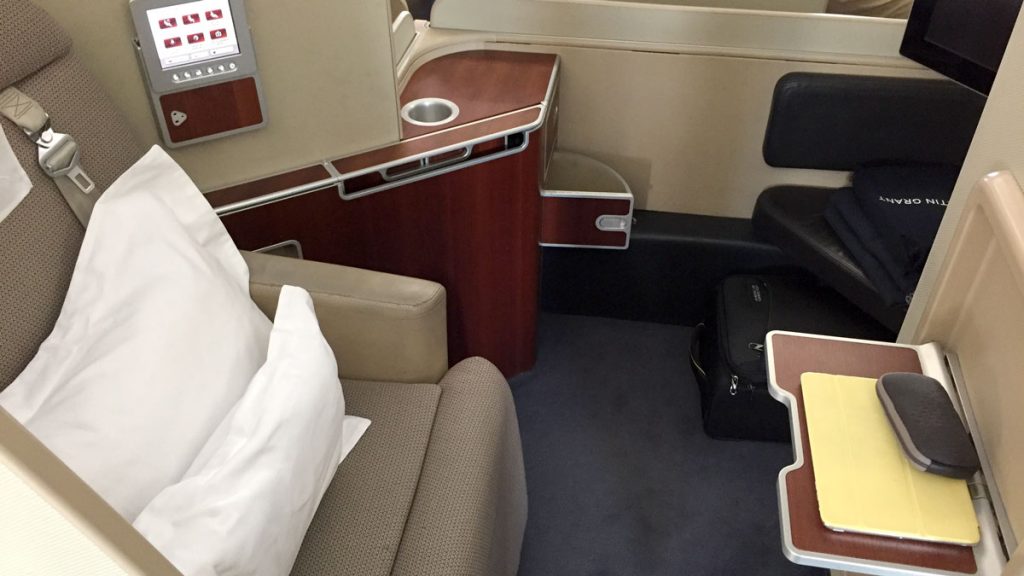
While the A380 remains a favorite for its quiet cabin, onboard lounge, and iconic staircase, its days as the "Queen of the Qantas Fleet" appear to be numbered. The transition to an all-twin-engine long-haul fleet would mark the end of an era for Australian aviation, trading the grandeur of the superjumbo for the precision and profitability of the next generation of flight. Passengers and industry analysts alike will be watching the late August briefing with keen interest to see if the sun is setting on the superjumbo sooner than anyone expected.


 Chandra Hamzah
 Gabriela Annisa
 Tatiana Tantri Indah Sari
 Hendra Ismail
 Walid Sujud Trenggono