
 Budi Mulyono
The landscape of inflight connectivity is undergoing a fundamental transformation as SpaceX’s Starlink Aviation service moves away from its strictly mandated free-access model. Since its inception, Starlink has been synonymous with high-speed, low-latency internet provided at no cost to the passenger, a requirement that Elon Musk’s satellite venture enforced across all initial airline partnerships. However, recent developments involving Panama’s flag carrier, Copa Airlines, signal a strategic pivot. For the first time in the service’s history, an airline will be permitted to gate Starlink access behind a paywall, marking the end of the "free-only" era for the world’s most advanced satellite internet network.
Copa Airlines has officially announced the implementation of Starlink across its fleet, making it the first carrier in Latin America to adopt the technology. Unlike its predecessors in the Starlink ecosystem, Copa will restrict complimentary access to premium cabin passengers, top-tier members of its ConnectMiles frequent flyer program, and existing Starlink residential or roaming subscribers. All other passengers will be required to pay a fee for access, though the specific pricing structure has yet to be finalized. This shift represents a significant departure from the business model that Starlink has utilized to disrupt the established inflight connectivity (IFC) market dominated by legacy providers like Viasat, Intelsat, and Panasonic Avionics.
The Evolution of Starlink Aviation and the Free Access Mandate
When SpaceX first entered the aviation sector, it did so with a disruptive value proposition: fiber-like speeds in the air with the caveat that the service must be frictionless and free for the end user. This "Starlink Experience" was designed to mimic the ease of home internet, bypassing the cumbersome portals, credit card entries, and tiered speed limits that have historically frustrated airline passengers.
The list of early adopters who committed to this free-access model is extensive and includes many of the world’s leading carriers. JSX, a semi-private jet carrier, was the first to launch the service, followed by a rapid succession of agreements with global airlines. United Airlines recently made headlines by committing to equip its entire fleet of over 1,000 aircraft with Starlink, promising free high-speed internet to every passenger. Similar commitments have been made by Air France, which plans to roll out the service across its entire fleet starting in 2025, and Qatar Airways, which has already begun deploying the technology on its long-haul aircraft.
Other major carriers in the Starlink stable include the Lufthansa Group (encompassing Lufthansa, SWISS, Austrian, and Brussels Airlines), the Hanjin Group (Korean Air and Asiana), and International Airlines Group (IAG), which includes British Airways and Iberia. These airlines, along with Air New Zealand, Hawaiian Airlines, airBaltic, and Zipair, have all adhered to the initial requirement that the service remains a complimentary amenity. The pivot by Copa Airlines suggests that Starlink is now willing to offer more flexible commercial terms to attract a broader range of airline partners.
Technical Superiority and the Shift to Low Earth Orbit (LEO)
The demand for Starlink in the aviation sector is driven by the technical limitations of traditional Geostationary (GEO) satellites. Conventional inflight wifi relies on satellites orbiting approximately 35,000 kilometers above the Earth. While effective for basic browsing, the distance results in high latency—often exceeding 600 milliseconds—making real-time activities like video conferencing, online gaming, and high-definition streaming nearly impossible.
In contrast, Starlink operates a constellation of thousands of satellites in Low Earth Orbit (LEO), roughly 550 kilometers above the planet. This proximity reduces latency to less than 30 milliseconds, comparable to ground-based broadband. For airlines, the shift to LEO is not merely about speed; it is about capacity. Starlink’s electronically steered antenna (ESA) allows for seamless handoffs between satellites, ensuring consistent coverage even over oceans and polar regions where traditional coverage often falters.
Copa Airlines’ decision to adopt Starlink is particularly noteworthy because the carrier previously lacked any form of inflight connectivity. By skipping the GEO generation of technology and moving straight to LEO, Copa is effectively leapfrogging its regional competitors. The airline’s fleet of approximately 100 Boeing 737 aircraft will begin the installation process this year, providing a significant upgrade to the passenger experience on routes connecting North, Central, and South America through its "Hub of the Americas" in Panama City.
Market Analysis: Why Starlink is Granting Commercial Flexibility
Industry analysts point to several factors that may have influenced SpaceX’s decision to allow Copa Airlines to charge for the service. The most prominent theory involves the increasing pressure on SpaceX to grow its revenue streams as it matures as a company. While Starlink has been a subsidized venture for much of its early life, the push toward profitability—and potential future public offerings—requires a more adaptable business model.
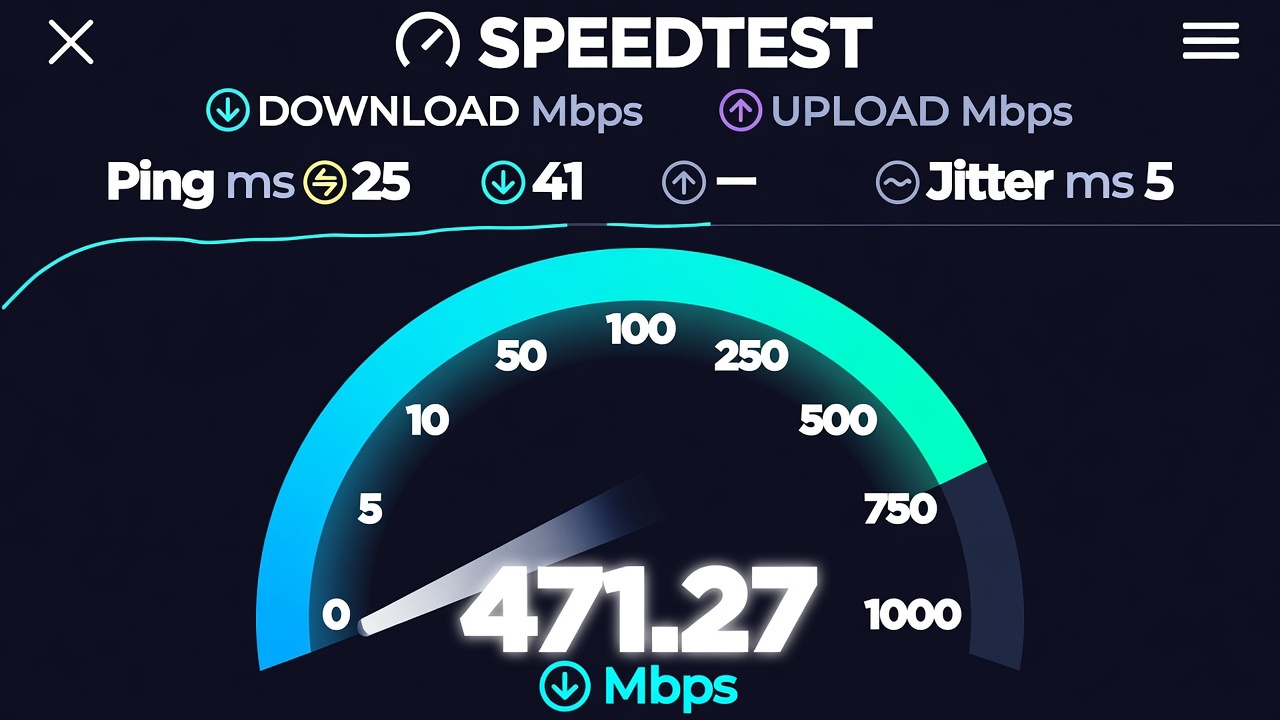
By allowing airlines to charge for wifi, Starlink becomes a more attractive option for carriers that cannot afford to absorb the high operational costs of providing free data to every passenger. In the highly competitive airline industry, particularly for mid-tier or low-cost carriers, the ability to monetize a premium service like Starlink is a vital consideration.
Furthermore, the competition in the LEO space is intensifying. Amazon’s Project Kuiper is emerging as a formidable rival, recently securing a significant partnership with Delta Air Lines. Delta’s decision to choose Amazon over Starlink was reportedly influenced by two factors:
- Portal Integration: Amazon allowed Delta to maintain its proprietary "Delta Sync" portal, which is a cornerstone of the airline’s customer engagement and loyalty strategy. Starlink had previously insisted on a simplified login process that bypassed such portals.
- Bundling and Synergy: Delta was able to leverage a broader corporate deal with Amazon, including cloud services through AWS and content through Amazon Studios.
The flexibility shown to Copa Airlines suggests that Starlink may be learning from the Delta-Amazon negotiations. By allowing Copa to gate the service and integrate it with their frequent flyer program, Starlink is demonstrating a newfound willingness to cater to the specific commercial needs of individual airlines.
Chronology of Starlink’s Aviation Milestones
To understand the significance of the Copa Airlines deal, it is essential to view it within the timeline of Starlink’s rapid expansion in the aerospace sector:
- April 2022: JSX becomes the first carrier to sign a deal with Starlink, promising free internet for all passengers.
- May 2022: Hawaiian Airlines announces it will equip its transpacific fleet with Starlink, also opting for the free-service model.
- Late 2022: airBaltic becomes the first European carrier to commit to the service.
- 2023: A wave of major global carriers, including Qatar Airways and United Airlines, sign multi-year agreements. These deals emphasize the "free for all" nature of the service.
- Early 2024: Air France and the Lufthansa Group join the ecosystem, reinforcing the industry trend toward free high-speed IFC as a standard amenity for premium carriers.
- Late 2024: Copa Airlines announces its Starlink implementation, breaking the "free-only" precedent by introducing paid tiers for economy passengers.
Broader Implications for the Aviation Industry
The introduction of paid Starlink tiers on Copa Airlines may set a new precedent for how mid-tier and regional carriers approach inflight connectivity. While "free wifi" remains a powerful marketing tool for global giants like United or Emirates, it is an expensive proposition. For many airlines, the "freemium" model—where basic messaging is free, but high-speed streaming requires payment or loyalty status—is more financially sustainable.
Copa’s model is particularly sophisticated because it integrates existing Starlink customers. By allowing residential and roaming subscribers to log in using their own credentials, SpaceX is creating a seamless ecosystem between home and travel. This move could increase the value of a Starlink subscription for ground-based users, further cementing the brand’s dominance in the global ISP market.
However, the decision to charge for the service also introduces risks. As more airlines move toward free wifi as a standard service (led by carriers like Delta, which uses Viasat for its current free offering), airlines that charge for internet may find themselves at a competitive disadvantage. The success of Copa’s implementation will likely be closely watched by other carriers in the Latin American and low-cost carrier (LCC) segments.
Conclusion and Future Outlook
The partnership between Copa Airlines and Starlink represents a pivotal moment in the maturation of satellite internet. It signals that Starlink is no longer just a disruptive technology provider with a rigid "one-size-fits-all" philosophy, but a flexible commercial partner willing to adapt to the economic realities of the aviation industry.
For passengers, the news is a mixed blessing. On one hand, the expansion of Starlink to more airlines means that high-speed, reliable internet will become available on more routes than ever before. On the other hand, the precedent set by Copa suggests that the dream of "free internet for everyone, everywhere" may be replaced by a more traditional tiered access model.
As the Boeing 737s of Copa Airlines begin to sport the Starlink antennas later this year, the industry will be watching to see how passengers react to paying for a service that has, until now, been marketed as a free revolutionary right of the modern traveler. Whether this is a unique exception for a specific market or the beginning of a new trend in IFC monetization remains to be seen, but the era of the Starlink "free-only" mandate has officially come to a close.




 Anjar Salim
 Chandra Hamzah
 Tatiana Tantri Indah Sari
 Lukman Taruna Persada Ramadan
